The world of archaeology is abuzz with the recent discovery of ancient carvings that bear an uncanny resemblance to modern spacecraft. This intriguing find has sparked a flurry of interest among researchers and enthusiasts, prompting a deeper dive into the mysteries of our past.
Discovery of the Carvings

The details surrounding the location and context of the discovery remain undisclosed, but the initial impressions of the archaeologists were of awe and fascination. The carvings, intricate and detailed, immediately drew comparisons to modern spacecraft. The resemblance was so striking that it sparked a wave of speculation and debate among the scientific community.
Such discoveries are not entirely unprecedented. In fact, they echo the surprise of archaeologists who unearthed a 7,000-year-old figurine from Kuwait that bore an eerie resemblance to an extraterrestrial being. These instances challenge our understanding of ancient civilizations and their knowledge of the world.
Ancient Artwork and Interpretations
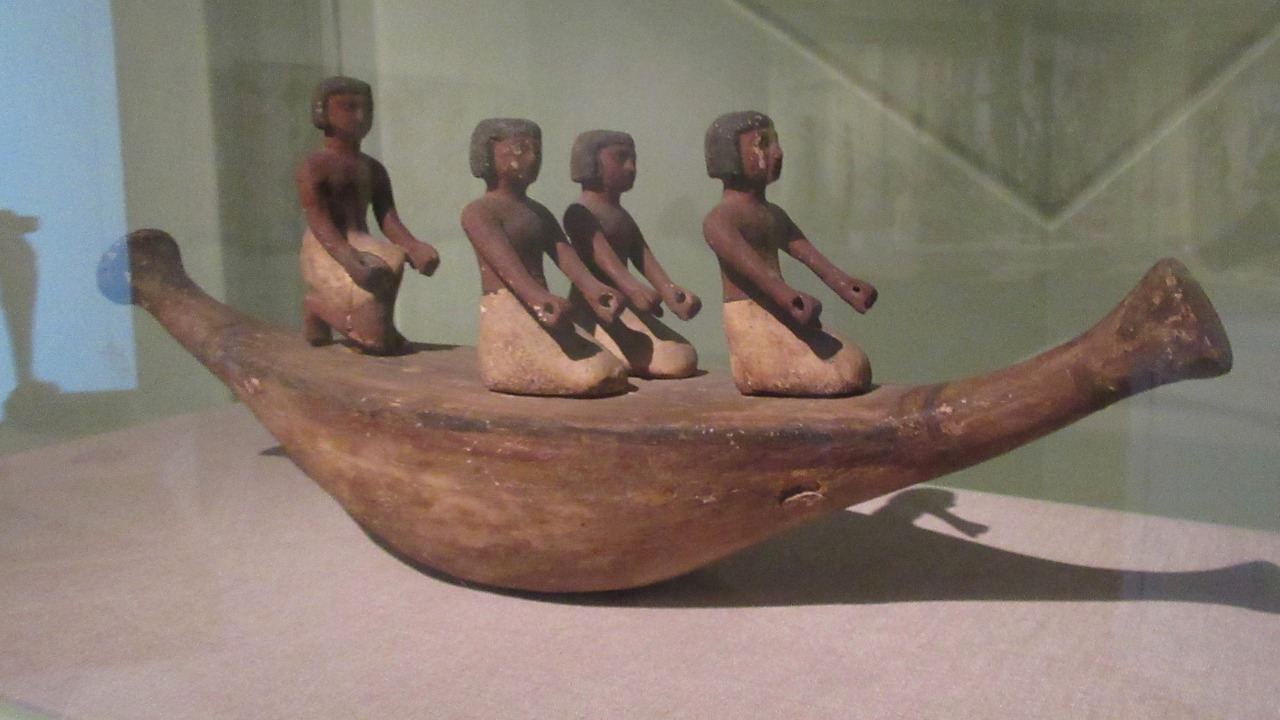
Ancient artwork serves as a window into the past, offering invaluable insights into the cultures and civilizations that preceded us. They reveal aspects of daily life, religious beliefs, societal structures, and sometimes, inexplicably, depictions that resemble modern technology. The aforementioned figurine from Kuwait is one such example.
These resemblances have given rise to various theories. Some suggest that ancient civilizations had contact with extraterrestrial beings, while others propose that these depictions are symbolic representations of celestial bodies or natural phenomena. The truth remains elusive, but the intrigue these theories generate is undeniable.
Advanced Technology in Archaeology
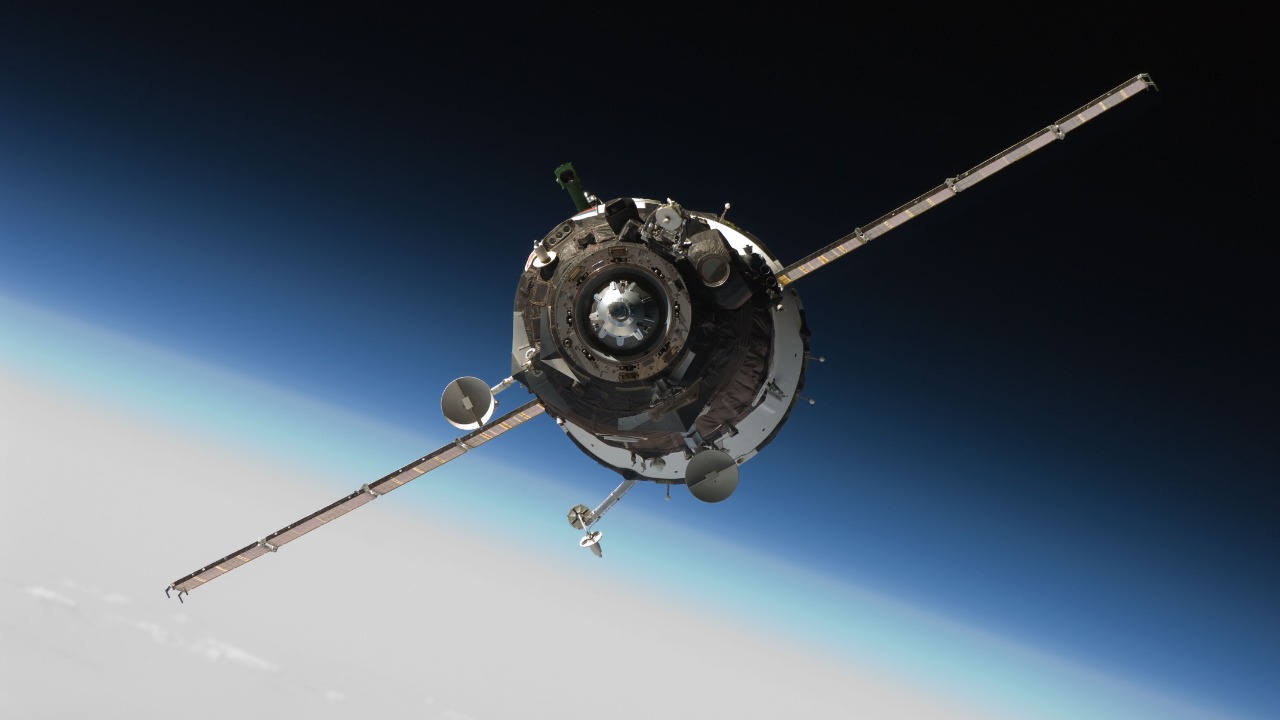
Modern technology has revolutionized the field of archaeology. Tools like lasers and satellites have become indispensable in the exploration and discovery of ancient artifacts. They have enabled archaeologists to uncover invisible human remains and other hidden wonders that would have otherwise remained buried in the sands of time.
These technological advancements have not only enhanced the scope of archaeological exploration but also the precision with which these explorations are conducted. For instance, the discovery of a buried ancient Egyptian port was made possible by the use of advanced technology. As we continue to innovate, we can expect more revelations about our past, including a deeper understanding of these spacecraft-like carvings.
Speculations and Debates

The resemblance of these carvings to modern spacecraft has sparked a myriad of theories. Some subscribe to the ancient astronaut theory, suggesting that extraterrestrial beings visited Earth in the distant past and influenced the development of human civilizations. Others interpret these carvings as symbolic representations, perhaps of celestial bodies or natural phenomena.
These theories, while fascinating, are not without controversy. Skeptics argue that such interpretations are a result of pareidolia – the tendency to perceive a specific, often meaningful image in a random or ambiguous visual pattern. Regardless of the debates, the implications of these theories on our understanding of ancient civilizations are profound and warrant further investigation.
Comparative Analysis With Other Ancient Artifacts

When compared to other ancient artifacts, the spacecraft-like carvings offer intriguing parallels. Prehistoric cave paintings, for instance, have depicted objects that bear a resemblance to modern technology. A study of prehistoric cave paintings reveals instances of early humans portraying similar objects.
The similarities and differences between these artifacts can offer valuable insights into the beliefs and knowledge of ancient civilizations. They contribute to the ongoing debate about the meaning of these carvings and their implications on our understanding of our ancestors. As we continue to explore and discover, we inch closer to unraveling the mysteries of our past.
