In a recent excavation in Egypt, archaeologists unearthed an ancient obelisk that revealed a stunning carved face, captivating both experts and the public. The discovery was made at a quarry site near Aswan, and the intricate details of the obelisk suggest advanced craftsmanship from the New Kingdom period around 1400 BCE. This find offers new insights into ancient Egyptian monumental art and symbolism.
The Discovery Site
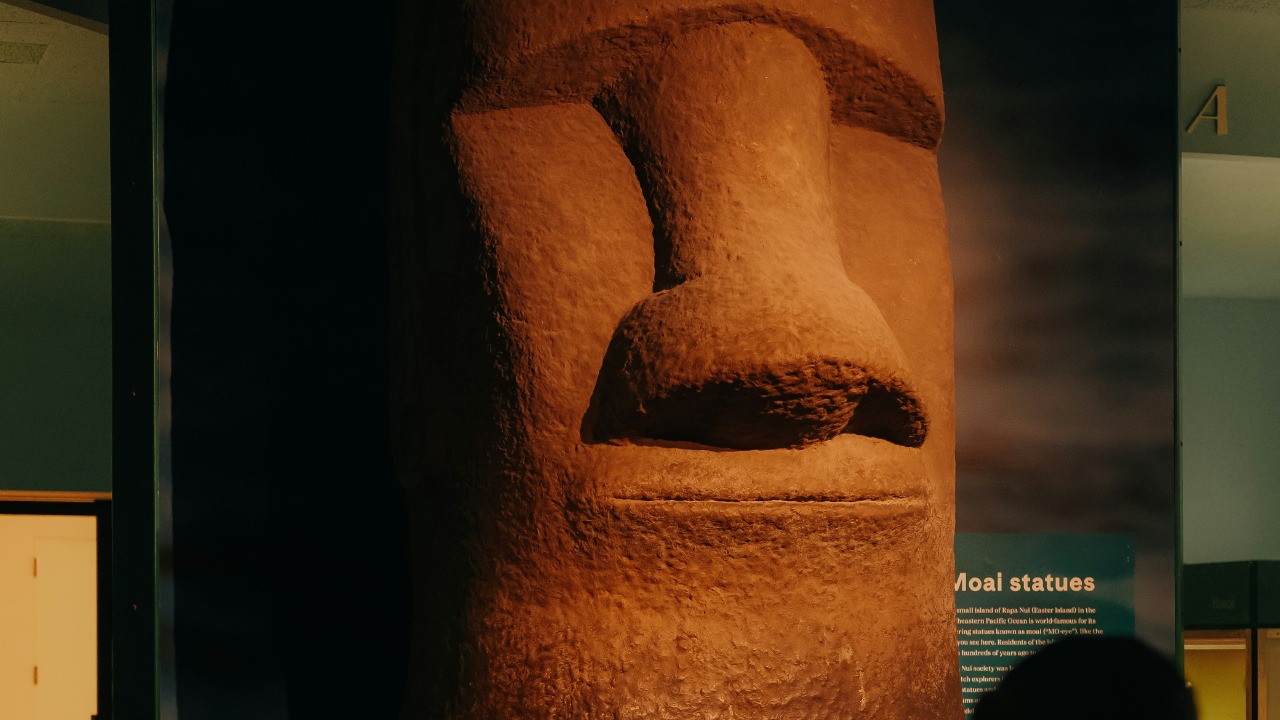
The obelisk was found partially buried in the Aswan quarries, a location where erosion and natural cover have preserved it for millennia. The excavation process was led by a team from the Egyptian Ministry of Tourism and Antiquities, who used modern scanning technology to reveal the obelisk’s dimensions of approximately 6 meters in height. The lead archaeologist, Dr. Ahmed El-Sayed, expressed surprise at the obelisk’s unexpected emergence during routine surveys.
Uncovering the Obelisk
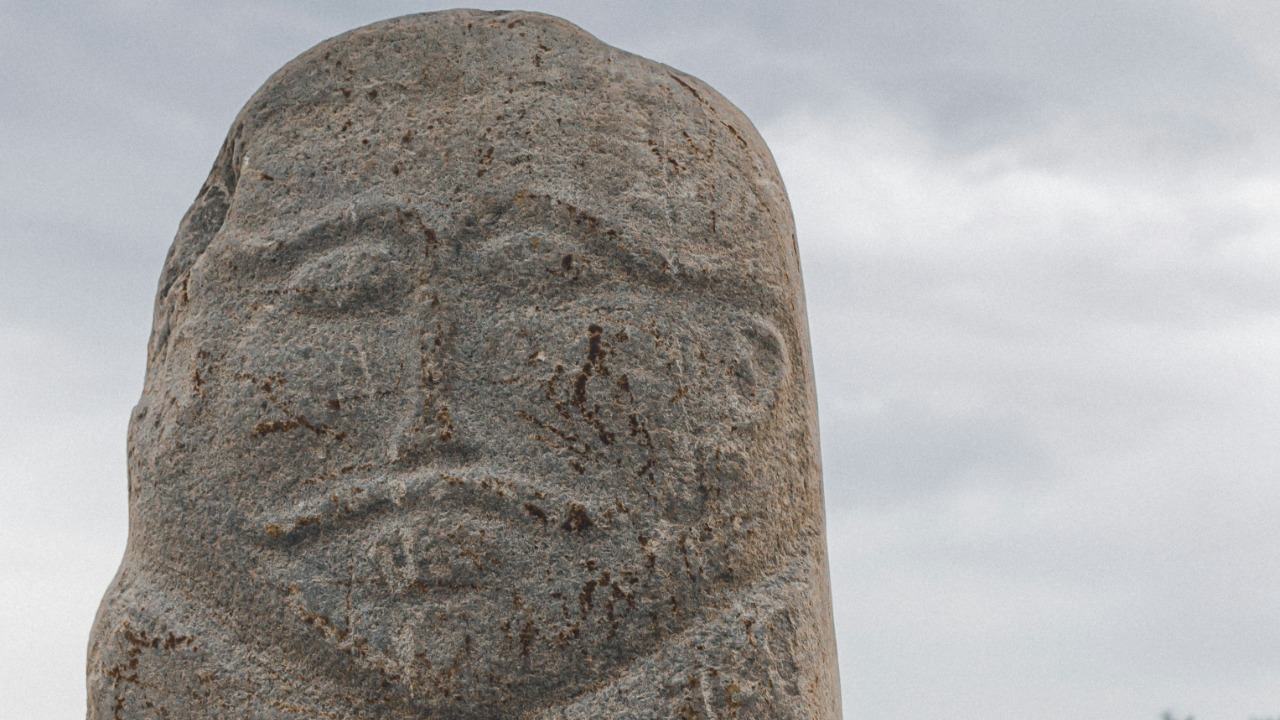
The obelisk is made of rose granite and features hieroglyphic inscriptions along its sides that reference pharaonic dedications. Extracting the obelisk from the surrounding bedrock without causing damage presented a significant challenge, requiring several weeks of careful work. The site’s role in ancient stoneworking is further evidenced by the presence of other unfinished obelisks nearby, including a famous 42-meter one.
The Stunning Face Revealed

On the base of the obelisk is a carved face, depicting a detailed human-like figure with almond-shaped eyes and a serene expression. This figure could possibly represent a deity or a royal figure. The artistic techniques used, such as bas-relief carving and polishing, indicate high skill levels from artisans around the 18th Dynasty. Egyptologist Dr. Zahi Hawass stated, “This face stares back with an intensity that brings the ancient world alive,” emphasizing the emotional impact of the discovery.
Historical Significance
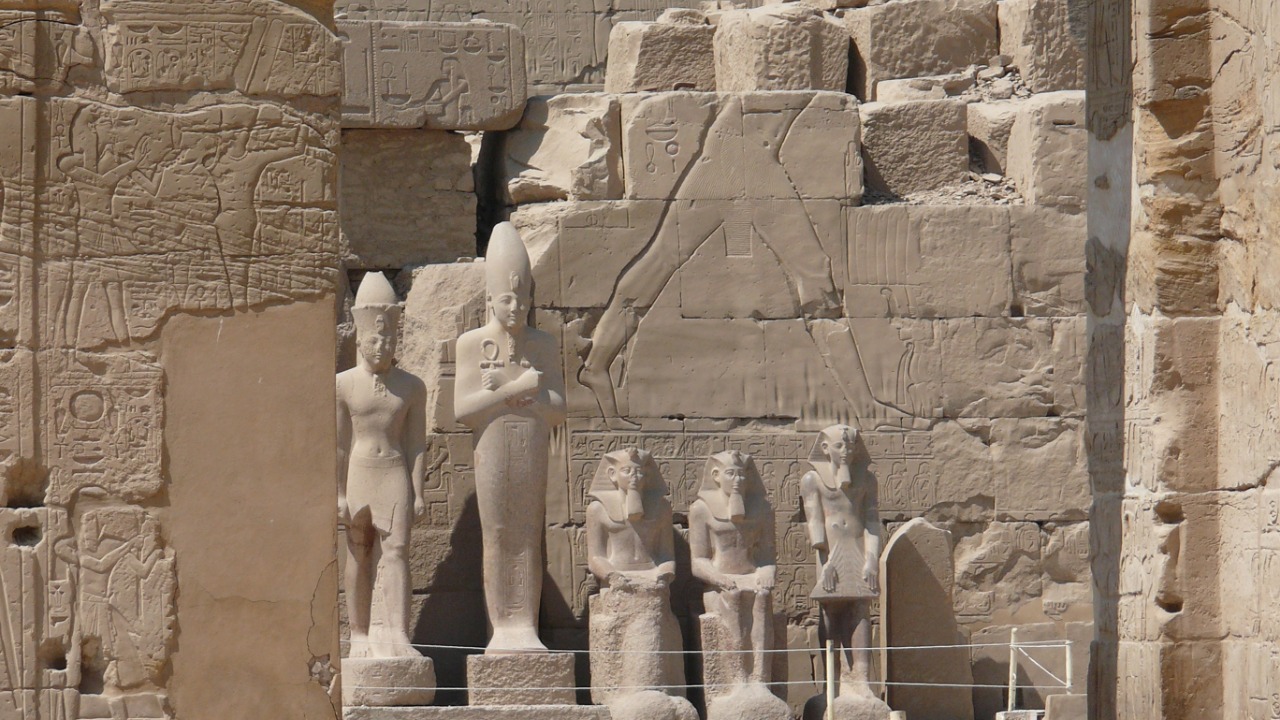
The obelisk’s inscriptions suggest ties to Hatshepsut’s reign, possibly linking it to her temple projects at Karnak around 1479–1458 BCE. The face on the obelisk might symbolize protection or divine authority, drawing parallels to similar motifs on other Egyptian monuments. The discovery also has broader implications for understanding obelisk production, including labor estimates of over 1,000 workers involved in quarrying.
Preservation and Future Study
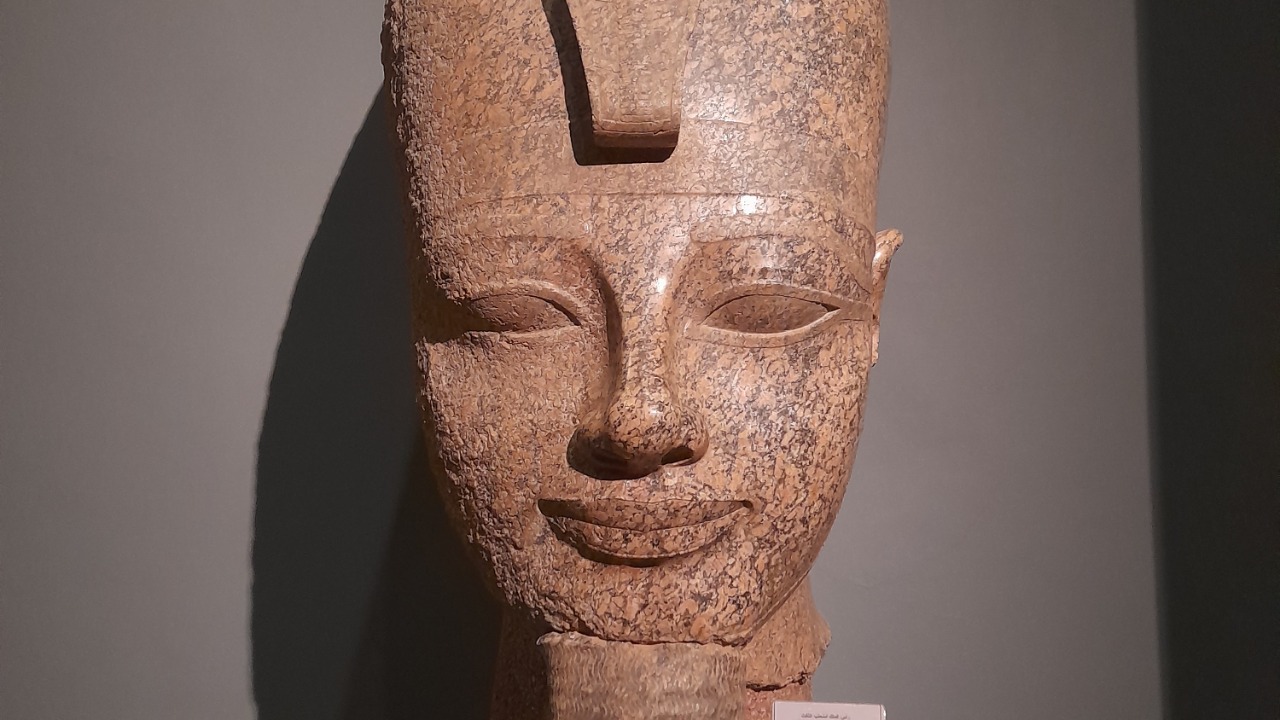
Plans for the obelisk’s conservation involve climate-controlled transport to the Luxor Museum for display. Ongoing analyses include carbon dating of surrounding sediments to confirm the 1400 BCE timeline and 3D modeling for virtual reconstructions. However, there are potential controversies, such as debates over the face’s exact identity—whether a pharaoh or god—and calls for international collaboration in research.
Cultural Impact
The discovery has generated significant media reactions and public fascination, with over 500,000 social media shares within the first week of announcement. The Supreme Council of Antiquities plans to engage global audiences through educational outreach, including virtual tours. This find is also expected to boost Egypt’s tourism, with projections of a 15% increase in visits to Aswan sites following similar past discoveries.
Overall, the unearthing of this ancient obelisk and the stunning face it revealed provide a fascinating glimpse into the past, offering new insights into ancient Egyptian art, symbolism, and history. As research continues, we can expect to learn even more about this remarkable artifact and its significance.
