Archaeologists have recently uncovered hundreds of massive structures at a site ominously known as the ‘Gates of Hell,’ leaving experts puzzled over their purpose. This discovery adds a new layer of mystery and intrigue to an area already steeped in legend and historical speculation. The findings have sparked a wave of curiosity and debate among historians and archaeologists alike, as they strive to understand the significance of these enigmatic constructions.
The Discovery at the ‘Gates of Hell’
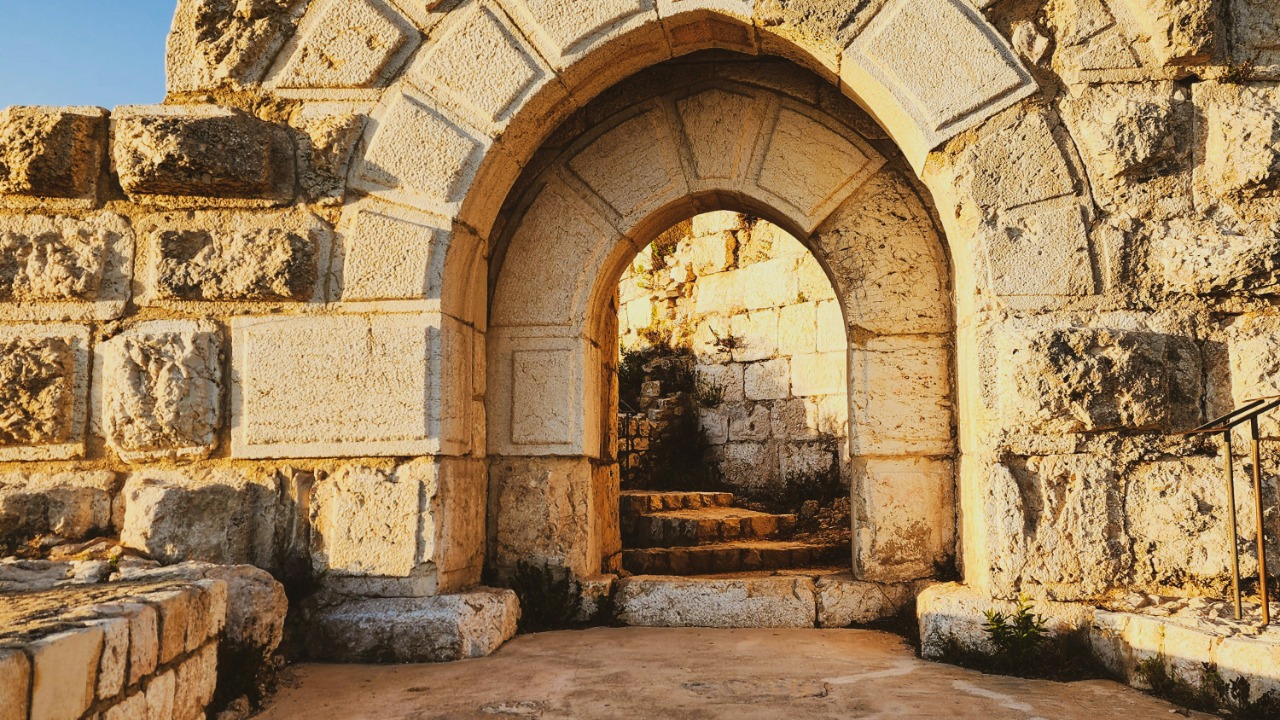
The site known as the ‘Gates of Hell’ has long been a subject of fascination due to its historical significance and the myths surrounding it. Located in a remote region, the area has been associated with ancient legends that speak of a portal to the underworld. The recent archaeological expedition, which led to the uncovering of these structures, was conducted by a team of experts who meticulously surveyed the site, revealing a complex network of constructions that had remained hidden for centuries. The exact location of the site, while not disclosed in detail, is situated in a geographically challenging area, adding to the allure and difficulty of the excavation process [source].
The expedition was a significant undertaking, involving advanced technology and a dedicated team of archaeologists. Their efforts have brought to light a series of massive structures, each varying in size and complexity. The discovery has been described as one of the most significant in recent years, providing a rare glimpse into the architectural prowess of ancient civilizations. The geographical context of the site, characterized by its rugged terrain and isolation, has preserved these structures remarkably well, allowing researchers to study them in their near-original state.
The discovery process was not only a testament to modern archaeological methods but also highlighted the challenges faced by researchers working in such remote and difficult environments. The team employed cutting-edge technology, including ground-penetrating radar and aerial drones, to map the site and identify potential areas of interest before any physical excavation began. This approach minimized the risk of damaging the structures and allowed for a more comprehensive understanding of the site’s layout. The use of such technology underscores the importance of integrating modern techniques with traditional archaeological practices to uncover and preserve historical sites effectively.
The Massive Structures
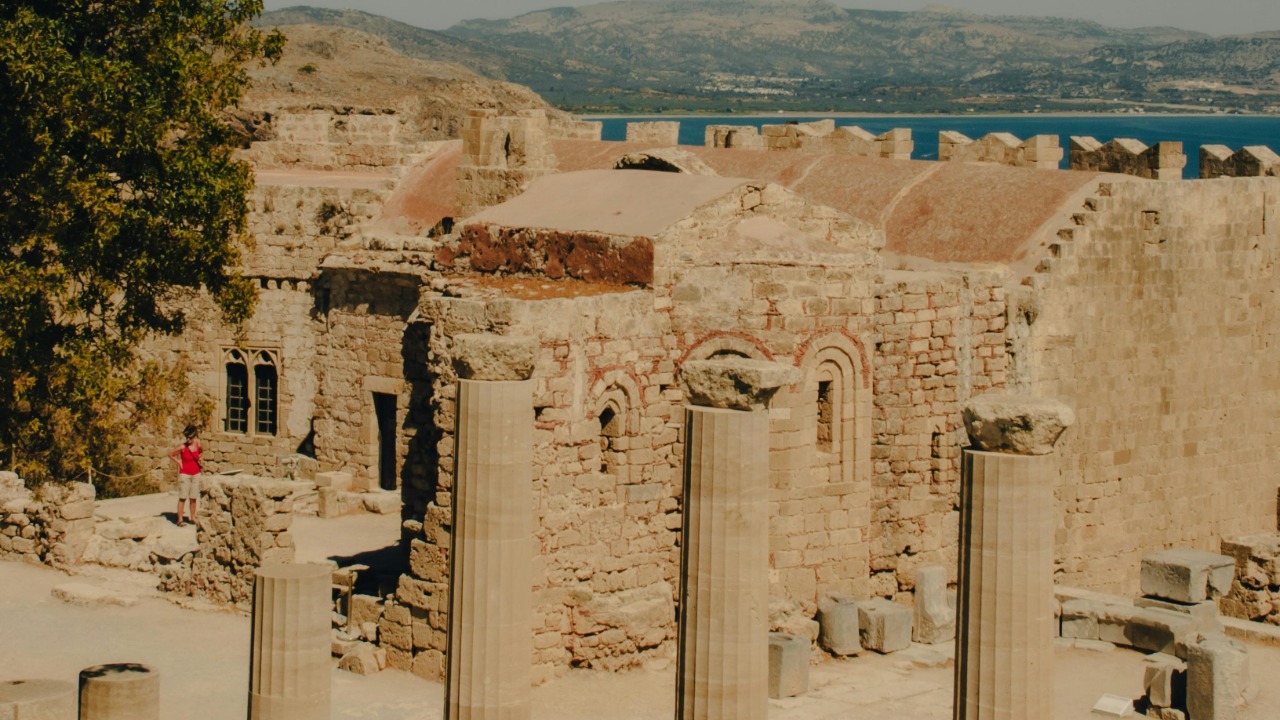
The structures uncovered at the ‘Gates of Hell’ are notable for their sheer size and the sophisticated construction techniques employed in their creation. Each structure is built with precision, utilizing materials that suggest a high level of engineering knowledge. The dimensions of these constructions vary, with some reaching impressive heights and others sprawling across vast areas. The craftsmanship evident in these structures indicates that they were of significant importance to the people who built them, though their exact purpose remains a mystery [source].
Speculations about the purpose of these structures abound, with theories ranging from religious or ceremonial uses to defensive or communal functions. Some experts suggest that the structures could have served as a form of ancient fortification, while others propose that they might have been used for astronomical observations or as part of a larger ritualistic complex. Despite these hypotheses, the true function of the structures remains elusive, prompting further investigation and debate among scholars.
In addition to their impressive size, the structures exhibit a variety of architectural styles, suggesting that they may have been constructed over several generations. This diversity in design could indicate a long-term occupation of the site, with each generation contributing to its development. The materials used in the construction, primarily local stone, were expertly shaped and fitted together without the use of mortar, demonstrating advanced masonry skills. Such craftsmanship implies a well-organized society with specialized labor forces capable of undertaking large-scale construction projects.
Unanswered Questions and Theories
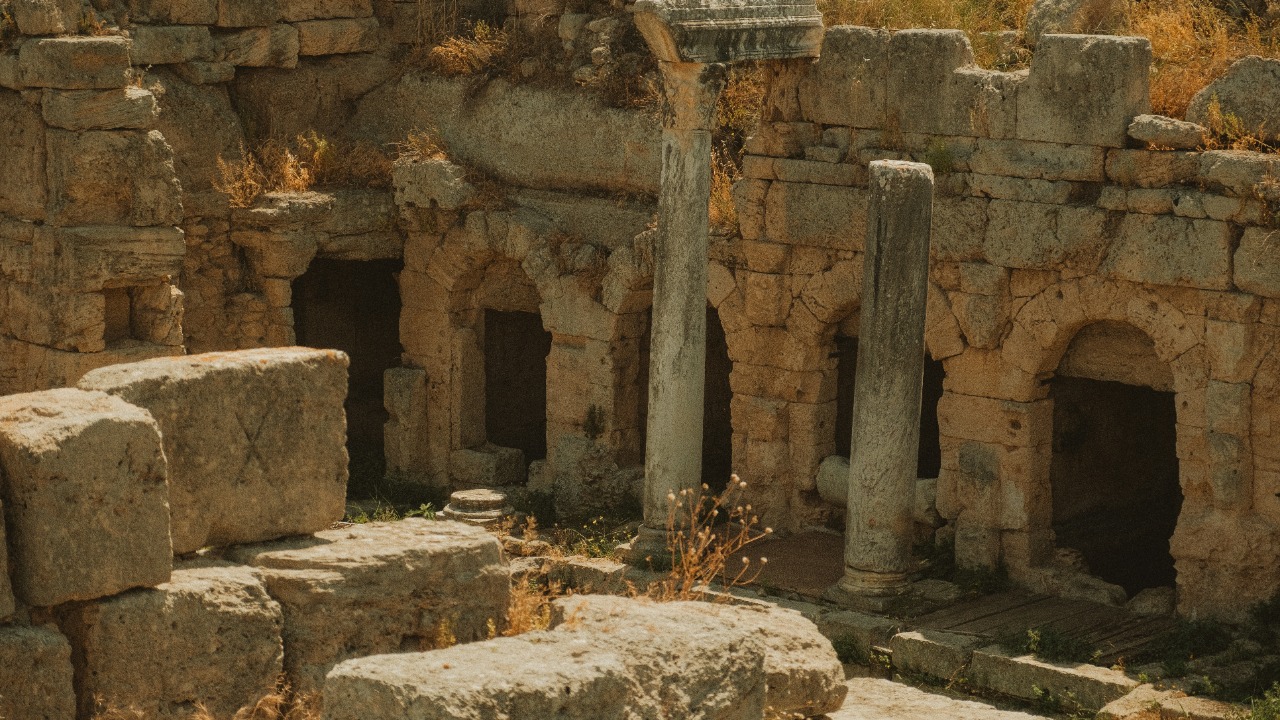
The purpose of these structures remains unknown, largely due to the lack of written records or definitive artifacts that could provide clues. Experts have expressed a range of opinions, with some suggesting that the structures might have been used for purposes that are not immediately apparent to modern observers. The absence of clear evidence has led to a proliferation of theories, each attempting to explain the enigmatic nature of the site. Some historians propose that the structures could be linked to ancient religious practices, while others believe they might have served as a hub for trade or governance [source].
Various theories have been proposed by archaeologists and historians regarding the ‘Gates of Hell’ site. Some suggest that the site could have been a place of pilgrimage, drawing people from distant regions to participate in rituals or ceremonies. Others speculate that the structures might have been part of a larger network of sites, each serving a specific function within an ancient civilization. Despite the diversity of these theories, none have been conclusively proven, leaving the true purpose of the site an open question.
One intriguing theory posits that the site could have served as an astronomical observatory, with the structures aligning with celestial events such as solstices or equinoxes. This hypothesis is supported by the precise orientation of some structures, which may have been used to track the movement of stars and planets. If true, this would suggest that the builders possessed a sophisticated understanding of astronomy, which could have played a significant role in their cultural and religious practices. Further research into this possibility could provide valuable insights into the intellectual achievements of ancient societies.
The Impact of the Discovery
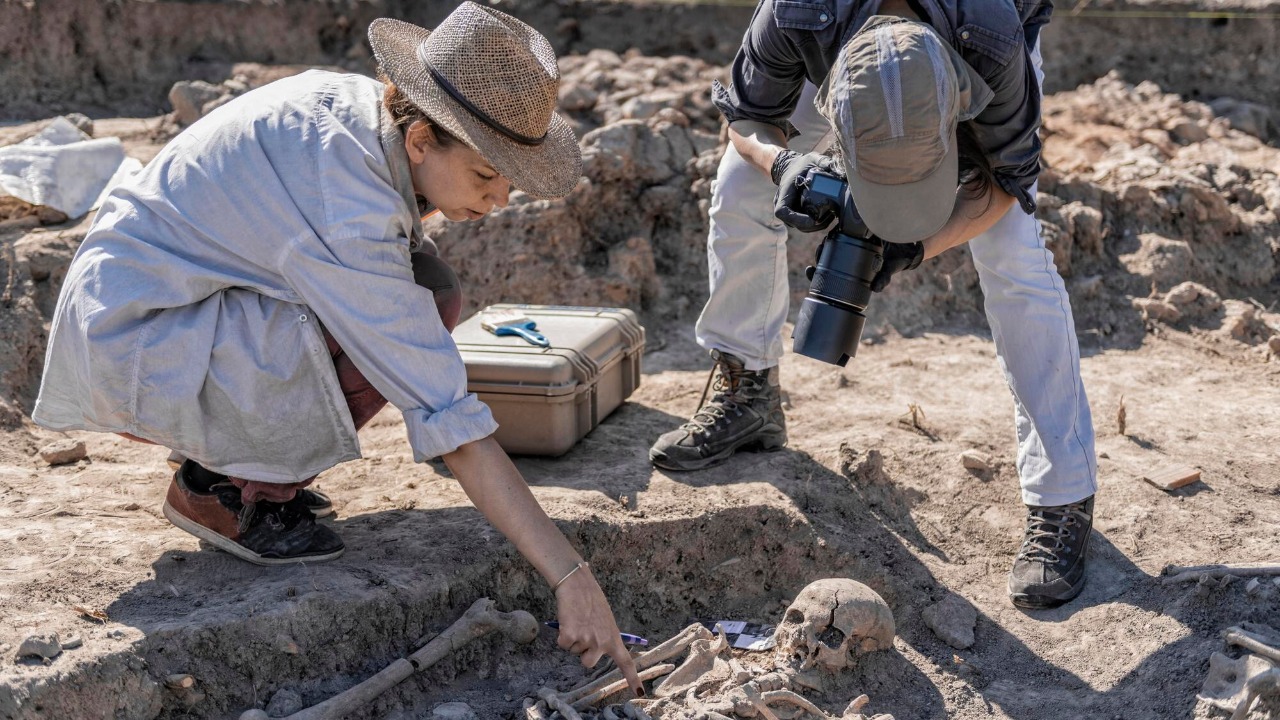
This discovery has significant implications for our understanding of the area and its historical context. The structures provide valuable insights into the architectural and engineering capabilities of ancient civilizations, challenging previous assumptions about their technological advancement. The findings also highlight the cultural and historical importance of the region, offering a new perspective on the societies that once thrived there. As researchers continue to study the site, they hope to uncover more information that could shed light on the people who built these impressive structures [source].
Potential future research directions include detailed analysis of the construction materials and techniques used in the structures, as well as further exploration of the surrounding area to identify any additional sites of interest. These efforts could reveal more about the builders and their society, providing a clearer picture of the historical landscape. As archaeologists continue their work, the ‘Gates of Hell’ promises to remain a focal point of intrigue and discovery, offering endless possibilities for new insights and revelations.
