In our increasingly digital world, the emergence of applications designed to detect and track micro-expressions is gaining momentum. These innovative tools have the potential to radically transform interpersonal communication, social interaction, and even healthcare.
Understanding Micro-expressions and Their Significance

Micro-expressions are fleeting, involuntary facial expressions that convey emotional states. As Humintell explains, these brief expressions, often lasting just a fraction of a second, can reveal genuine emotions that people might be trying to hide. Their significance in human communication cannot be overstated; they provide a window into a person’s inner emotional world, often betraying their true feelings before they have a chance to consciously control them.
Interestingly, research has shown that facial expressions and their meanings have a degree of universality. A study revealed that 16 facial expressions overlap in 70 different social contexts globally, suggesting a common thread in how humans across cultures express emotion. This universality makes micro-expressions a powerful tool in understanding human emotions beyond language barriers.
The Rise of Micro-Expression Tracking Apps

The market for apps that track micro-expressions is growing at an impressive rate. Two popular options that have gained traction are VmagicMirror and Hana App. These apps leverage advanced technology to interpret micro-expressions, providing users with a deeper understanding of their emotional states.
For instance, VmagicMirror offers full facial tracking for virtual reality gaming, providing an immersive experience for gamers. Meanwhile, Hana App delivers a similar service, with a focus on social media applications. These apps are finding utility in a range of fields, from gaming and virtual reality to social media and healthcare, demonstrating their versatility and wide-ranging potential.
Implications of Micro-Expression Tracking Technology
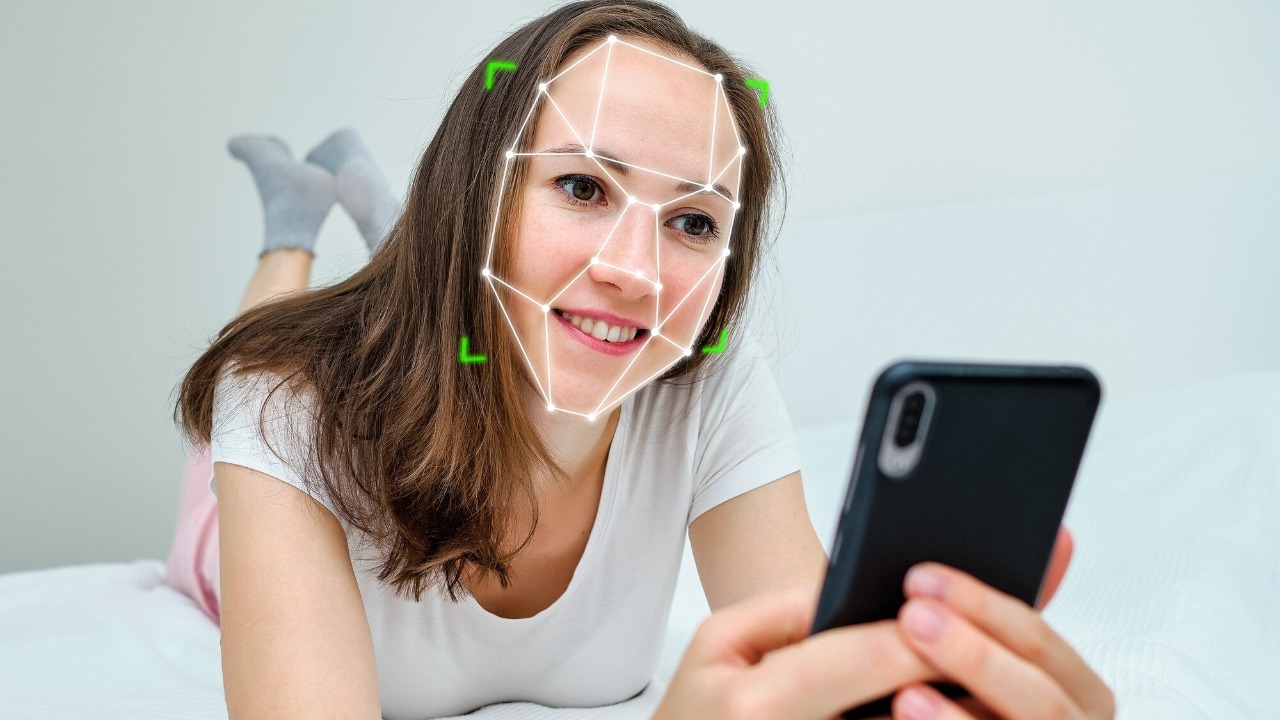
Micro-expression tracking technology offers numerous potential benefits. By improving our understanding of emotions, it can enhance interpersonal communication. In the healthcare sector, it could be instrumental in early detection of health issues, such as neurological disorders that might impact facial expressivity.
However, this technology also raises serious concerns about privacy and manipulation. As these apps become more prevalent, there’s a risk that they could be misused to invade personal privacy or manipulate people’s emotional states for malicious purposes. This highlights the need for careful ethical considerations and regulation to ensure these apps are used responsibly and ethically.
Addressing Misinformation and Concerns

Despite the potential benefits of micro-expression tracking apps, there’s a considerable amount of misinformation and concern surrounding them. Doubts about their accuracy and reliability are common, with some people questioning whether these apps can truly interpret complex human emotions.
Furthermore, social media misinformation can distort public perception of these apps. For example, Stat News reports on how social media misinformation can have significant impacts on healthcare perceptions. It’s crucial for consumers to critically evaluate these apps and their claims, and to rely on credible sources for information.
The Future of Micro-Expression Tracking Apps

The field of micro-expression tracking technology is ripe for future advancements. With the growing influence of artificial intelligence and machine learning, there’s a potential to enhance the accuracy and effectiveness of these apps. These technologies could allow for sophisticated analysis of micro-expressions, enabling us to better understand and interpret human emotions.
However, there are also challenges to consider. Ensuring the privacy and ethical use of this technology is paramount, as is improving the accuracy of these apps. The future of micro-expression tracking apps is promising, but it requires careful navigation to ensure they’re used responsibly and effectively.
