In today’s interconnected world, smart home technology offers convenience and efficiency. However, this convenience can also come with potential vulnerabilities. As our homes become smarter, the risk of apps hacking into our smart devices increases. Being aware of these risks can help you take steps to protect your home. Here are eight types of apps that could be hacking your smart home.
Voice-Activated Assistant Apps
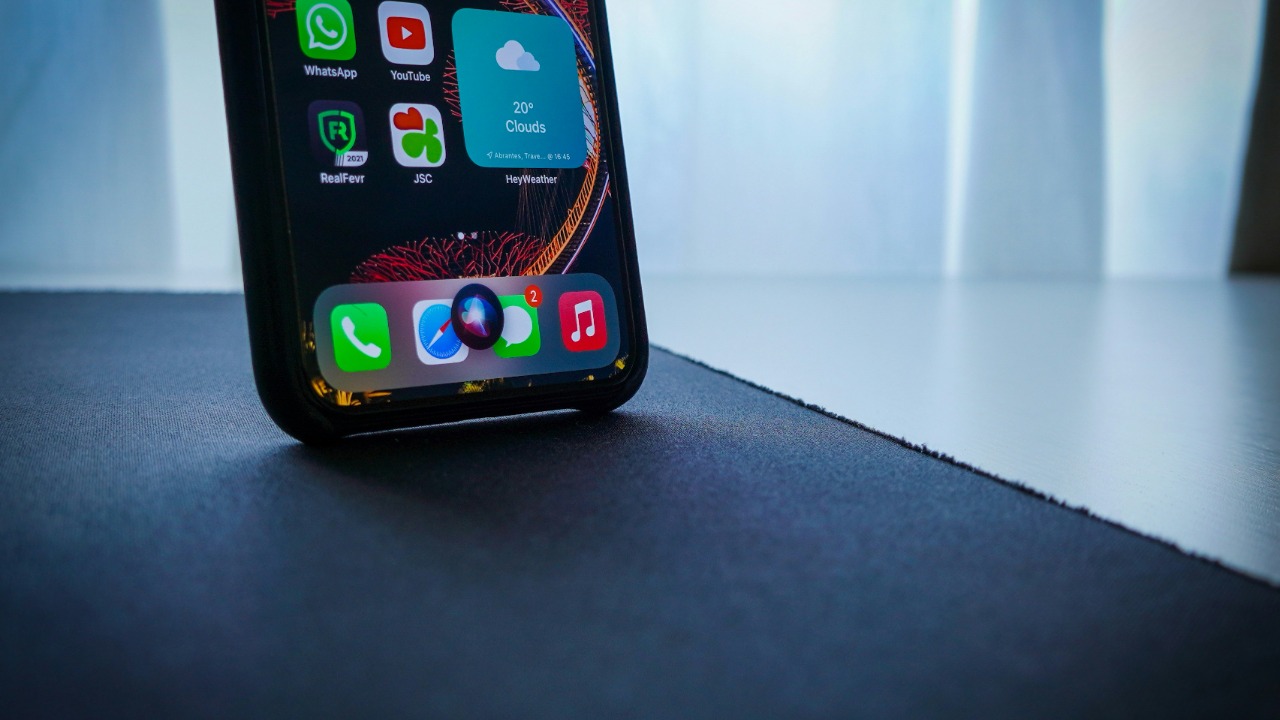
Voice-activated assistants like Amazon Alexa, Google Assistant, and Apple’s Siri have become integral to smart home systems. While these assistants offer convenience, they can also pose security risks if not configured properly. Unauthorized users could potentially access your smart home devices through these assistants, especially if they are linked to multiple devices.
Ensuring that your voice-activated assistant is secure involves setting up voice recognition and using strong passwords. Additionally, regularly reviewing the privacy settings and logged voice commands can help you keep track of any unusual activities. Always update your devices to the latest firmware to patch any security vulnerabilities.
Smart Lighting Control Apps
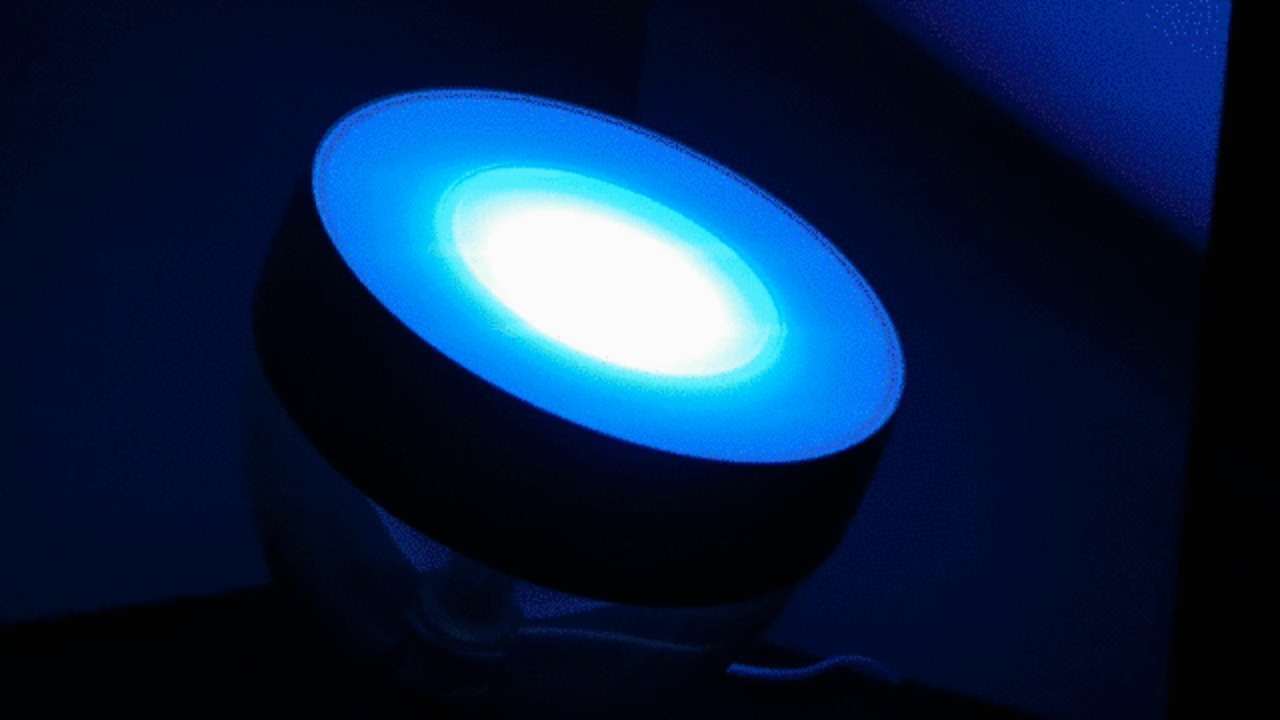
Smart lighting systems, such as Philips Hue and LIFX, are controlled through mobile apps that allow users to manage lighting from anywhere. However, these apps can also be a gateway for hackers. A compromised app could give unauthorized users control over your lighting, disrupting your home environment and potentially signaling when you’re not home.
To secure your smart lighting apps, use strong, unique passwords and enable two-factor authentication when available. Regularly check for updates to ensure your app has the latest security patches. It’s also a good idea to monitor app permissions and limit them to only what’s necessary for operation.
Home Security Monitoring Apps
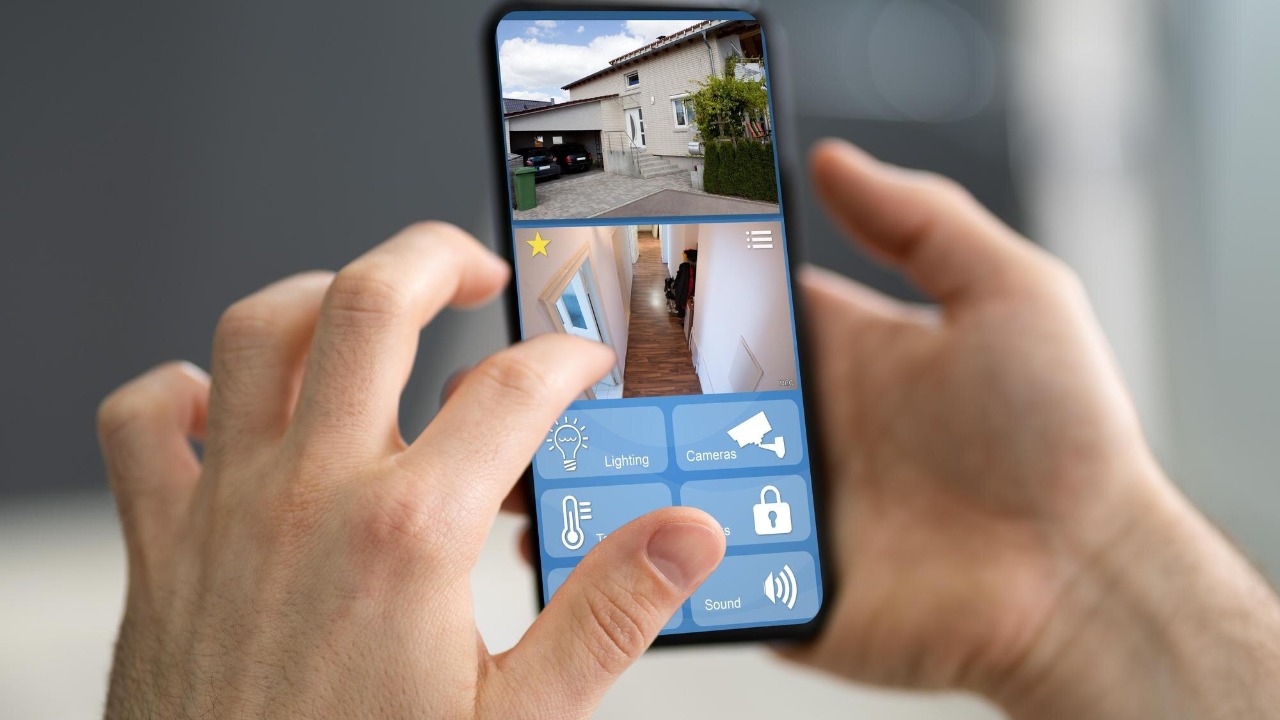
Home security systems from companies like Ring and Arlo are popular for protecting homes. However, the apps that manage these systems can be targets for hackers. If compromised, these apps could provide intruders with access to your security cameras and alarm systems, potentially rendering them ineffective.
Protect your home security monitoring apps by using robust passwords and enabling two-factor authentication. Regularly updating your apps and devices ensures they have the latest security features. Be cautious about sharing access with others and routinely review your account activity for any unauthorized access.
Smart Thermostat Control Apps
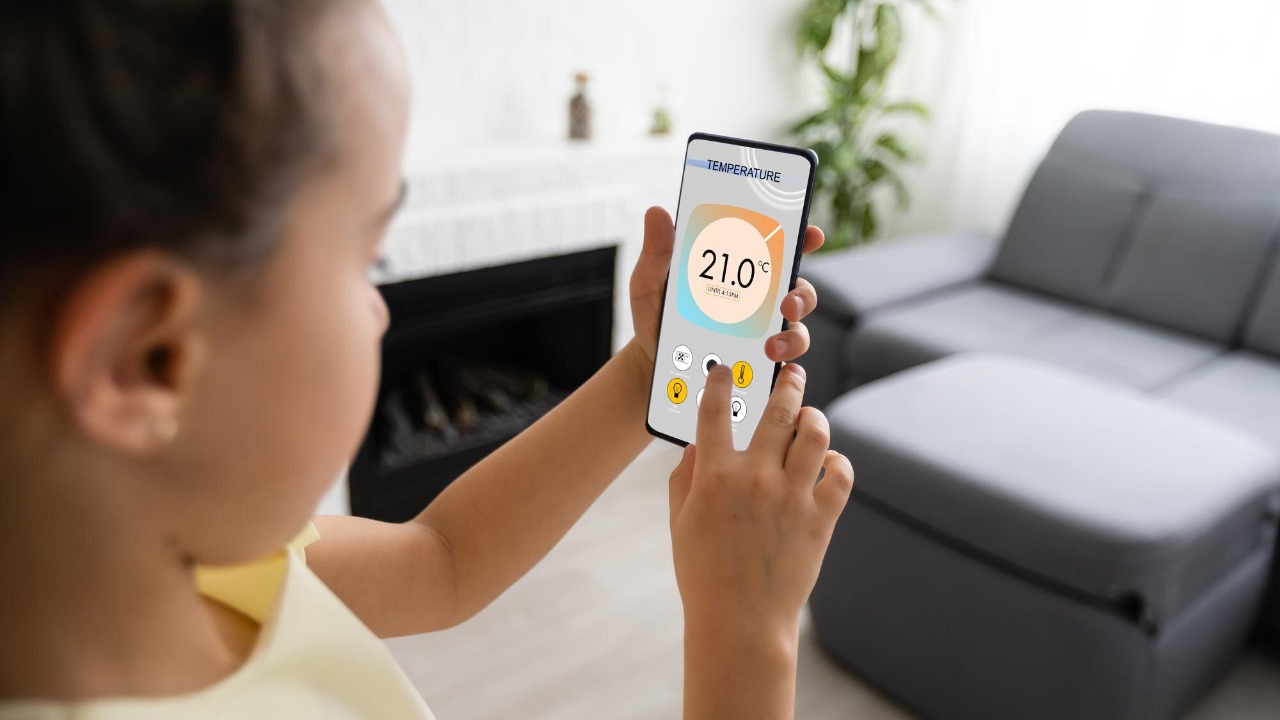
Smart thermostats like Nest and Ecobee allow users to control home temperatures remotely. However, these apps can also be a potential entry point for hackers. If accessed, a hacker could manipulate your home’s temperature settings, leading to discomfort and increased energy costs.
To safeguard your smart thermostat, ensure your app is protected with a strong password and consider enabling biometric authentication if available. Regularly update your thermostat’s firmware and review the app’s security settings to keep your system secure.
Remote Door Locking Apps
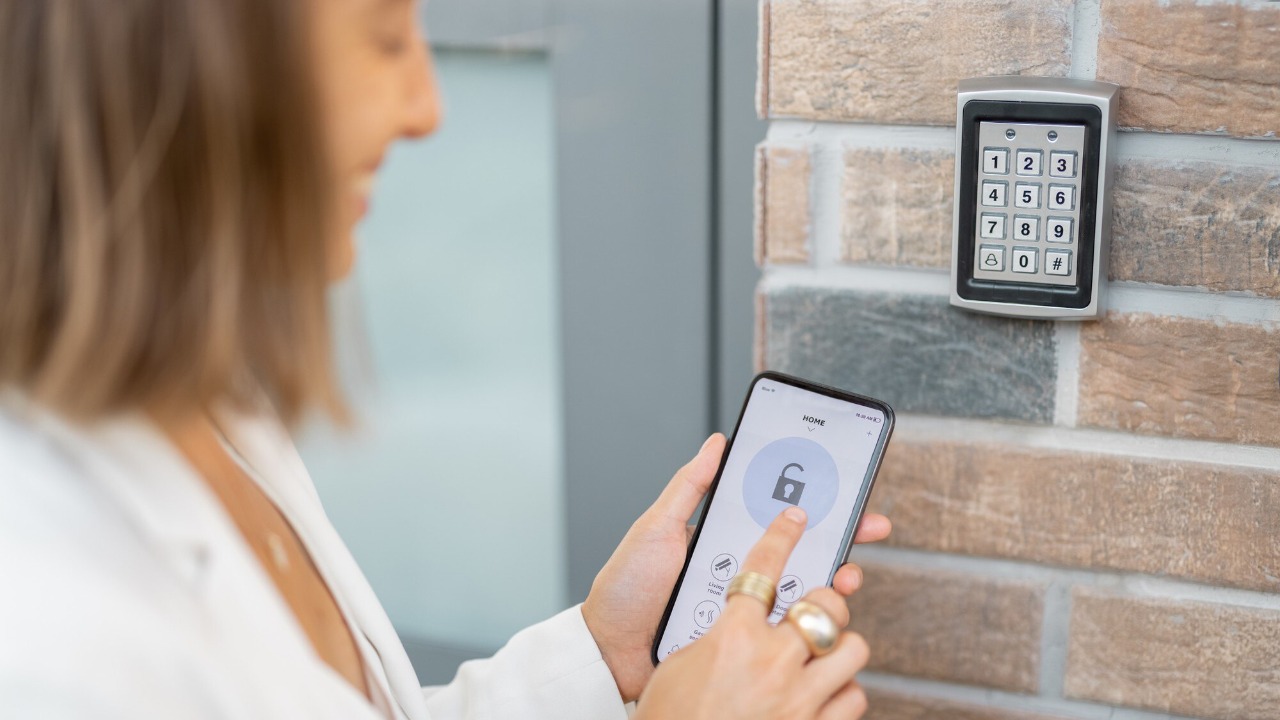
Smart locks, such as August and Yale, provide convenience by allowing users to control door locks via an app. However, these apps could be vulnerable to hacking, potentially allowing unauthorized access to your home. It’s crucial to secure your remote door locking apps to prevent such breaches.
Use strong, unique passwords for these apps and enable features like two-factor authentication. Regularly update the app and firmware to ensure the latest security measures are in place. Consider setting up notifications for lock and unlock events to monitor access to your home.
Smart Appliance Management Apps
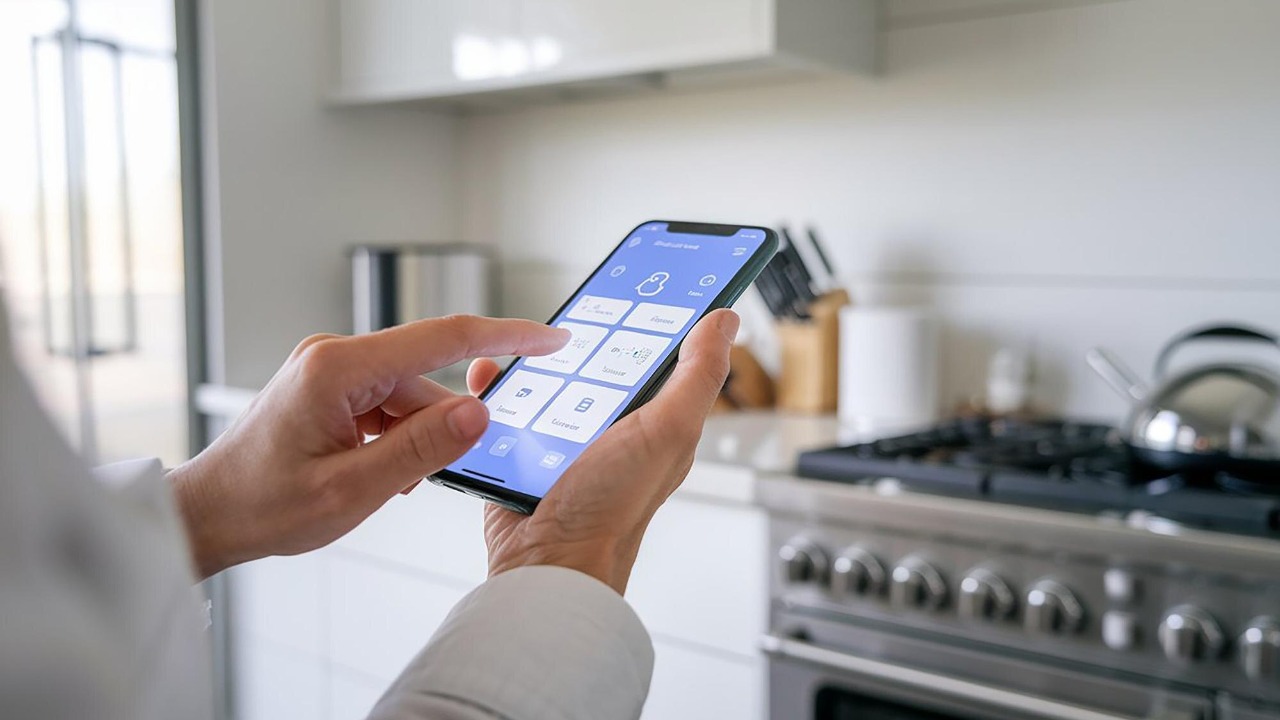
Apps that manage smart appliances, including refrigerators, ovens, and washing machines from brands like Samsung and LG, offer convenience but also pose security risks. If hacked, these apps could allow unauthorized control over your appliances, leading to potential disruptions or damage.
To protect your smart appliances, use strong passwords and keep your apps up to date. Limit app permissions to only what’s necessary and regularly review your account activity for any suspicious behavior. Consider placing your smart appliances on a separate network from your main devices for added security.
Universal Smart Home Hubs
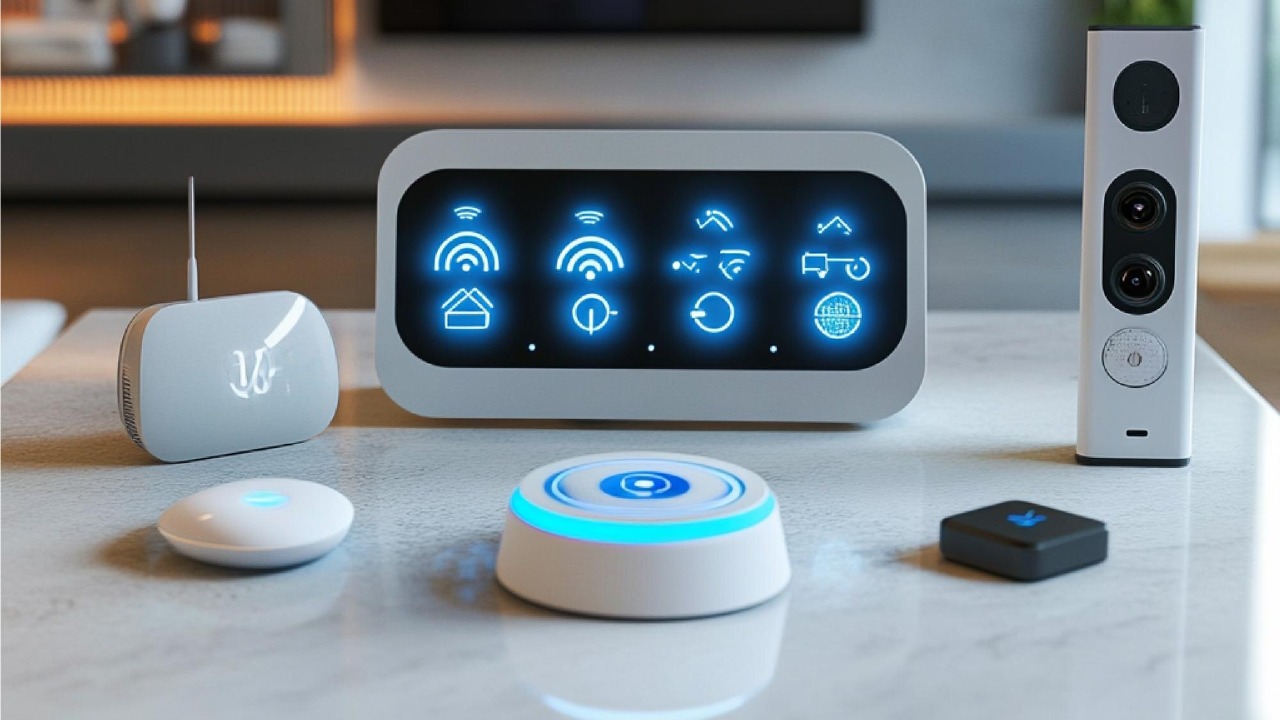
Universal smart home hubs like SmartThings and Wink centralize control of multiple smart devices. While they offer convenience, they can also create a single point of vulnerability. If a hub app is compromised, it could potentially give hackers access to all connected devices.
Secure your smart home hub by using strong passwords and enabling two-factor authentication. Keep your hub’s firmware updated and regularly review your connected devices and app permissions. By doing so, you can minimize the risk of unauthorized access to your smart home.
Smart Home Surveillance Apps
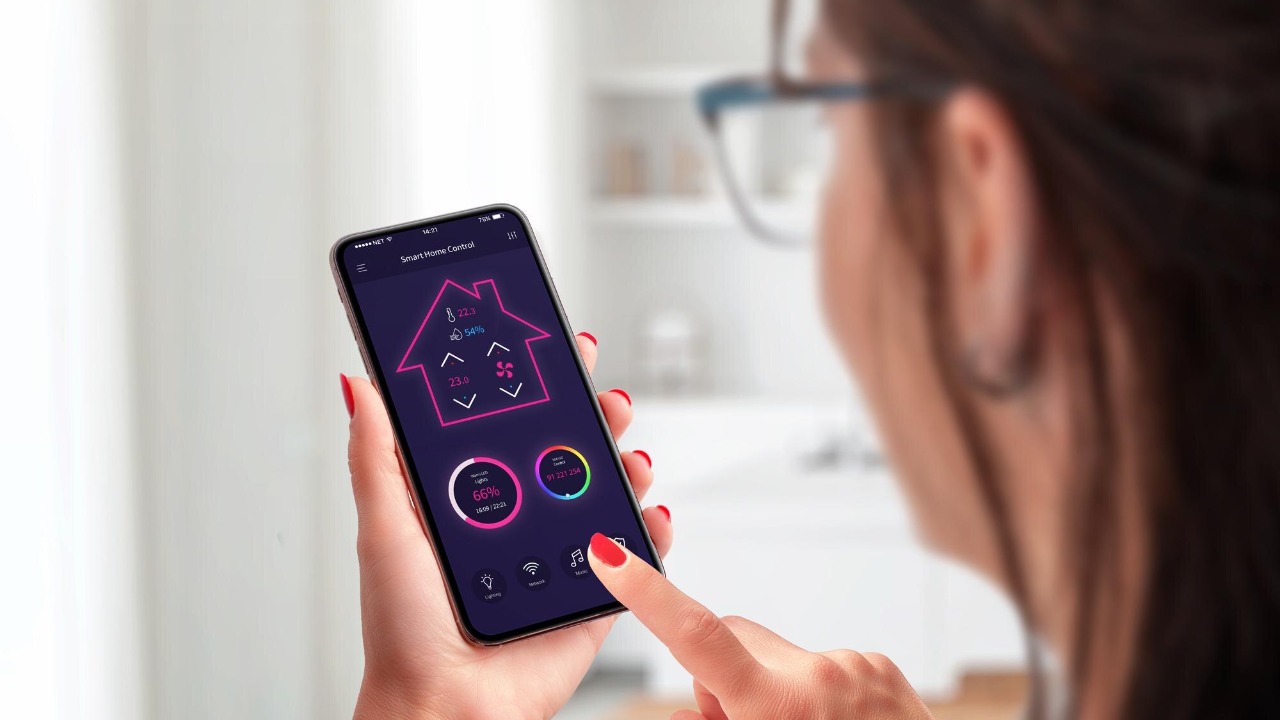
Surveillance cameras from companies like Nest and Wyze help monitor your home, but their apps can be a target for hackers. A compromised app could provide outsiders with access to your cameras, compromising your privacy and security.
To secure your surveillance apps, use strong, unique passwords and enable two-factor authentication. Keep your apps and camera firmware updated to the latest versions. Regularly review app permissions and account activity to ensure there are no unauthorized logins or access.
