
In recent years, concerns about digital privacy have intensified as numerous apps have been banned for clandestine data collection. These banned applications have been caught siphoning personal information, often without user consent, leading to severe privacy breaches. Below, I explore nine apps that faced the axe after being exposed for spying on millions of unsuspecting users.
Cocospy
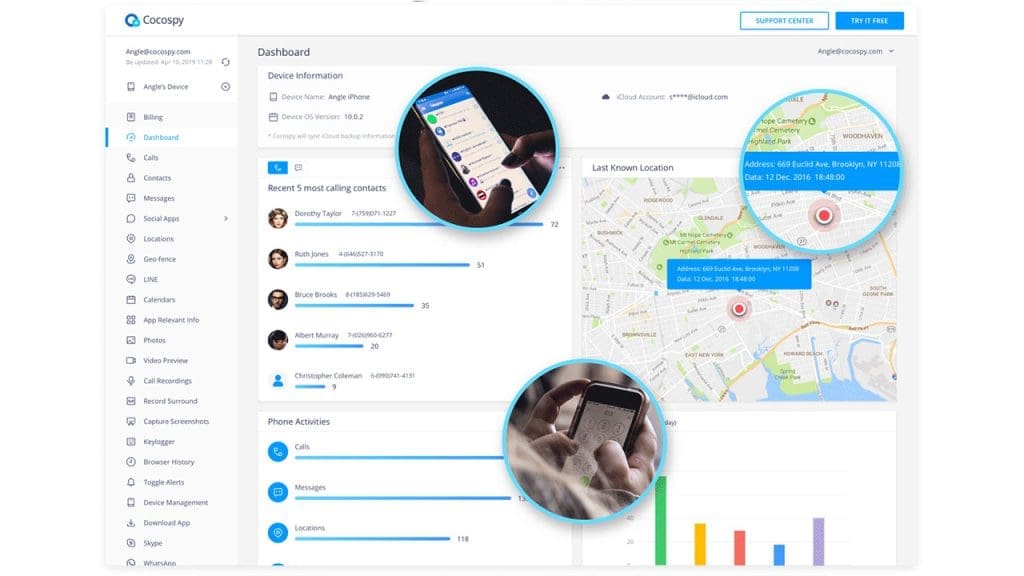
Cocospy, a notorious app commonly labeled as stalkerware, was recently taken offline after a massive data breach. This app was designed to monitor calls, messages, and locations, primarily targeting unsuspecting users. As detailed in a TechCrunch article, Cocospy became infamous for its invasive monitoring capabilities, posing significant privacy concerns.
Despite its controversial functionality, Cocospy was widely used by individuals seeking to track others without their knowledge. Its removal has been a significant victory for privacy advocates who continue to push for stricter regulations on such invasive technologies.
ToTok

ToTok, a messaging app that gained popularity for its simplicity and ease of use, was banned after being exposed as a tool for government surveillance. Reports revealed that it was used to spy on conversations, locations, and other personal data. This revelation led to its prompt removal from app stores.
Despite its initial appeal as a free communication tool, ToTok’s true purpose as a surveillance instrument led to widespread distrust and concern over the app’s deceptive practices. Its ban highlights the growing need for vigilance in app permissions and privacy settings.
CamScanner

CamScanner, a widely used document scanning app, was removed from the Google Play Store after it was found to contain malicious code. This code enabled unauthorized access to user data, turning what seemed like a harmless productivity tool into a potential security threat.
Although CamScanner has since been reinstated with a clean version, the incident served as a stark reminder of how even legitimate apps can be compromised. The app’s temporary ban underscores the importance of regular security audits and updates to ensure user safety.
Peel Smart Remote

Peel Smart Remote, an app designed to turn smartphones into universal remotes, was banned after users reported excessive data collection and intrusive ads. The app’s aggressive monetization strategies and privacy violations led to widespread criticism and its eventual removal from app stores.
Despite its innovative functionality, Peel Smart Remote’s downfall was a direct result of its invasive data practices. The app’s ban serves as a cautionary tale for developers balancing monetization with user privacy.
Clean Master

Clean Master, a popular app claiming to optimize smartphone performance, fell under scrutiny for collecting excessive user data. The app’s deceptive practices included misleading advertising about its capabilities, leading to its ban from app stores.
The Clean Master case reflects a broader issue in the app industry, where performance-enhancing claims often mask intrusive data collection. The app’s removal highlights the importance of transparency in data handling and user consent.
SuperVPN

SuperVPN, a widely downloaded virtual private network app, was banned after it was discovered to be a potential risk for user data theft. Reports indicated that the app could expose user data to third parties, undermining the very privacy it promised to protect.
This incident emphasizes the importance of choosing reliable VPN services, as discussed in Tom’s Guide. Users must exercise caution and conduct thorough research before entrusting apps with sensitive information.
Weather Forecast – World Weather Accurate Radar
This weather app, once trusted by millions for its accurate forecasts, was banned after being caught using excessive background data. It was discovered that the app collected and transmitted user location data without consent, raising significant privacy concerns.
The app’s removal serves as a reminder that even seemingly benign apps can pose privacy risks. Users should remain vigilant, reviewing app permissions and opting for alternatives with transparent data policies.
Gallery Vault
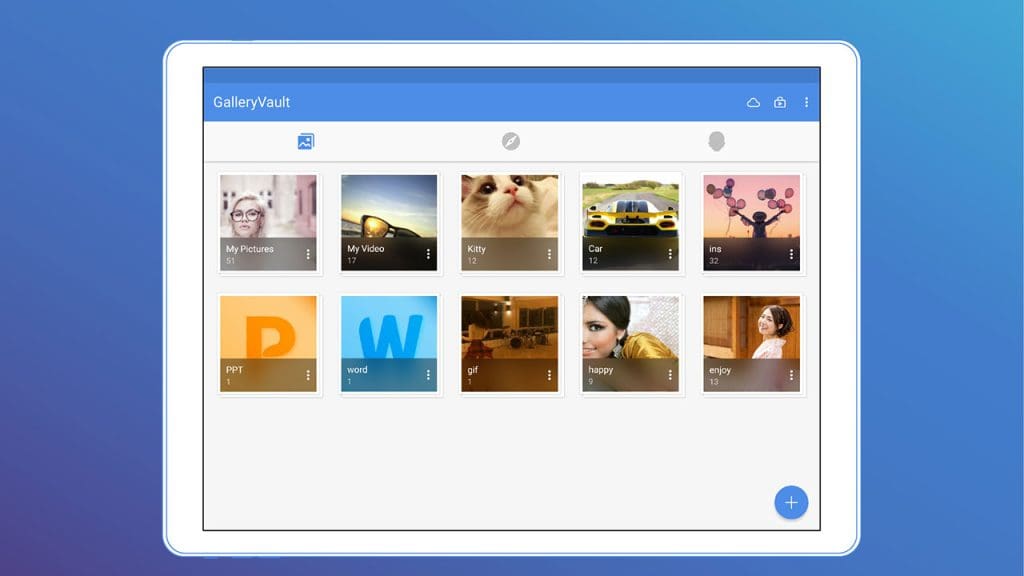
Gallery Vault, an app designed to hide photos and videos, was banned due to security vulnerabilities that allowed unauthorized access to stored media. The app’s flawed encryption methods led to its removal, highlighting the critical importance of robust security features.
For users seeking privacy solutions, the Gallery Vault incident underscores the need for choosing apps with proven security credentials. As privacy concerns grow, developers must prioritize user trust by implementing stringent security measures.
Meitu

Meitu, a popular photo editing app known for its beautification features, faced backlash after it was discovered collecting extensive user data. The app’s privacy policy, which allowed for comprehensive data harvesting, led to its ban in several regions.
This case highlights the ongoing tension between app functionality and privacy. Users must be aware of the data they are sharing, as detailed in a report by West Point, and developers need to ensure that privacy is not compromised for enhanced features.
