
Apple is set to revolutionize the smartphone experience by introducing a cutting-edge holographic effect to its iPhones. This move is not just about aesthetics; it offers a significant insight into the tech giant’s future direction, hinting at a broader strategy that encompasses augmented reality and spatial computing.
The Evolution of iPhone Displays
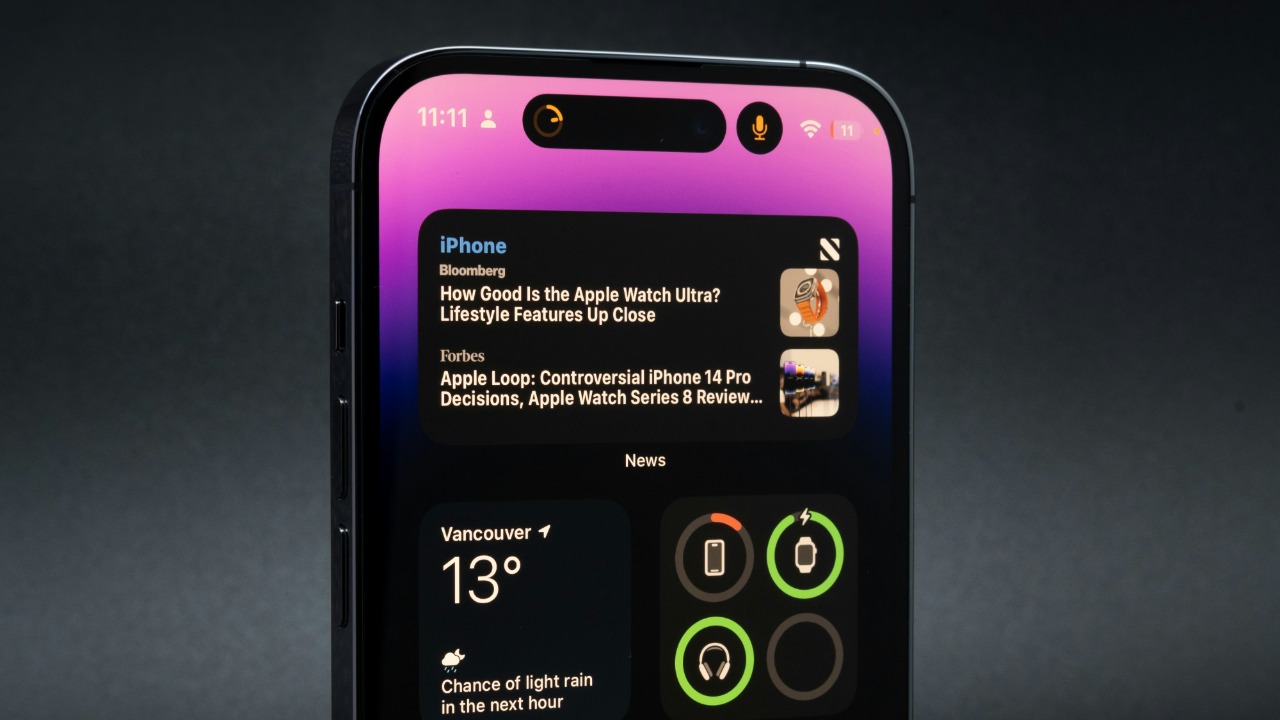
The iPhone display has undergone remarkable transformations since the device’s initial release. From the introduction of the Retina display that set a new standard for pixel density to the dazzling Super Retina and Super Retina XDR displays, Apple has continually pushed the boundaries of visual technology. The transition to OLED technology further enhanced color accuracy and contrast, culminating in the introduction of ProMotion, which provides a smoother and more responsive touch experience. These advancements have laid the groundwork for the integration of holographic effects, making the seemingly futuristic technology a reality.
The technical innovation behind the holographic effect is both intricate and groundbreaking. By leveraging advanced light field technology, Apple can create three-dimensional images that appear to float above the screen. This is not just about hardware; the software plays a crucial role in rendering these effects seamlessly. The synergy between hardware and software ensures that users experience the holographic visuals as an integral part of their interaction with the device, enhancing both functionality and aesthetics.
The Strategic Implications for Apple

Apple’s move towards integrating holographic technology aligns with its long-term vision of augmented reality (AR). The holographic effect is a step towards a more immersive AR experience, complementing products like the Vision Pro headset and other spatial computing developments. By embedding AR capabilities into the iPhone, Apple is not just enhancing its existing product line but also paving the way for future innovations in how users interact with digital content in the physical world.
This strategic direction also bolsters Apple’s market positioning, setting it apart from competitors in the crowded smartphone market. The holographic effect offers a unique selling proposition, potentially reshaping consumer expectations and driving market trends. As analysts observe, this could lead to increased user engagement, as the novelty and utility of holographic visuals capture consumer interest, fostering brand loyalty and driving sales.
Potential Applications and User Experience

The introduction of holographic effects promises to transform everyday smartphone interactions in profound ways. Imagine enhancing FaceTime calls with 3D avatars that provide a more lifelike presence, or playing games where characters and environments extend beyond the screen into your living space. Multimedia experiences, such as watching videos or browsing photos, become more immersive, with content appearing in three dimensions, enriching the overall experience. Moreover, productivity tools and creative applications could leverage holographic visuals to present data in more intuitive and engaging ways.
However, with innovation comes the challenge of user adoption. As with any new technology, there is a learning curve associated with holographic features. Users may need time to adjust to these new interactions, and Apple will need to address potential concerns around battery life and device performance. Ensuring that the holographic effects do not compromise the overall user experience will be crucial for widespread acceptance and success.
Industry Reactions and Future Prospects
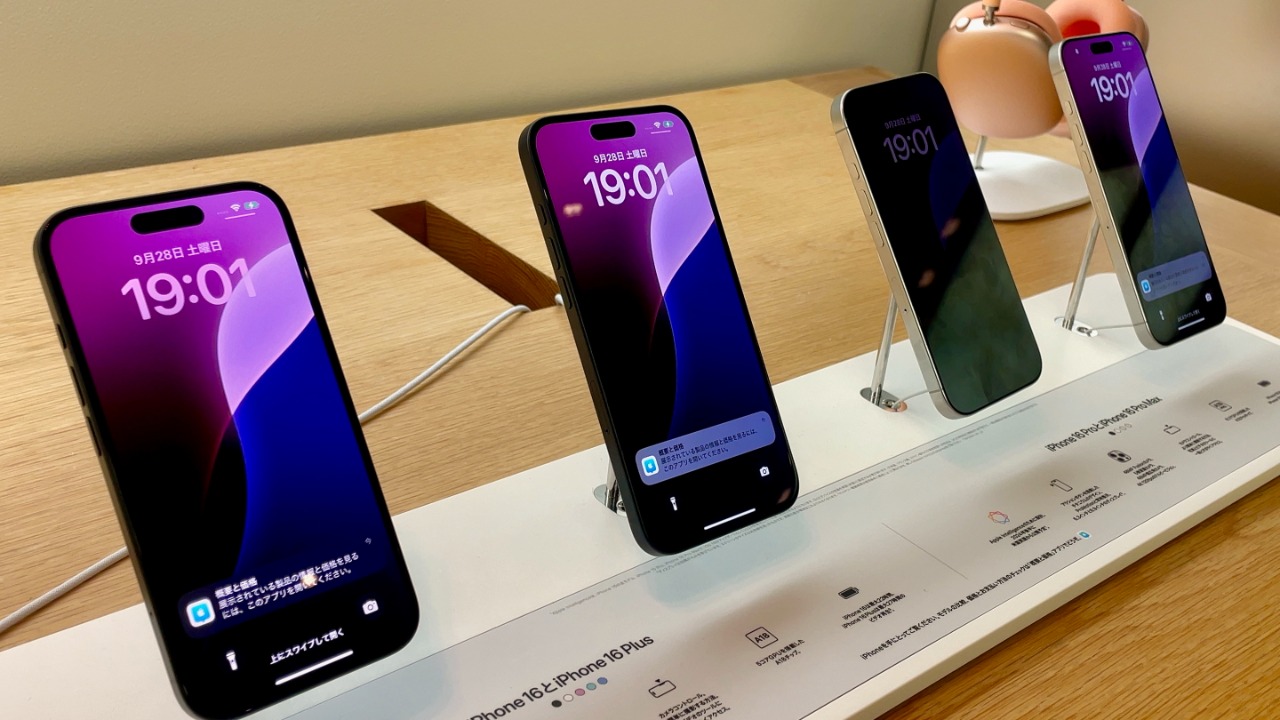
Initial industry feedback on Apple’s holographic ambitions has been largely positive, with tech analysts praising the potential for innovation and differentiation in the market. Industry insiders note that Apple’s approach to holography is consistent with its track record of integrating cutting-edge technologies into consumer-friendly formats. Comparisons with other emerging technologies highlight the unique value proposition that holographic effects bring to the iPhone, setting a benchmark for competitors to follow.
Looking ahead, the potential for widespread adoption of holographic technology in smartphones seems promising. As Apple continues to refine and expand its offerings, the impact on the smartphone industry could be profound, driving new developments in content creation, application design, and user interaction. The integration of holographic technology may well mark the beginning of a new era in mobile computing, with Apple leading the charge in redefining how we experience digital content.
