Apple has recently secured a patent for a neural interface technology that promises to revolutionize how users interact with their devices. By leveraging brain-computer interface (BCI) technology, this innovation could enable users to control their devices with mere thoughts, offering unprecedented ease and accessibility. The implications of Apple’s latest venture into neurotechnology could significantly impact the consumer tech landscape.
The Science Behind Neural Interfaces
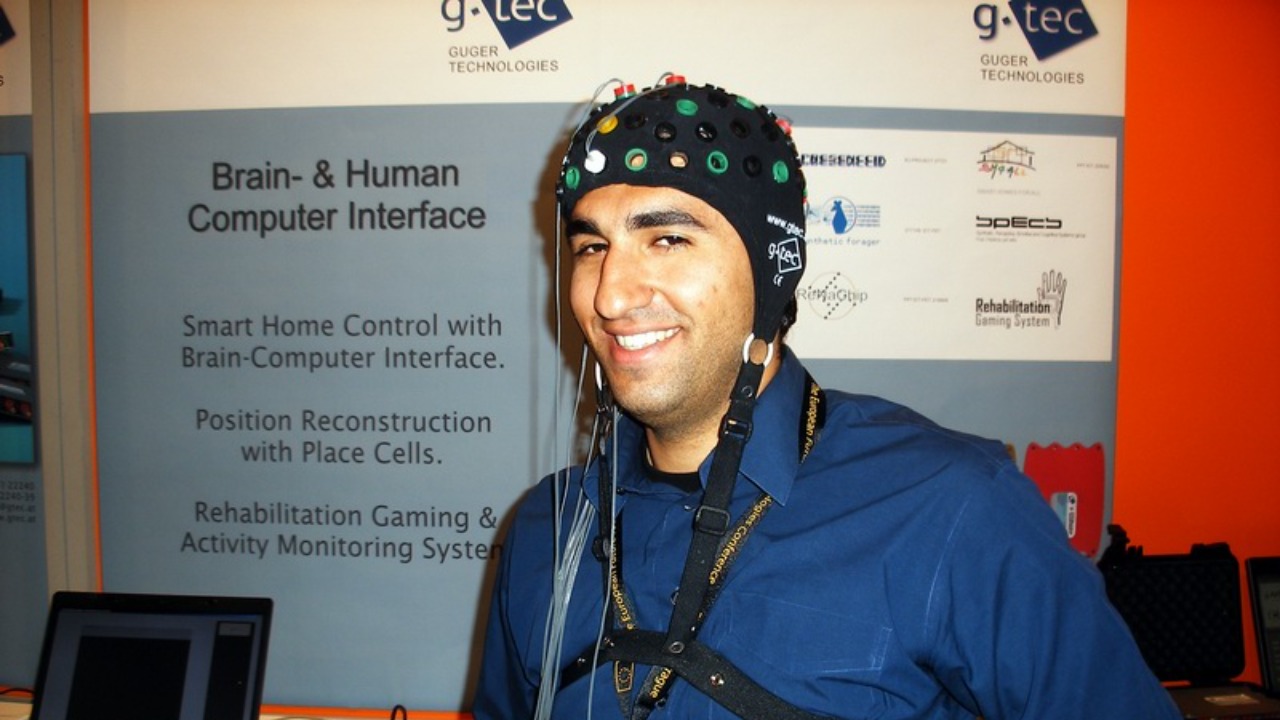
Brain-computer interface (BCI) technology represents a groundbreaking advancement in how humans can interact with machines. BCIs function by interpreting brain signals and translating them into commands that a computer or device can understand. This process involves detecting electrical activity in the brain using sensors, which then transmit the data to an external device for processing. Current developments in BCI technology have predominantly focused on medical applications, such as aiding those with severe mobility impairments or neurological disorders.
The underlying neuroscience of BCIs is rooted in the brain’s ability to generate distinct electrical patterns when a person thinks or intends to perform a particular action. Researchers have made significant strides in decoding these patterns, allowing for more accurate and reliable device control. For instance, studies have shown promising results in enabling users to control prosthetic limbs or communicate via text using only their thoughts (source).
Apple’s approach to neural interface development is detailed in its recent patent, which outlines a sophisticated system for capturing and analyzing neural signals. Unlike existing BCI technologies that often require invasive procedures, Apple’s solution appears to focus on non-invasive methods, potentially increasing its appeal to a broader consumer base. By incorporating advanced signal processing algorithms and machine learning techniques, Apple’s technology aims to enhance accuracy and responsiveness, setting it apart from competitors.
Comparatively, other companies in the BCI space, such as Neuralink and Emotiv, have also made significant headway. Neuralink, for example, is known for its ambitious goals of integrating BCIs with everyday devices, although its current focus remains on medical applications. In contrast, Apple’s patent positions the company to potentially integrate BCIs into its ecosystem of consumer products, such as iPhones or Apple Watches, offering a seamless user experience.
Potential Applications in Consumer Technology
One of the most exciting prospects of neural interfaces is their potential to enhance accessibility for users with disabilities. Individuals with mobility or communication challenges could significantly benefit from thought-based control systems, which allow them to interact with devices without physical input. Apple’s collaboration with neurotechnology startup Synchron underscores this potential. By leveraging Synchron’s expertise in BCI technology, Apple aims to develop solutions that empower users with disabilities, providing them with greater independence and quality of life.
Beyond accessibility, neural interfaces could transform the user experience across a range of everyday devices. The integration of BCI technology into smartphones, wearables, and home automation systems could redefine how users interact with their environment. Imagine controlling your smart home devices, such as lights or thermostats, with a simple thought, or navigating your smartphone without lifting a finger. Such advancements could lead to more intuitive and efficient interactions, ultimately setting new standards for user expectations and convenience.
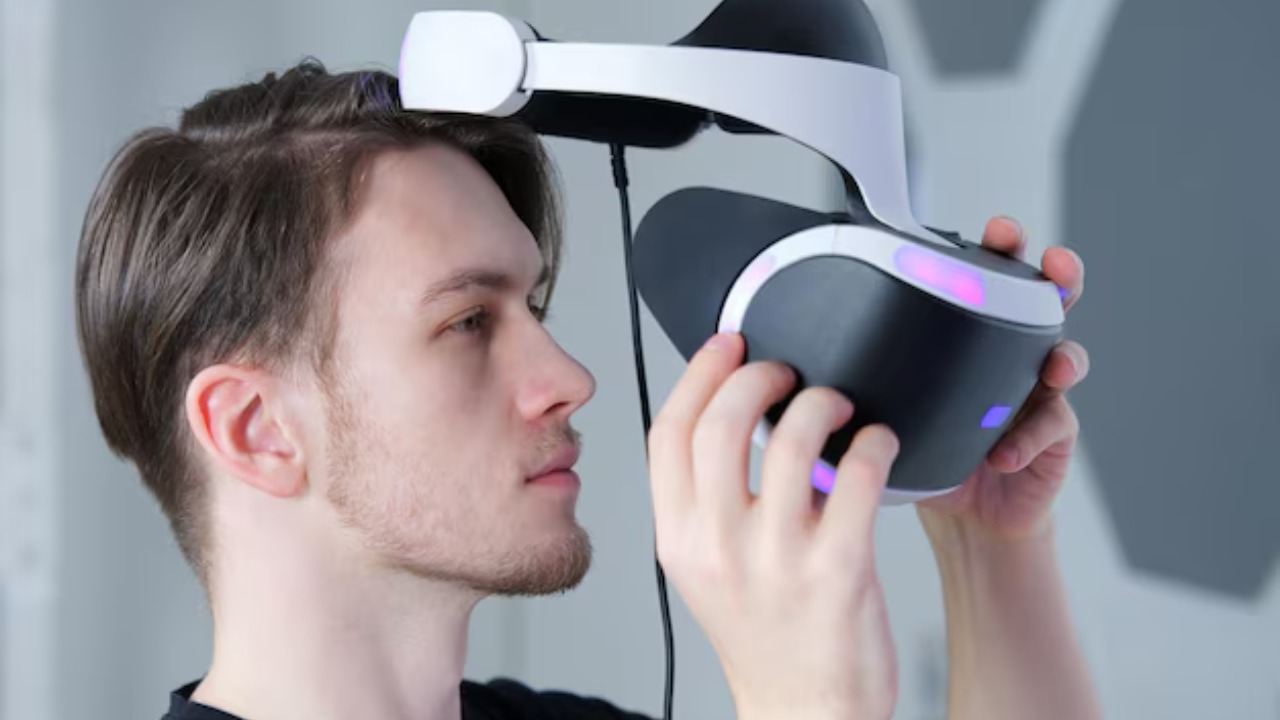
Thought-based control could also foster innovation in areas such as virtual reality (VR) and augmented reality (AR), where seamless and natural interaction is crucial. By eliminating the need for external controllers or input devices, neural interfaces could enhance immersion and user engagement in virtual environments, opening up new possibilities for gaming, education, and remote work applications.
Challenges and Ethical Considerations
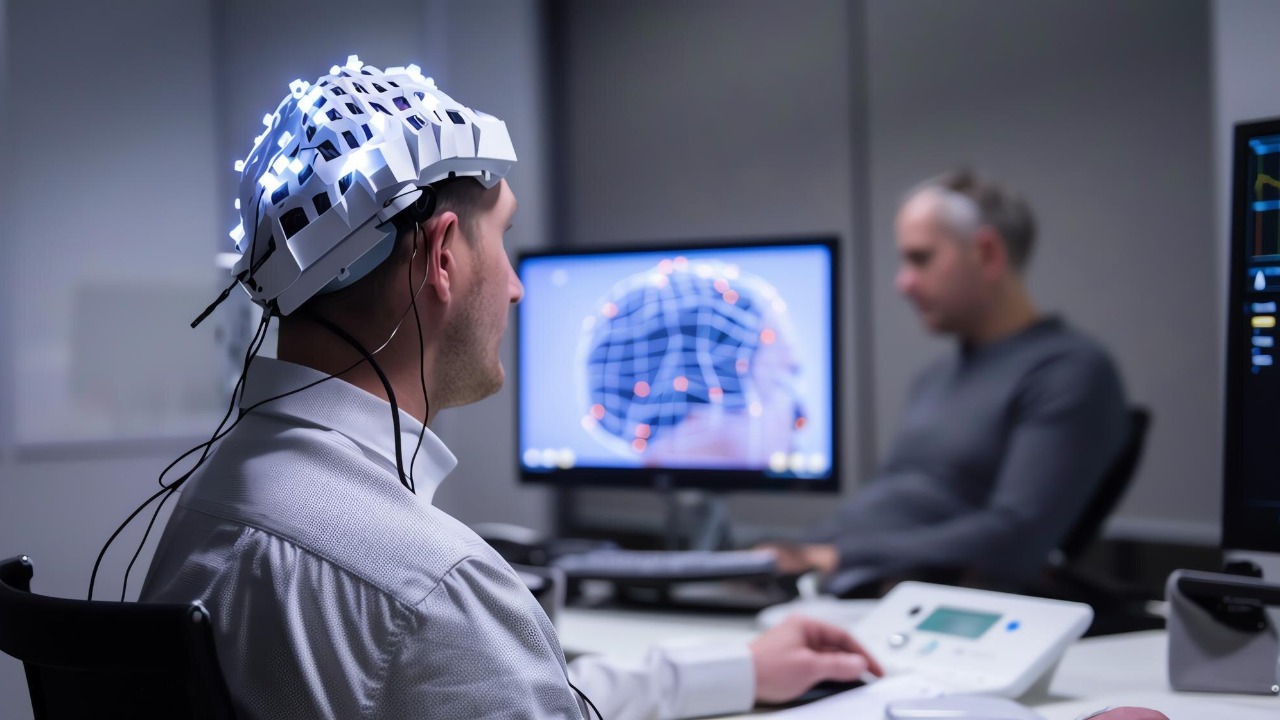
Despite the promising potential of neural interfaces, several technical and safety challenges remain. Developing a BCI that is both safe and reliable requires overcoming significant hurdles, such as minimizing signal interference and ensuring accurate interpretation of neural data. Additionally, the long-term effects of continuous brain-computer interactions are not yet fully understood, raising concerns about potential risks and safety.
Privacy and ethical implications also play a critical role in the adoption of neural interfaces. The collection and use of neural data pose significant privacy concerns, as this data can reveal sensitive information about a user’s thoughts and mental state. Ensuring robust data protection measures and transparent policies is essential to address these concerns and gain user trust. Moreover, ethical considerations surrounding cognitive surveillance and user consent must be carefully examined to prevent misuse and ensure that users retain control over their neural data.
Ethical frameworks and regulations will be necessary to guide the responsible development and deployment of neural interface technologies. Collaborative efforts between tech companies, researchers, and policymakers will be crucial in establishing guidelines that prioritize user safety, privacy, and autonomy. By addressing these challenges and ethical considerations, the industry can pave the way for the safe and beneficial integration of BCIs into everyday life.
Market Implications and Competitive Landscape
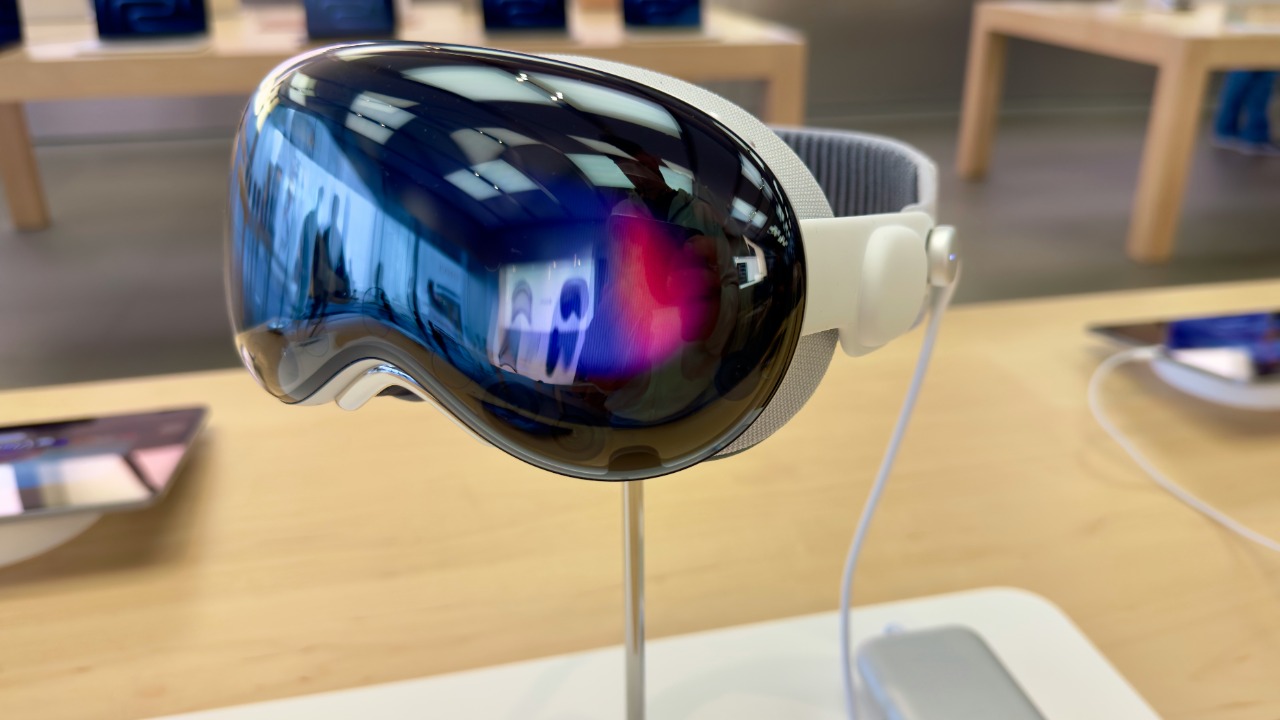
With its entry into the neurotechnology market, Apple is strategically positioned to become a leading player in the industry. The company’s reputation for innovation and its extensive ecosystem of devices and services provide a solid foundation for the successful integration of neural interfaces. Apple’s potential market share and influence within the neurotechnology sector could challenge existing competitors and drive further advancements in BCI technology.
Several other companies are also making strides in this space, each contributing unique approaches and innovations. For instance, companies like Emotiv and BrainCo are developing non-invasive BCIs aimed at both consumer and educational applications. As competition intensifies, it is likely that the industry will see rapid advancements and increased accessibility to neural interface technologies.
Financially, the adoption of neural interfaces could have a significant impact on the consumer technology market. Recent financial reports indicate a growing interest in wearable technology, with companies reporting strong sales and increased investment in research and development (source). The integration of BCI technology into wearables and other consumer devices could further drive market growth and create new economic opportunities.
Future Prospects and Innovations

The future of neural interfaces is filled with exciting possibilities, driven by ongoing research and development efforts. Researchers are exploring various aspects of brain-computer communication, from improving signal accuracy to enhancing user comfort and device portability. Potential breakthroughs in these areas could lead to more advanced and user-friendly BCIs, expanding their applications beyond current limitations.
A long-term vision for a thought-controlled ecosystem is emerging, where seamless human-device interaction becomes the norm. This vision encompasses a wide range of applications, from smart home automation to healthcare and entertainment. As neural interfaces become more integrated into everyday life, users may experience a new level of convenience and personalization, with devices that anticipate their needs and respond to their thoughts.
Apple’s role in shaping this future is significant, given its track record of innovation and market influence. By leading the charge in developing consumer-friendly BCI technologies, Apple has the potential to drive widespread adoption and set industry standards. As the company continues to invest in research and collaborate with experts in the field, the prospect of a thought-controlled ecosystem becomes increasingly tangible.
The journey towards a future where devices are controlled by thought is still unfolding, with numerous challenges and opportunities ahead. As the technology matures and becomes more accessible, it holds the promise of transforming the way we interact with the world around us, creating a more connected and intuitive digital experience for users everywhere. With companies like Apple at the forefront, the dream of seamless human-device interaction is closer to becoming a reality than ever before.
