New analysis of Apollo samples brought to Earth in 1972 has revealed exotic sulfur hidden in the Moon’s mantle, offering unprecedented insights into lunar geochemistry from material collected during the final Apollo mission. This discovery, emerging from advanced laboratory techniques applied decades later, underscores the enduring value of the Apollo program’s lunar returns. Source
Apollo 17 Samples and Their Collection

The Apollo 17 mission, the last crewed lunar landing, brought back a diverse array of samples from the Moon in 1972. These samples, collected by astronauts Eugene Cernan and Harrison Schmitt, included rock and soil specimens from the lunar surface and subsurface. The mission’s primary goal was to gather geological data that could provide insights into the Moon’s history and composition. The samples were meticulously preserved to maintain their pristine condition for future scientific analysis, ensuring that they could be studied with more advanced techniques as they became available. Source.
The collection included a variety of rock types, such as basalt and breccia, which are crucial for understanding the Moon’s volcanic and impact history. The careful preservation of these samples has allowed scientists to revisit them with new technologies, revealing details that were previously inaccessible. This foresight in preservation has proven invaluable, as it has enabled researchers to apply modern analytical methods to these decades-old samples, leading to groundbreaking discoveries about the Moon’s interior. Source.
The Apollo 17 mission’s landing site in the Taurus-Littrow valley was strategically chosen for its geological diversity, offering a unique opportunity to collect samples from both highland and lowland regions. This site provided a rich tapestry of lunar history, with features such as ancient volcanic deposits and impact craters. The astronauts meticulously documented the context of each sample, noting their exact locations and geological settings, which has been invaluable for subsequent analyses. This comprehensive approach has allowed scientists to reconstruct the Moon’s geological timeline with greater accuracy, enhancing our understanding of its complex history. Source.
Advancements in Analytical Techniques
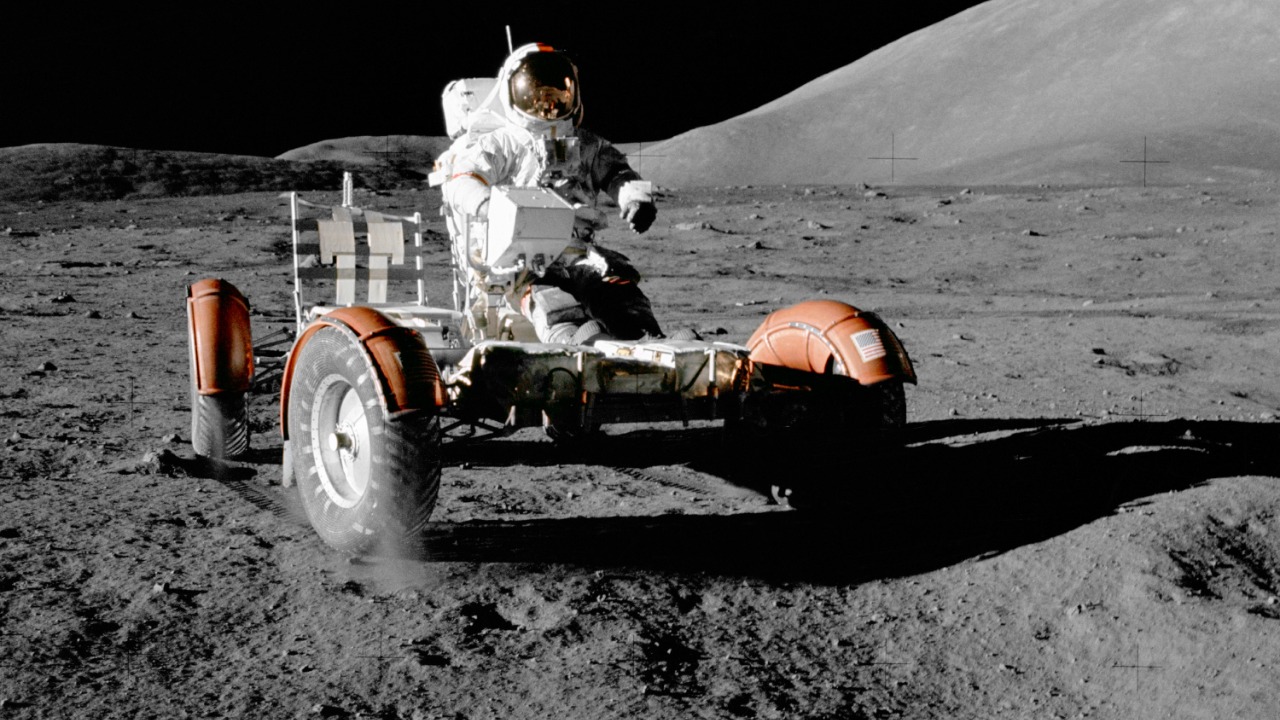
Recent advancements in analytical techniques have played a pivotal role in uncovering new information from the Apollo samples. High-resolution spectroscopy and isotopic studies have been employed to detect elements that were previously overlooked. These methods allow scientists to analyze the samples at a much finer scale, revealing the presence of exotic sulfur in the Moon’s mantle. The development of these techniques since 1972 has enabled researchers to probe deeper into the sample compositions without risking contamination, providing a clearer picture of the lunar interior. Source.
The re-examination of archived samples has been a collaborative effort among research teams worldwide. By combining expertise and resources, these teams have been able to apply cutting-edge technologies to the Apollo samples, leading to significant discoveries. This collaborative approach has not only enhanced our understanding of the Moon but also demonstrated the value of international scientific cooperation in space exploration. Source.
One of the most significant advancements in analytical techniques is the use of secondary ion mass spectrometry (SIMS), which allows for precise isotopic measurements at microscopic scales. This technique has been instrumental in identifying trace elements and isotopic anomalies within the Apollo samples, providing new insights into the Moon’s geochemical processes. Additionally, the development of non-destructive analysis methods, such as X-ray fluorescence (XRF) and neutron activation analysis, has enabled researchers to study the samples without altering their original state. These advancements have not only improved the resolution of data obtained from the samples but have also preserved them for future generations of scientists to explore. Source.
Discovery of Exotic Sulfur in the Lunar Mantle
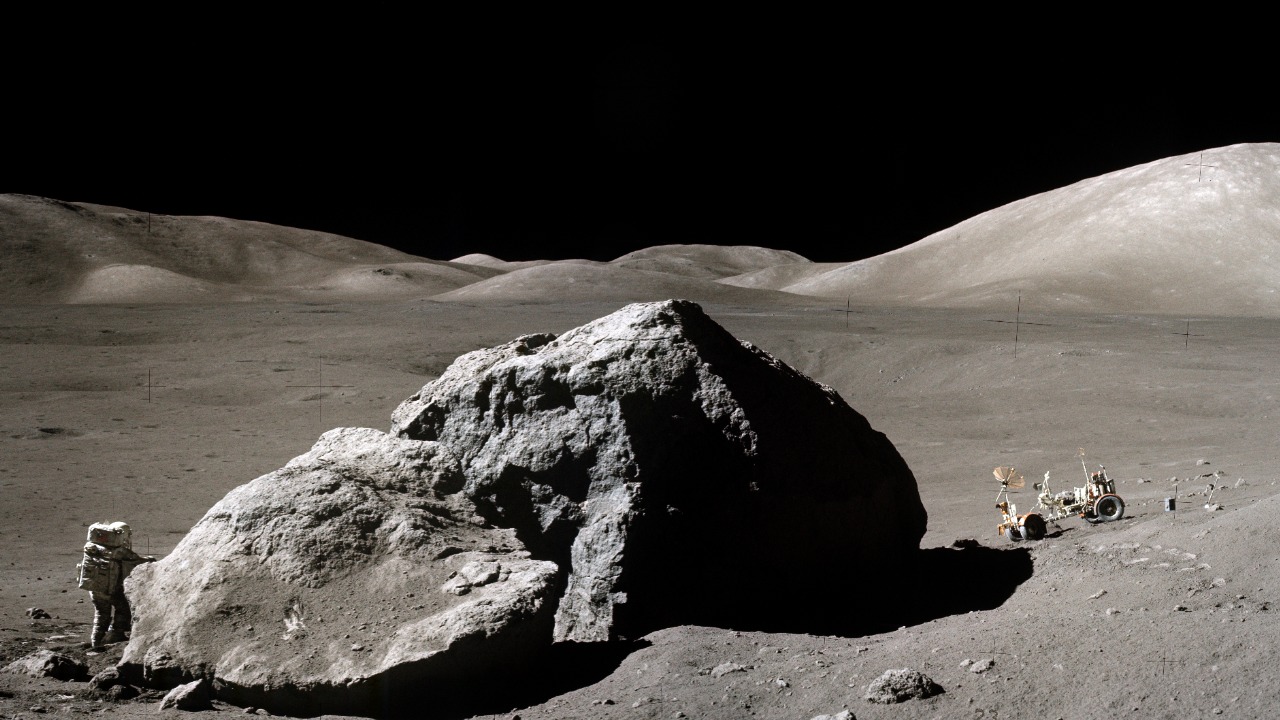
The key finding from the new analysis is the presence of exotic sulfur hidden in the Moon’s mantle. This discovery was made possible through the application of advanced analytical techniques to the Apollo samples. The sulfur isotopes and molecular structures identified in the samples suggest that this sulfur originates from deep within the lunar interior, rather than from surface processes. This finding challenges previous assumptions about the Moon’s geochemical composition and provides new insights into its formation and evolution. Source.
The evidence of sulfur deep within the Moon’s mantle has significant implications for our understanding of lunar geology. It suggests that the Moon’s interior is more complex than previously thought, with processes occurring beneath the surface that have yet to be fully understood. This discovery opens up new avenues for research into the Moon’s geological history and the processes that have shaped its development over billions of years. Source.
Implications for Lunar Formation and Evolution
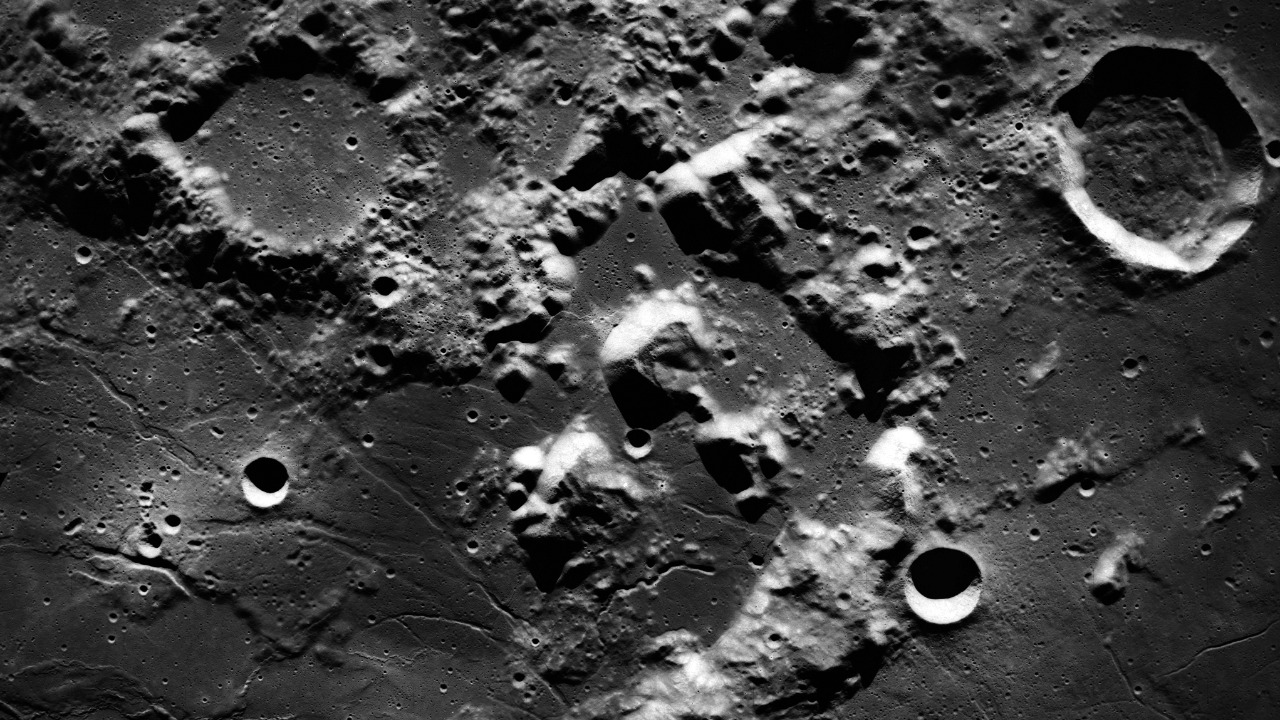
The presence of exotic sulfur in the Moon’s mantle has profound implications for models of the Moon’s early differentiation and volcanic history. This discovery suggests that the Moon’s interior may have undergone complex processes that contributed to its current state. By refining these models, scientists can gain a better understanding of the Moon’s formation and the events that have influenced its evolution. This knowledge is crucial for developing a comprehensive picture of the Moon’s geological history and its relationship with Earth. Source.
The findings also raise broader questions about the presence of volatile elements in planetary mantles, drawing parallels to the Earth-Moon system dynamics. Understanding the distribution and behavior of these elements can provide insights into the processes that govern planetary formation and evolution. Future research directions may include integrating these findings with data from upcoming lunar missions, which could further enhance our understanding of the Moon and its place in the solar system. Source.
