Scientists have recently been captivated by a mysterious underground anomaly near the Giza pyramids, sparking discussions about its significance and potential implications. This anomaly has led to speculation about its origin and purpose, with some suggesting it may even be a portal. Ongoing investigations and theories surrounding this enigmatic discovery continue to intrigue experts and enthusiasts alike.
The Discovery of the Anomaly
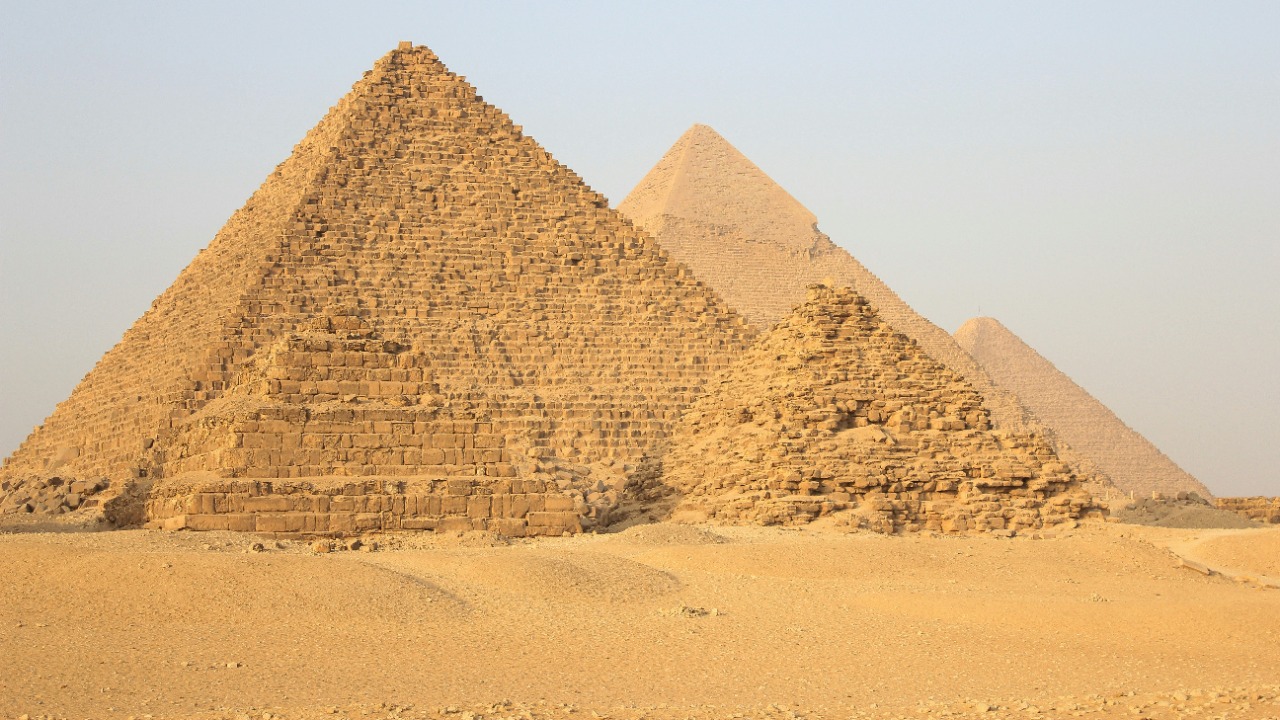
The initial detection of the underground anomaly near the Giza pyramids has sparked considerable interest within the scientific community. The anomaly was identified during recent explorations that aimed to unravel the mysteries buried beneath one of the world’s most iconic ancient structures. This discovery has opened up a plethora of questions about what lies beneath, with many researchers eager to delve deeper into its significance.
Technological advancements have played a crucial role in uncovering this mysterious feature. One of the key methods employed is muon tomography, a technique that uses cosmic rays to create images of the interior of large structures. This cutting-edge technology has allowed researchers to peer inside the pyramids without causing any damage, offering unprecedented insights into the hidden chambers and unexplored regions beneath the surface.
Historical Significance and Theories
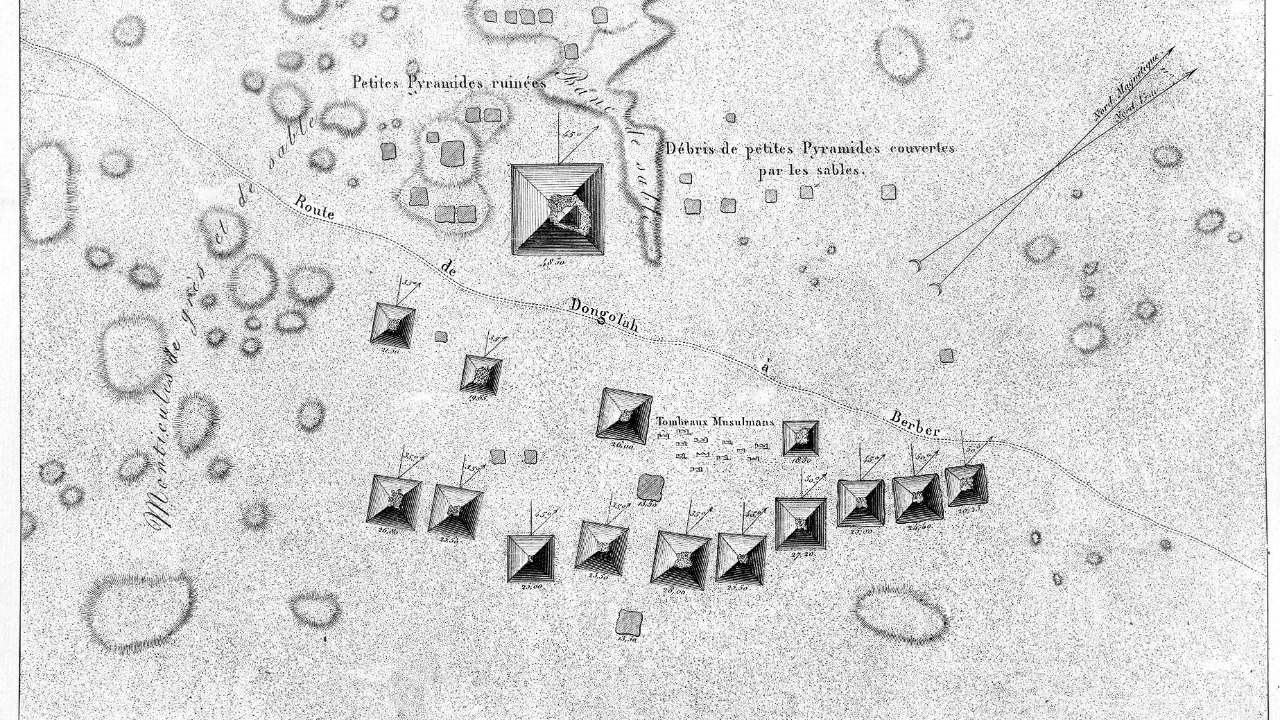
The historical and archaeological significance of the Giza pyramids provides a compelling backdrop to the anomaly’s discovery. For millennia, these monumental structures have stood as a testament to the engineering prowess and cultural sophistication of ancient Egypt. The pyramids have long been the subject of fascination and speculation, with numerous theories suggesting they may house undiscovered chambers or secret passages.
Ancient Egyptian lore and myths further fuel the intrigue surrounding the pyramids. Many tales hint at hidden chambers or portals, suggesting that the pyramids may serve as gateways to other realms. While these stories have often been dismissed as mere legend, the recent discovery of the anomaly has reignited interest in the possibility that such myths may contain a kernel of truth.
Scientific Investigations and Findings
The scientific community has approached the study of the anomaly with a variety of methodologies, drawing on interdisciplinary collaborations to gain a comprehensive understanding of the feature. Researchers from diverse fields, including geology, archaeology, and physics, have come together to explore the anomaly’s origins and potential implications.
Preliminary findings from these investigations have revealed intriguing possibilities. While some scientists hypothesize that the anomaly may be a result of geological processes, others are considering more exotic explanations. The early results have sparked a lively debate, with each new piece of evidence adding to the mystery and prompting further exploration.
Portal Theories and Speculation
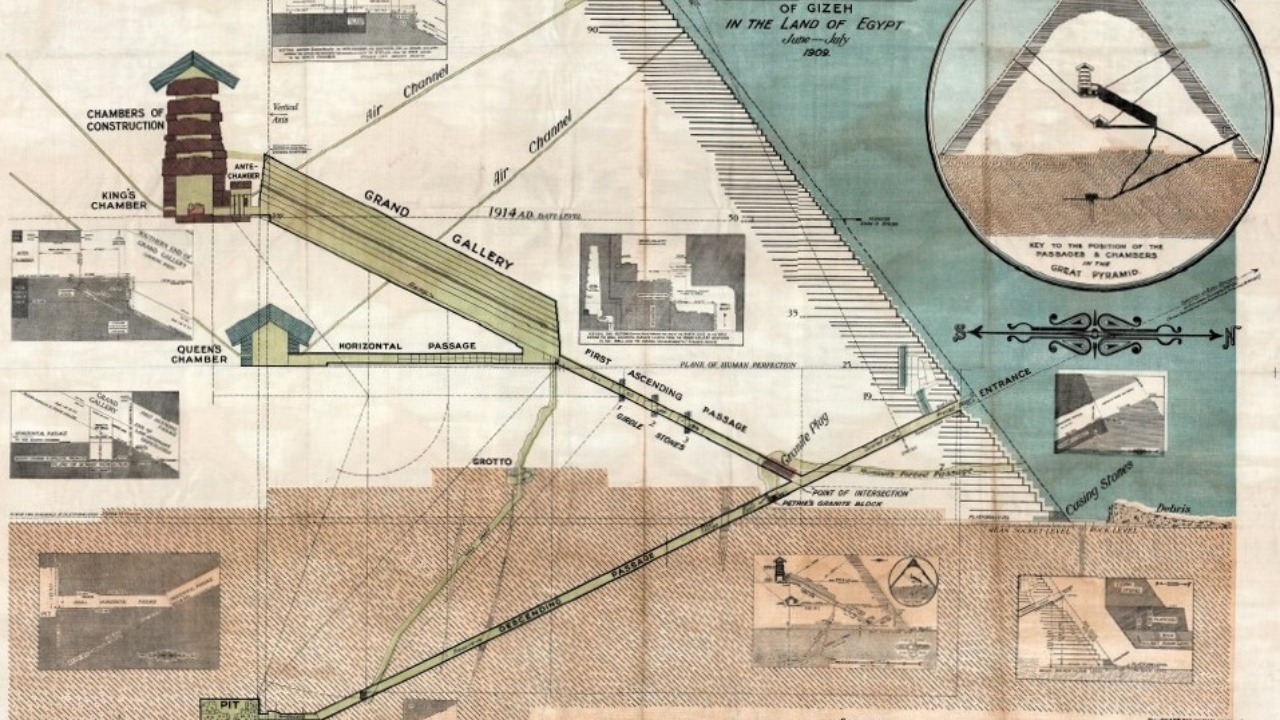
The concept of portals has been a recurring theme in many ancient cultures, often representing gateways to other worlds or dimensions. This idea resonates with the current findings near the Giza pyramids, leading some to speculate that the anomaly could indeed be a portal. In ancient Egyptian mythology, the pyramids were seen as conduits to the afterlife, adding an intriguing layer to the ongoing discussions.
While the notion of a portal may seem far-fetched to some, there is a growing interest in exploring any scientific basis for these hypotheses. Researchers are examining potential theoretical frameworks that could support the existence of a portal, drawing on concepts from physics and cosmology. The scientific community remains open to the possibilities, driven by a desire to uncover the truth about this enigmatic feature.
Implications for Archaeology and Science
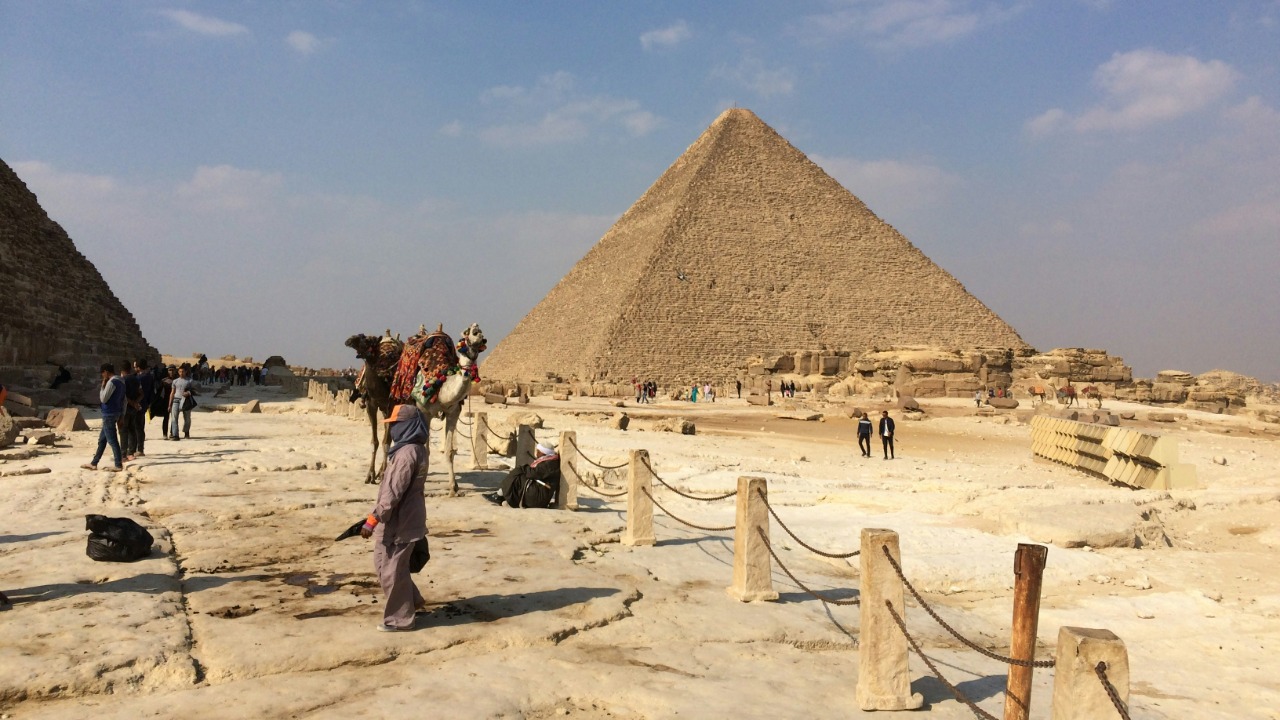
The discovery of the anomaly near the Giza pyramids could have a substantial impact on archaeological practices. It highlights the importance of integrating new technologies into the study of ancient structures, potentially revolutionizing the way researchers approach similar sites in the future. The findings may prompt archaeologists to reconsider traditional methods and embrace innovative techniques for exploring and preserving historical landmarks.
Beyond archaeology, the broader scientific and cultural implications of this discovery are profound. Uncovering a portal or other extraordinary feature near the Giza pyramids would not only reshape our understanding of ancient Egyptian civilization but also challenge current scientific paradigms. Such a breakthrough could inspire new lines of inquiry and spark a renewed interest in the mysteries of the past. As researchers continue to investigate the anomaly, the potential for groundbreaking discoveries remains a tantalizing possibility.
