Archaeologists have uncovered a 3,000-year-old workshop in Georgia that may explain how the Iron Age began through copper smelting activities. This site reveals surprising clues to an accidental spark for the dawn of the Iron Age, credited with forging Iron Age technology via a 3,000-year-old copper smelting site. The discovery offers a unique glimpse into the technological advancements of ancient civilizations, potentially reshaping our understanding of this pivotal era.
The Site’s Discovery
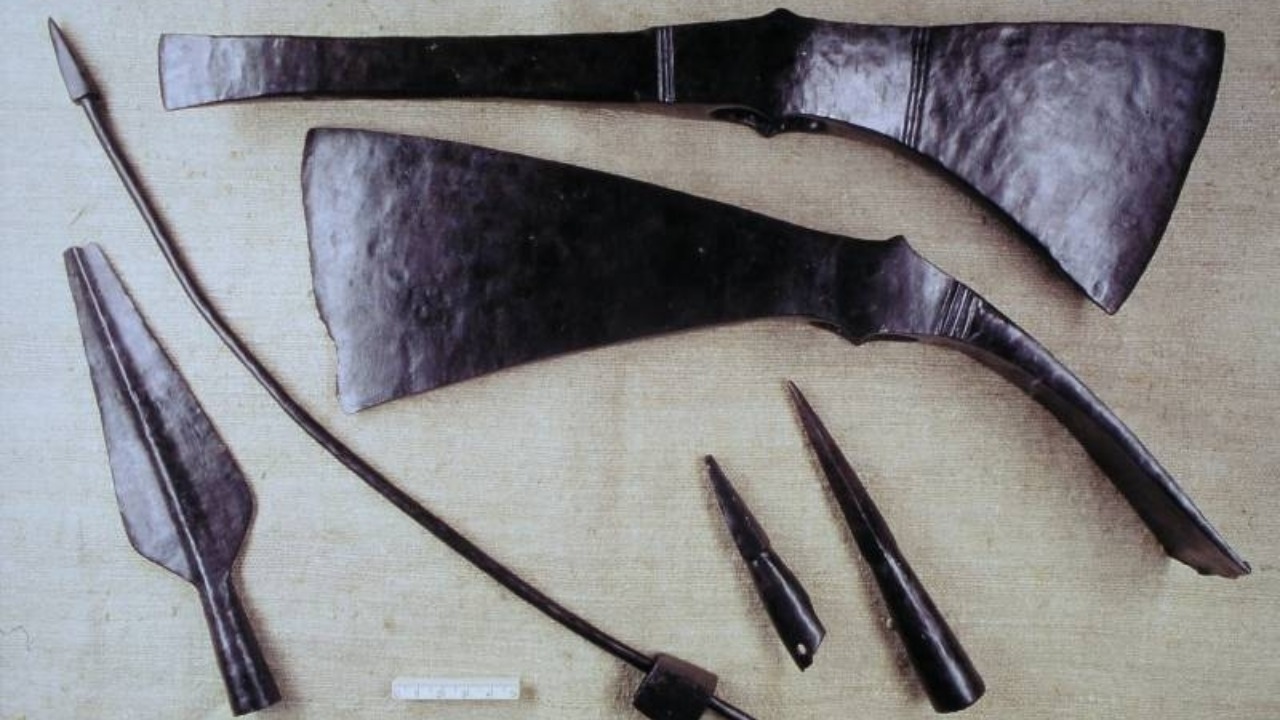
The unearthing of the 3,000-year-old workshop in Georgia was an accidental find during routine excavations. This unexpected discovery has provided archaeologists with a rare opportunity to explore the origins of the Iron Age. The workshop, located in a region rich with historical significance, offers a unique perspective on early metallurgical practices. Its preservation allows researchers to examine the direct evidence of these ancient techniques, shedding light on how early societies transitioned from the Bronze Age to the Iron Age [source].
Situated in Georgia, the workshop’s location is crucial in understanding the spread of Iron Age technology. The site has revealed artifacts and structural features that suggest it played a significant role in the development of early iron production techniques. This discovery challenges previous assumptions about the timeline and geographical spread of the Iron Age, offering new insights into how these technologies might have emerged and evolved [source].
The preservation of the site provides archaeologists with a wealth of information about early metallurgical practices. The workshop’s remains include tools and materials that indicate a sophisticated understanding of metalworking, highlighting the advanced capabilities of the people who operated it. This evidence is crucial for reconstructing the technological advancements that characterized the transition from the Bronze Age to the Iron Age [source].
In addition to its historical significance, the workshop’s location in Georgia is strategically important. This region served as a crossroads for various ancient cultures, facilitating the exchange of ideas and technologies. The site’s proximity to trade routes likely contributed to the diffusion of metallurgical knowledge, enabling the spread of iron smelting techniques across different civilizations. This context underscores the workshop’s role not just as a local innovation center but as a pivotal point in the broader narrative of technological evolution during the Iron Age [source].
Evidence from the Workshop
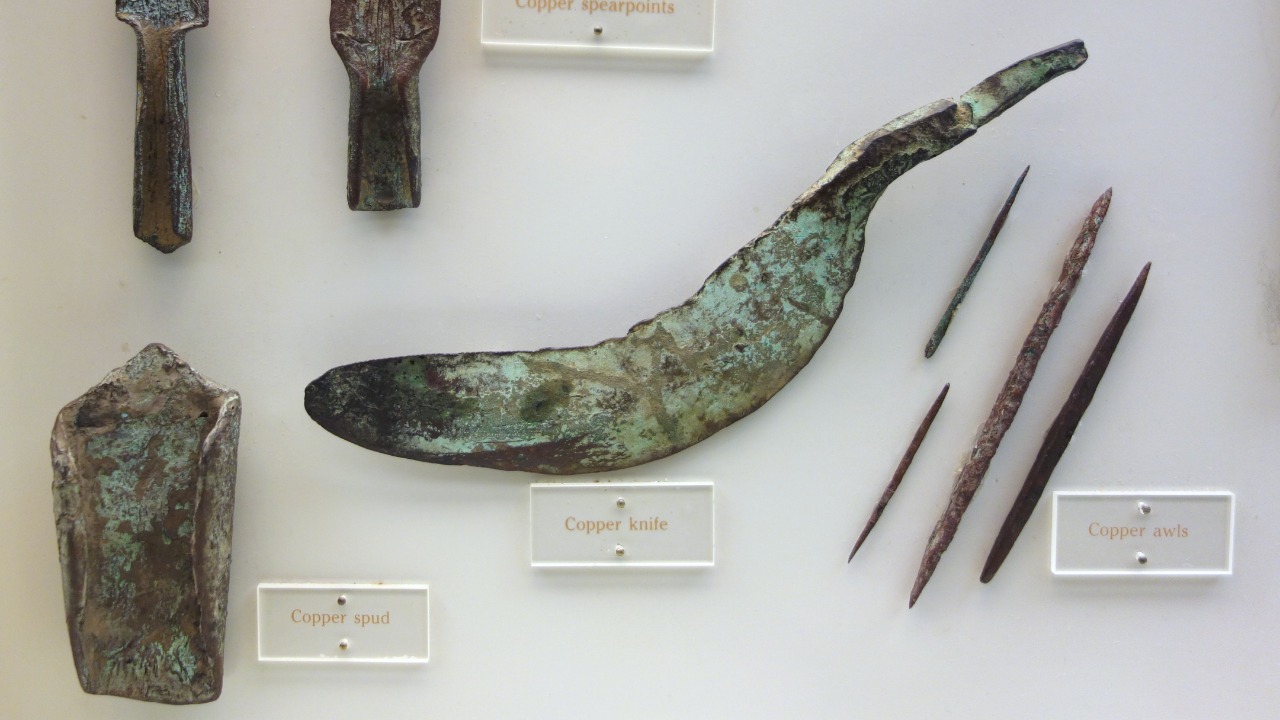
The artifacts uncovered at the site indicate that copper smelting operations were a central activity. These findings suggest that the workshop was initially used for copper production, which inadvertently led to the discovery of iron smelting techniques. The presence of copper slag and smelting tools provides concrete evidence of these activities, highlighting the workshop’s role in early metallurgical experimentation [source].
Traces of experimental iron production at the site suggest an accidental transition from copper to iron. This shift may have been sparked by the high temperatures achieved during copper smelting, which could have inadvertently led to the reduction of iron ore. The discovery of iron artifacts among the copper smelting debris supports this theory, indicating that the workshop was a site of significant technological innovation [source].
The structural features of the workshop further support its use in forging Iron Age technology. The layout and construction of the site suggest it was designed to accommodate high-temperature processes, essential for both copper and iron smelting. These features provide valuable insights into the technological capabilities of the time and the innovative approaches used by ancient metallurgists [source].
Further analysis of the workshop’s artifacts has revealed a variety of tools and remnants that illustrate the complexity of the metallurgical processes undertaken. The presence of crucibles, tuyères, and slag heaps indicates a sophisticated operation capable of achieving the high temperatures necessary for metal smelting. These findings suggest that the artisans working at the site possessed a deep understanding of the properties of different metals and the techniques required to manipulate them. Such evidence not only highlights the technical prowess of these ancient metallurgists but also provides a clearer picture of the experimental nature of their work, which likely led to the serendipitous discovery of iron smelting [source].
Implications for Iron Age Origins
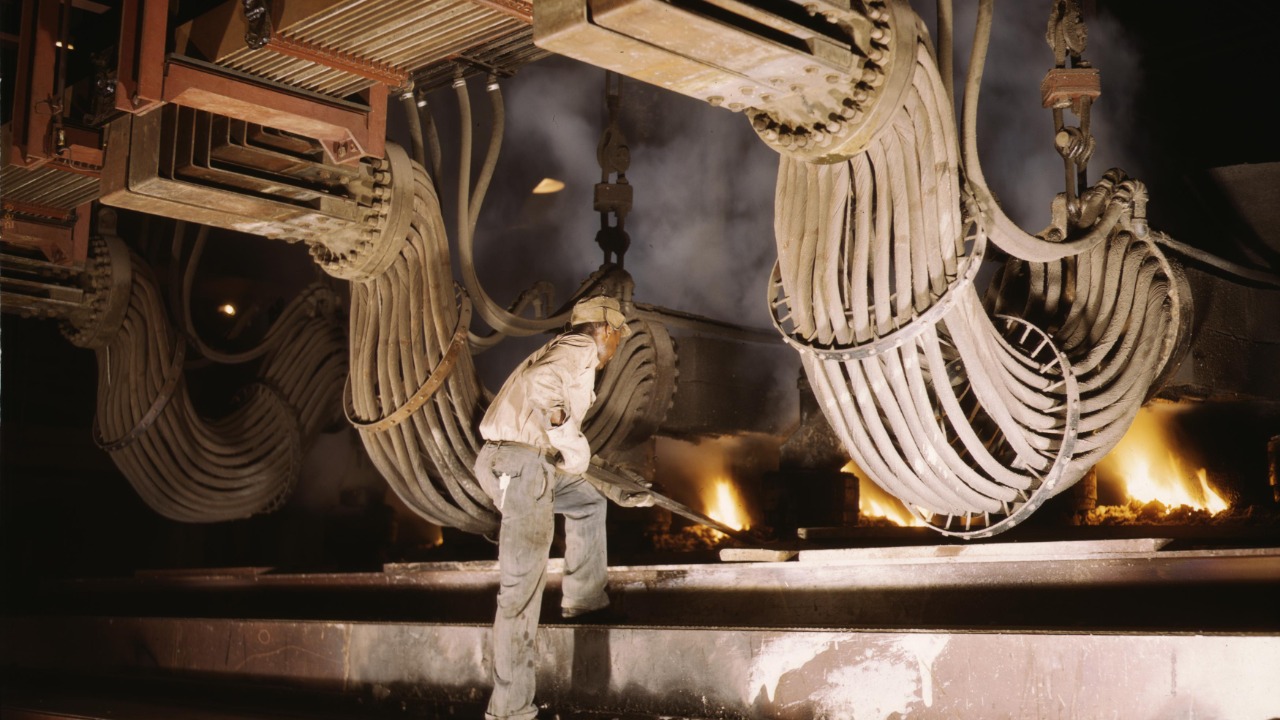
The findings from the workshop challenge traditional timelines for the start of the Iron Age. The evidence suggests that iron production may have begun earlier than previously thought, with accidental discoveries playing a crucial role in this technological shift. This new timeline could reshape our understanding of how and when iron became a dominant material in ancient societies [source].
The role of accidental processes in sparking iron technology is a key insight from the site. The transition from copper to iron smelting appears to have been an unintended consequence of existing metallurgical practices. This highlights the importance of experimentation and serendipity in technological advancements, offering a fresh perspective on the origins of the Iron Age [source].
The broader technological dawn revealed by the copper smelting evidence underscores the interconnectedness of ancient innovations. The workshop’s findings illustrate how advancements in one area of metallurgy could lead to breakthroughs in another, ultimately paving the way for the widespread use of iron. This interconnectedness is a testament to the ingenuity and adaptability of ancient societies [source].
The implications of these findings extend beyond the immediate geographical area, suggesting a reevaluation of the interconnectedness of ancient societies. The workshop’s evidence points to a network of knowledge exchange that may have facilitated the rapid adoption and adaptation of iron technology across different regions. This interconnectedness challenges the notion of isolated technological development, proposing instead a model where innovations were shared and adapted across cultural boundaries. Such a perspective not only enriches our understanding of the Iron Age’s origins but also emphasizes the collaborative nature of human progress during this transformative period [source].
Archaeological Significance
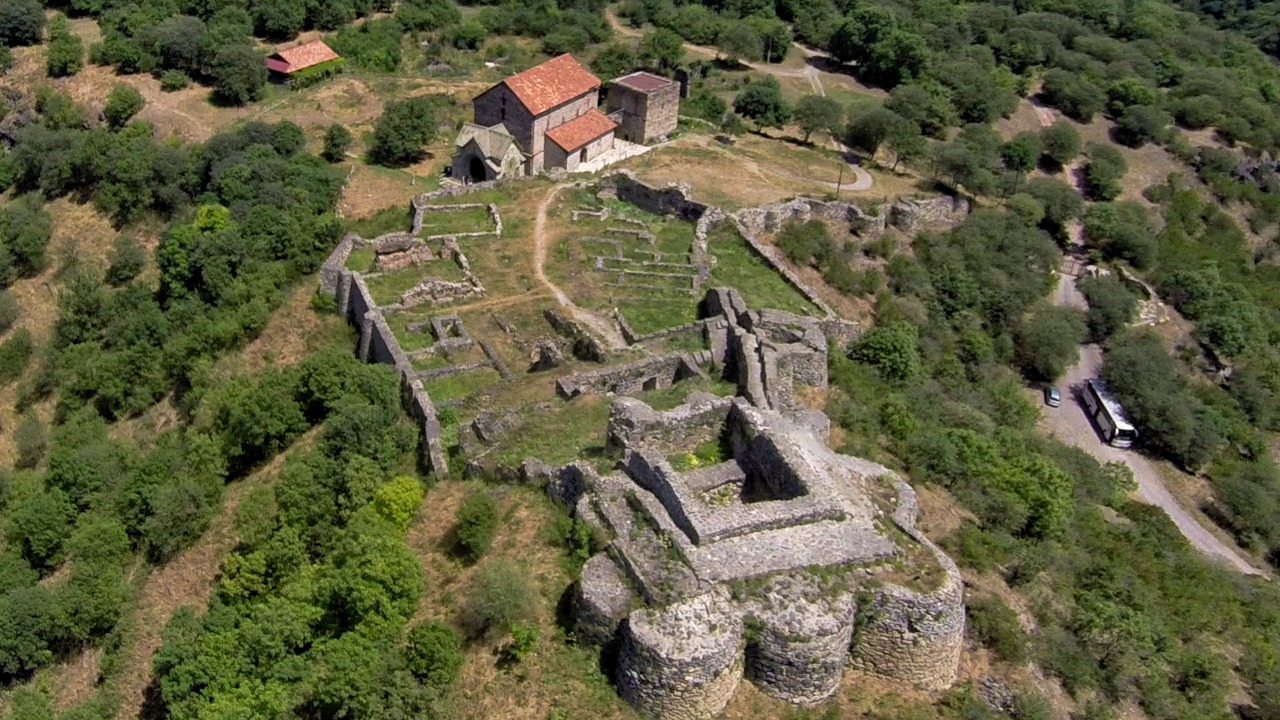
Experts interpret the site’s contribution to understanding Iron Age beginnings as significant. The workshop provides a tangible link to the past, offering insights into the technological and cultural shifts that defined this era. By examining the artifacts and structures, archaeologists can piece together a more comprehensive picture of how iron technology emerged and spread [source].
The potential of the workshop to rewrite histories of metallurgical innovation in the region is profound. The evidence suggests that the area was a hub of technological experimentation, where new methods and materials were developed and refined. This challenges existing narratives about the spread of iron technology and highlights the region’s role in shaping ancient technological landscapes [source].
Ongoing research is needed to confirm the accidental forging aspects of the site. While the current findings are compelling, further analysis and excavation are required to fully understand the workshop’s role in the transition to the Iron Age. Continued study will help clarify the processes and innovations that defined this pivotal period in human history [source].
