The Atlantic horseshoe crab, an ancient aquatic species native to the US Atlantic coast, is facing extinction sooner than expected due to ongoing environmental and human pressures. This “living fossil” has survived for hundreds of millions of years but now teeters on the brink due to factors like harvesting, habitat loss, and climate impacts. Recent reports highlight the urgency of the situation, projecting a potential population collapse within decades if current trends continue (BGR).
Biological Significance of the Atlantic Horseshoe Crab
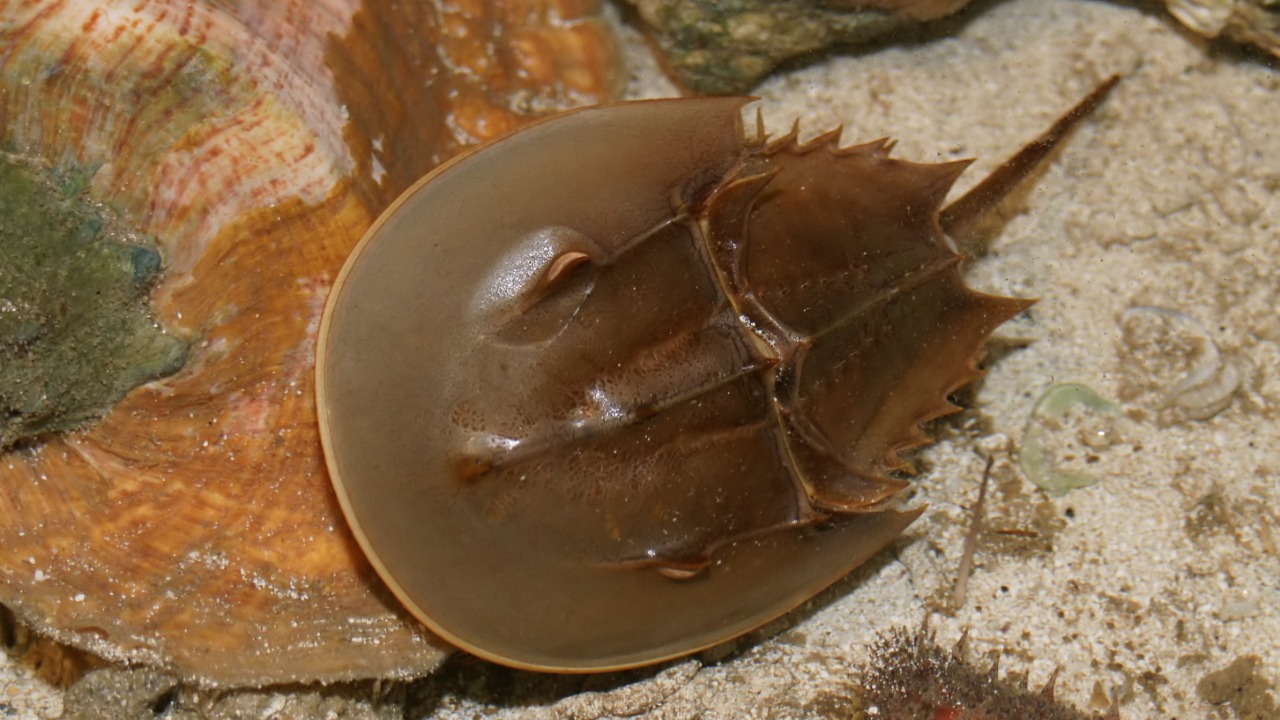
The Atlantic horseshoe crab is a remarkable species, often referred to as a “living fossil” due to its 450-million-year evolutionary history. Its morphology has remained largely unchanged since the Paleozoic era, making it a unique subject of scientific interest (BGR). This ancient arthropod is not only a window into the past but also plays a crucial role in modern science.
One of the most notable features of the horseshoe crab is its blue, copper-based blood, which is indispensable in biomedical testing for bacterial endotoxins. This has led to the annual harvesting of over 500,000 crabs in the US alone, underscoring the species’ importance to human health and safety (BGR). Beyond its scientific value, the horseshoe crab is a keystone species in coastal ecosystems, providing essential food for migratory birds like the red knot. The decline in horseshoe crab populations has contributed to a 75% decrease in red knot numbers since the 1980s, highlighting the interconnectedness of these species (BGR).
Major Threats Driving Extinction Risk
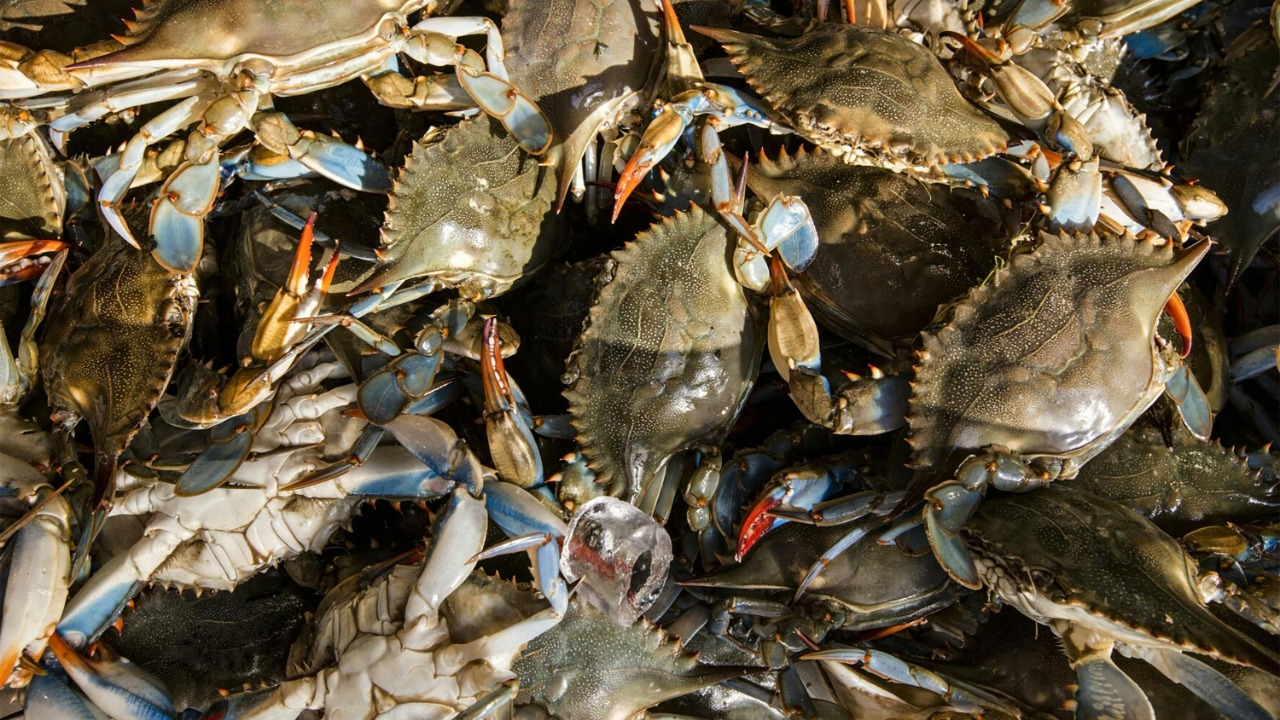
The Atlantic horseshoe crab faces several significant threats that are driving its risk of extinction. Overharvesting for bait in the whelk and eel fisheries has drastically reduced their numbers, with Delaware Bay landings plummeting from 1 million crabs in 1990 to under 100,000 by 2020 (BGR). This unsustainable practice is a major factor in the species’ decline.
Habitat degradation is another critical issue, as coastal development and dredging in key spawning areas like Cape Cod and the Delaware Bay disrupt the natural environment necessary for their reproduction (BGR). Additionally, climate change poses a growing threat, with rising sea levels and warmer waters altering spawning cycles and increasing the crabs’ susceptibility to disease (BGR).
Another significant threat to the Atlantic horseshoe crab is the biomedical industry’s reliance on their blood for Limulus Amebocyte Lysate (LAL) testing. Although this practice is crucial for detecting bacterial contamination in medical products, it places immense pressure on crab populations. Despite efforts to minimize harm, the process can result in mortality rates of up to 30% for bled crabs, further exacerbating population declines (BGR).
Moreover, the introduction of synthetic alternatives to LAL, such as recombinant Factor C (rFC), has been slow to gain widespread acceptance. Regulatory hurdles and industry resistance to change have limited the adoption of these alternatives, prolonging the dependency on horseshoe crabs. This ongoing reliance underscores the need for more robust regulatory frameworks and incentives to encourage the transition to sustainable practices (BGR).
Conservation Efforts and Challenges
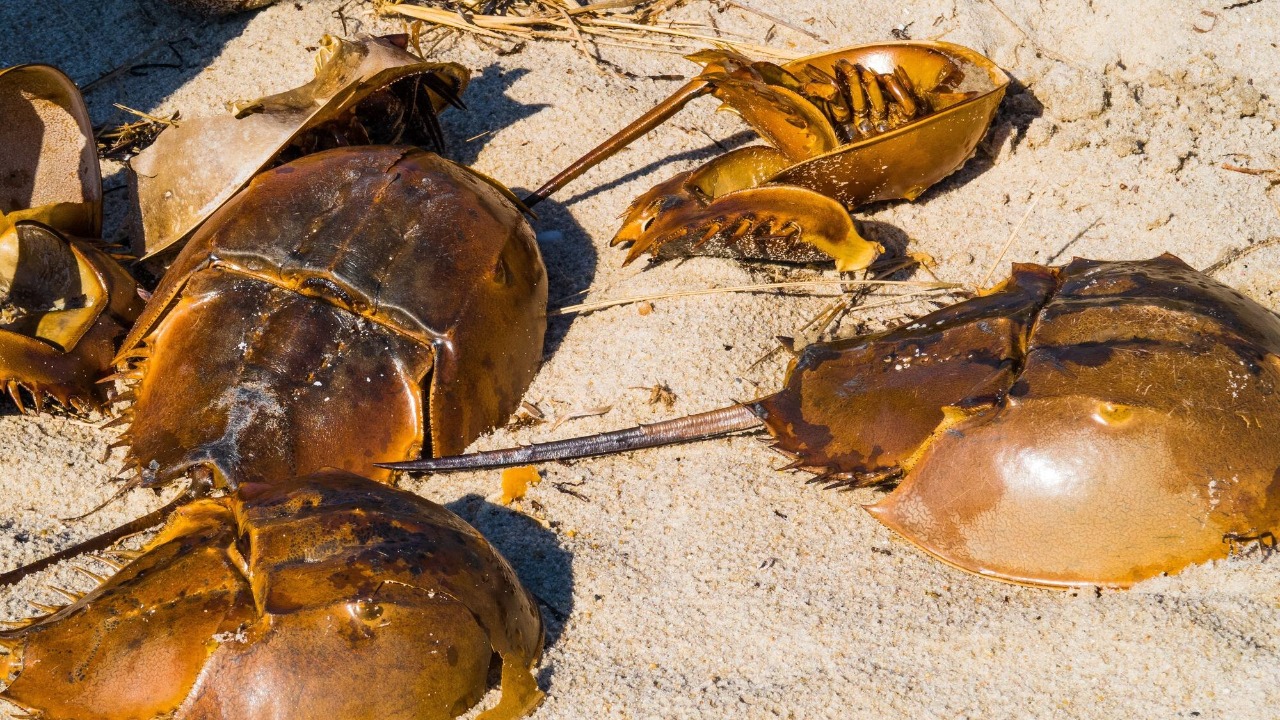
Efforts to conserve the Atlantic horseshoe crab have been underway, with regulatory measures such as the 2008 Atlantic States Marine Fisheries Commission plan, which limits harvests to 500,000 females annually. However, enforcement of these regulations varies by state, posing a challenge to effective conservation (BGR).
In the biomedical industry, there is a shift towards synthetic alternatives to horseshoe crab blood, with companies like LAL Alternatives piloting these solutions since 2019 to reduce dependency (BGR). Despite these efforts, challenges remain, including illegal poaching and the species’ classification as Vulnerable by the IUCN since 2018. There are ongoing calls for the horseshoe crab to be listed under the federal Endangered Species Act to provide further protection (BGR).
Implications for Ecosystems and Human Health
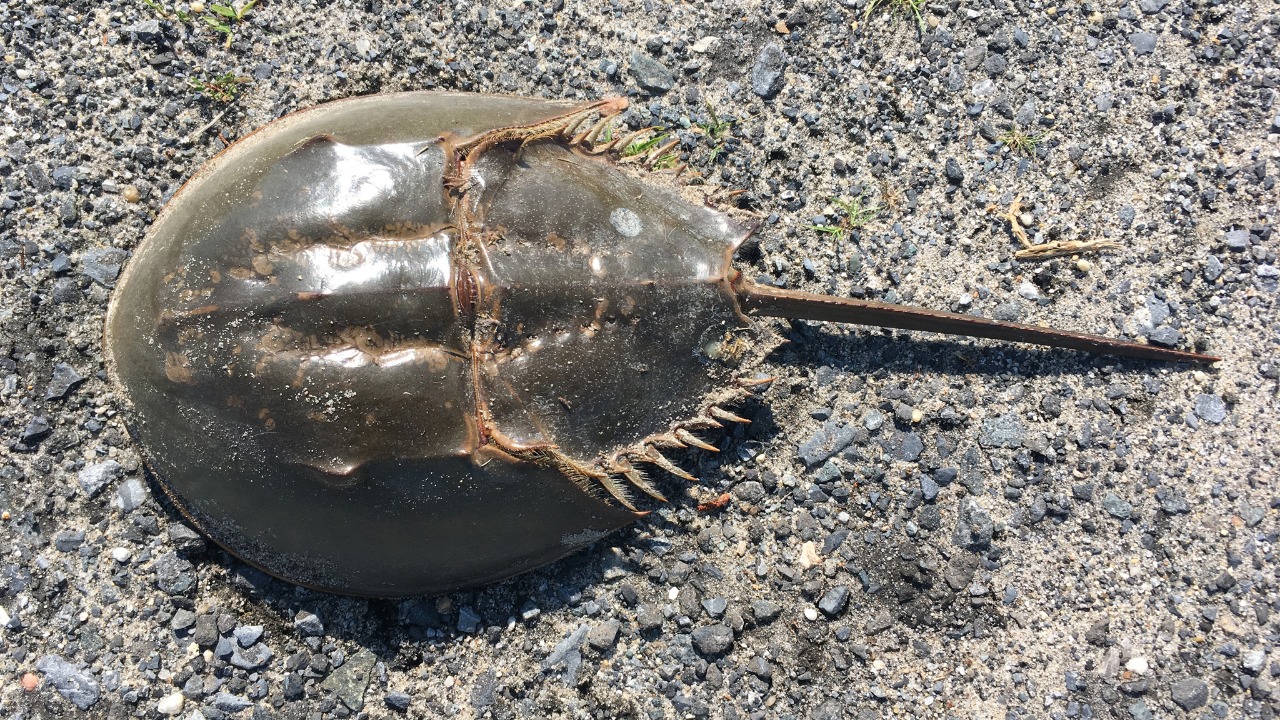
The decline of the Atlantic horseshoe crab has broader ecological implications, affecting entire ecosystems. The reduction in crab populations has led to declining shorebird numbers and disrupted food webs in estuaries from Maine to Florida (BGR). This ripple effect highlights the importance of the horseshoe crab in maintaining ecological balance.
Human health also relies heavily on the horseshoe crab, as their blood is crucial for ensuring the safety of vaccines and medical devices. With annual testing volumes exceeding 30 million doses, the potential decline of this species could have significant repercussions for public health (BGR). If the current trajectory continues unchecked, the extinction of the horseshoe crab could mirror the fate of other ancient species, necessitating emergency conservation measures by 2030 (BGR).
