Recent analyses published on October 7, 2025, challenge the long-held assumption that grooves on ancient human teeth were caused by toothpicks, suggesting alternative explanations for these marks. Articles such as “‘Toothpick Grooves’ in Ancient Human Teeth May Not be From Toothpicks After All” and “Those Marks On Ancient Teeth Might Not Be From Toothpicks After All” point to a reevaluation of prehistoric dental evidence, suggesting that these marks might have origins other than toothpick use.
Historical Interpretation of Dental Grooves
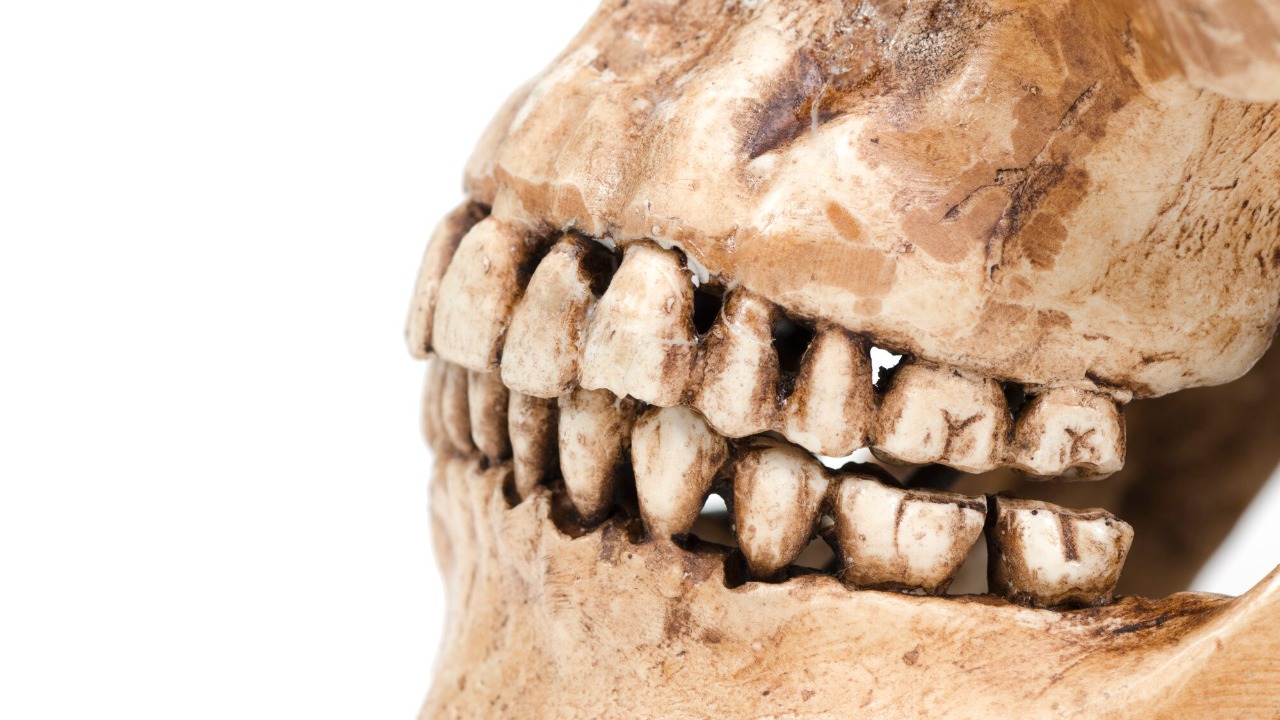
For decades, anthropologists have interpreted the linear marks found on ancient teeth as evidence of toothpick use, a practice believed to have been employed for oral hygiene. This traditional view has been supported by numerous studies that linked these grooves to deliberate tool manipulation by ancient humans, suggesting a sophisticated understanding of dental care in prehistoric times. Early anthropological studies often cited these grooves as evidence of early human ingenuity and adaptation, reinforcing the notion that our ancestors used tools for a variety of purposes, including personal grooming.
The interpretation of these grooves as toothpick marks has significantly influenced our understanding of prehistoric behaviors. It has shaped narratives about the daily lives of ancient humans, suggesting that they engaged in practices similar to modern oral hygiene routines. This perspective has been widely accepted in the field, as highlighted in recent reporting on October 7, 2025, which underscores the impact of these interpretations on our understanding of human evolution (source).
Moreover, the belief that these grooves were made by toothpicks has been used to draw parallels between ancient and modern human practices, suggesting a continuity in the use of tools for personal care. This interpretation has been pivotal in discussions about the cognitive and cultural development of early humans, as it implies a level of self-awareness and concern for personal health that is often associated with more advanced societies. The grooves have been seen as a testament to the resourcefulness of ancient populations, who would have had to improvise with available materials to maintain their dental health. This narrative has been a cornerstone in understanding the evolution of human behavior and the development of complex societies.
Emerging Challenges to the Toothpick Theory

New research published on October 7, 2025, questions the long-standing toothpick theory by employing advanced analytical methods. The article “Those Marks On Ancient Teeth Might Not Be From Toothpicks After All” suggests that these grooves may not be the result of toothpick use, but rather other factors. This reassessment is part of a broader trend in archaeology that seeks to apply more rigorous scientific techniques to the study of ancient artifacts.
Another publication, “‘Toothpick Grooves’ in Ancient Human Teeth May Not be From Toothpicks After All”, proposes that these marks could have non-tool-related causes. This challenges the notion that ancient humans used toothpicks and opens the door to alternative explanations. Similarly, “Ancient Teeth Marks: Evidence of Tool Use or Natural Causes?” debates whether these marks are the result of tool use or environmental factors, suggesting that the grooves might have formed through natural processes rather than intentional human activity.
These new findings are part of a larger movement within archaeology that emphasizes the importance of revisiting established theories with fresh perspectives and advanced technology. By applying techniques such as micro-wear analysis and 3D imaging, researchers are able to gain a more nuanced understanding of the wear patterns on ancient teeth. This approach not only questions the toothpick theory but also encourages a broader reconsideration of how we interpret evidence of tool use in archaeological contexts. The implications of this research extend beyond dental grooves, potentially affecting interpretations of other artifacts and leading to a more comprehensive understanding of ancient human life.
Alternative Explanations for Tooth Marks
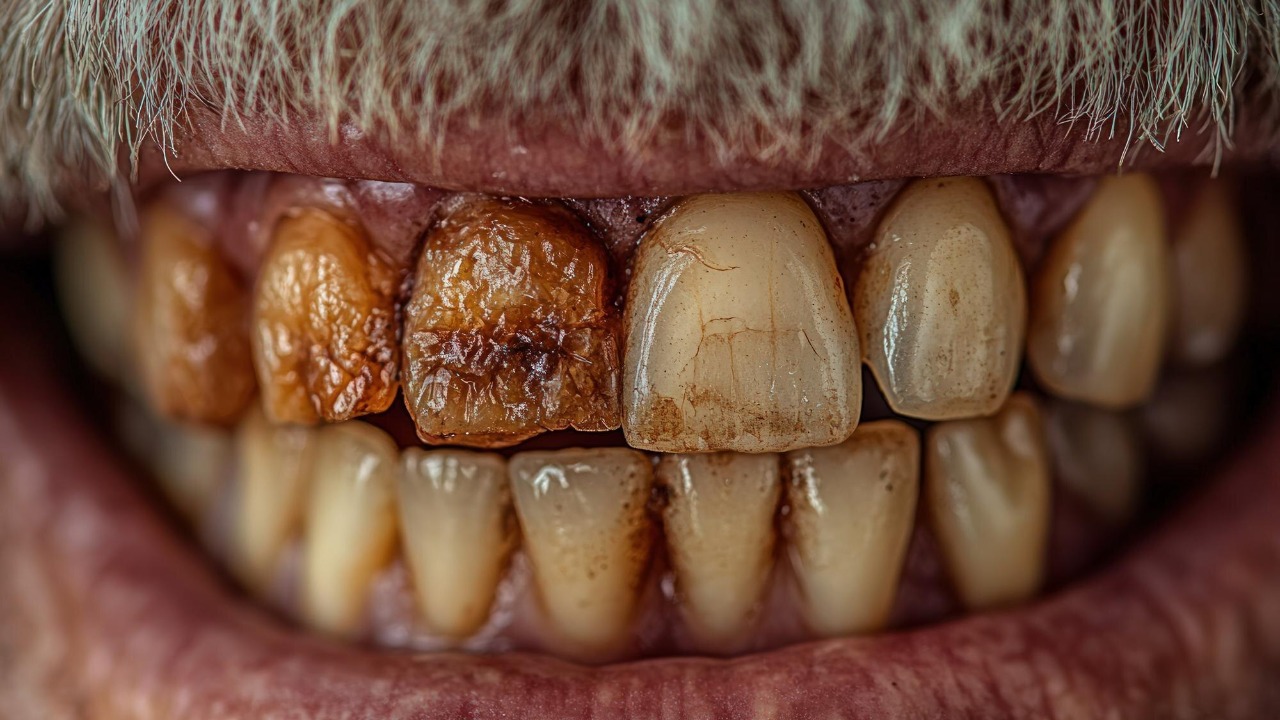
As researchers explore alternative explanations for the grooves on ancient teeth, natural causes such as dietary abrasion or biomechanical stress have emerged as potential sources. These factors could account for the wear patterns observed on teeth, suggesting that the marks might not be the result of deliberate tool use. This perspective is supported by recent coverage, which highlights the need to consider environmental and dietary influences when interpreting ancient dental evidence (source).
Reassessed ancient teeth samples indicate that the grooves may have non-intentional origins. This finding, reported in the article published at 12:40:00.000Z on October 7, 2025, suggests that the marks could have formed naturally over time, rather than through the use of tools (source). If these marks stem from habits beyond tool use, it could significantly alter our understanding of human evolution, as discussed in the 19:30:00.000Z publication on the same day (source).
In addition to dietary abrasion and biomechanical stress, researchers are also considering the role of environmental factors in the formation of these grooves. For instance, the consumption of gritty or fibrous foods, which were common in ancient diets, could have contributed to the wear patterns observed on teeth. Furthermore, the habitual use of teeth as tools for tasks such as processing plant materials or softening hides could also explain the presence of these marks. This broader perspective encourages a more holistic view of ancient human behavior, taking into account the diverse ways in which early humans interacted with their environment and utilized available resources.
Implications for Archaeological Research
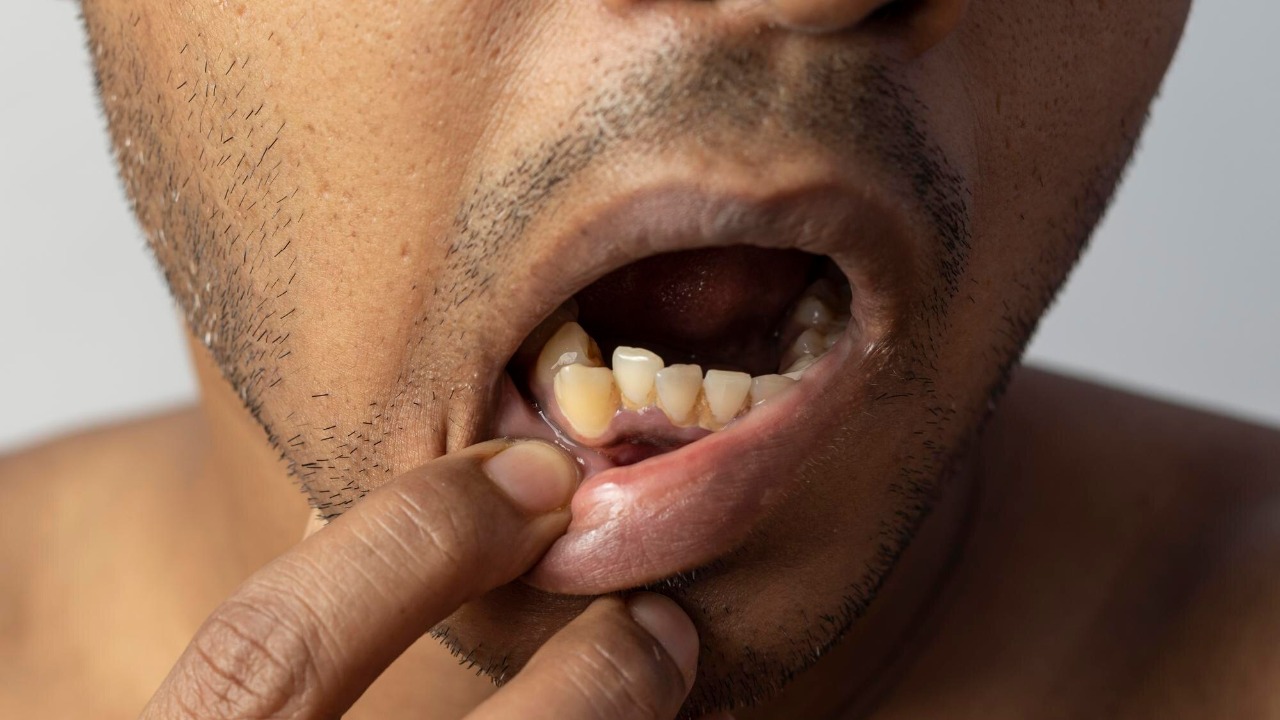
The findings from October 7, 2025, could reshape interpretations of prehistoric tool use evidence. If the grooves on ancient teeth are not the result of toothpick use, it may prompt a reevaluation of other artifacts previously thought to be tools. This shift in perspective could lead to new insights into the daily lives and behaviors of ancient humans (source).
Advanced imaging techniques are increasingly necessary for reevaluating dental artifacts, as highlighted in the article published at 12:40:00.000Z on October 7, 2025. These technologies allow researchers to examine the fine details of tooth wear patterns, providing more accurate interpretations of ancient human behavior (source). The broader impacts on understanding ancient human behaviors are significant, as the 19:30:00.000Z publication on the same day suggests, potentially leading to a more nuanced view of our ancestors’ interactions with their environment (source).
This shift in understanding could lead to a reevaluation of other archaeological findings, prompting researchers to question the assumptions underlying interpretations of tool use and daily life in ancient societies. By integrating new technologies and methodologies, archaeologists can develop more accurate reconstructions of past human behaviors. This approach not only enhances our knowledge of ancient societies but also enriches our understanding of human evolution as a dynamic and complex process. As researchers continue to explore these new avenues, the field of archaeology stands to gain a deeper appreciation for the ingenuity and adaptability of our ancestors.
