In a remarkable feat of archeological discovery, a tomb that has remained untouched for an estimated 2,600 years has been unsealed. This significant find in Italy has revealed over 100 intact Etruscan artifacts, providing a rare and valuable look into the Etruscan civilization.
Discovery of the Sealed Tomb
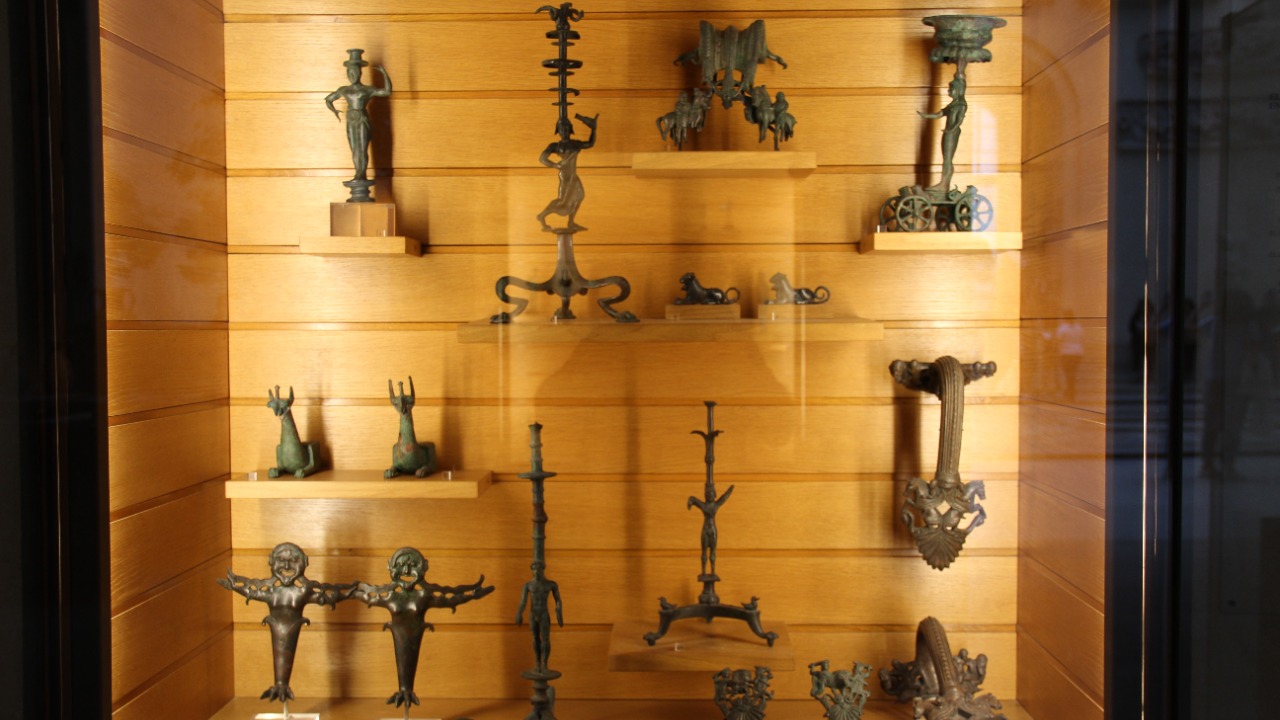
Located in a rural region of Italy, the sealed tomb was discovered serendipitously during a routine survey of the area. The tomb was found buried deep in the earth, effectively preserved from external disturbances over millennia. The archeologists present were astounded by the condition of the tomb, which seemed to hint at an untouched treasure trove of Etruscan artifacts.
The initial reaction of the archaeologists was one of excitement and awe. The prospect of unsealing a tomb that had been closed off for so long was thrilling. As one of the archaeologists expressed, the discovery was akin to stepping into a time machine, offering a direct link to the past.
The Etruscan Civilization
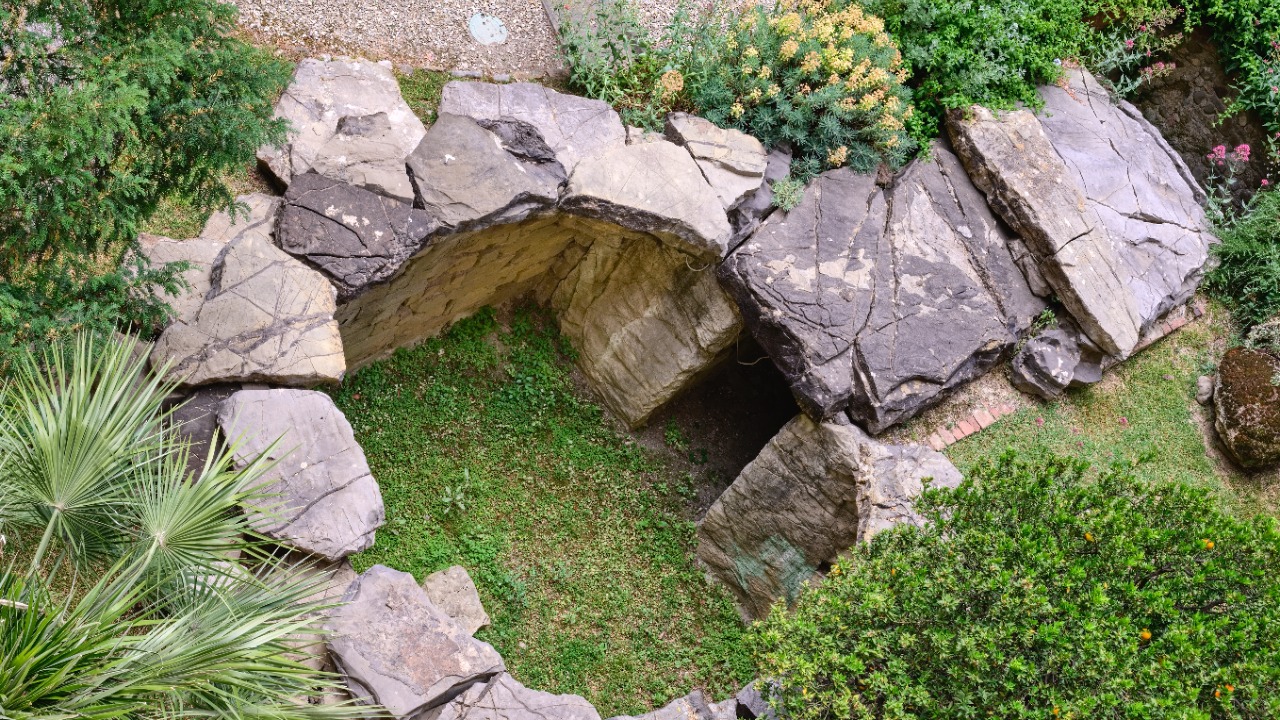
The Etruscans were an ancient civilization that inhabited parts of what is now Italy, from about 800 BC until their assimilation into the Roman Republic in the 1st century BC. As a civilization, they were known for their art, architecture, and complex religious beliefs. Despite their significance in ancient history, much about the Etruscans remains a mystery.
Etruscan tombs serve as crucial avenues for understanding their culture and society. Unlike other sources of historical data, tombs provide a snapshot of Etruscan life and death rituals at a particular point in time. As such, the discovery of this intact tomb offers an unprecedented opportunity to further our understanding of this enigmatic civilization.
Inside the 2,600-Year-Old Tomb
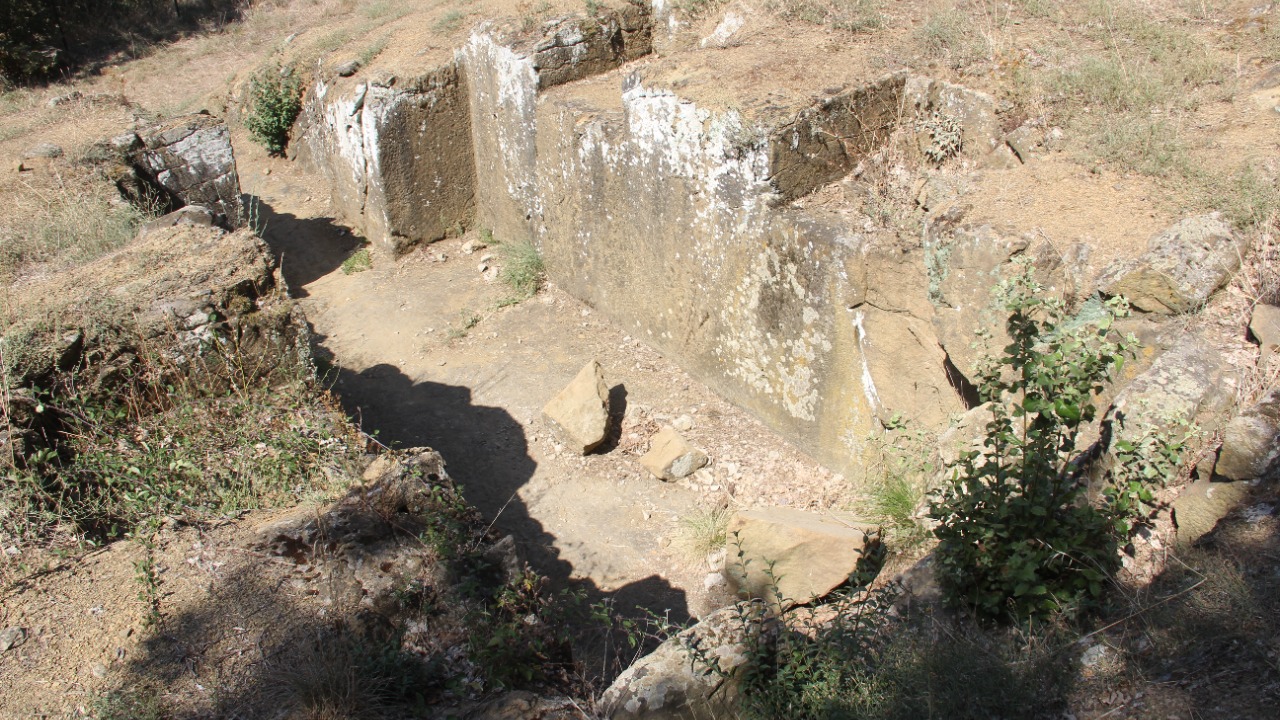
The tomb’s interior structure was meticulously laid out, with separate areas designated for various uses. Upon entering, the archaeologists were met with an array of urns, vases, and other objects, carefully arranged as if waiting for their owners to return. It was a poignant reflection of the Etruscan belief in life after death.
The moment the tomb was first opened after 2,600 years was a deeply moving one for the team. As the sealed entrance was carefully breached, a wave of ancient air was released, carrying with it the scent of history untouched. This sensation was shortly followed by the sight of the intact artifacts, perfectly preserved, as if time had stood still.
The Unearthed Artifacts
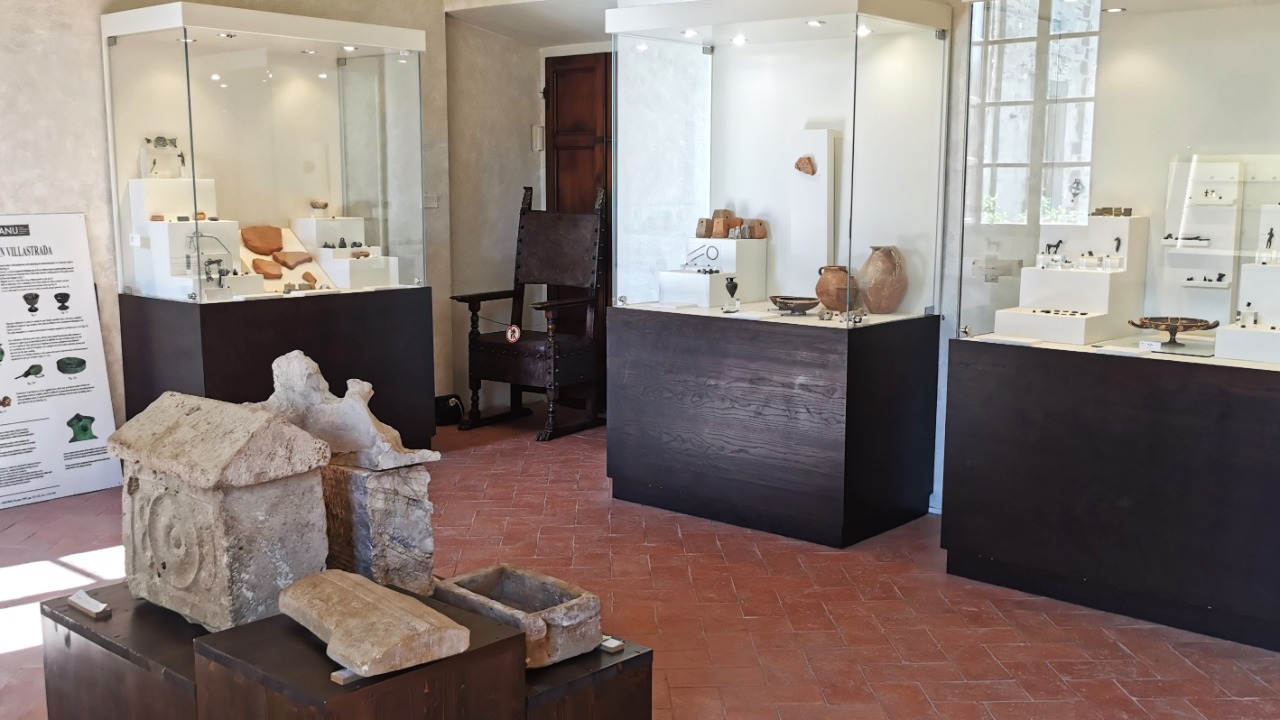
The artifacts found inside the tomb were diverse, ranging from beautifully crafted pottery to intricately designed jewelry. Many of the items were personal belongings, providing a rare glimpse into the daily lives of the Etruscans. These artifacts were not just beautiful, but also held immense historical value as they were perfectly preserved.
The intact status of the artifacts is significant on multiple levels. Firstly, it allows for more accurate dating and analysis of the items. Secondly, undamaged artifacts provide a more complete picture of Etruscan life and customs. Lastly, they offer the potential for future scientific analysis that could reveal even more about the Etruscans.
Significance and Implications of the Find
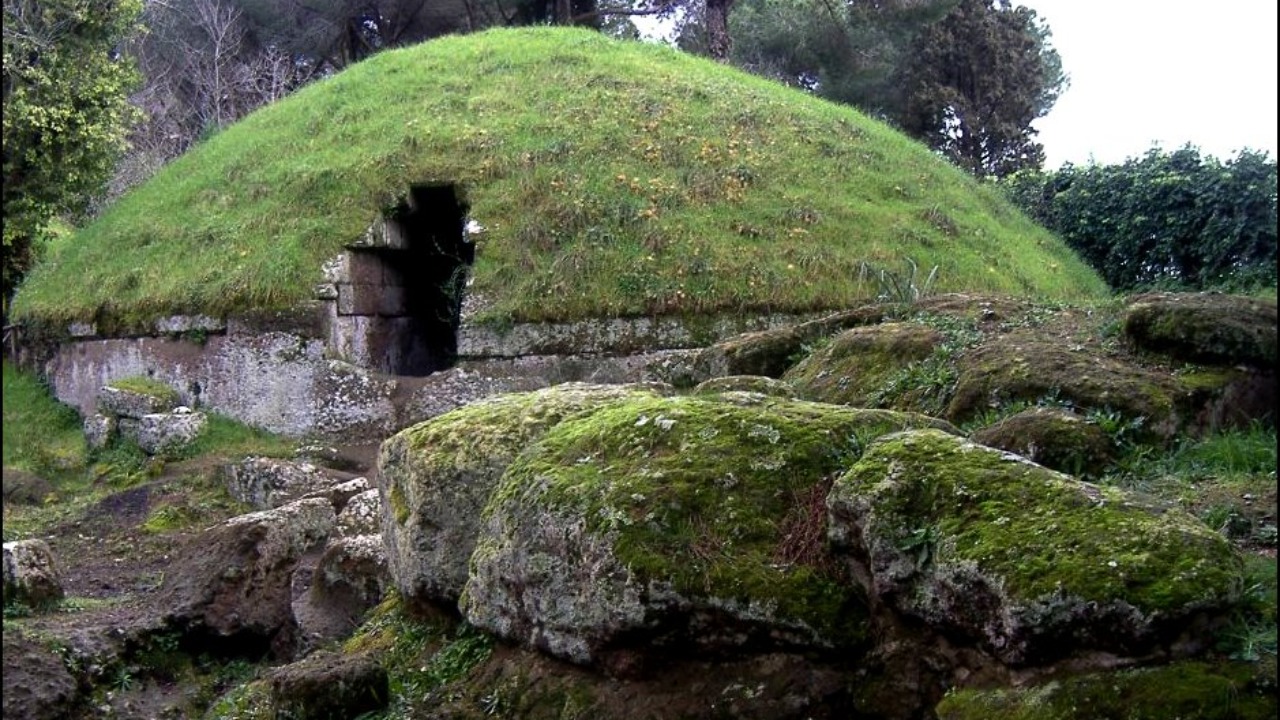
The unearthed artifacts offer a tangible connection to the Etruscans and their way of life. Each artifact, from the simplest pottery to the most elaborate jewelry, tells a story about Etruscan culture, beliefs, and death rituals. They serve as silent witnesses to a civilization that has long since passed but continues to captivate us with its mystery.
On a larger scale, this discovery has profound implications for archaeology and our understanding of ancient civilizations. It reaffirms the importance of continued exploration and research in unearthing our shared human history. And as we continue to learn more about the Etruscans from these remarkable artifacts, we are reminded of the enduring power of the past to inform the present and shape the future. The discoveries from this 2,600-year-old tomb will undoubtedly fuel further research and interest in the fascinating world of the Etruscans.
