Peering into the past, we find that our ancestors held a surprisingly advanced understanding of the stars and constellations. Their knowledge, as revealed in ancient texts, often rivals our modern understanding of astronomy, indicating a deep and sophisticated comprehension of the cosmos.
1. The Concept of Constellations in Ancient Times
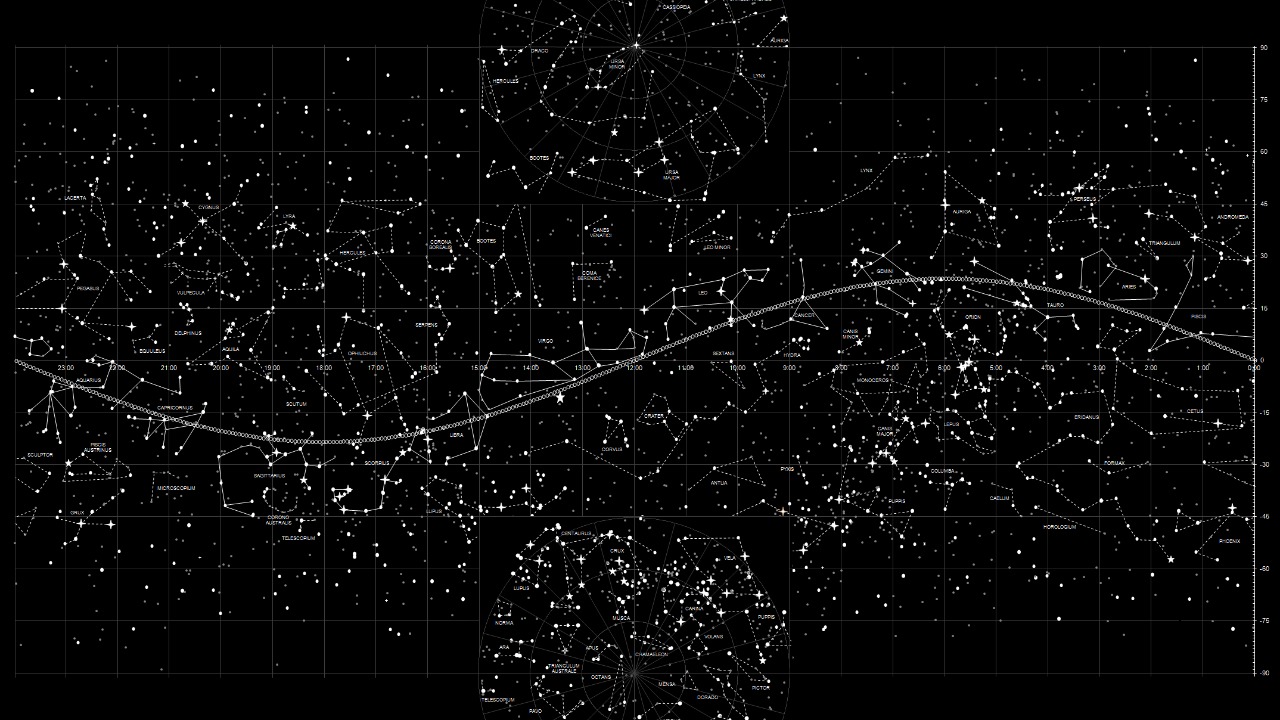
The constellations we recognize today have their roots in ancient times. These patterns of stars served as a celestial map for ancient societies, playing a crucial role in their culture and daily life. The constellations were not just a source of myth and legend, but also practical tools for navigation and timekeeping. Mariners would use the stars to navigate the seas, while farmers relied on them to determine the changing of seasons.
For instance, the constellation Orion, known to many ancient cultures, was often associated with the arrival of winter. Its appearance in the night sky signaled the start of the cold season, guiding farmers on when to harvest their crops. This practical use of constellations showcases the sophistication of ancient astronomical knowledge. More about constellations can be found here.
2. Evidence of Advanced Star Maps in Ancient Texts
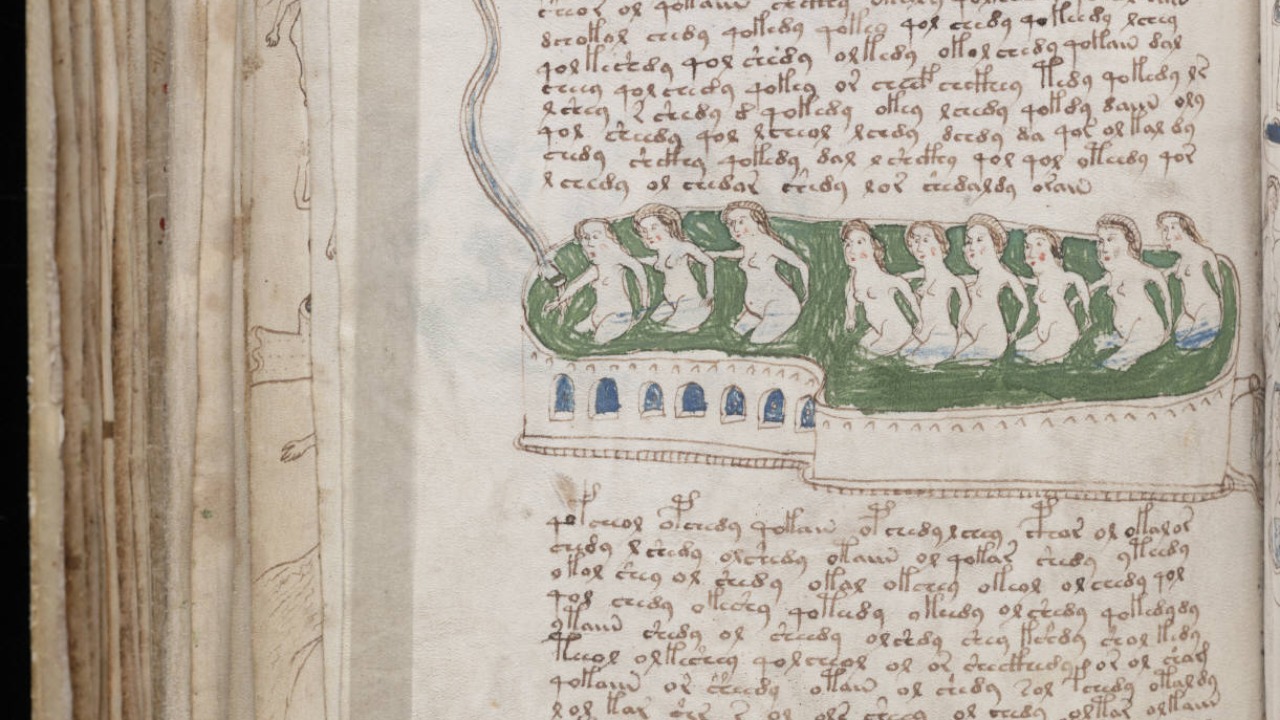
Several ancient texts provide evidence of advanced star maps. One such example is the Voynich Manuscript, a medieval document that contains the oldest known star map. This manuscript, filled with cryptic illustrations and text, has baffled researchers for centuries. However, the star map within its pages is a testament to the astronomical knowledge of the time.
Religious texts, too, hide star maps within their verses. Both the Bible and the Quran contain references to constellations and celestial events, indicating a deep understanding of the cosmos. These texts, while primarily spiritual, also serve as historical records of ancient astronomical knowledge. More on the Voynich Manuscript and its star map can be found here.
3. The Role of Hipparchus in Ancient Astronomy

Hipparchus, an ancient Greek astronomer, played a significant role in the development of star mapping. His work laid the foundation for much of our modern understanding of the cosmos. Hipparchus is credited with creating the first comprehensive star catalogue, a monumental achievement in the field of astronomy.
Interestingly, evidence of Hipparchus’ star catalogue has been found hidden in ancient religious texts. This discovery further underscores the depth of astronomical knowledge in ancient times and the influence of Hipparchus’ work on subsequent generations. More on Hipparchus and his star catalogue can be found here.
4. Advanced Star Maps in Non-European Cultures
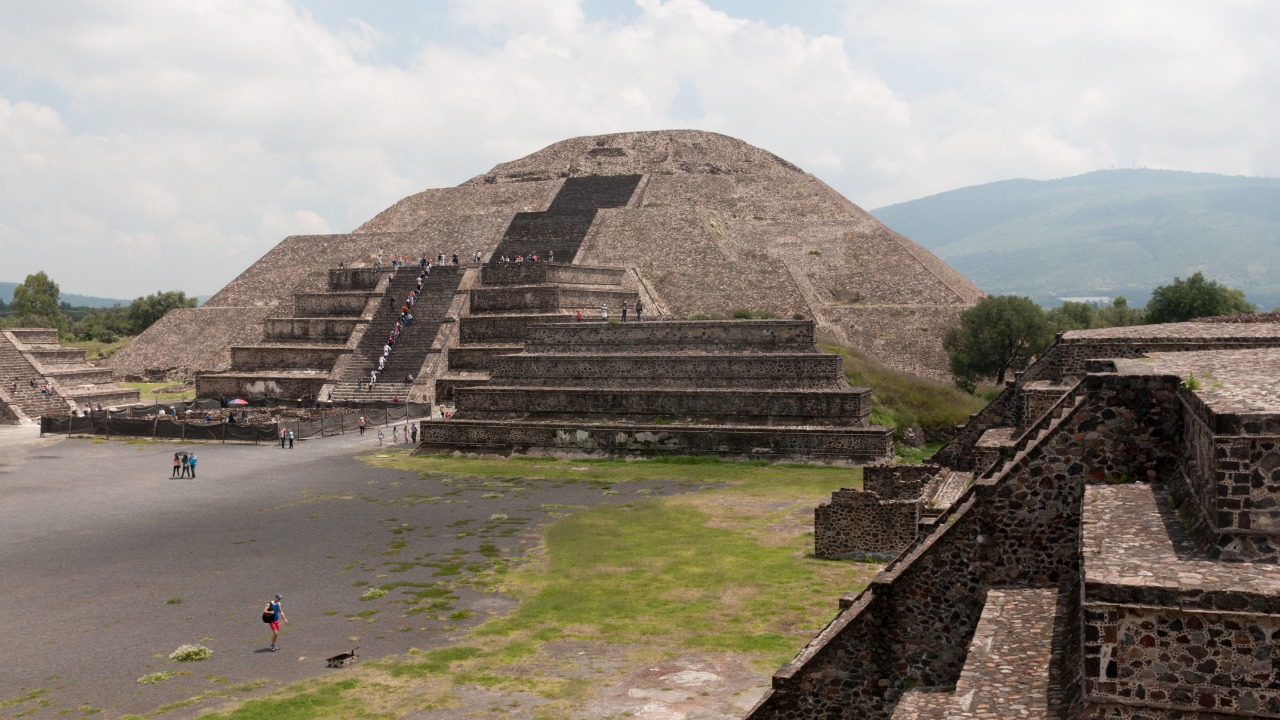
Advanced star maps are not exclusive to European cultures. Non-European ancient civilizations, such as the Chinese and Mayan, also possessed a deep understanding of the cosmos. These cultures created their own star maps, which served as crucial tools for navigation, timekeeping, and religious rituals.
For instance, a recent discovery of an ancient Chinese star map could be the oldest of its kind. This map provides valuable insights into the astronomical knowledge of ancient Chinese civilization and its understanding of the cosmos. More on the ancient Chinese star map can be found here.
5. Comparing Ancient and Modern Astronomy
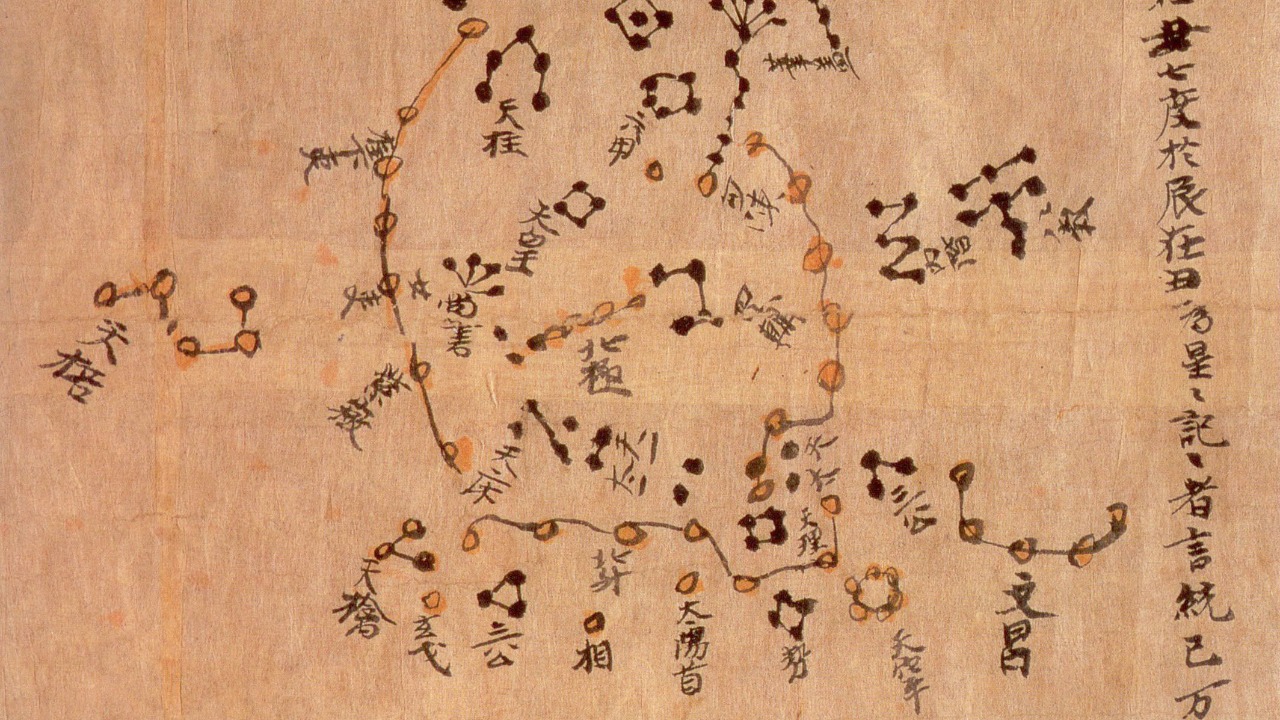
When comparing ancient star maps to our modern understanding of the cosmos, we find many similarities. The constellations recognized by our ancestors are largely the same ones we recognize today. This continuity speaks volumes about the accuracy and sophistication of ancient astronomical observations.
Moreover, ancient astronomical observations have greatly influenced modern astronomy. Many of the techniques and principles used by astronomers today have their roots in ancient times. From the creation of star catalogues to the use of constellations for navigation, our understanding of the cosmos is deeply rooted in the knowledge of our ancestors. More on the influence of ancient astronomy on modern practices can be found here.
