A groundbreaking archaeological discovery has unearthed an ancient temple that predates the Egyptian pyramids, offering new insights into early human civilization. This finding challenges our understanding of ancient societies and their capabilities, prompting historians and archaeologists to reevaluate the timeline of architectural development.
The Discovery of the Ancient Temple
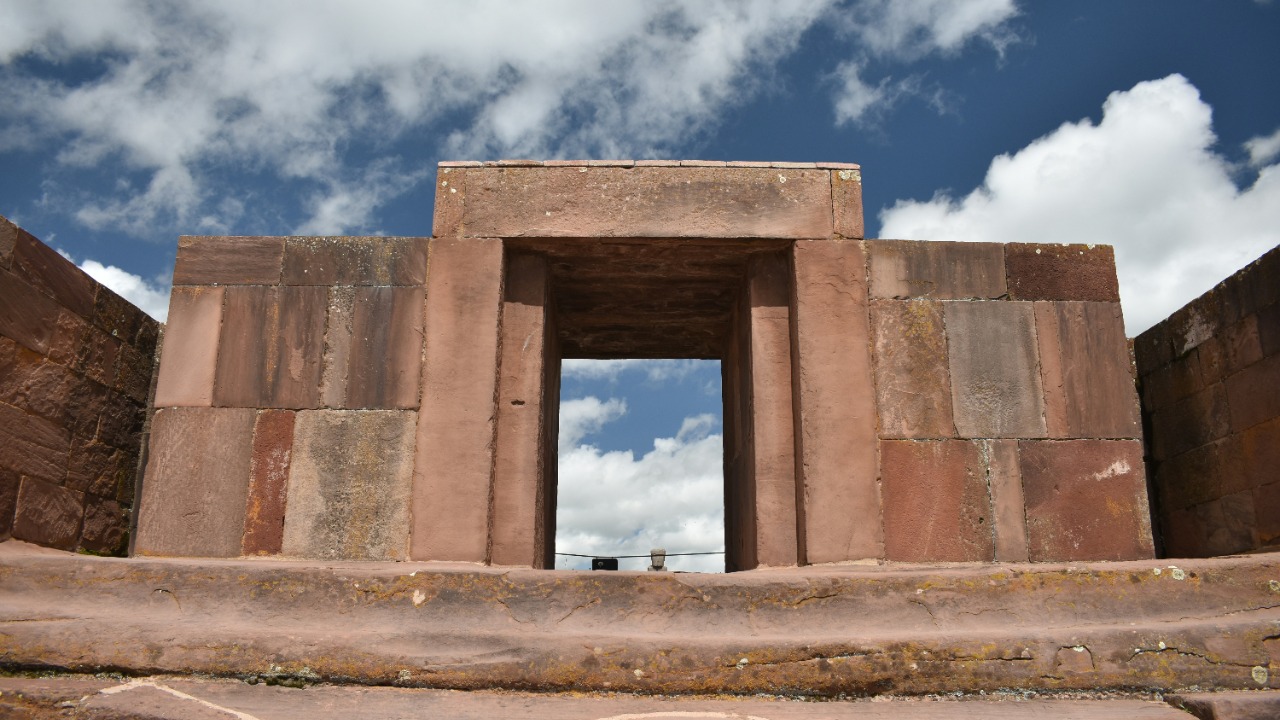
The recent unearthing of an ancient temple in Bolivia has captivated the archaeological community. Nestled in the highlands near the famous Tiwanaku site, this temple’s location provides a unique geographical context that has long intrigued researchers. The temple’s structure, with its intricately carved stone walls and expansive layout, suggests a sophisticated level of architectural skill. Key features include a series of altars and ceremonial platforms, indicating its likely use for religious or ceremonial purposes.
The significance of this discovery cannot be overstated. In archaeological circles, the temple is being compared to other monumental structures, such as Göbekli Tepe in Turkey, which also predates the Egyptian pyramids. Experts are particularly excited about the potential insights this site could offer into the technological capabilities of ancient civilizations. Initial reactions from the archaeological community highlight the temple’s potential to reshape our understanding of prehistoric societies and their architectural achievements. For more details on the discovery, visit ScienceAlert.
Historical Context and Civilization
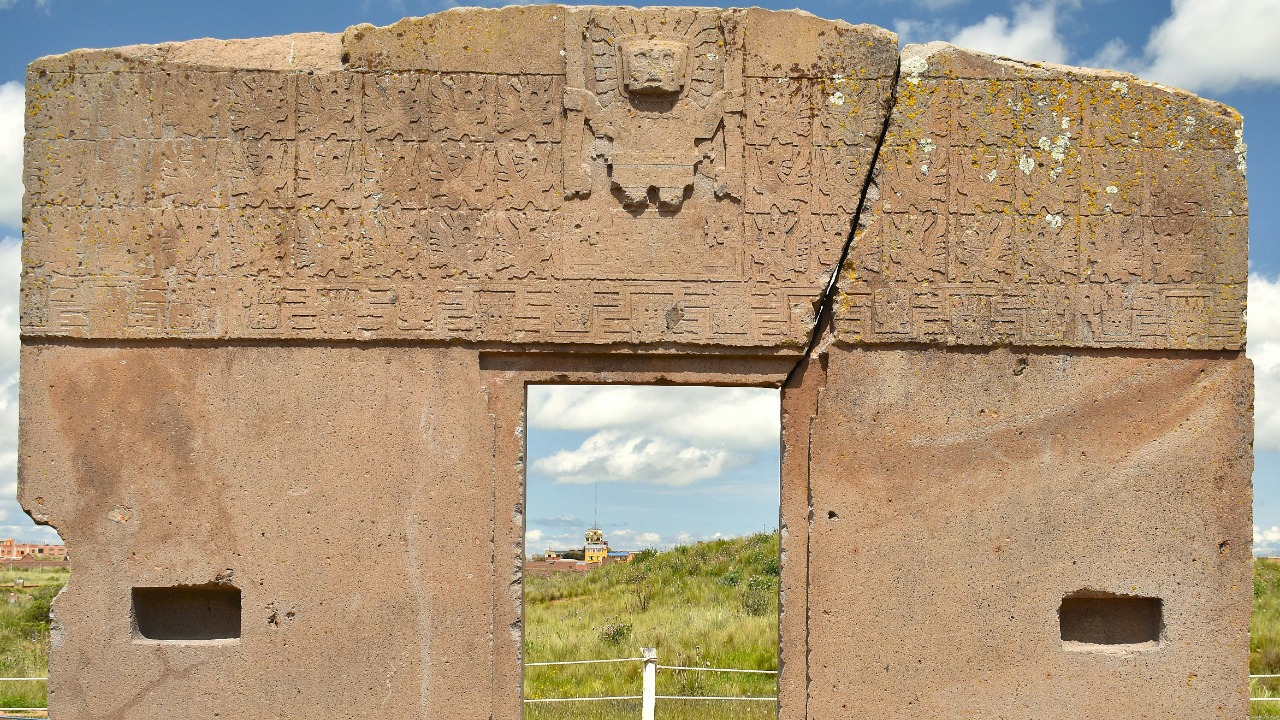
The civilization responsible for constructing this temple remains shrouded in mystery, yet it is believed to be a pre-Inca society with distinct cultural practices. Insights into their lifestyle suggest a community deeply connected to their environment, with a strong emphasis on religious and ceremonial activities. The temple’s design and artifacts found within hint at possible connections to other ancient civilizations, such as the Tiwanaku, known for their advanced stonework and urban planning.
This discovery significantly impacts our understanding of early human settlements. It provides evidence of complex societal structures and religious practices that predate many known civilizations. The temple’s existence suggests that religious or ceremonial practices played a crucial role in the social organization of these early communities. Such findings contribute to a broader understanding of how prehistoric societies developed and interacted with their surroundings. For additional insights, explore the report on CNN.
Comparative Analysis with Other Ancient Structures
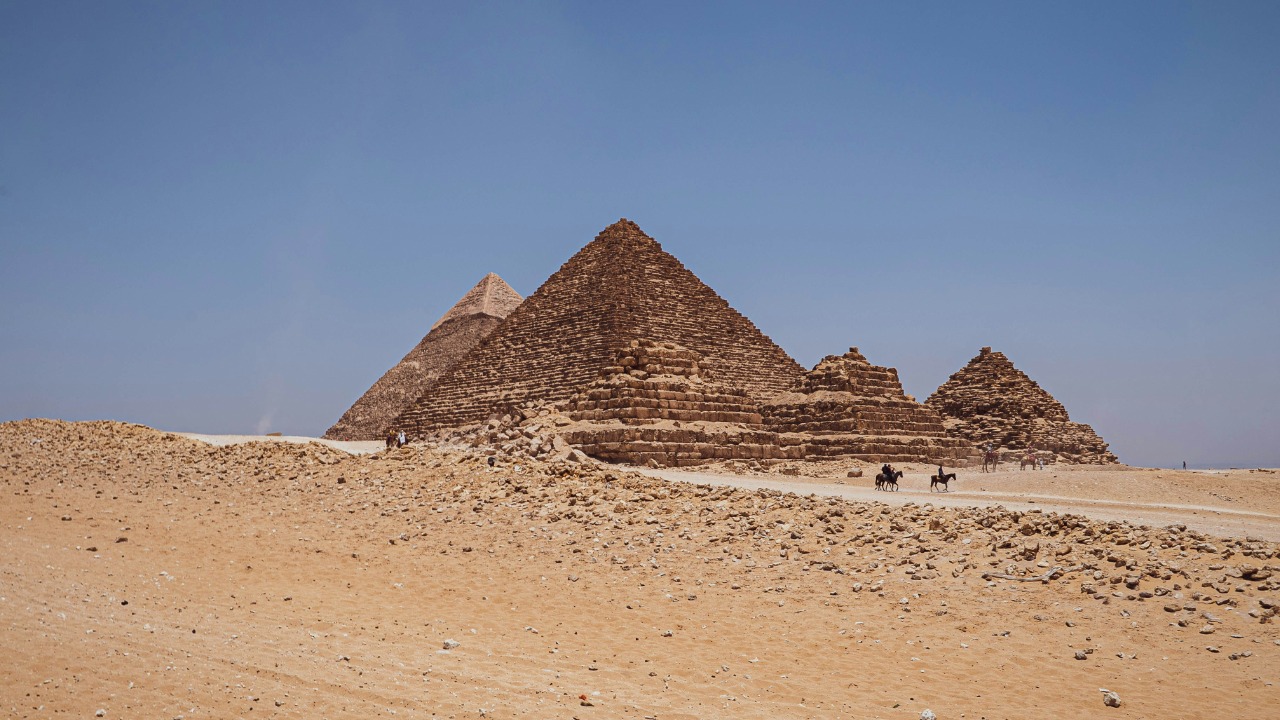
When comparing this ancient temple to the Egyptian pyramids, several architectural similarities and differences emerge. While both structures exhibit advanced construction techniques, the temple’s design reflects a distinct cultural and religious context. Unlike the pyramids, which primarily served as tombs, this temple appears to have been a center for communal gatherings and spiritual ceremonies. The technological advancements evident in the temple’s construction, such as precise stone cutting and alignment, demonstrate a level of sophistication comparable to that of the pyramid builders.
Other significant discoveries, like the underwater pyramid off the coast of Cuba, further challenge historical narratives by suggesting that advanced architectural practices were more widespread than previously thought. These findings, alongside the temple, imply a need to reconsider the chronology of ancient human achievements. For more on these groundbreaking discoveries, visit New York Post and World Atlas.
Technological and Methodological Advances in Archaeology
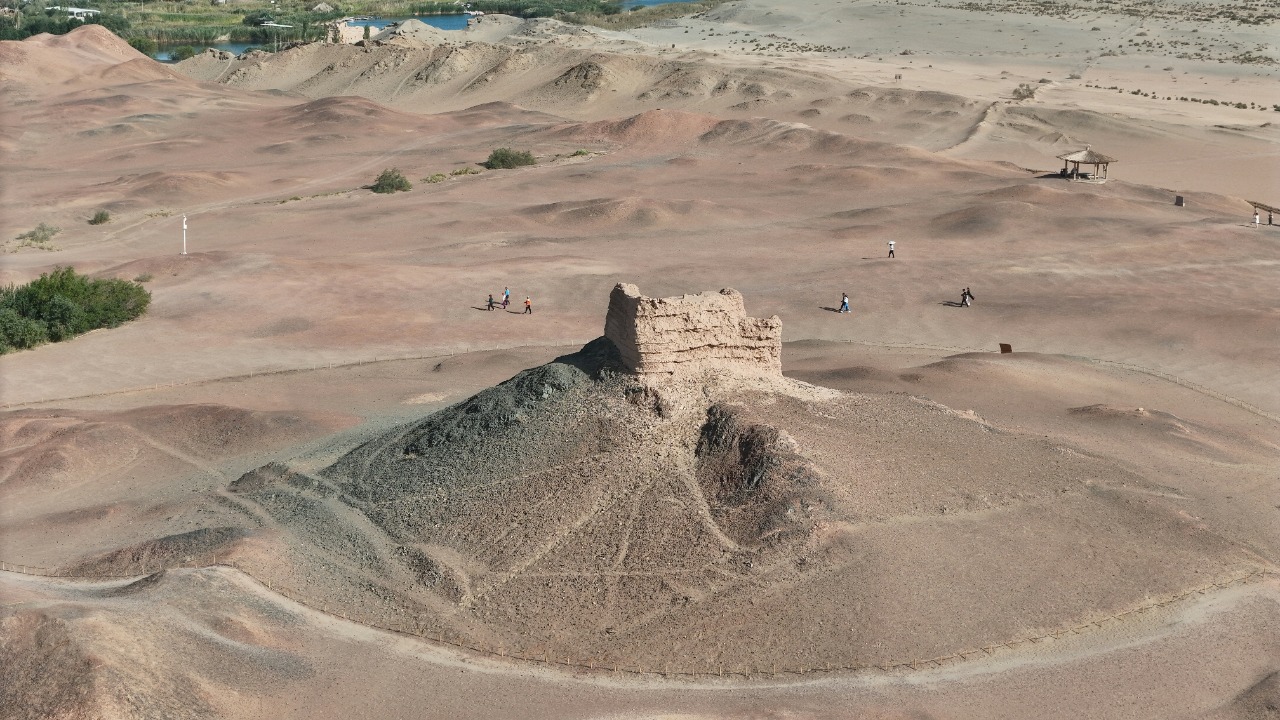
Modern archaeological techniques played a crucial role in the excavation and analysis of this ancient temple. Advanced tools, such as ground-penetrating radar and 3D mapping, were instrumental in uncovering the temple’s structure without causing damage. These technologies also aided in accurately dating the site and preserving its artifacts for future study. The use of such methods highlights the importance of technology in advancing our understanding of ancient civilizations.
Despite these advancements, archaeologists faced several challenges during the excavation process. The remote location and harsh environmental conditions posed significant logistical difficulties. Additionally, ethical considerations regarding the preservation of historical sites remain a priority. Ensuring that these ancient treasures are protected for future generations is a responsibility that archaeologists take seriously, balancing the need for exploration with the imperative of conservation.
The Future of Archaeological Research
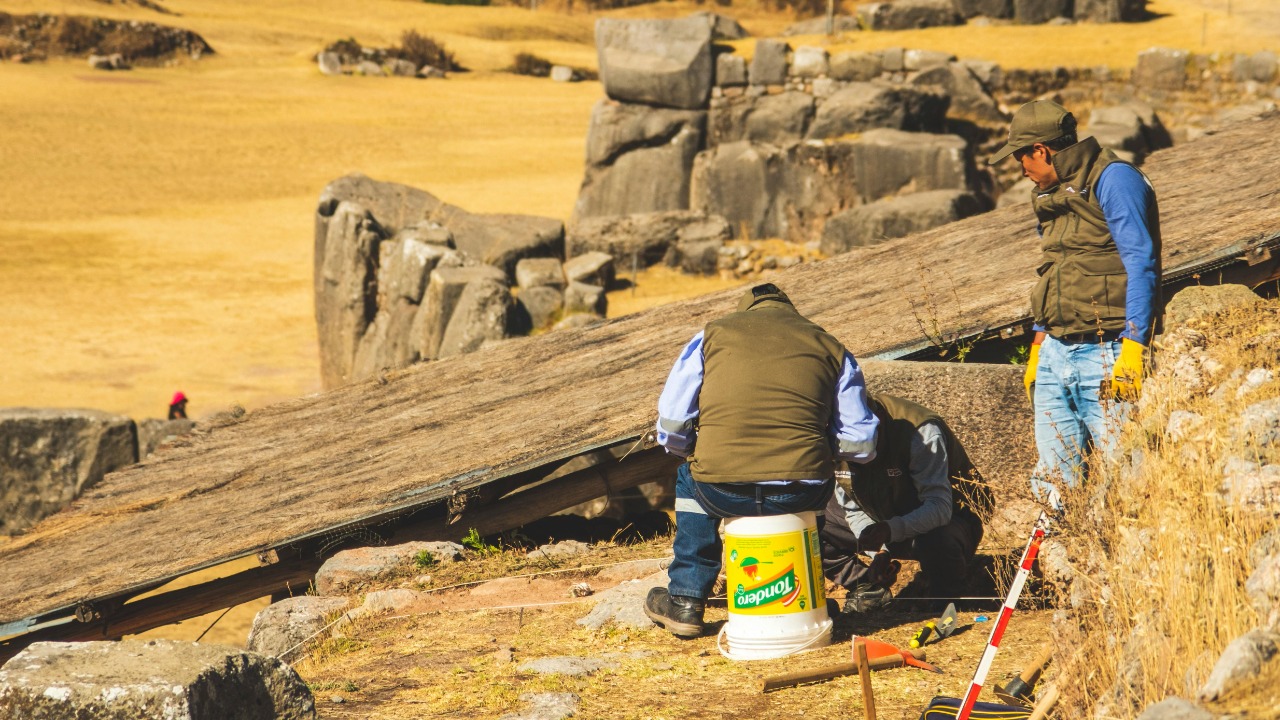
The discovery of this ancient temple opens up exciting possibilities for future archaeological research in the region. Several areas have been identified for further exploration, with the potential to uncover more about the civilization that built the temple. These prospects are particularly promising given the rich historical context of the Andes, a region known for its diverse and complex ancient cultures.
Broader implications for the study of human history are evident, as this discovery may influence future archaeological research and education. It underscores the importance of continued funding and support for archaeological endeavors, ensuring that we can continue to uncover the secrets of our past. As we learn more about these ancient societies, we gain a deeper appreciation for the ingenuity and resilience of early human civilizations.
