
Unearthing the secrets of antiquity, archaeologists have unveiled a significant discovery: a meticulously sculpted ancient temple housing tombs that date back 2,500 years. This remarkable find offers exceptional insights into the culture, traditions, and beliefs of the civilization that constructed them.
The Discovery Site: An Overview
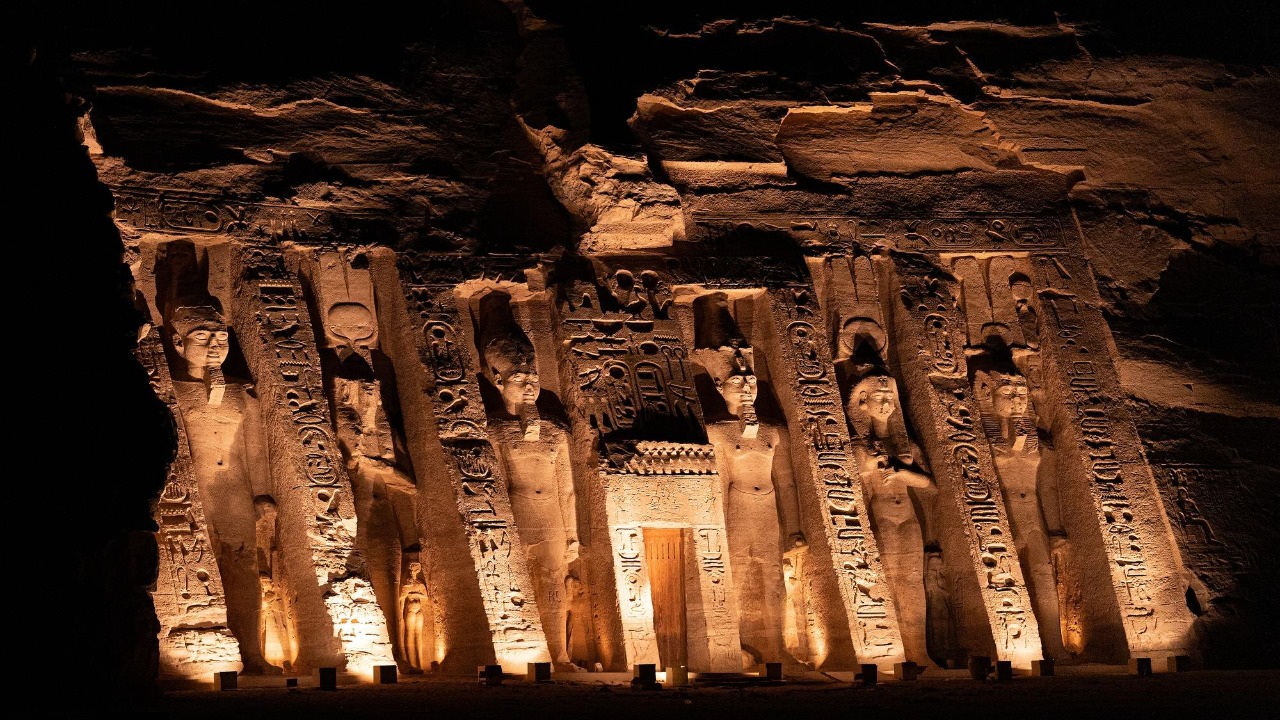
The excavation site, a spectacular ancient temple shrouded in mystery, is nestled in a historically rich region known for its archaeological treasures. The temple’s architectural grandeur, along with the unearthed tombs, holds immense historical significance and serves as a testament to the advanced construction techniques of ancient civilizations. The archaeological importance of this site is further emphasized by its potential to shed light on a largely unexplored epoch in human history. For more detailed information, refer to this comprehensive book on the subject.
The discovery of the tombs within the temple premises has elevated the cultural context of the site. The tombs, a reflection of the civilization’s funeral practices and beliefs about the afterlife, offer us a unique opportunity to delve deeper into the past and broaden our understanding of this civilization’s cultural fabric.
Excavation Process and Challenges
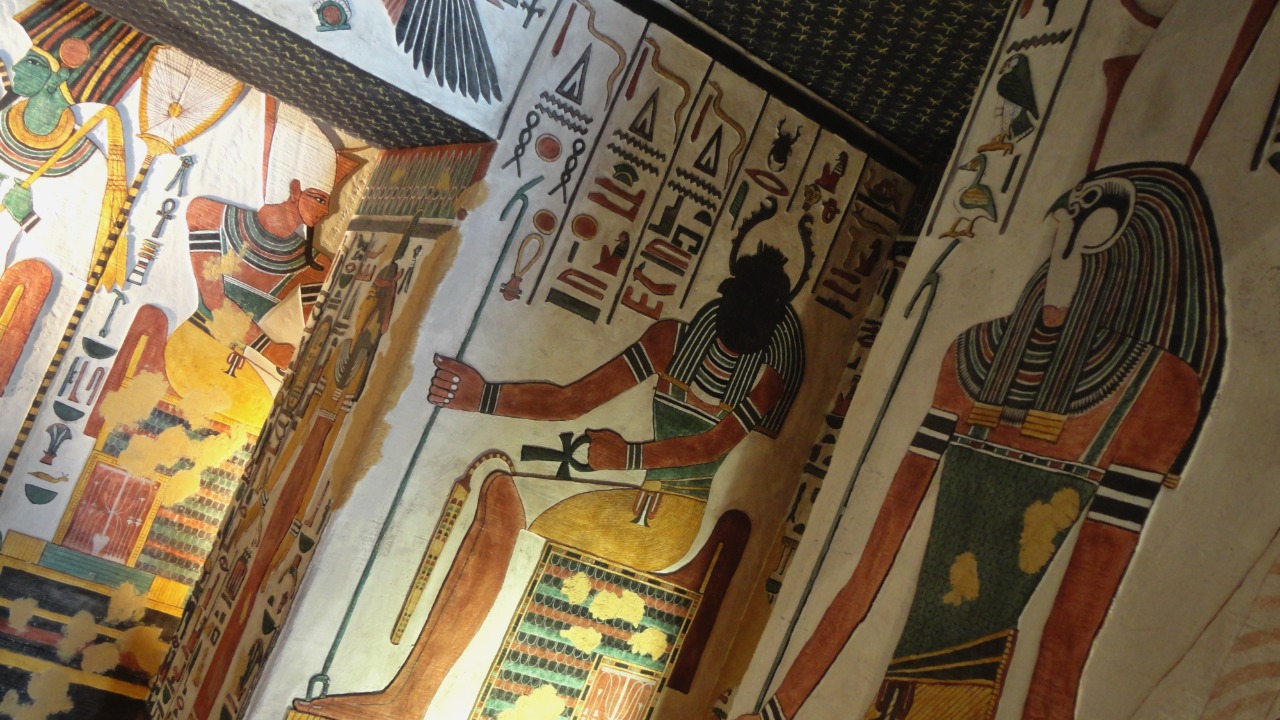
The excavation process was a meticulously planned and executed operation. Archaeologists employed non-invasive techniques, such as ground-penetrating radar, to identify potential burial sites within the temple complex. Detailed drawings and photographic documentation were used to record the site’s layout and the position of each tomb.
However, the excavation was not without its challenges. Environmental factors, such as weather conditions and soil composition, posed significant hurdles. Furthermore, the delicate state of the artifacts and structural integrity of the tombs necessitated careful handling to avoid any damage. Innovative preservation techniques, such as the use of biopolymers to strengthen vulnerable structures, were employed to overcome these obstacles.
Inside the Tombs: Findings and Analysis
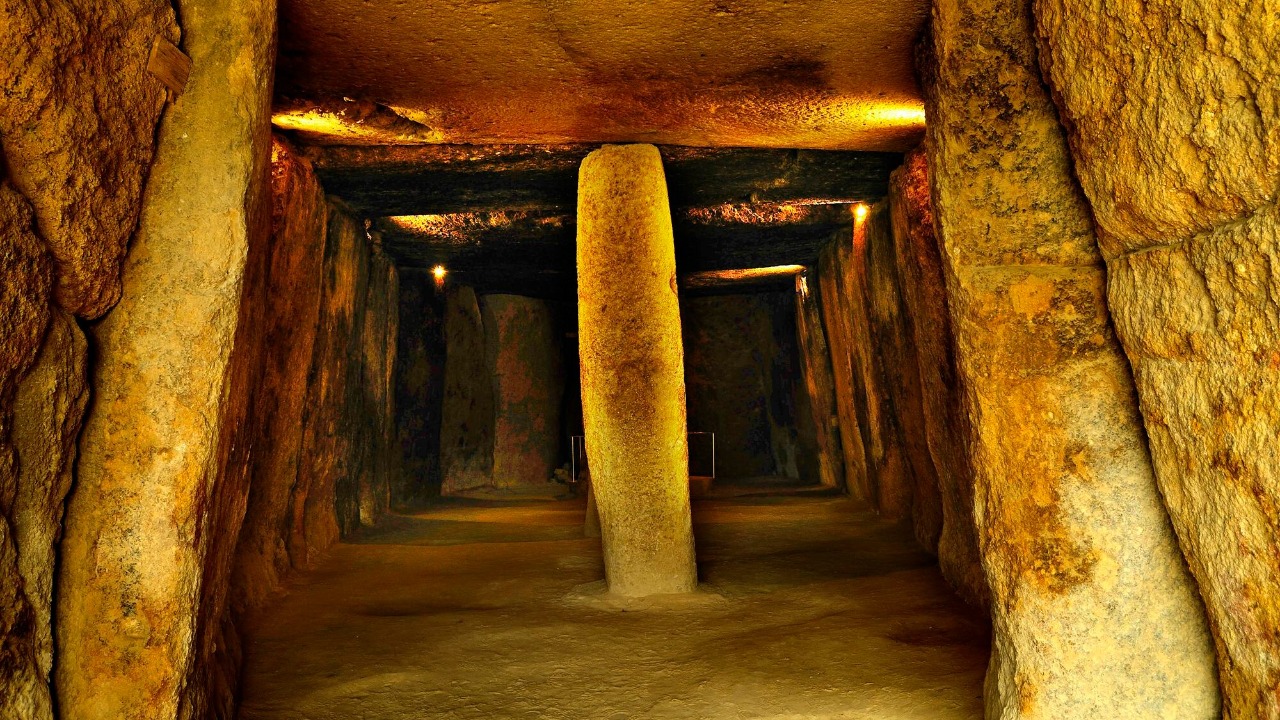
The tombs, intricately designed and remarkably well-preserved, revealed a wealth of information. Their structure and size indicated the high social status of the individuals interred within. Notable artifacts, including jewelry, pottery, and weapons, were found alongside the remains, giving us a glimpse into their lifestyle and societal roles.
More intriguingly, several tombs featured inscriptions and symbols. These are currently under analysis to decipher their meanings. The preliminary interpretation suggests religious and cosmological significance, hinting at the civilization’s spiritual beliefs and understanding of the universe. Further details on the findings can be found in this recent news report.
Historical Implications of the Discovery
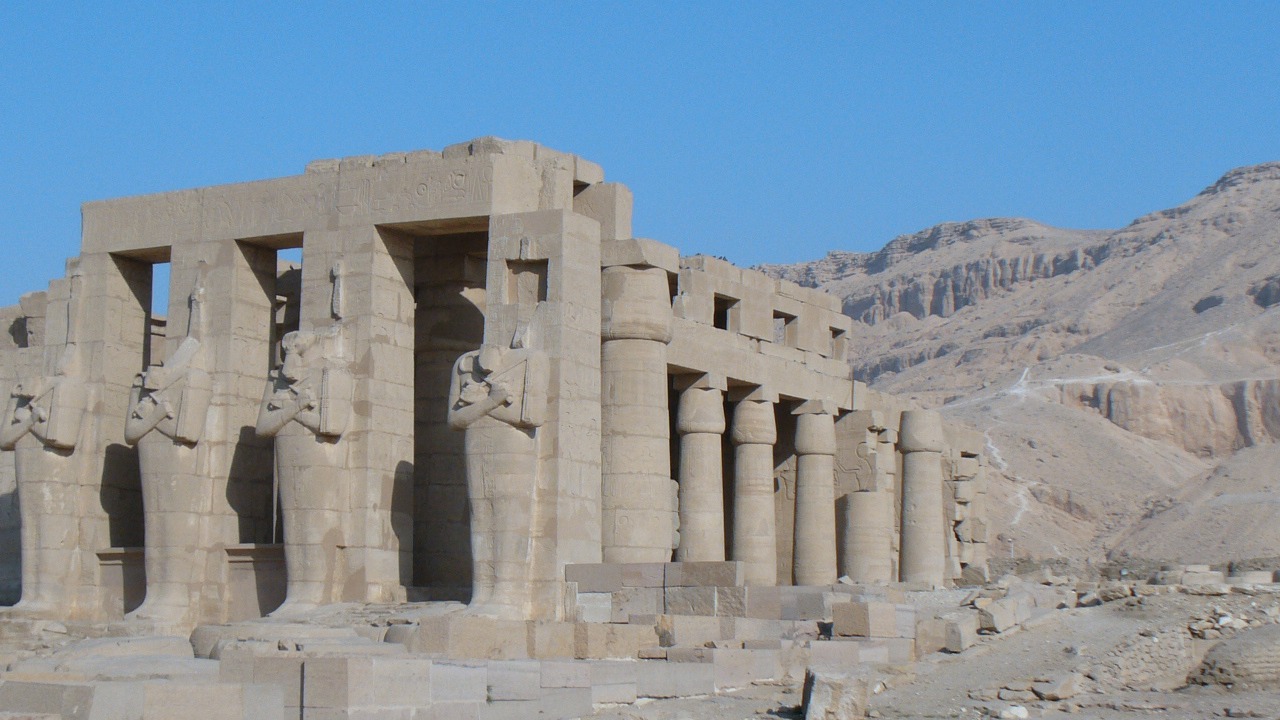
The discovery of these tombs offers a fresh lens through which to view this ancient civilization’s history and culture. It provides a tangible link to a past that has been largely speculative until now. A comparison with similar structures found elsewhere, such as the tombs in Egypt’s Ramesseum temple, can help in understanding commonalities and differences among ancient civilizations.
The implications of this discovery extend beyond historical interest. It opens up new avenues for archaeological research, encouraging scholars to revisit previously held assumptions and theories about this civilization and its contemporaries.
Preservation and Future Plans

Upon completion of the excavation, steps were taken to ensure the preservation of the tombs and artifacts. The site has been secured, and the artifacts are being carefully stored and cataloged. In addition to physical preservation, digital documentation has been undertaken to create a comprehensive record of the site and findings.
Looking ahead, plans for further exploration of the site are underway. There is also a proposal to eventually make the site accessible to the public, allowing people to witness this remarkable piece of history firsthand. However, the paramount concern remains the preservation of the site, requiring the cooperation and support of the local community and authorities. For more on the importance of preserving archaeological sites, refer to this scientific article.
