Recent archaeological discoveries beneath ancient pyramids have uncovered a myriad of mysterious symbols that offer new insights into past civilizations. These symbols, etched into stone and other materials, hint at the cultural, religious, and societal aspects of ancient peoples. Delving into these symbols reveals fascinating glimpses into the ancient world and its enduring legacy.
The Discovery of Symbols Under Pyramids

Archaeological digs at various pyramid sites have led to the remarkable discovery of ancient symbols, previously hidden beneath layers of history. These digs, often conducted by teams of international experts, have employed both traditional excavation methods and cutting-edge technology to unearth these enigmatic markings. Notable sites include the pyramids of Giza and other lesser-known structures in Central and South America, where symbols have been found intricately carved into stone and other durable materials.
In the excavation process, archaeologists have used a combination of ground-penetrating radar, 3D imaging, and photogrammetry to map the locations of these symbols accurately. These techniques have allowed researchers to document the symbols meticulously, preserving their details for further study. Among the key sites, the Great Pyramid of Giza stands out for its impressive array of symbols that continue to baffle and intrigue scholars. Additionally, sites like Teotihuacan in Mexico have revealed symbols that offer a glimpse into the rich tapestry of Mesoamerican culture.
Deciphering the Symbols
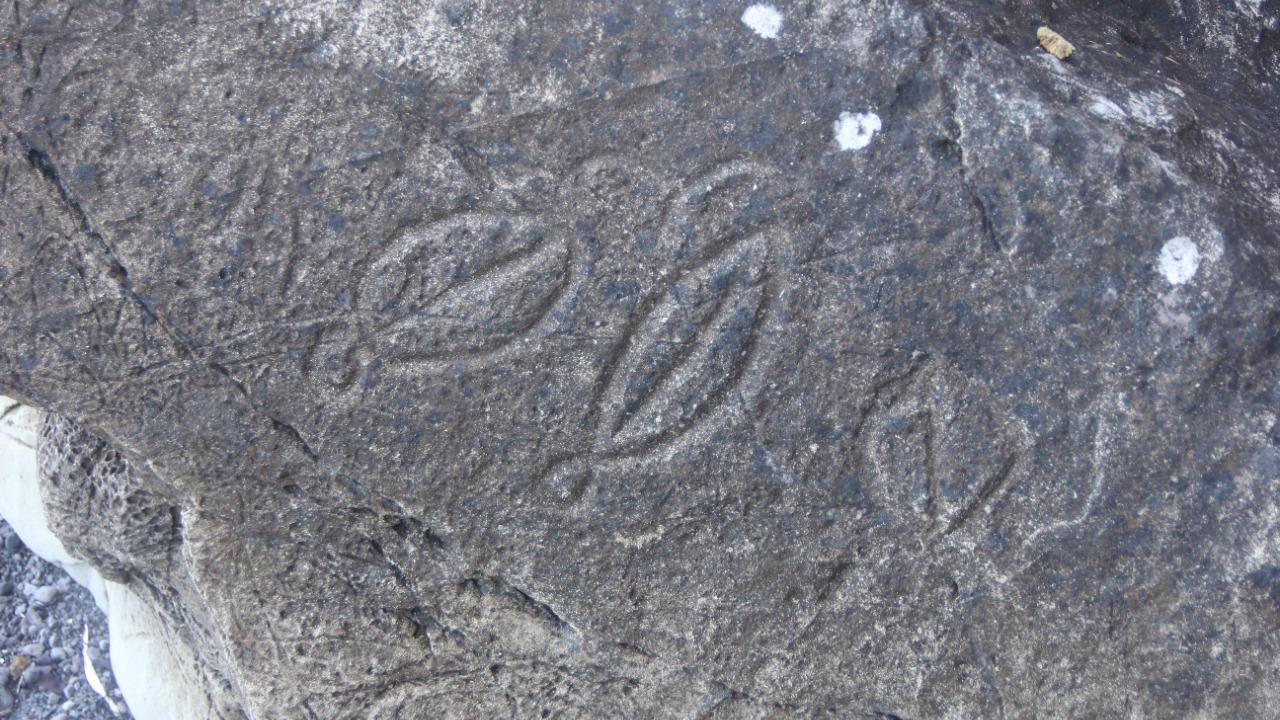
Deciphering these ancient symbols is a task that involves both linguists and historians working in tandem to unlock their meanings. Many of these symbols bear a resemblance to known hieroglyphics or ancient scripts, providing a starting point for translation. However, the complexity and variation of these symbols pose significant challenges to researchers. Each symbol’s context and placement within the pyramids add layers of meaning that require careful analysis.
The process of interpreting these symbols is often compared to solving a complex puzzle. Scholars have drawn comparisons between the newly discovered symbols and other well-documented hieroglyphics, such as those used in Ancient Egyptian symbols. Despite these efforts, many symbols remain shrouded in mystery, and researchers continue to debate their meanings. The challenges in translation are compounded by the fact that some symbols may represent concepts or ideas that have no modern equivalent, making interpretation an ongoing endeavor.
Historical Context and Cultural Significance
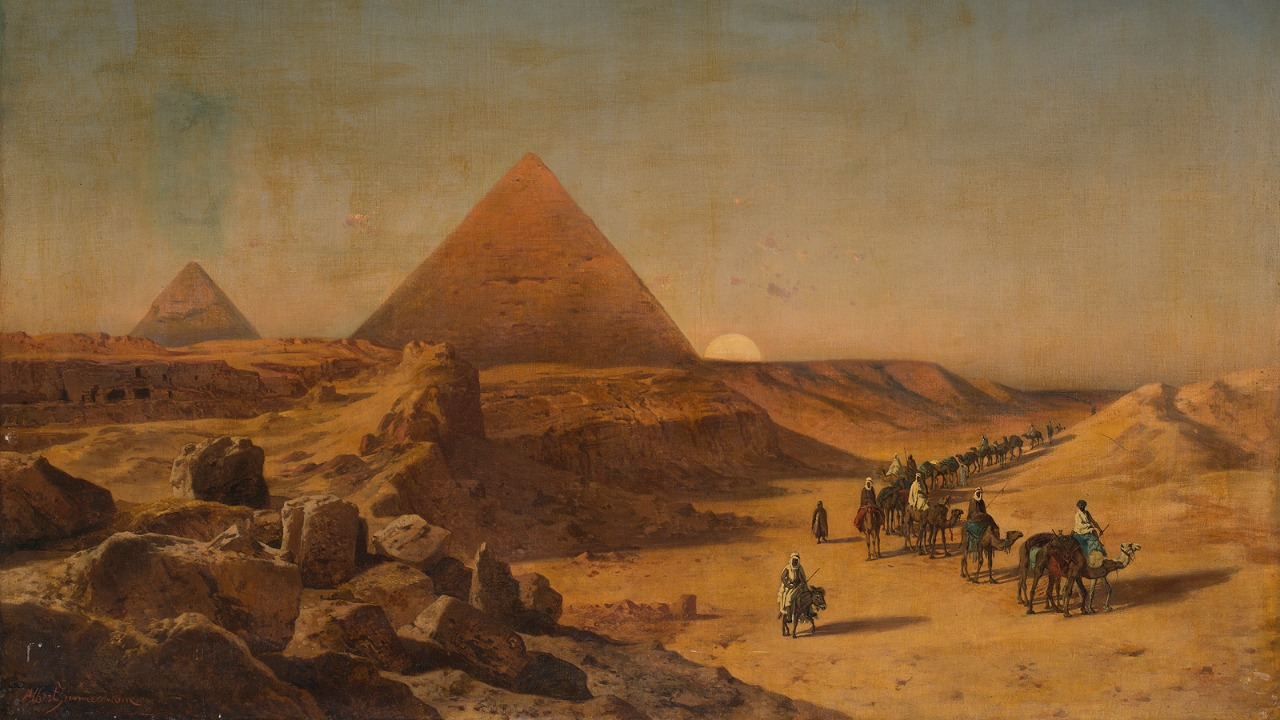
The symbols discovered under the pyramids are more than mere markings; they offer a window into the daily lives and beliefs of the ancient civilizations that created them. These symbols often reflect the religious practices and societal norms of their time, providing valuable insights into the cultures from which they originated. For instance, many symbols depict deities, rituals, and mythologies that were central to the belief systems of these ancient peoples.
Moreover, these symbols can be seen as a record of historical events and societal changes. They often depict scenes of conquest, trade, and diplomacy, highlighting the interconnectedness of ancient civilizations. The influence of religious beliefs is particularly evident, with symbols frequently portraying gods and goddesses, as well as celestial bodies that were worshipped and revered.
Influence on Modern Symbolism
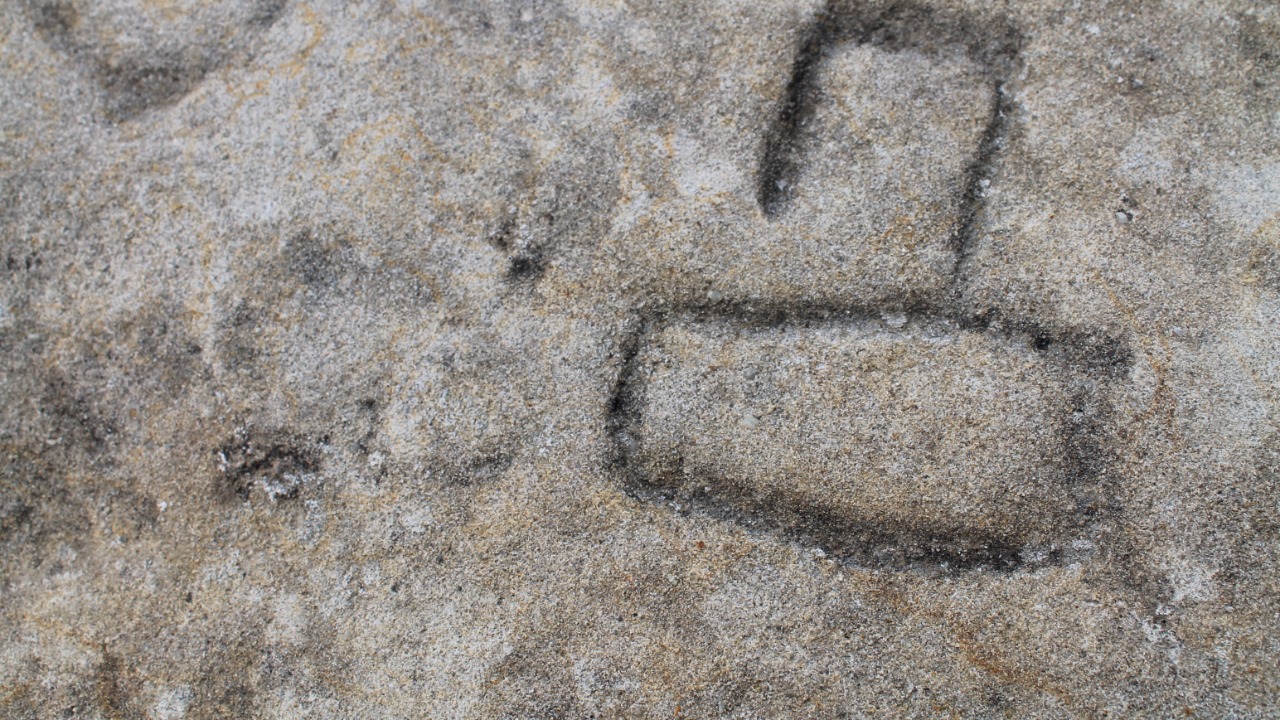
The impact of ancient symbols on modern iconography and symbolism is undeniable. Many symbols have persisted over time, evolving and adapting to fit new contexts and meanings. For example, the ankh, a symbol of life in ancient Egypt, has found its way into contemporary culture, representing eternal life and spiritual awakening. Similarly, the Eye of Horus, once a symbol of protection and royal power, is now widely recognized in various forms of art and jewelry.
Case studies of specific symbols reveal fascinating stories of cultural transmission. The symbols on the U.S. dollar bill, for instance, are steeped in historical and symbolic meanings that trace back to ancient times. These examples illustrate how ancient symbols continue to resonate with modern societies, influencing everything from fashion to architecture.
Technological Innovations in Archaeology
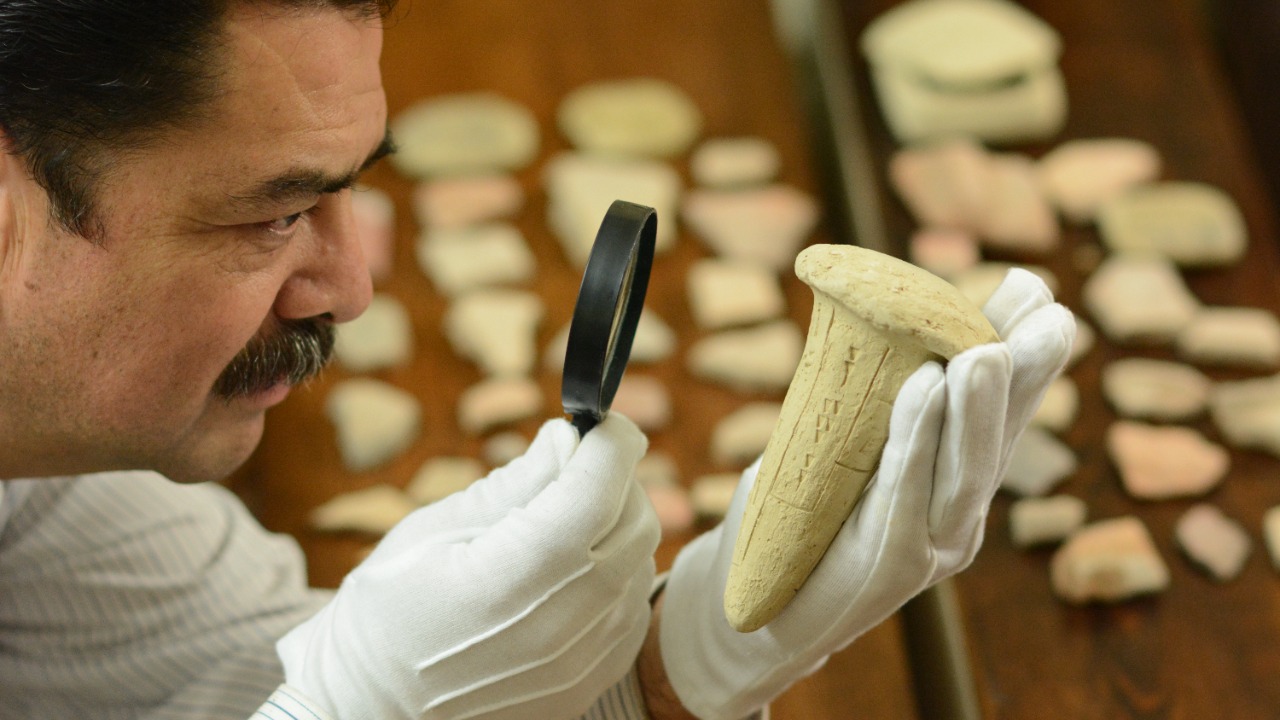
Advancements in technology have revolutionized the field of archaeology, particularly in the study of ancient symbols. Tools such as laser scanning, digital reconstruction, and artificial intelligence have enhanced researchers’ ability to discover and analyze these symbols with unprecedented precision. For example, AI algorithms can now assist in pattern recognition, helping to identify and categorize symbols more efficiently.
The role of digital technology in preserving these symbols cannot be overstated. High-resolution imaging and 3D modeling allow for detailed documentation, ensuring that these cultural treasures are protected for future generations. As technology continues to evolve, the potential for new discoveries grows. The integration of virtual reality and augmented reality could further transform the way we experience and understand these ancient symbols, offering immersive insights into the past.
The Global Significance of Ancient Symbols
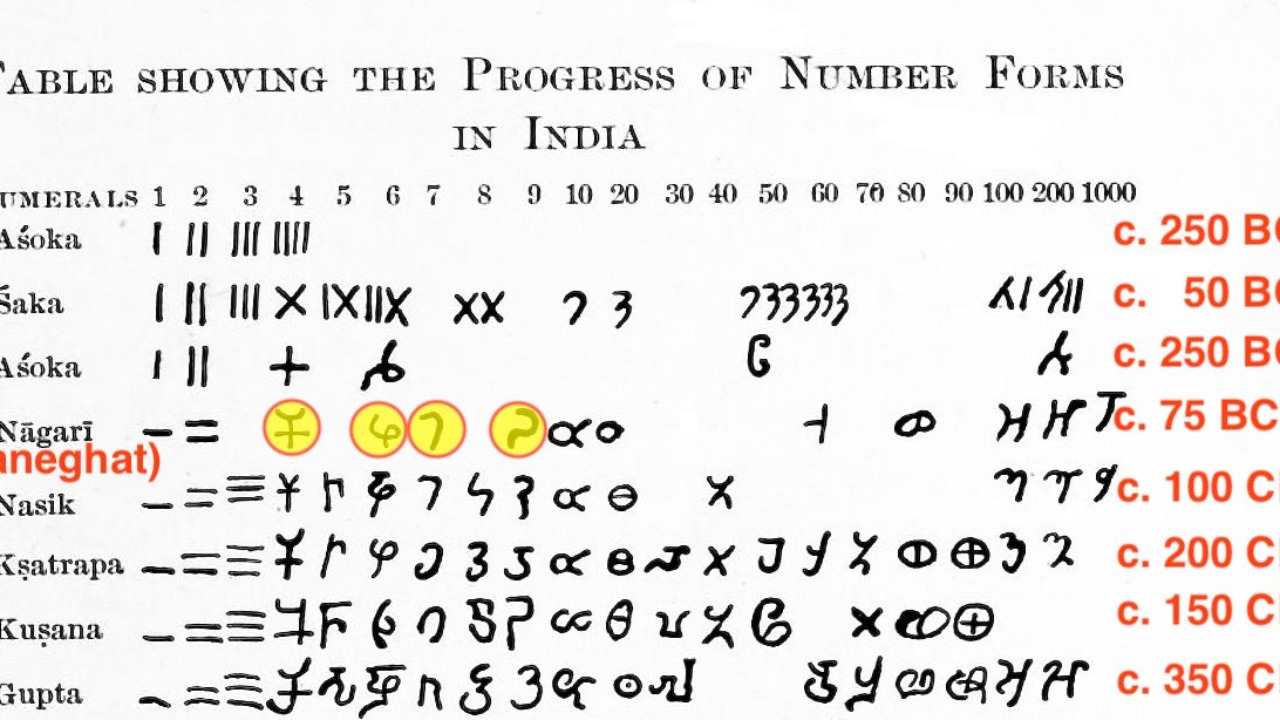
The discovery of symbols beneath pyramids holds profound implications for our understanding of global history. By comparing symbols from different ancient civilizations, researchers can trace cultural exchanges and interactions that shaped the course of history. This comparative study reveals a rich tapestry of interconnectedness, where symbols served as a universal language bridging diverse cultures.
The ongoing impact of these discoveries extends beyond the academic realm. They challenge us to reconsider our perceptions of history and the ways in which symbols have influenced human thought and expression. As researchers continue to uncover and interpret these symbols, the fields of archaeology and anthropology are poised for exciting developments. The global significance of ancient symbols lies in their ability to connect us to our shared heritage, offering timeless insights into the human experience.
