Deep in the Amazon rainforest, researchers have uncovered an ancient structure that rivals the size of some modern cities. Utilizing advanced technologies like LIDAR, scientists have revealed vast, complex settlements that suggest a sophisticated civilization once thrived here. This discovery challenges our understanding of the Amazon and the people who lived there long before European colonization.
The Discovery of the Amazon’s Ancient Structure
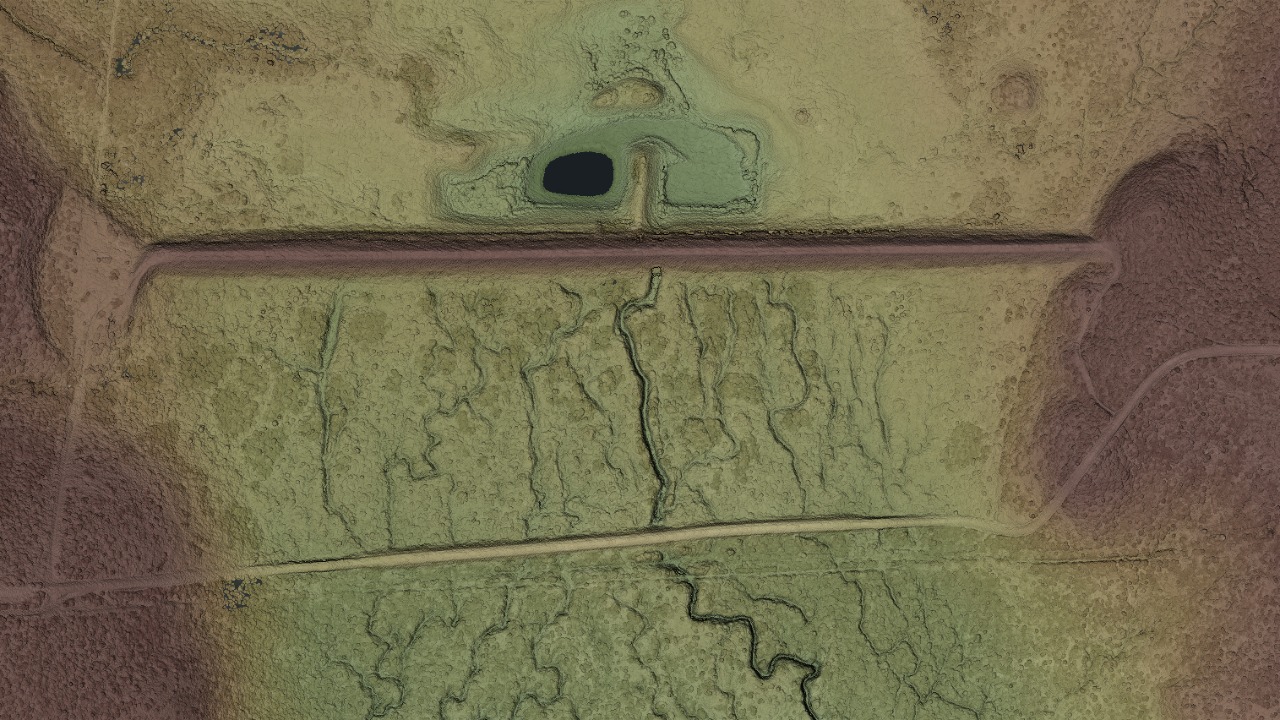
LIDAR Technology and Its Role
LIDAR, which stands for Light Detection and Ranging, is a remote sensing method that uses light in the form of a pulsed laser to measure variable distances to the Earth. This technology is instrumental in mapping areas that are otherwise inaccessible due to dense vegetation, such as the Amazon rainforest. By sending out laser pulses and measuring the time it takes for them to return, LIDAR creates detailed, three-dimensional maps of the ground surface, revealing structures hidden beneath the forest canopy.
In the Amazon, LIDAR has been pivotal in uncovering previously unknown ancient structures. The dense forest, which has long concealed these sites, is no match for LIDAR’s penetrating capabilities. This technology has allowed researchers to map out vast areas, revealing the existence of complex settlements that were once bustling with activity. The use of LIDAR has transformed our understanding of the Amazon, showing that it was home to large, organized societies with sophisticated infrastructure.
Details of the Unearthed Structure
The newly discovered structure in the Amazon is remarkable in its size and complexity. Spanning an area comparable to some modern cities, these ancient settlements feature a network of roads, plazas, and residential areas. The layout suggests a high level of planning and organization, indicative of a society with advanced urban planning skills. Initial reactions from archaeologists and researchers have been ones of awe and excitement, as these findings challenge long-held assumptions about the Amazon’s history.
Researchers have been particularly struck by the scale of these structures. The settlements are not just isolated villages but are part of a larger network of interconnected communities. This discovery has prompted a reevaluation of the region’s history, suggesting that the Amazon was home to a thriving civilization capable of supporting large populations through innovative agricultural practices and city planning.
Historical Significance and Cultural Insights

The Civilization Behind the Structure
The people who built these structures were part of a sophisticated civilization that thrived in the Amazon long before European colonization. Evidence suggests that they engaged in advanced agricultural practices, utilizing techniques that allowed them to cultivate the land sustainably. The layout of the settlements indicates a society with a deep understanding of urban planning, capable of organizing large populations in a harmonious and efficient manner.
These insights into the civilization behind the structures provide a glimpse into a world that was once vibrant and dynamic. The use of indigenous technologies and knowledge played a crucial role in sustaining these large populations, highlighting the ingenuity and adaptability of the people who lived in the Amazon. This discovery not only enriches our understanding of the region’s history but also underscores the importance of preserving indigenous knowledge and practices.
Implications for Our Understanding of Pre-Colonial Amazon
The discovery of these ancient structures has significant implications for our understanding of the Amazon’s history. It challenges the narrative that the region was sparsely populated and devoid of complex societies before European contact. Instead, it reveals a landscape that was home to large, organized communities with sophisticated infrastructure and agricultural systems.
This new understanding of the Amazon’s past highlights the role of indigenous knowledge and technologies in sustaining large populations. It also underscores the importance of reexamining historical narratives to include the contributions and achievements of indigenous peoples. By doing so, we can gain a more comprehensive understanding of the region’s history and its significance in the broader context of human civilization.
Environmental and Archaeological Impact
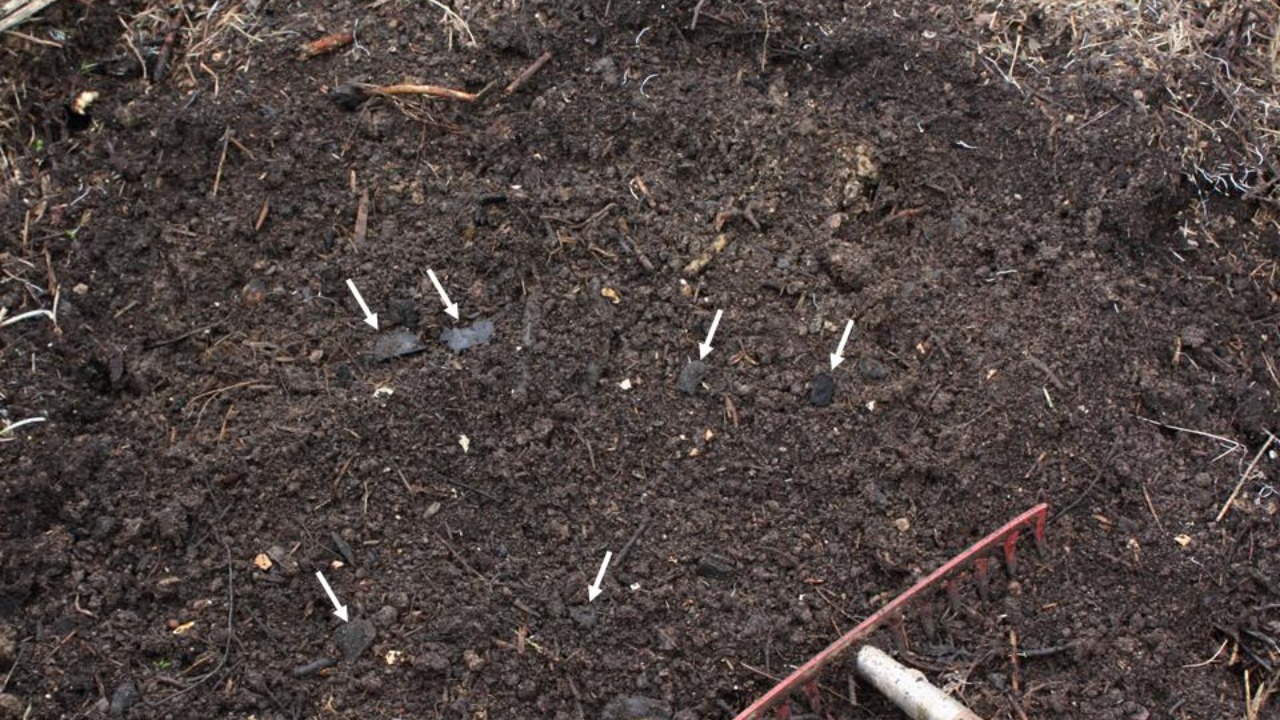
The Role of Terra Preta (Amazonian Dark Earth)
One of the key factors that enabled the ancient Amazonian civilizations to thrive was the use of terra preta, or Amazonian dark earth. This rich, fertile soil was created through the addition of charcoal, bone, and other organic materials, enhancing its nutrient content and agricultural productivity. Terra preta allowed the inhabitants to cultivate crops sustainably, supporting large populations in an otherwise challenging environment.
The significance of terra preta extends beyond its agricultural benefits. It represents a sophisticated understanding of soil management and environmental stewardship, highlighting the ingenuity of the ancient Amazonian peoples. This knowledge has the potential to inform modern agricultural practices, offering insights into sustainable farming techniques that could benefit contemporary societies.
Conservation and Preservation Challenges
The discovery of these ancient structures presents both opportunities and challenges for conservation and preservation efforts. Protecting these sites is crucial to preserving the cultural heritage and historical significance of the Amazon. However, balancing archaeological research with environmental conservation poses significant challenges, particularly in a region as ecologically sensitive as the Amazon rainforest.
Ongoing efforts to protect these sites involve collaboration between archaeologists, conservationists, and local communities. These efforts aim to ensure that the sites are preserved for future generations while also respecting the rights and knowledge of indigenous peoples. The challenges of conservation highlight the need for sustainable approaches that prioritize both cultural preservation and environmental protection.
Implications for Modern Urban Planning
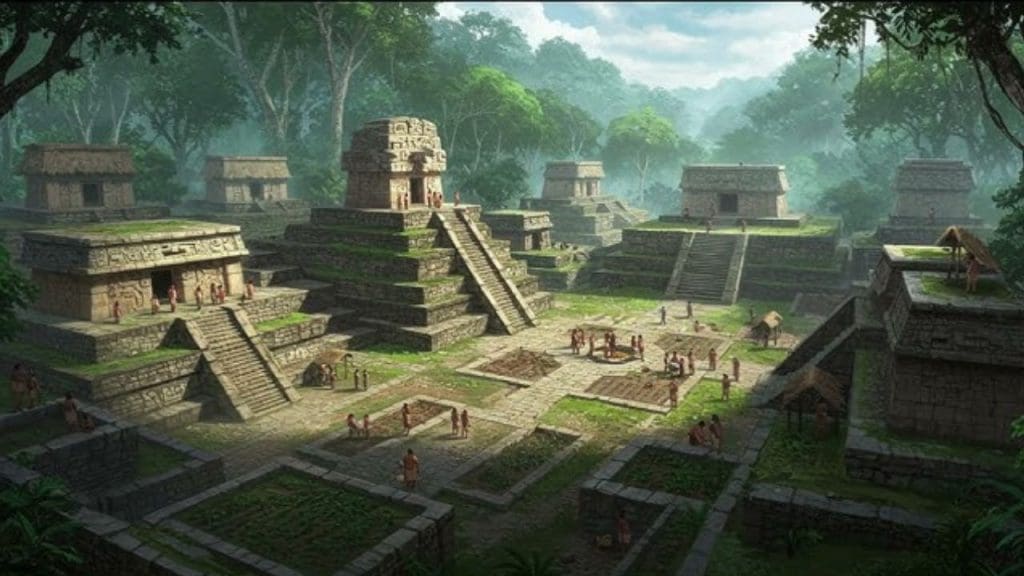
Lessons from Ancient Urban Planning
The ancient Amazonian cities offer valuable lessons for modern urban planning. The layout and sustainability of these settlements demonstrate the importance of integrating natural landscapes into urban design. By studying these ancient cities, modern planners can learn how to create urban environments that are both functional and harmonious with the natural world.
One potential application of these lessons is the incorporation of indigenous technologies and practices into contemporary urban development. By drawing on the knowledge and techniques of ancient Amazonian societies, modern cities can develop more sustainable and resilient infrastructures. This approach not only benefits urban planning but also promotes the preservation and appreciation of indigenous knowledge.
Reimagining the Amazon’s Future
The discovery of these ancient structures has the potential to influence future policies and conservation efforts in the Amazon. By recognizing the historical and cultural significance of the region, policymakers can develop strategies that prioritize both environmental protection and cultural preservation. This approach can help ensure the long-term sustainability of the Amazon and its diverse ecosystems.
Integrating ancient practices with modern technology offers a promising path forward in addressing contemporary challenges such as climate change. By combining the wisdom of the past with the innovations of the present, we can develop solutions that are both effective and sustainable. This holistic approach has the potential to transform the way we think about and interact with the Amazon, paving the way for a more sustainable future.
