
Ancient stone carvings have long captured the imagination of historians and enthusiasts alike, with some suggesting these artworks depict aircraft-like machines. The presence of such carvings in various ancient cultures raises intriguing questions about the technological knowledge and capabilities of our ancestors. These depictions continue to fascinate both experts and the general public, leading to a plethora of theories and interpretations.
The Abydos Carvings: A Closer Look
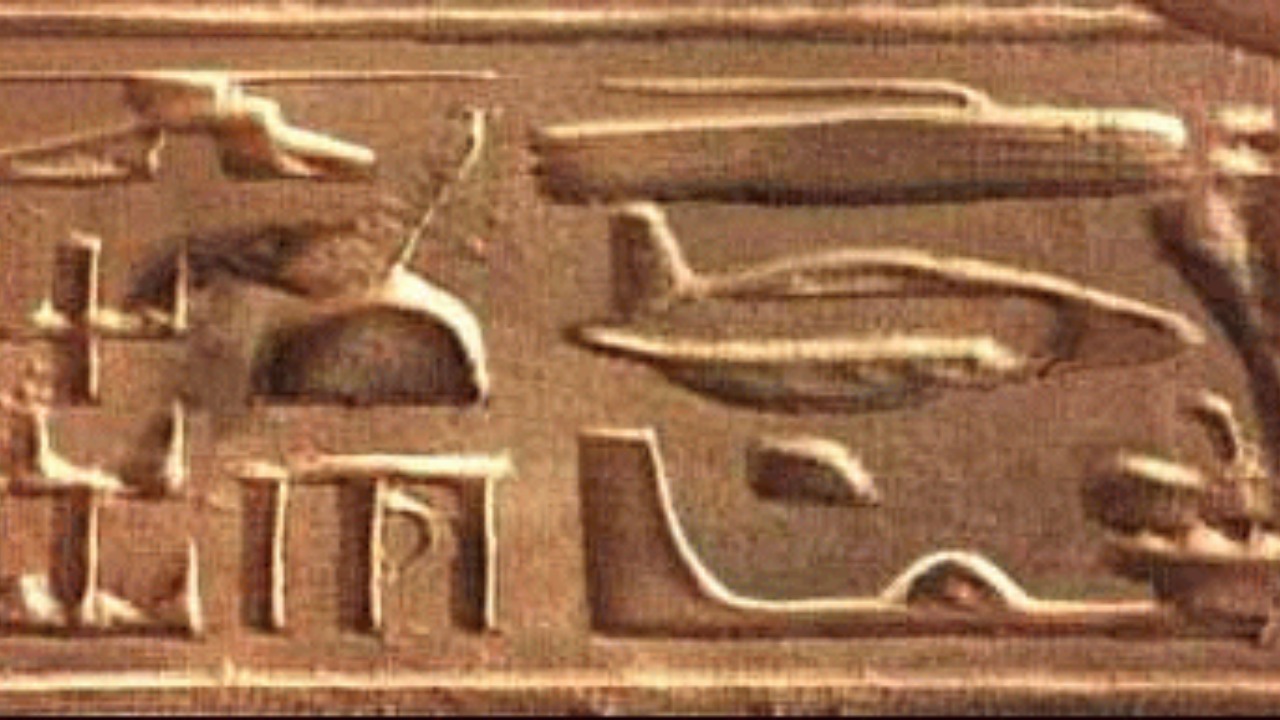
The Abydos carvings are a set of intriguing hieroglyphs found in the temple of Seti I in Egypt. Located on the roof of a temple column, these carvings have stirred debates due to their striking resemblance to modern aircraft, including what some interpret as helicopters and planes. The carvings were first discovered in the late 19th century, but it wasn’t until the advent of modern aviation that their peculiar shapes drew widespread attention.
Upon closer examination, the carvings exhibit shapes that some claim are uncannily similar to helicopters, submarines, and even spaceships. Initial interpretations by archaeologists and historians suggested that these carvings were either artistic coincidences or the result of an ancient palimpsest—where new inscriptions were carved over older ones, creating overlapping images. This theory posits that the resemblance to modern machines is purely accidental, a combination of erosion and re-carving over centuries.
Cultural Significance and Symbolism
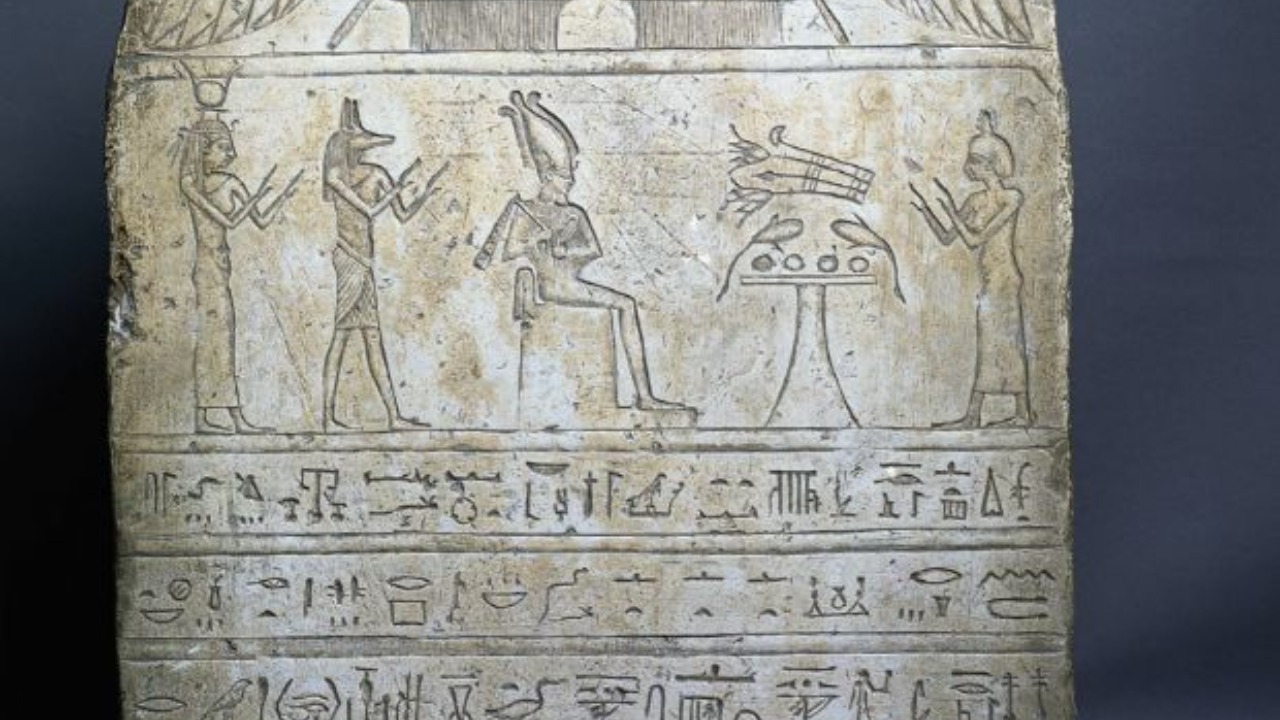
In ancient Egyptian culture, symbolism was a pivotal aspect of art and writing. The Egyptians often used symbolic representations to convey complex ideas, beliefs, and narratives. The Abydos carvings, like other ancient artworks, may not depict real objects but rather serve as metaphorical representations of power, divinity, or other abstract concepts. For instance, a bird might symbolize freedom or transcendence, while a chariot could represent the sun god’s journey across the sky.
The influence of mythology and religion also played a significant role in the artistic depictions of technological objects. Egyptian mythology, rich with tales of gods and the supernatural, often inspired artists to create images that blurred the lines between reality and imagination. This symbolic approach is not exclusive to Egyptian culture; similar examples can be found in other ancient civilizations. For example, the Mayans depicted celestial events with astonishing detail, which some interpret as evidence of advanced astronomical knowledge.
Theories and Controversies

The Abydos carvings have sparked a range of theories and controversies over the years. Mainstream archaeologists typically explain these carvings through the lens of palimpsest and coincidence, suggesting that the overlapping hieroglyphs give the illusion of modern machines. This explanation is supported by the historical context and existing evidence of re-carving practices in ancient Egypt.
However, alternative theories have gained traction among certain circles. The ancient alien hypothesis suggests that extraterrestrial beings visited Earth in ancient times, imparting advanced knowledge and technology to early civilizations. Proponents of this theory argue that the carvings are not coincidences but depictions of advanced machines witnessed by ancient peoples. Another speculative theory involves time travel, positing that future humans may have influenced ancient cultures. While these ideas captivate the imagination, they often lack substantial evidence and remain in the realm of pseudoscience.
Influence on Modern Pop Culture and Pseudoscience

The notion of ancient flying machines has significantly influenced modern pop culture, particularly in science fiction literature and movies. Films like “Stargate” and “Indiana Jones” draw inspiration from the idea of advanced ancient technologies. These narratives capture the imagination of audiences by blending historical facts with speculative fiction, weaving tales of hidden knowledge and forgotten civilizations.
Such depictions also fuel pseudoscientific claims and conspiracy theories, as seen in various documentaries and books. These interpretations often present the carvings as irrefutable evidence of ancient aliens or lost advanced technologies, sometimes overshadowing legitimate archaeological research. The impact of these interpretations on public perception is significant, often shaping historical discourse and leading to widespread misconceptions about ancient cultures.
Scientific Investigations and Future Research
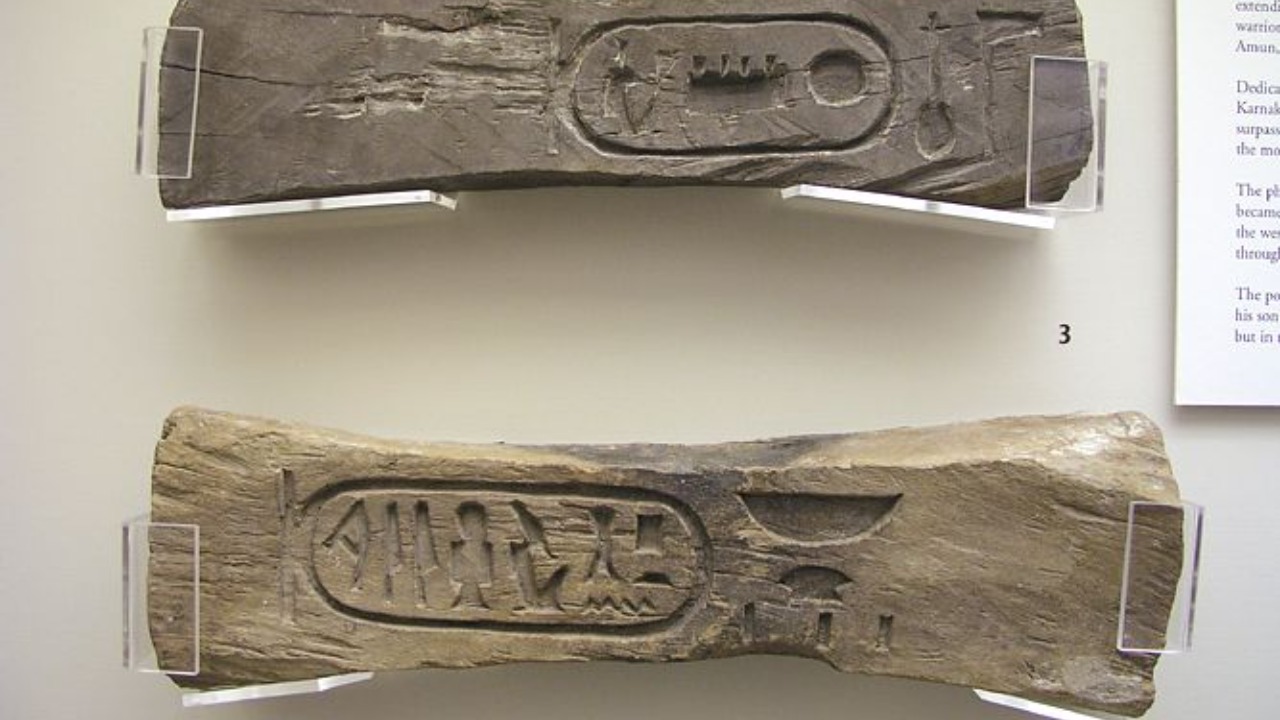
Scientific investigations into the Abydos carvings and similar artworks continue to evolve with advancements in technology. Modern methods, such as 3D scanning and digital imaging, allow researchers to analyze and authenticate these ancient carvings with greater accuracy. These techniques can reveal intricate details that may have been overlooked in the past, offering new insights into the intentions and methods of ancient artists.
Future research holds the promise of uncovering more about the origins and meanings of these enigmatic artworks. Interdisciplinary collaboration between archaeologists, historians, and scientists is crucial in piecing together the puzzle of ancient artistic expressions. As technology progresses, the potential for new discoveries grows, shedding light on the mysteries that have captivated human curiosity for centuries.
