Scientists have identified chemical fossils that point to sponges as the first animals on Earth, reshaping our understanding of early multicellular life. In a separate revelation, researchers uncovered a surprising change in the diet of early human ancestors 3.5 million years ago, highlighting shifts in evolutionary adaptations long after the emergence of the planet’s initial animal forms. These ancient signals together illustrate the diverse pathways of animal evolution from primordial origins to hominid development.
The Role of Chemical Fossils in Identifying Early Life
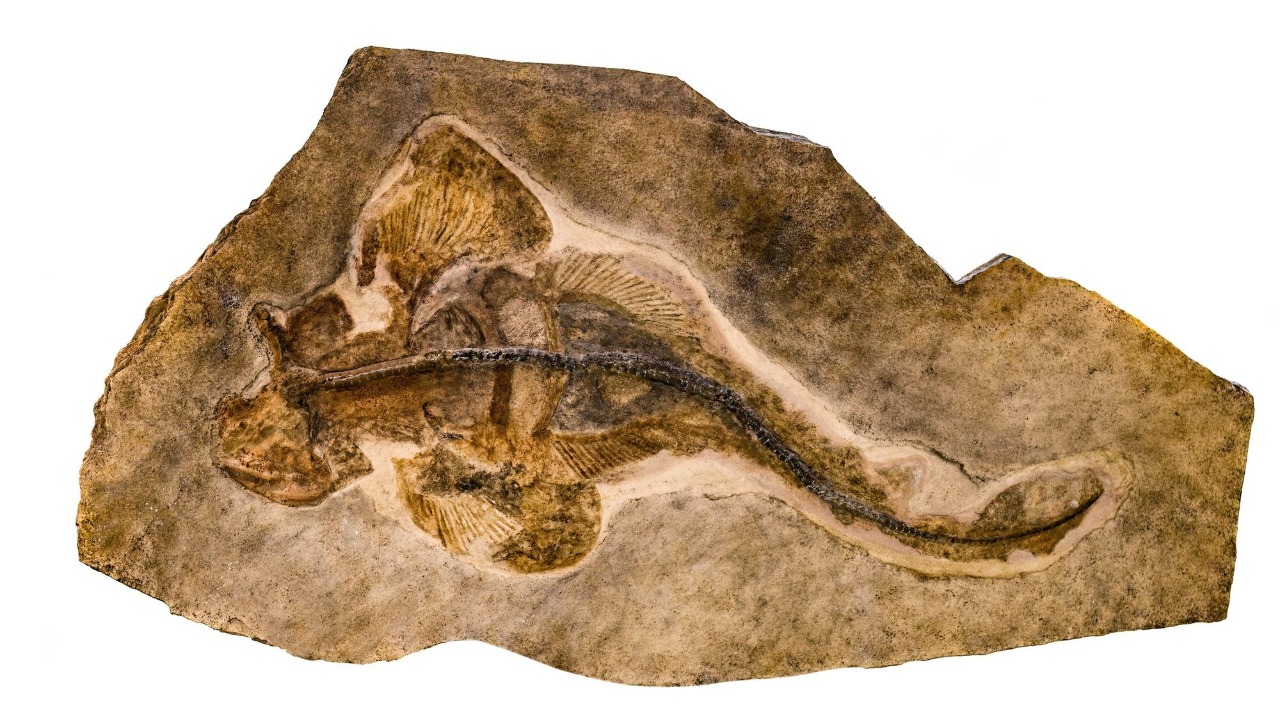
Chemical fossils, which are preserved molecular signatures found in ancient rocks, have provided compelling evidence that sponges were the earliest animals on Earth. This discovery predates other known multicellular forms and offers a new perspective on the timeline of animal evolution. The analysis of geological samples has revealed sponge-specific biomarkers, confirming their precedence in Earth’s animal history. This breakthrough, reported on September 30, 2025, underscores the recency and significance of these findings (ZME Science).
The discovery process involved meticulous examination of ancient rocks, where scientists identified molecular traces unique to sponges. These biomarkers serve as a chemical fingerprint, providing irrefutable evidence of the existence of sponges long before the Cambrian explosion, which was previously thought to mark the advent of complex life. The timeline implied by these findings suggests that sponges emerged during the Precambrian era, fundamentally altering our understanding of early animal evolution (ZME Science).
Sponges as Pioneers of Animal Evolution
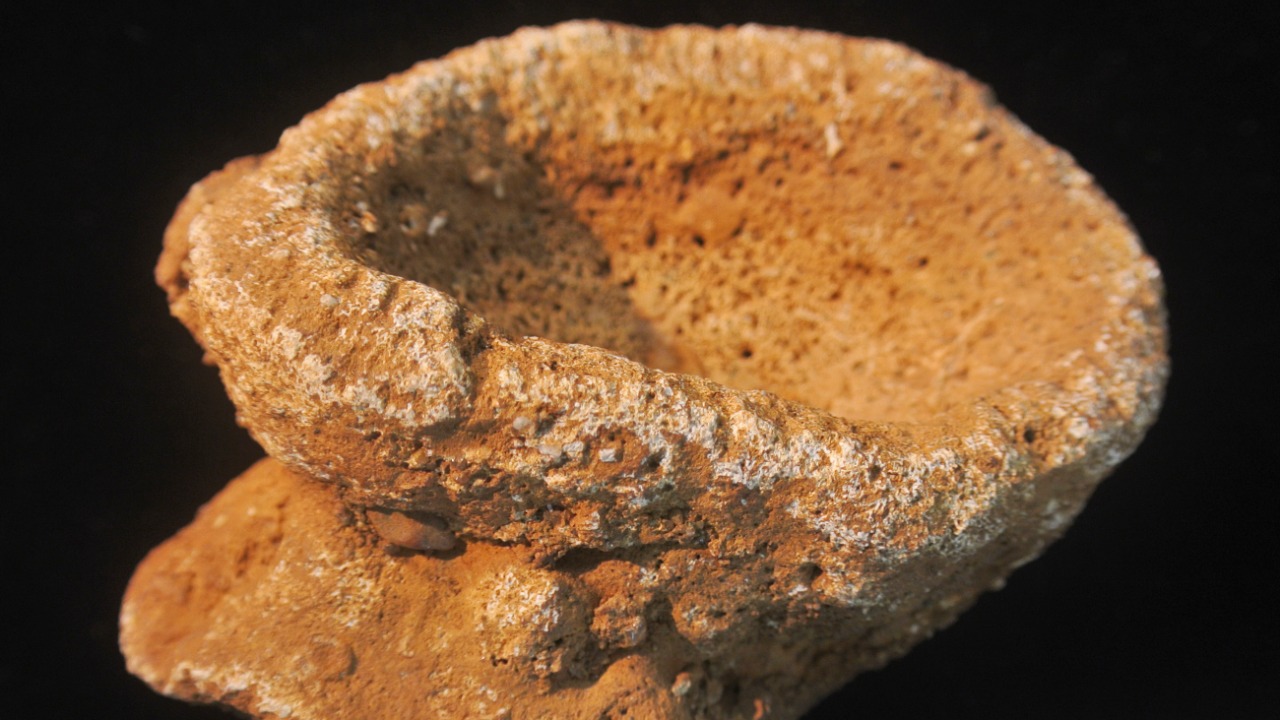
Sponges, characterized by their simple structure lacking complex tissues or organs, align with the chemical fossil evidence positioning them as the foundational animal lineage. This discovery challenges previous assumptions about the Cambrian explosion, suggesting that sponges emerged much earlier. Their biological simplicity and resilience may have been key factors in their survival and evolutionary success, paving the way for more complex life forms (ZME Science).
The implications of this discovery extend beyond the timeline of animal evolution. By establishing sponges as the earliest known animals, scientists can better understand the environmental conditions and evolutionary pressures that shaped the development of life on Earth. This new perspective invites further exploration into the Precambrian era, offering insights into the origins of multicellular organisms and the evolutionary pathways that led to the diversity of life we see today (ZME Science).
Dietary Shifts in Early Human Ancestors
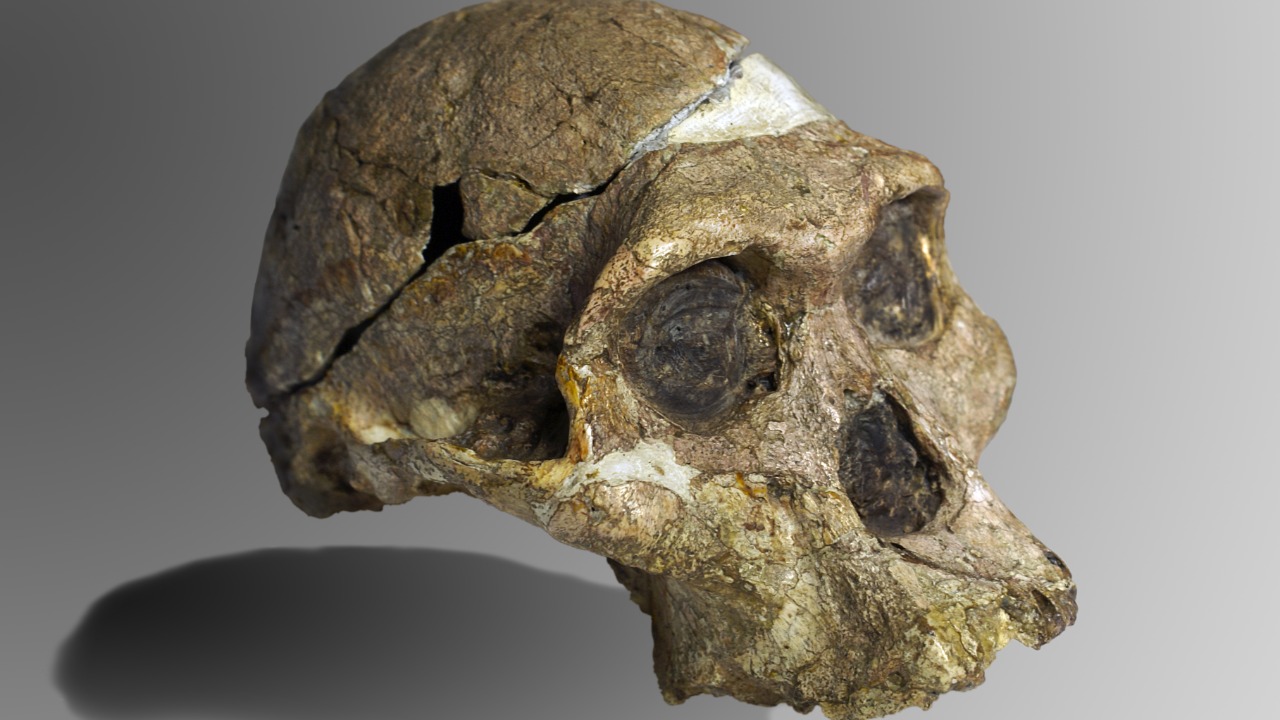
In a separate but equally fascinating discovery, researchers have identified a significant change in the diet of early human ancestors 3.5 million years ago. Fossilized dental and isotopic evidence indicates a move toward more varied food sources, reflecting a shift in dietary habits that likely influenced hominid evolution. This transition is linked to environmental pressures in African savannas, where early humans adapted to new ecological niches (Sci.News).
The implications of this dietary transition are profound, as they suggest that early human ancestors were capable of adapting to changing environments by diversifying their food sources. This adaptability may have been a crucial factor in the survival and evolution of hominids, allowing them to thrive in diverse habitats. The report, dated June 4, 2013, highlights the importance of dietary flexibility in the broader narrative of human evolution (Sci.News).
Connecting Ancient Signals to Modern Insights
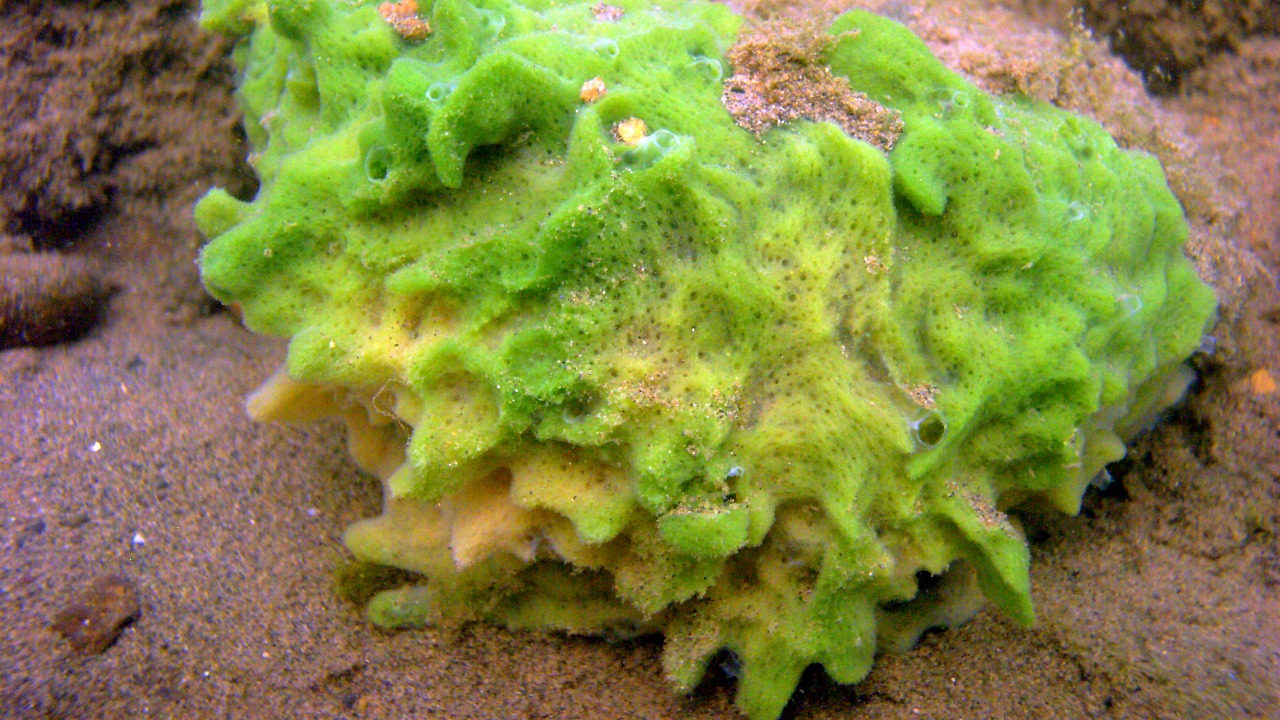
The discovery of sponges as the earliest animals and the dietary shifts in early human ancestors illustrate a continuum of evolutionary innovations. These findings highlight the diverse pathways of animal evolution, from the simple structures of sponges to the complex dietary adaptations of hominids. By comparing these ancient signals, scientists can gain a deeper understanding of the evolutionary processes that have shaped life on Earth, offering valuable insights into the origins and development of modern species (ZME Science; Sci.News).
These evolutionary milestones underscore the intricate web of life that has evolved over billions of years. The emergence of sponges as the earliest animals provides a glimpse into the primordial conditions that facilitated the rise of multicellular organisms. This foundational step in evolution set the stage for the complex ecosystems that would eventually support diverse life forms, including humans. Meanwhile, the dietary shifts observed in early human ancestors highlight the dynamic nature of evolution, where adaptability and resilience are key to survival. These ancient signals serve as a testament to the enduring impact of evolutionary pressures, offering a lens through which we can examine the adaptability and innovation inherent in life’s history (ZME Science; Sci.News).
Furthermore, these discoveries emphasize the interconnectedness of all life forms, tracing a line from the simplest organisms to the complex beings that inhabit the Earth today. By studying these ancient signals, scientists can unravel the evolutionary threads that link past and present, providing insights into how current species might continue to evolve in response to environmental changes. This knowledge not only enriches our understanding of biological history but also informs conservation efforts, as it highlights the importance of preserving the diverse habitats that sustain life on our planet (ZME Science; Sci.News).
