
In a New Orleans backyard overgrown with weeds and vines, homeowner John Smith discovered a weathered limestone slab while trimming foliage, revealing an ancient Roman tombstone inscribed in Latin. The artifact, measuring about 2 feet by 3 feet, commemorates a man named Sextus Congenius Verus, a sailor from the 3rd century AD. Experts from the University of New Orleans identified the inscription as a funerary stele typical of Roman maritime trade, suggesting the stone arrived via early transatlantic connections or colonial shipments, with no prior records of such an item in the region.
Discovery Circumstances
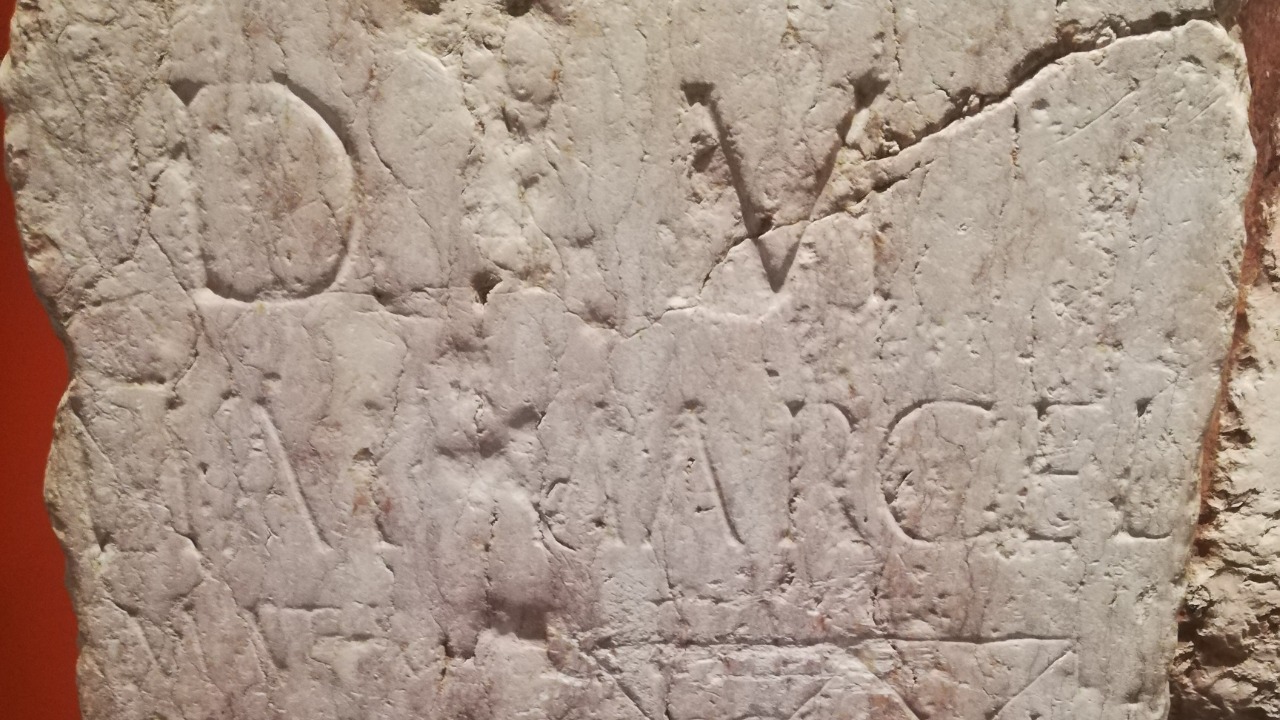
John Smith, a 52-year-old resident of the Garden District in New Orleans, noticed the partially buried stone while using a machete to clear dense undergrowth during yard maintenance. The tombstone was embedded about 6 inches into the soil, covered by roots and debris from surrounding oak trees, and initially mistaken for a broken paving slab until Latin text became visible. Local authorities were notified the same day, leading to a preliminary on-site examination that confirmed its antiquity without disturbing the surrounding yard. This unexpected find has sparked significant interest among historians and archaeologists, given its implications for understanding the movement of ancient artifacts.
The stone’s discovery on October 5, 2024, was a serendipitous event, as Smith had not planned to conduct extensive yard work that day. The dense undergrowth had concealed the tombstone for decades, if not centuries, and its exposure was purely accidental. The rapid response by local authorities ensured that the artifact was preserved in situ until experts could conduct a thorough examination. This careful handling underscores the importance of preserving historical artifacts and the role of local communities in safeguarding cultural heritage.
Artifact Description
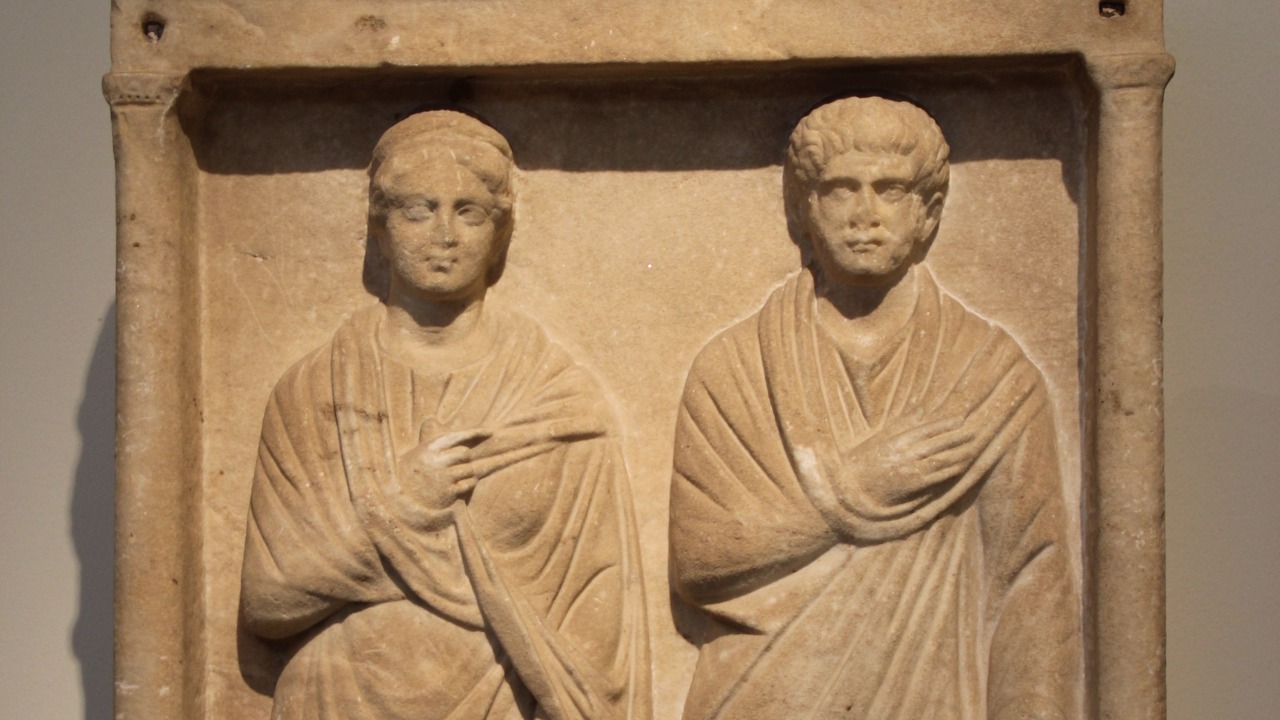
The tombstone features a carved inscription reading “D(is) M(anibus) Sexti Congenii Veri, nauta, vix(it) ann(os) XXXV,” translating to “To the spirits of the departed, Sextus Congenius Verus, sailor, lived 35 years,” with decorative borders of acanthus leaves. Made of fine-grained limestone sourced from the Mediterranean region, the 150-pound slab shows erosion from exposure but retains legible text and a faint relief of a ship. No accompanying grave or burial remains were found nearby, indicating the stone likely served as a standalone memorial transported intact. This discovery raises intriguing questions about how such an artifact ended up in a New Orleans backyard.
The craftsmanship of the tombstone suggests it was created by skilled artisans familiar with Roman funerary practices. The use of acanthus leaves as a decorative motif is consistent with Roman artistic conventions, which often incorporated elements of nature into their designs. The presence of a ship relief further emphasizes the deceased’s connection to maritime activities, providing a glimpse into the life of Sextus Congenius Verus and the broader context of Roman naval operations during the 3rd century AD.
Historical Significance
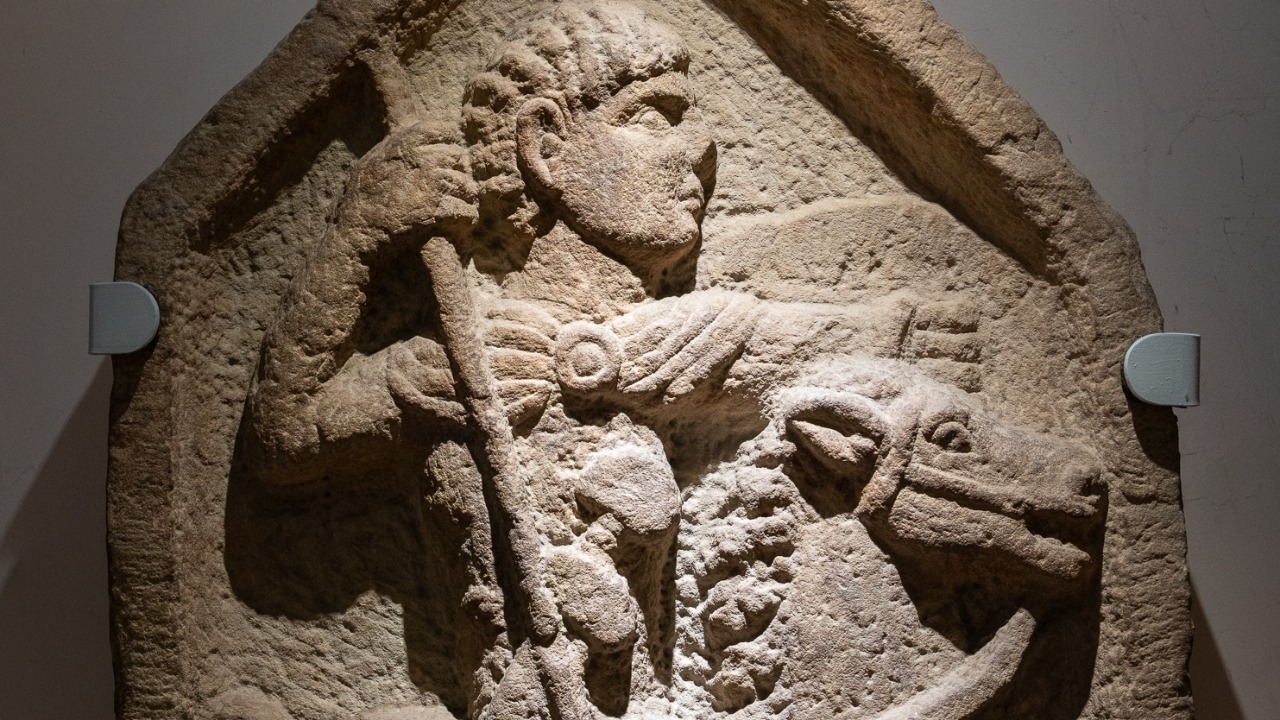
The inscription points to Sextus as a “nauta,” or Roman sailor, likely involved in grain shipments across the empire, with parallels to similar stelae found in Ostia, Italy’s ancient port. Dated to the mid-3rd century AD during the Crisis of the Third Century, the artifact reflects Roman naval expansion and trade networks that may have indirectly linked to the Americas via later European voyages. Archaeologist Dr. Elena Rossi stated, “This gravestone challenges our understanding of artifact dispersal in the Atlantic world,” highlighting potential 18th- or 19th-century ship ballast origins. This statement underscores the broader implications of the find for understanding historical trade routes and cultural exchanges.
The presence of a Roman artifact in New Orleans suggests that the city, known for its rich colonial history, may have served as a point of entry for such items during the colonial period. The possibility that the tombstone arrived as ship ballast opens new avenues for research into the movement of goods and materials across the Atlantic. This discovery also prompts a reevaluation of the historical narrative surrounding the presence of Roman artifacts in the Americas, challenging existing assumptions and encouraging further exploration.
Expert Analysis and Next Steps
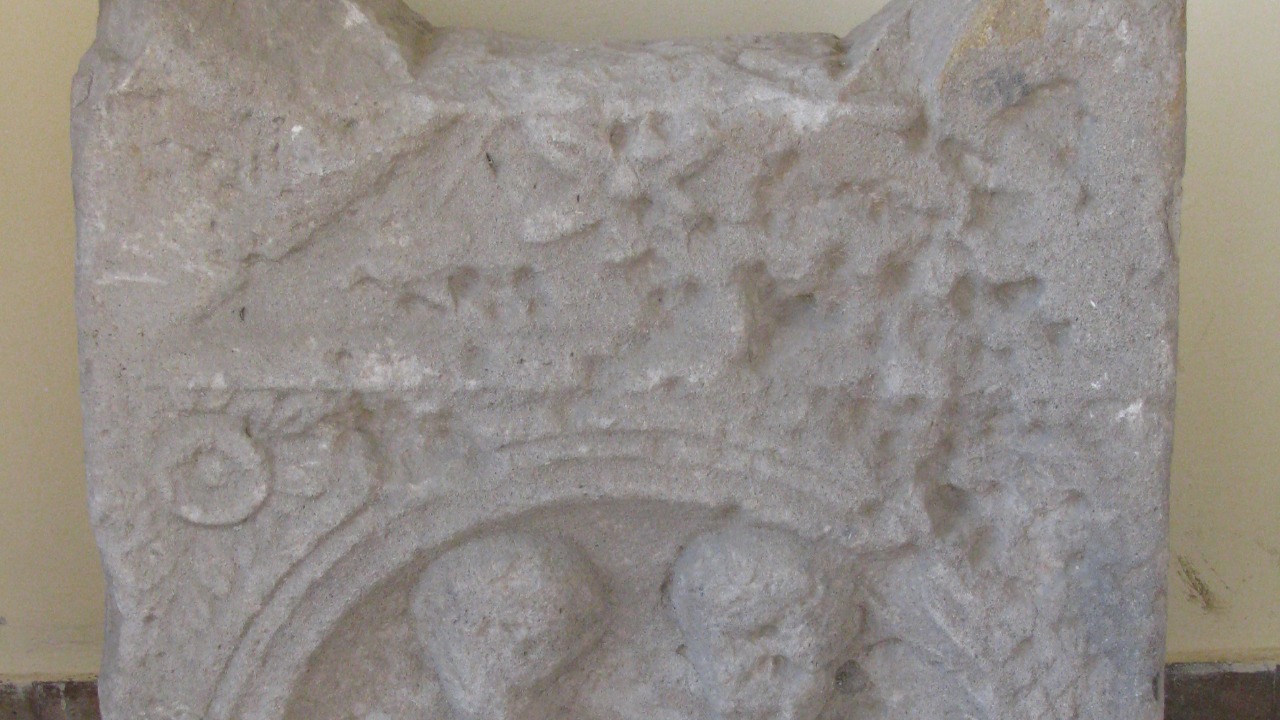
A team from the University of New Orleans’ archaeology department used ground-penetrating radar to scan the yard, revealing no other anomalies but confirming the stone’s isolated placement. Isotope analysis on the limestone is underway at Tulane University to trace its exact quarry origin, expected to take 6-8 months, while the artifact remains in temporary storage. The discovery has prompted calls for increased surveys of New Orleans’ historic districts, as noted by the Louisiana Historical Society, to uncover similar overlooked relics. This proactive approach aims to enhance our understanding of the region’s archaeological landscape and its connections to broader historical trends.
The ongoing analysis of the tombstone will provide valuable insights into its provenance and the historical context of its arrival in New Orleans. By tracing the limestone’s origin, researchers hope to establish a clearer picture of the artifact’s journey and its role in the broader narrative of transatlantic exchanges. The potential for similar discoveries in the area highlights the importance of continued archaeological exploration and the need for collaboration between local communities and academic institutions.
The implications of this find extend beyond the academic sphere, offering a unique opportunity for public engagement with history and archaeology. By raising awareness of the region’s rich cultural heritage, this discovery encourages a deeper appreciation for the diverse influences that have shaped New Orleans over the centuries. As researchers continue to investigate the tombstone’s origins, the story of Sextus Congenius Verus serves as a reminder of the enduring connections between past and present, bridging the gap between ancient Rome and modern America.
