A recent discovery in Antarctica has captured the world’s imagination: a pyramid-like structure hidden beneath the ice for millennia. This unexpected find raises questions about Antarctica’s past and whether ancient civilizations might have reached this remote region. The implications of such a discovery prompt both excitement and skepticism, as scientists and enthusiasts alike ponder what this could mean for our understanding of human history and Earth’s geological timeline.
The Discovery: A New Chapter in Antarctic Exploration
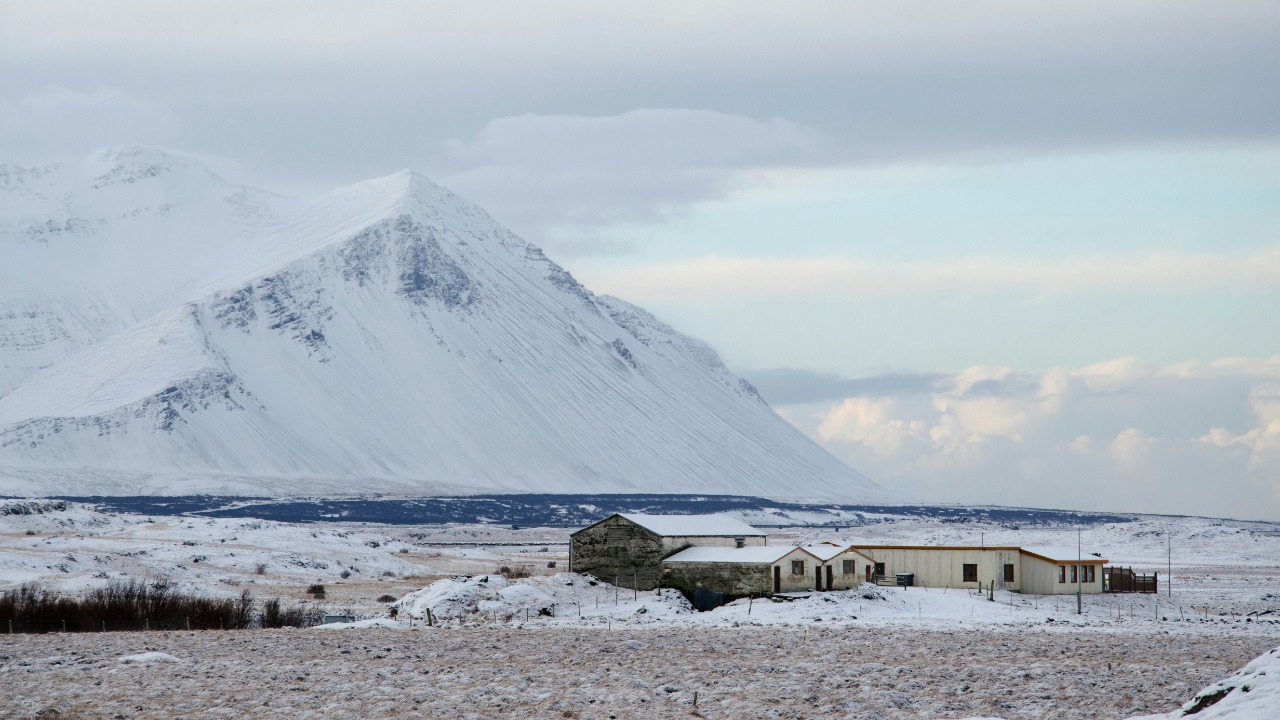
The unveiling of the pyramid-like structure in Antarctica was made possible through the use of cutting-edge technology. Satellite imagery and ground-penetrating radar have played crucial roles in identifying the contours of what appears to be a pyramid beneath the ice. Initial reactions from the scientific community have been mixed, with some expressing amazement at the find while others urge caution until more evidence is gathered. The announcement has sparked renewed interest in the continent, pushing the boundaries of what we know about its hidden landscapes.
Antarctica has a rich history of exploration, dating back to early 20th-century expeditions. The discovery of the pyramid-like structure fits into this broader context of geological and archaeological exploration. Previous missions have uncovered meteorites, ancient fossils, and even the remnants of prehistoric forests, but nothing quite as enigmatic as this potential pyramid. The scientific community is eager to see how this find will contribute to our understanding of the continent’s past and the broader history of human civilization.
However, the harsh environmental conditions of Antarctica present unique challenges for explorers. The extreme cold, unpredictable weather, and vast ice cover make it one of the most inhospitable places on Earth. Researchers have employed various strategies to overcome these obstacles, such as utilizing advanced technology and remote sensing techniques, which allow for exploration without direct human intervention. These methods not only increase safety but also expand the scope of what can be discovered in such a remote area.
Scientific Analysis: Separating Fact from Fiction
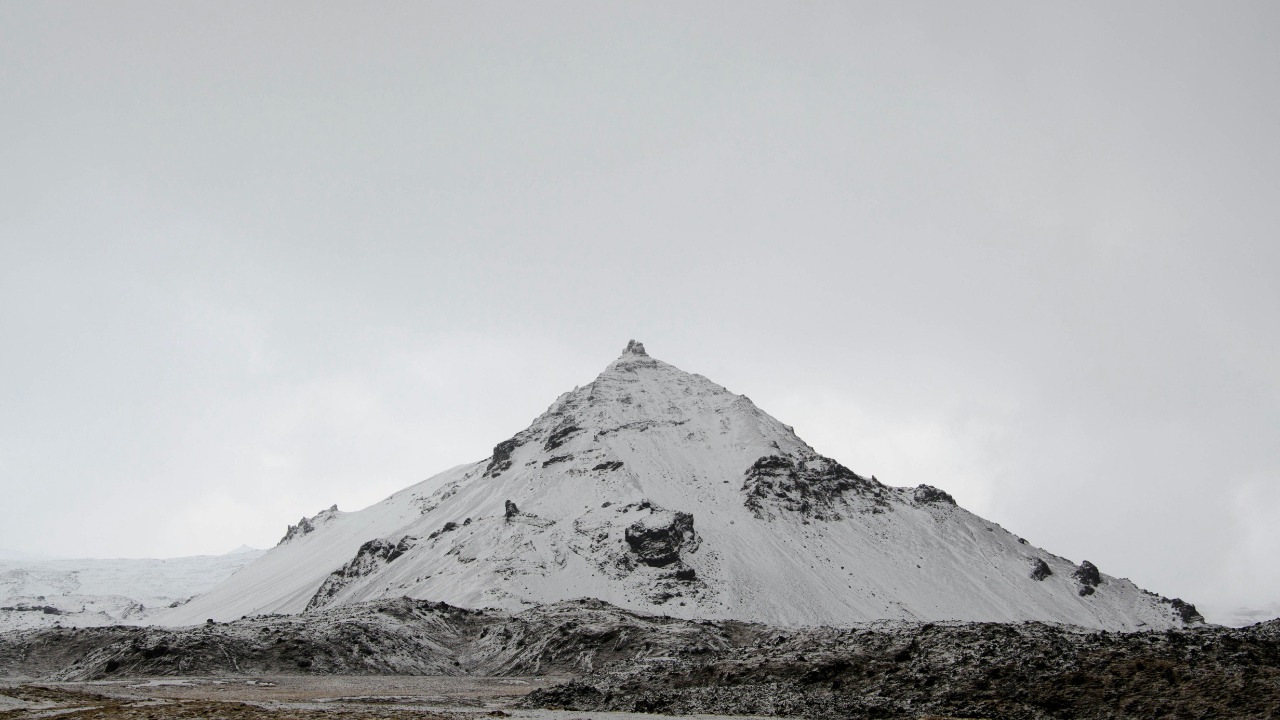
The nature of the pyramid-like structure is the subject of ongoing debate among scientists. Some argue that it could be a geological formation, shaped by millions of years of natural processes. Others entertain the possibility that it might be a human-made structure, suggesting the presence of an ancient civilization in Antarctica. The evidence supporting each hypothesis is still being collected and analyzed, with researchers calling for patience as they work to uncover the truth.
Technological tools are at the forefront of this analysis. Satellite imagery has provided initial visuals of the structure, while ground-penetrating radar offers insights into its depth and composition. These technologies, combined with others like LIDAR and 3D mapping, help scientists assess whether the pyramid is a natural formation or the result of human activity. The ongoing research will be pivotal in determining the true nature of this Antarctic mystery.
If the structure is indeed human-made, it could have significant implications for our understanding of Earth’s history. The existence of a civilization in Antarctica would challenge current theories about the spread and development of ancient societies. It would suggest that humans might have inhabited, or at least explored, the continent during a time when we believed it to be uninhabitable. Such a discovery would reshape our understanding of ancient Earth and the capabilities of early civilizations.
Historical Context: Myths, Legends, and Possibilities

Throughout history, myths and legends have speculated about the existence of advanced ancient civilizations. The discovery of the pyramid-like structure in Antarctica adds a new layer to these narratives. Some have drawn parallels between this find and the lost city of Atlantis, suggesting that it might lend credence to tales of forgotten civilizations that once thrived in remote parts of the world.
Exploring potential connections between the Antarctic pyramid and known ancient civilizations is a fascinating pursuit. While it’s unlikely that the structure is directly linked to civilizations like the Egyptians or the Atlanteans, the possibility of such a connection cannot be entirely dismissed. Researchers are examining any potential links through cultural artifacts, architectural similarities, and historical records that might provide clues to the pyramid’s origins.
However, the allure of mysterious discoveries often leads to a proliferation of pseudoscientific theories. While these can captivate the public’s imagination, they also underscore the importance of maintaining scientific rigor. By relying on evidence-based research and peer-reviewed studies, scientists can separate fact from fiction and provide a clearer understanding of the pyramid’s true nature.
The Global Impact: Cultural and Scientific Significance

The discovery of the pyramid-like structure has captured the public’s imagination, with media and social networks buzzing with speculation and intrigue. This global reaction underscores the cultural significance of such finds, as they challenge our understanding of history and inspire curiosity about the unknown. The widespread interest highlights humanity’s enduring fascination with ancient mysteries and the possibility of uncovering lost civilizations.
The find is likely to influence future research priorities, both in Antarctica and worldwide. Archaeologists and geologists are keen to explore similar structures and formations, hoping to uncover more clues about our planet’s history. This discovery could lead to increased funding and resources for Antarctic exploration, as well as inspire collaborative efforts among international research teams to study the continent’s hidden landscapes.
Moreover, the discovery presents numerous educational opportunities. It has the potential to inspire new educational programs and initiatives focused on Antarctic exploration and ancient history. By engaging students and the public in discussions about the pyramid and its implications, educators can foster a deeper understanding of Earth’s past and the scientific methods used to explore it. Such initiatives would not only enrich educational curricula but also inspire the next generation of explorers and researchers.
As the world continues to ponder the implications of this discovery, the pyramid-like structure in Antarctica remains a topic of intense interest and speculation. Whether a natural formation or a relic of an ancient civilization, it serves as a reminder of the mysteries that still lie hidden beneath the ice, waiting to be uncovered.
