Our Earth’s atmosphere was not always the safe haven it is today. New research, informed by ancient ocean fossils, provides a glimpse into a time when our planet’s atmosphere was inhospitable and toxic. These findings offer exciting insights into Earth’s evolutionary history, enhancing our understanding of the past and informing our responses to future challenges.
The Analysis of Ancient Ocean Fossils
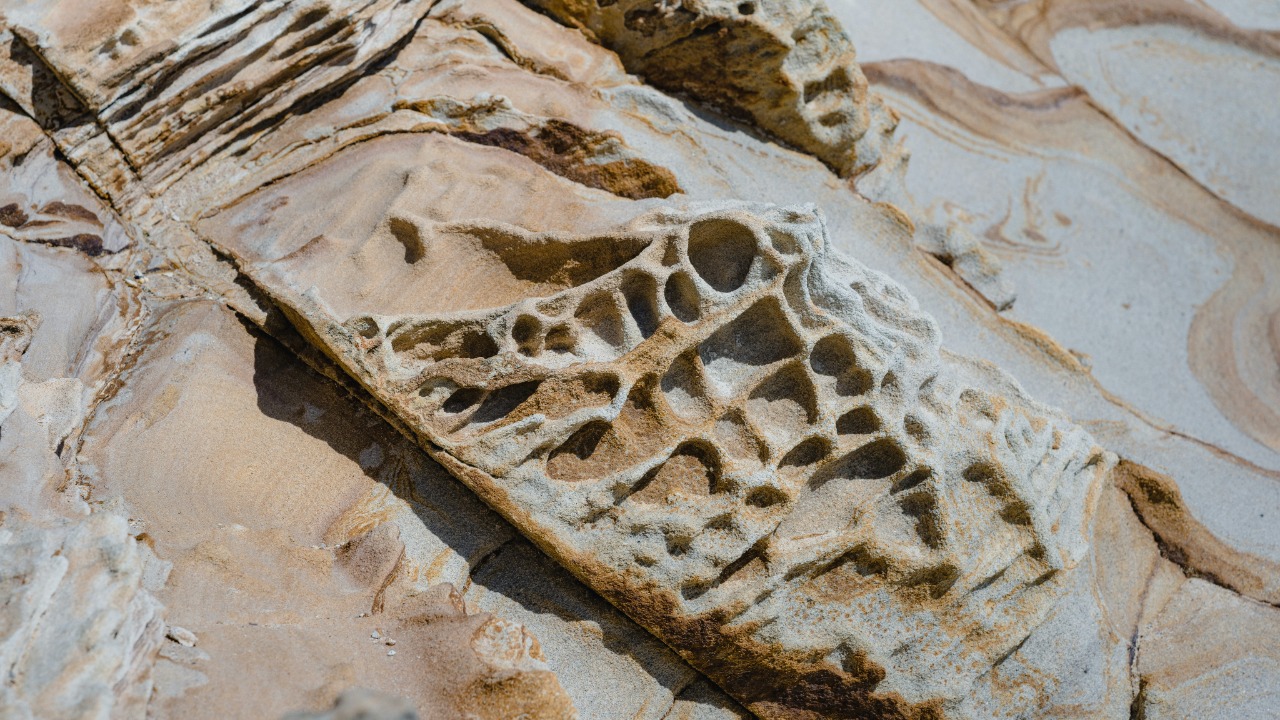
Ancient ocean fossils, remains of prehistoric organisms preserved in sedimentary rock, serve as captivating bookmarks in our planet’s timeline. These fossils encapsulate the life and conditions of Earth’s past, helping us to understand the evolution of our planet. They offer a snapshot of the past, from the species that thrived to the environment in which they existed. By studying these fossils, scientists can piece together the complex puzzle of Earth’s history.
Different types of ancient ocean fossils, such as trilobites, brachiopods, and ammonites, have been used in research, each providing unique insights. These fossils are analyzed using various scientific methods and techniques, including carbon dating and isotopic analysis. By studying the chemical composition of these fossils, scientists can infer the conditions of the Earth’s atmosphere at different points in history.
The Toxic Atmosphere of Early Earth
The Earth’s early atmosphere was a stark contrast to the life-sustaining one we know today. High in methane, ammonia, and other volatile gases, it was a toxic cocktail unsuitable for most forms of life as we know them. This hostile atmosphere played a significant role in shaping early life forms and their evolution. For example, anaerobic organisms thrived in the oxygen-deprived environment, setting the stage for life’s first steps.
Over time, geological processes and the emergence of photosynthetic organisms transformed the toxic atmosphere into a more hospitable one. The process of photosynthesis released oxygen into the atmosphere, gradually turning it into an environment that could support a wider variety of life. This pivotal transition is known as The Great Oxidation Event.
Insights From the Ancient Ocean Life
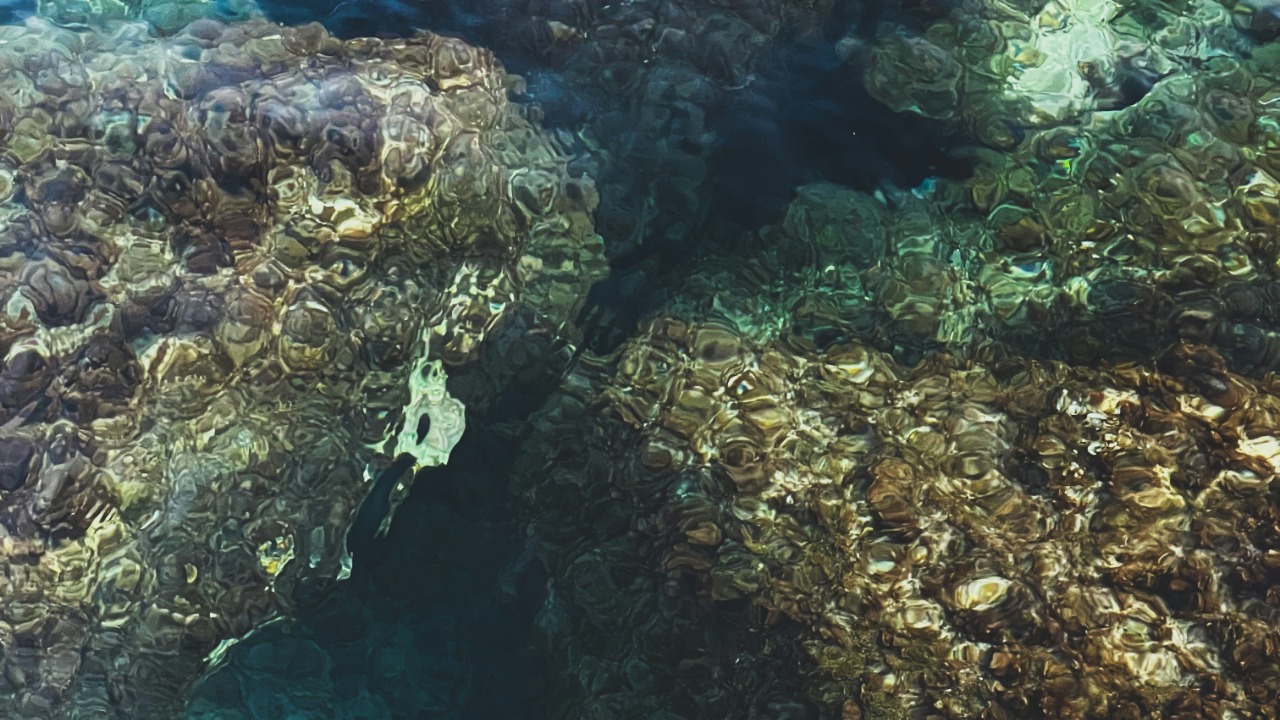
Life in the ancient oceans was dramatically different under the toxic atmosphere. Organisms had to adapt to survive in harsh conditions, leading to the evolution of unique survival strategies. These adaptations, preserved in fossils, provide a fascinating glimpse into life’s resilience and ingenuity.
As Earth’s atmosphere evolved and became less toxic, marine life also underwent significant changes. The increase in oxygen levels in the atmosphere and oceans led to a proliferation of new life forms, marking a significant shift in Earth’s biological history. This shift, often referred to as the Cambrian Explosion, marked the emergence of most of the major animal groups we know today.
The Impact of Sea Level Changes on Early Life
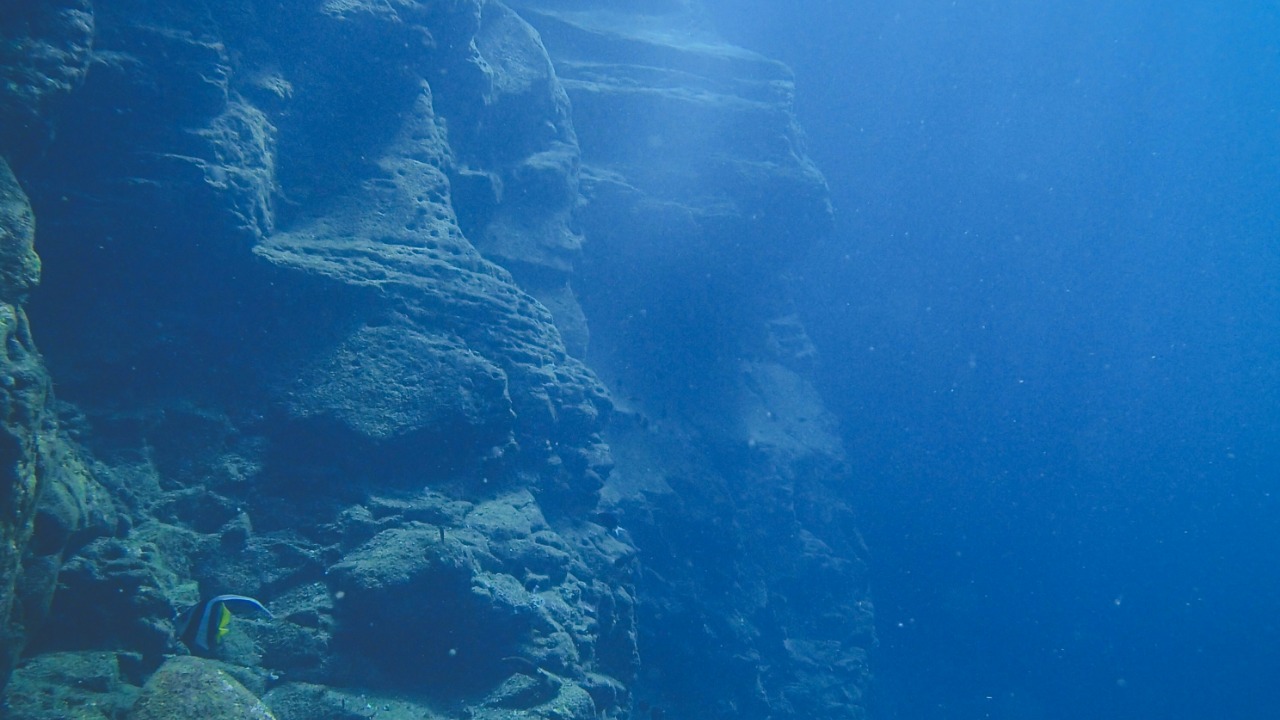
Changes in sea levels also played a crucial role in the development and evolution of early life. Fluctuations in sea levels affected the availability of habitats, resources, and affected the climate, in turn influencing the evolution of marine life.
The relationship between sea level changes and atmospheric conditions is complex and intertwined. Major sea level events, such as the rise and fall of global sea levels, had profound impacts on marine ecosystems and the atmosphere. A significant example is the Late Ordovician ice age, a period of significant sea level drop that led to a major extinction event.
Implications for Understanding Climate Change

Studying Earth’s early toxic atmosphere and the changes it underwent provides valuable insights for understanding climate change. By understanding the processes and events that shaped our planet’s past, we can better predict and prepare for the future. The lessons from the past offer crucial insights into how changes in atmospheric conditions can impact life and ecosystems.
There are striking parallels between early Earth’s toxic atmosphere and predicted future atmospheric conditions under climate change scenarios. For instance, increasing levels of greenhouse gases, notably carbon dioxide, in our atmosphere mirror the high levels of such gases in Earth’s early atmosphere. Such parallels remind us of the potential consequences of unchecked climate change, underscoring the urgency of addressing this global issue.
Our responses to current and future environmental challenges can be informed by the lessons from our past. For example, understanding how marine life adapted in response to changes in the atmosphere and sea levels can guide conservation efforts, helping us protect marine ecosystems in the face of climate change. Moreover, this knowledge can also inform our strategies for mitigating the impacts of human activities, such as oil spills, on marine life and ecosystems.
