
A team of scientists claims to have discovered the location of Noah’s Ark on a 3,000-year-old Babylonian stone tablet. This remarkable find, which has captured the attention of archaeologists and historians worldwide, could shed new light on one of the most enduring biblical stories. The ancient tablet, believed to be the world’s oldest map, provides intriguing insights into the Ark’s possible resting place.
The Discovery of the Stone Map
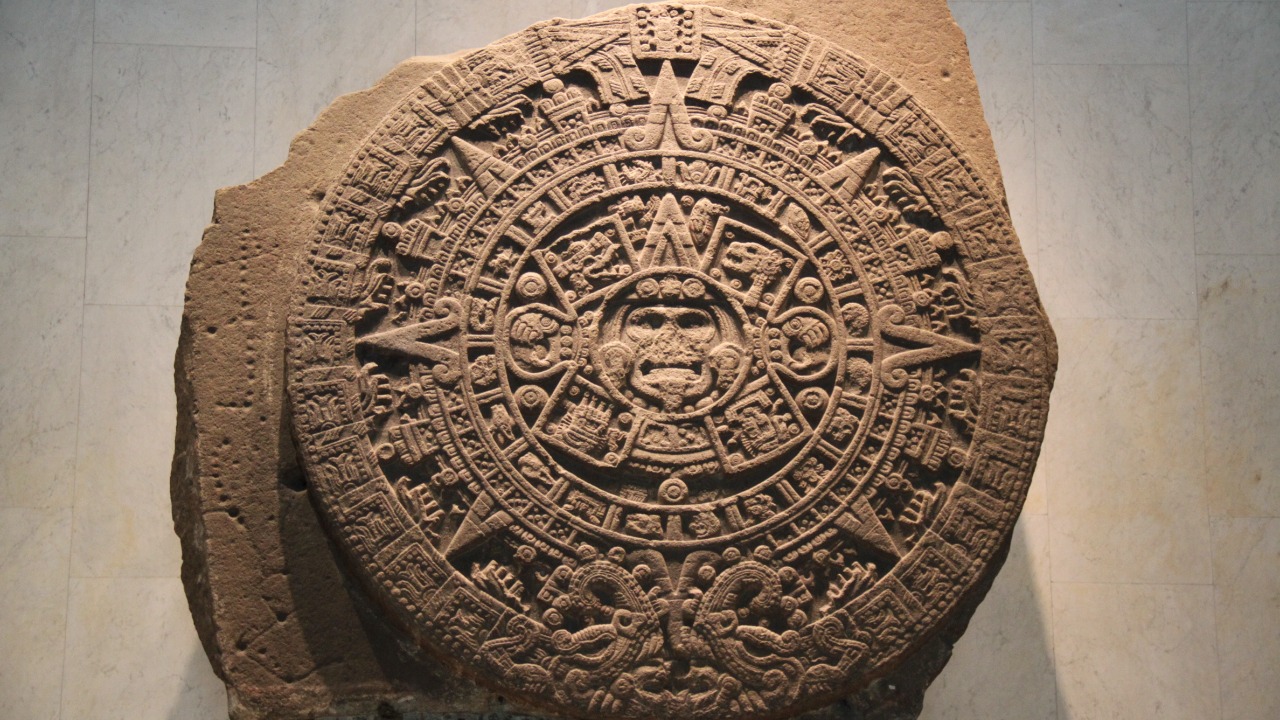
The Babylonian stone tablet at the center of this discovery is a fascinating artifact, carved with intricate details that have intrigued researchers since its unearthing. Believed to have originated from ancient Mesopotamia, the tablet was discovered during an excavation in present-day Iraq. Initially, it seemed just another relic from the past, but closer examination revealed its significance as potentially the world’s oldest known map.
Modern technology played a crucial role in the deciphering process. Utilizing advanced methods such as 3D imaging and digital reconstruction, scientists were able to analyze the inscriptions and symbols etched into the stone. This collaborative effort involved historians, archaeologists, and scientists from around the globe, each bringing their expertise to unlock the tablet’s secrets. The combined application of technology and scholarship allowed for a more accurate interpretation of the ancient script and imagery.
Interpreting the Ancient Map
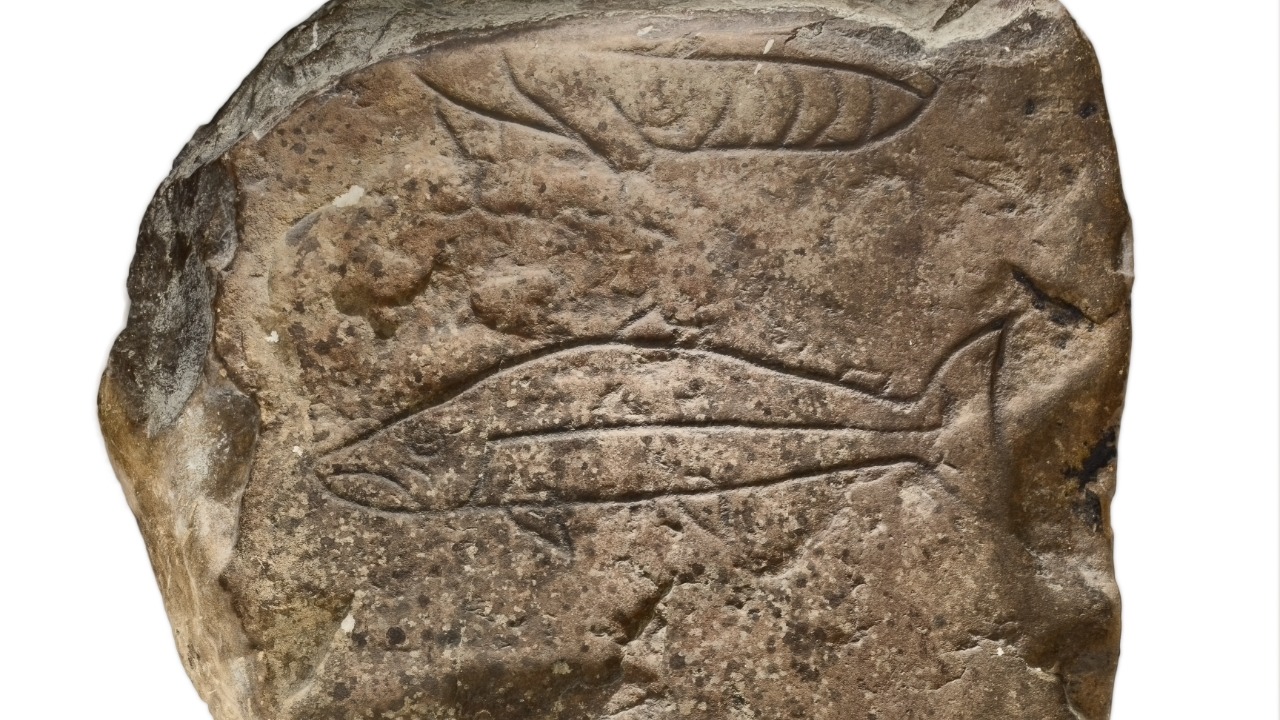
The insights gleaned from the tablet offer a window into the sophisticated world of Babylonian cartography. The Babylonians were known for their advanced understanding of the world, and their maps often incorporated both geographic and symbolic elements. Through detailed study, researchers have identified specific markers and symbols that suggest a connection to the biblical Noah’s Ark.
These symbols, when compared to other ancient maps, provide compelling evidence of their purposes and meanings. Experts have engaged in lively debates over these interpretations, with some highlighting specific features on the tablet that appear to point to the Ark’s location. While there is no consensus yet, this debate has fostered a renewed interest in ancient cartographic techniques and their potential applications in modern archaeology.
Historical and Religious Implications
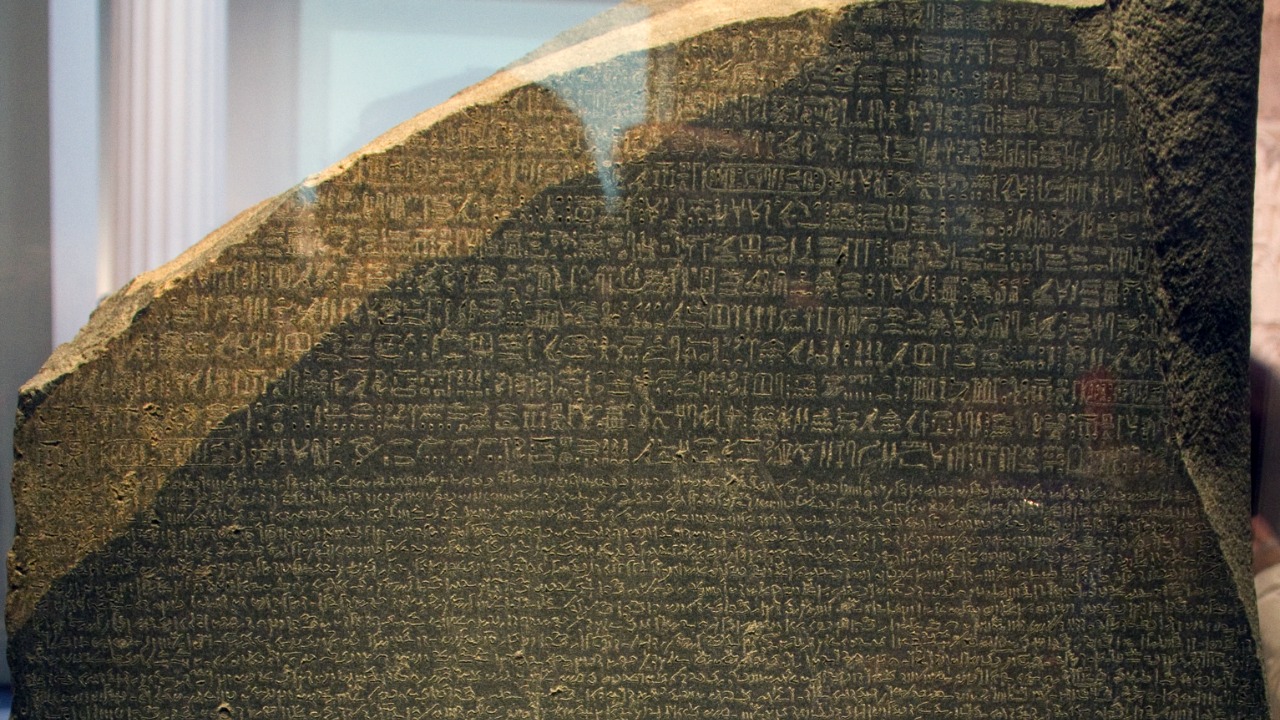
The discovery of such a map holds significant implications for both historical and religious communities. The story of Noah’s Ark is a cornerstone of many religious texts, depicted as a divine vessel that survived a great flood. Over the centuries, numerous theories about the Ark’s existence and resting place have emerged, each adding layers to this enduring narrative.
For religious scholars and leaders, the potential confirmation of the Ark’s location could be transformative. Many are keenly watching how this discovery impacts religious beliefs and interpretations of ancient scriptures. The discovery has sparked discussions about the relationship between faith and archaeological findings, prompting questions about how new evidence might reshape long-held beliefs.
Challenges and Controversies

The scientific community has greeted these claims with a mixture of intrigue and skepticism. Some experts have raised questions about the interpretation of the tablet, suggesting alternative explanations for the symbols and inscriptions. This skepticism is healthy, driving further research and ensuring that any conclusions are robust and well-supported by evidence.
Ethical considerations also play a crucial role in the study and presentation of such findings. Concerns about sensationalizing discoveries or overstating their significance are ever-present. Researchers are urged to balance their findings with caution, ensuring that ongoing archaeological practices and policies are respected. The responsibility of presenting such findings accurately falls heavily on the shoulders of those involved, as they navigate the fine line between scientific discovery and public interest.
Future Research and Exploration

As interest in this discovery grows, plans for further archaeological exploration are already underway. Upcoming expeditions and research initiatives are being organized, inspired by the potential of uncovering more about the Ark and its historical context. International collaboration is expected to play a significant role in these efforts, bringing together diverse expertise and resources.
The potential for new discoveries is immense, as advancements in technology continue to aid archaeological research. This finding could pave the way for solving other historical mysteries, offering insights into the ancient world that were previously out of reach. As researchers continue to push the boundaries of what is possible, the anticipation of what might be uncovered next keeps the field of archaeology vibrant and dynamic.
