Recent research has uncovered that approximately 400,000 years ago, early humans in Europe demonstrated remarkable ingenuity by using small stone tools to butcher straight-tusked elephants. These ancient humans processed the massive animals for meat and other resources before crafting larger tools from their bones. This discovery, based on fossil evidence showing cut marks on elephant bones and bone-tool artifacts, challenges previous assumptions about the technological capabilities of pre-Neanderthal populations. The findings also extend to similar practices with hippos, highlighting a broader resourcefulness in tool-making.
The Archaeological Discovery

The unearthing of 400,000-year-old elephant bone fossils with clear cut marks from small stone tools provides compelling evidence of systematic butchering by early humans at European sites. These fossils reveal that early humans were not only capable of hunting or scavenging these massive creatures but also adept at processing them for various uses. The cut marks indicate a methodical approach to butchering, suggesting a level of sophistication in tool use that was previously underestimated [IFLScience].
In addition to the cut marks, researchers identified bone fragments that had been shaped into large tools, such as hammers and scrapers. These tools were repurposed from the remains of elephants after the initial processing for meat and other resources. The transformation of these bones into tools highlights the innovative use of available materials by early humans, demonstrating their ability to adapt and thrive in their environment [Phys.org].
The context of these archaeological sites suggests evidence of communal hunting or scavenging of straight-tusked elephants, which could weigh several tons. This communal aspect indicates a level of social organization and cooperation among early human groups, which would have been necessary to successfully hunt or scavenge such large animals. The ability to exploit these resources would have provided significant nutritional and material benefits, supporting the survival and expansion of these early human populations [Daily Star].
Butchering Methods with Small Tools
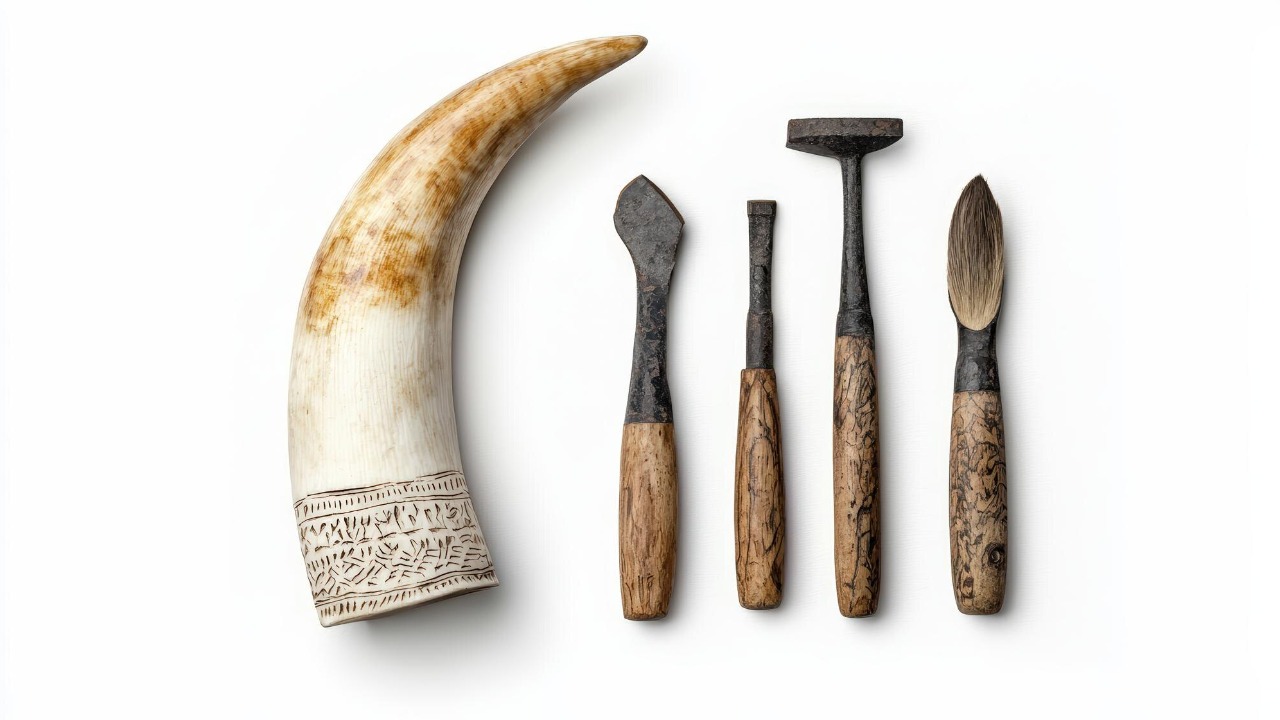
Early humans employed small flint or stone tools to make precise incisions on elephant hides and bones, allowing them to access meat, marrow, and other usable parts. These small tools, despite their size, were highly effective for dismembering large animals. The cut marks on the bones show repeated strikes, indicating a systematic approach to separating joints and extracting resources. This methodical butchering process reflects a high level of skill and understanding of animal anatomy, which would have been crucial for efficiently processing such large creatures [Popular Science].
The efficiency of these small tools is further highlighted by comparative analyses with modern butchery techniques. Researchers have inferred the skill level required for such operations on megafauna like elephants by examining the precision and placement of the cut marks. This suggests that early humans possessed a sophisticated understanding of tool use and animal processing, which would have been essential for their survival and success in prehistoric environments [Phys.org].
Crafting Large Tools from Bones
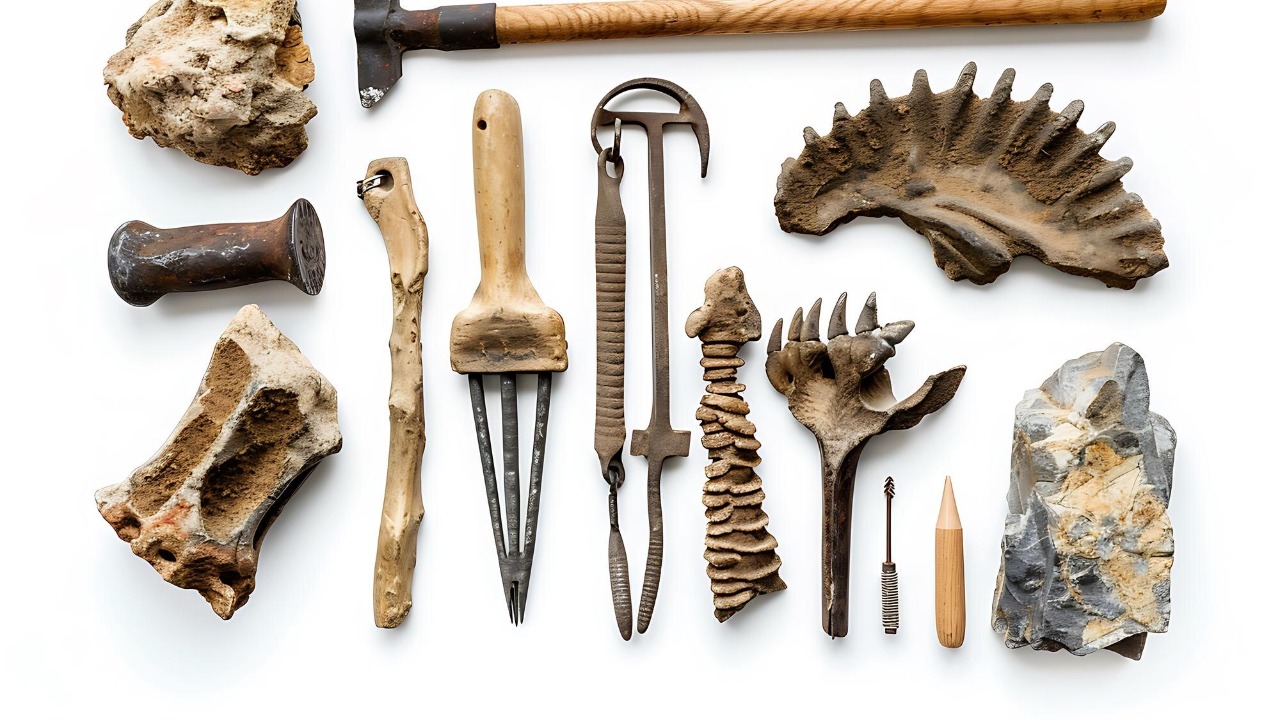
The transformation of elephant long bones into oversized tools, such as clubs or anvils, represents a significant technological advancement for early humans. These bone tools were often too large to be made from stone and were better suited for heavy tasks, such as breaking open bones to access marrow or processing other materials. The use of bone for these “supersized” tools provided durability advantages over stone, as bone is less prone to breaking under heavy use [Reuters].
Evidence of similar bone-tool production from hippo remains suggests a versatile adaptation to large mammal resources in prehistoric environments. This adaptability would have been crucial for early humans living in diverse and challenging landscapes, allowing them to exploit a wide range of resources for survival. The ability to create tools from the bones of different large animals indicates a broad understanding of material properties and tool-making techniques [Reuters].
Examples of polished and shaped artifacts from these sites further demonstrate the skill and ingenuity of early humans. These artifacts provide insight into the technological capabilities of pre-Neanderthal populations and challenge previous assumptions about their level of sophistication. The ability to create durable and effective tools from available materials would have been a key factor in the success and expansion of early human groups [IFLScience].
Implications for Early Human Innovation

Butchering elephants enabled early humans to access high-calorie food sources, which may have supported brain growth and population expansion around 400,000 years ago. The nutritional benefits of consuming large quantities of meat and marrow would have provided the energy necessary for the development of larger brains and more complex social structures. This access to abundant resources could have played a crucial role in the evolutionary success of early human populations [Daily Star].
The technological leap from small stone tools to bone-based large implements indicates a significant advancement in planning and multi-stage resource use by pre-Neanderthal groups. This progression reflects a deeper understanding of material properties and tool-making techniques, which would have been essential for adapting to changing environments and exploiting available resources. The ability to innovate and develop new technologies would have been a key factor in the survival and success of early human populations [Popular Science].
These practices in Europe reflect adaptive strategies to Ice Age megafauna, influencing later human tool development. The ability to exploit large animals for both food and materials would have provided a significant advantage in the harsh and variable climates of the Ice Age. This adaptability and resourcefulness would have been crucial for the survival and expansion of early human populations, laying the groundwork for future technological advancements and cultural developments [Phys.org].
