Recent discoveries in mountain ice have unveiled a treasure trove of ancient gear, providing unprecedented insights into the lives and technologies of early civilizations. As climate change causes glaciers to recede, archaeologists are uncovering artifacts that have been preserved for centuries, offering a unique glimpse into the past.
The Significance of Ice Preservation
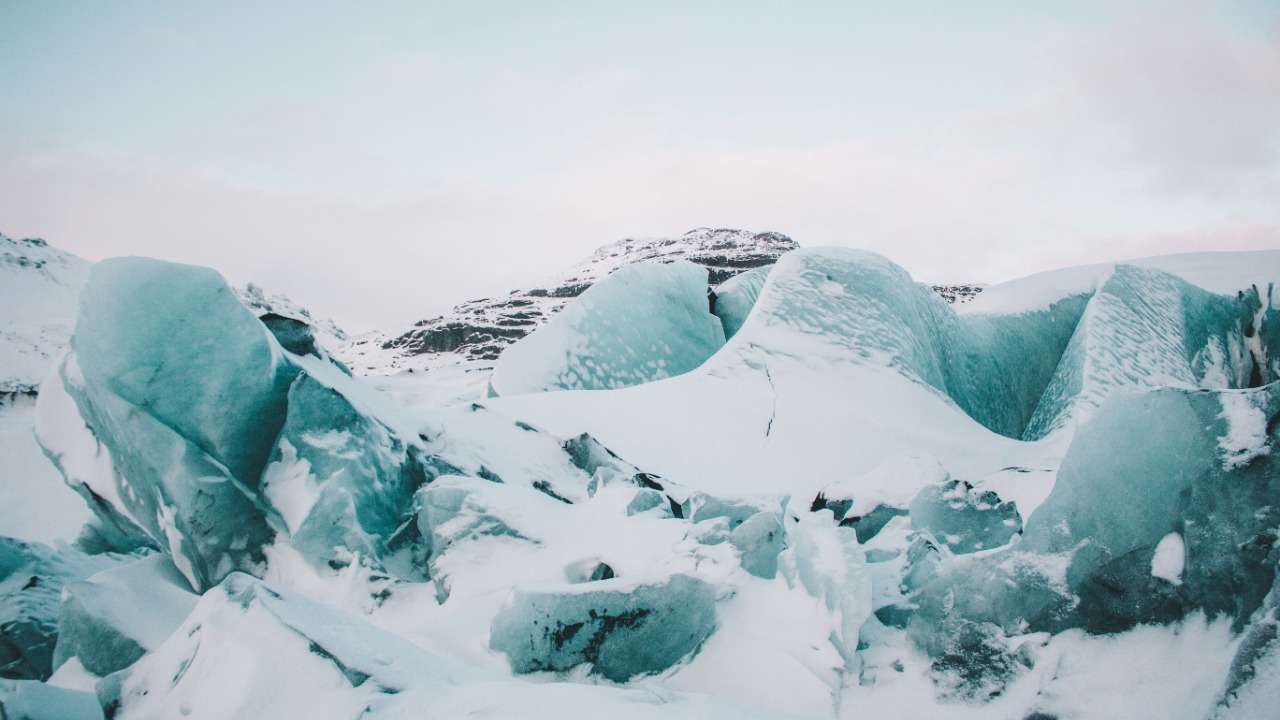
Ice acts as a natural preservative, maintaining the condition of organic materials that would otherwise decay over time. Unlike other archaeological contexts, where organic materials often rot away, the cold and stable environment of glaciers and ice patches ensures that items such as textiles, wooden tools, and even food remain intact. This preservation offers a rare opportunity to study ancient cultures in a more comprehensive way, revealing details often lost to history.
The historical context provided by these discoveries is invaluable. They allow researchers to piece together timelines and gain a deeper understanding of cultural practices from ancient civilizations. For example, the discovery of a perfectly preserved wooden ski in Norway dating back to the Roman Iron Age offers insights into the technological advancements of that era. However, the same climate change that reveals these treasures also poses a threat, as the rapid melting of ice can lead to the deterioration of newly exposed artifacts.
Notable Discoveries in European Mountain Ice

In Norway, the receding ice has uncovered a wealth of Viking artifacts, including weapons, clothing, and tools, which provide a fascinating glimpse into the daily lives of these seafaring warriors. These finds, detailed in sources like The New York Times, highlight the significance of Viking expeditions and their interactions with other cultures. Similarly, the Alps have revealed items related to trade, travel, and ritual activities, indicating a complex network of cultural exchange across Europe.
The discovery of Ötzi the Iceman in the Alps in 1991 set a precedent for ice archaeology. His well-preserved body and accompanying artifacts provided a snapshot of life in the Copper Age, offering insights into everything from diet to clothing. This find catalyzed further research into what ice-preserved artifacts can tell us about human history.
Technological and Cultural Insights
The technological sophistication of ancient civilizations is evident in the artifacts uncovered from mountain ice. For instance, the metallurgy and textile production skills of these cultures are demonstrated by the diversity and complexity of the items found. The presence of intricate weapons and clothing suggests a high level of craftsmanship and knowledge of materials.
Evidence of cultural exchange is also present, as seen in the diversity of materials and craftsmanship. Items made from materials not native to the region indicate that ancient communities engaged in extensive trade networks. These artifacts provide clues about societal structures, revealing information about social hierarchies, community organization, and even religious practices. The findings contribute to a more nuanced understanding of how ancient societies functioned and interacted with one another.
Challenges and Future Prospects
Preserving newly uncovered artifacts presents significant challenges for archaeologists. The moment these items are exposed to the air, they begin to deteriorate, making immediate conservation efforts crucial. Techniques such as freeze-drying and chemical treatments are employed to stabilize these treasures, ensuring they remain intact for further study and display.
Ethical considerations also play a role in the excavation of these artifacts. It is essential to balance the scientific value of these discoveries with the cultural significance they hold for local communities. Involving these communities in the decision-making process ensures that the removal of artifacts is conducted respectfully. As climate change continues to reveal new finds, the potential for reshaping our understanding of ancient human history is immense. Future discoveries will no doubt continue to challenge and enrich our knowledge of the past.
