Scientists have announced the discovery of a 3,000-year-old furnace in Georgia that may have accidentally sparked the dawn of the Iron Age through copper smelting processes gone awry. This workshop, unearthed in the region, provides surprising clues to how ancient metallurgists unintentionally pioneered iron production around 3,000 years ago. The find challenges traditional views on the transition from the Bronze Age, suggesting an accidental breakthrough in a copper smelter led to the forging of iron tools and weapons.
The Discovery in Georgia

The unearthing of a 3,000-year-old workshop in Georgia has provided new insights into the origins of the Iron Age. Located in the region known for its rich archaeological history, the site was initially excavated by a team of researchers who were intrigued by its potential to reveal secrets of ancient metallurgy. The workshop’s location in Georgia is significant, as it sits at a crossroads of ancient trade routes, which may have facilitated the spread of metallurgical knowledge across regions. The excavation revealed a well-preserved furnace structure, surrounded by various artifacts that suggest its use in metalworking processes [ZME Science].
The furnace itself is a remarkable find, with its structure indicating advanced metallurgical techniques for the time. Artifacts associated with the site include tools and remnants of metalwork, which highlight the workshop’s role in ancient metallurgy. The furnace’s design suggests it was initially intended for copper smelting, a common practice during the late Bronze Age. However, its construction allowed for temperatures high enough to facilitate the accidental production of iron, marking a pivotal moment in technological advancement [Popular Mechanics].
Dating back approximately 3,000 years, the timeline of this discovery places it at the cusp of the transition from the Bronze Age to the Iron Age. This period was characterized by significant technological and cultural shifts, as societies began to adopt iron for tools and weapons. The Georgia workshop’s connection to this era suggests that the accidental production of iron may have been more widespread than previously thought, challenging the traditional narrative of a deliberate and gradual shift from bronze to iron [The Debrief].
Copper Smelting and the Accidental Breakthrough
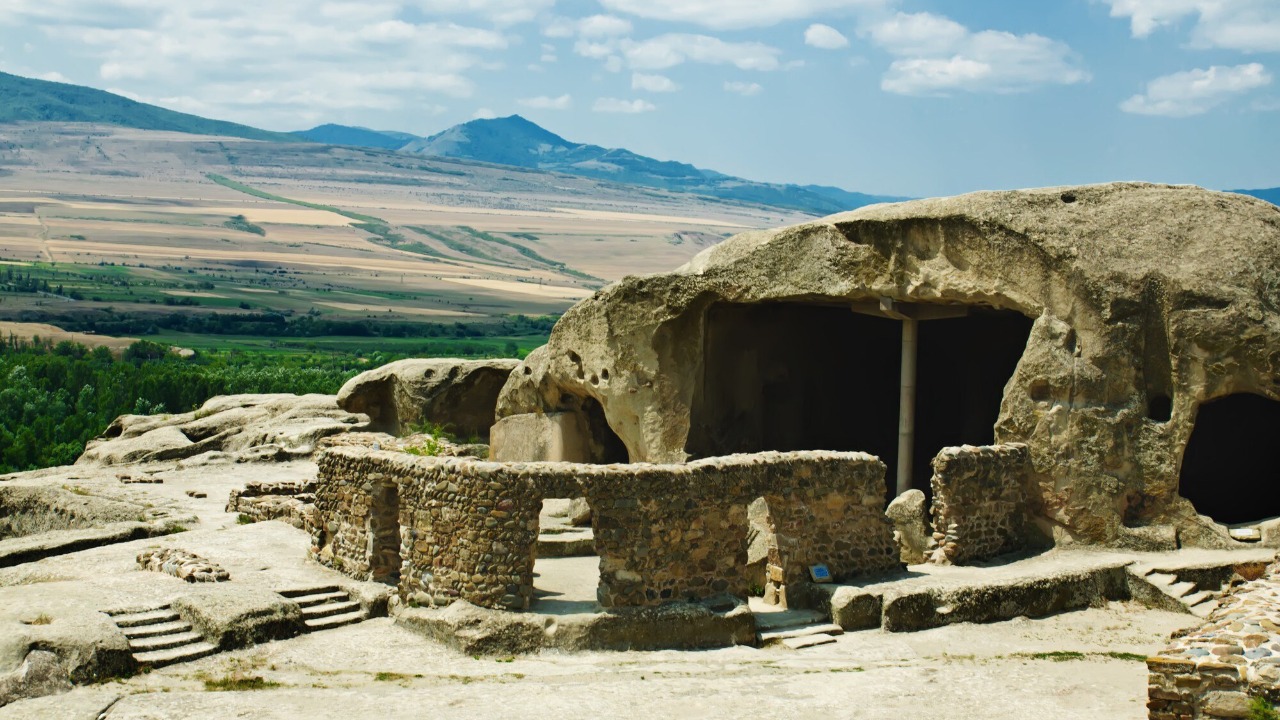
The operation of copper smelters in the ancient workshop likely led to the unintended high temperatures necessary for iron production. These smelters were designed to extract copper from ore, but the conditions within the furnace inadvertently reached levels sufficient to reduce iron ore as well. This accidental breakthrough occurred when impurities in the copper ore, combined with the high heat, resulted in the formation of iron artifacts. The process highlights the serendipitous nature of technological advancements, where unintended outcomes can lead to significant discoveries [SciTechDaily].
The chemical processes involved in this accidental iron production are complex, involving the reduction of iron oxides present in the copper ore. As the furnace reached temperatures exceeding those typically used for copper smelting, these iron oxides were reduced to metallic iron. This process not only produced iron artifacts but also marked a significant technological leap from the use of softer metals like copper and bronze to the more durable and versatile iron. The discovery of early iron objects at the site serves as evidence of this pivotal shift in metallurgical practices [ScienceDaily].
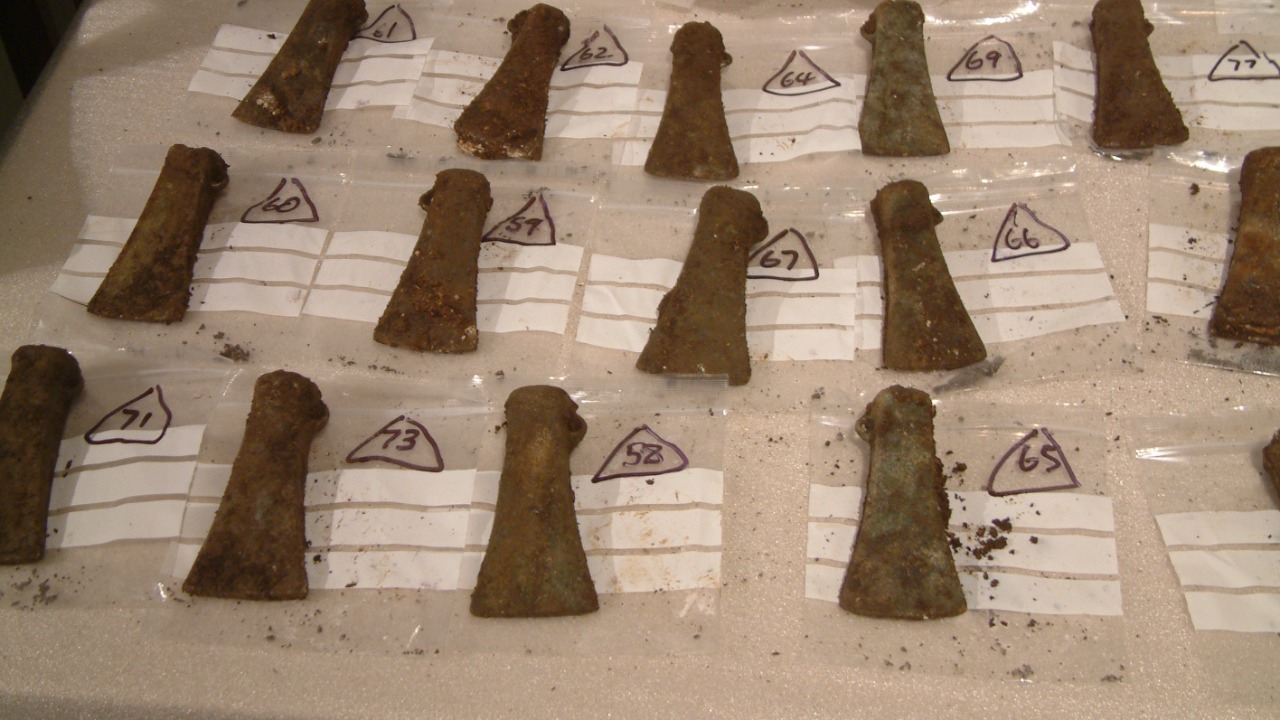
The presence of these early iron objects at the Georgia site underscores the transition from copper to iron working. These artifacts, which include tools and weapons, demonstrate the practical applications of iron and its advantages over previous materials. The accidental nature of this discovery suggests that similar breakthroughs may have occurred independently in other regions, contributing to the widespread adoption of iron technology during this period [The Debrief].
Scientific Analysis and Evidence
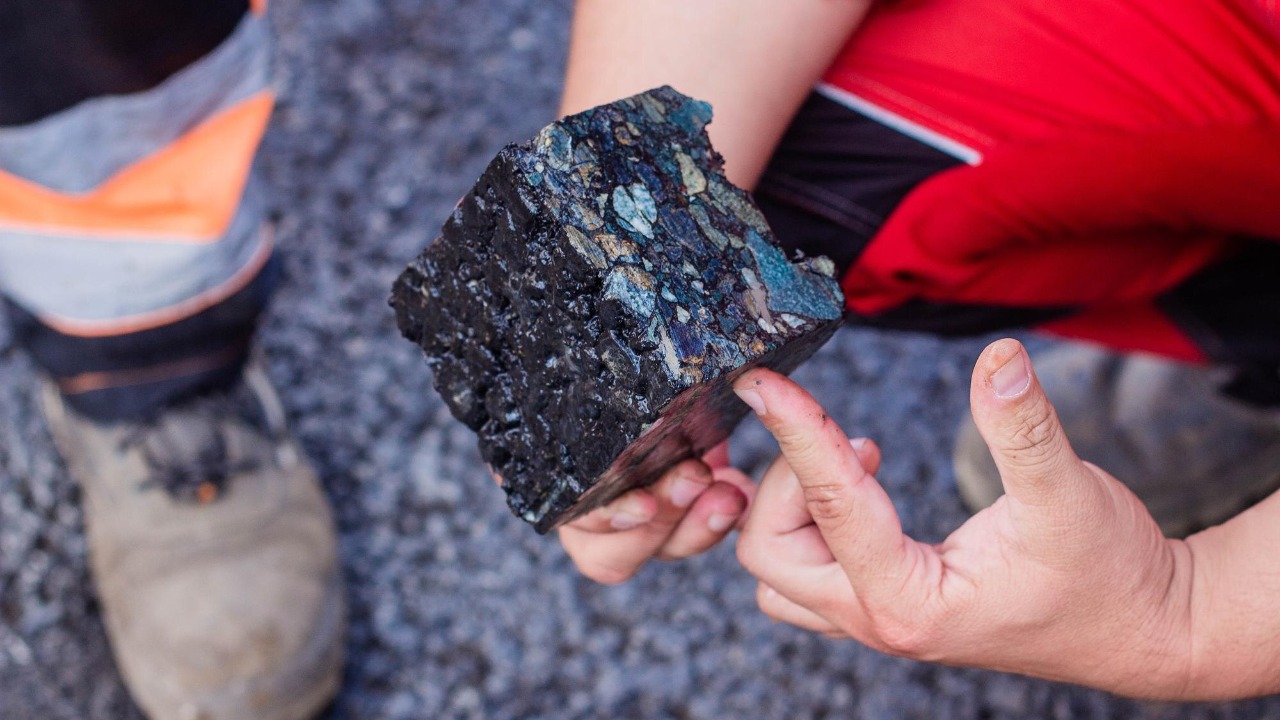
Metallurgical analysis of the furnace residues has confirmed traces of iron smelting dating back 3,000 years. These analyses involved examining the chemical composition of the residues, which revealed the presence of iron and other elements indicative of high-temperature smelting processes. The findings provide concrete evidence of early iron production and support the hypothesis that the Georgia workshop played a crucial role in the advent of the Iron Age [Popular Mechanics].
Isotopic and material studies have further linked the Georgia workshop to the broader onset of the Iron Age. These studies analyzed the isotopic signatures of the metal artifacts and compared them to known samples from other regions, establishing connections between the workshop and the spread of iron technology. The results suggest that the accidental discovery in Georgia may have influenced metallurgical practices across a wide geographic area, contributing to the rapid adoption of ironworking techniques [ZME Science].
Experts interpret this accidental event as a significant factor in rewriting the origins of the Iron Age. The discovery challenges the traditional view that the transition from bronze to iron was a deliberate and gradual process. Instead, it suggests that human error and experimentation played a more prominent role in technological advancements than previously acknowledged. This reinterpretation of history highlights the importance of serendipity in the development of human civilization [SciTechDaily].
Implications for Ancient Metallurgy
The 3,000-year-old discovery in Georgia reframes our understanding of the transition from Bronze Age copper work to Iron Age innovations. By demonstrating that iron production may have been an accidental byproduct of copper smelting, the find suggests that ancient metallurgists were more experimental and adaptive than previously thought. This new perspective on ancient technology emphasizes the role of chance in the evolution of metallurgical practices [ScienceDaily].
The potential spread of iron technology from the Georgia site to other regions around 3,000 years ago is a topic of significant interest. As trade routes connected different cultures, the knowledge and techniques developed in Georgia could have influenced metallurgical practices elsewhere. This dissemination of technology would have facilitated the rapid adoption of ironworking across diverse societies, leading to widespread changes in tool and weapon manufacturing [The Debrief].
The role of accidental human error in technological advancements is underscored by the furnace remains. This discovery illustrates how unintended consequences can lead to significant breakthroughs, reshaping entire industries and societies. The Georgia furnace serves as a testament to the innovative spirit of ancient metallurgists, whose experiments and mistakes paved the way for the Iron Age and its lasting impact on human history [Popular Mechanics].
