Fossil footprints discovered in Kerry, Ireland, may belong to the oldest spider ever to walk the Earth, dating back 260 million years to a time long before the dinosaurs roamed. These trackways, found in ancient sedimentary rocks, suggest early arachnids were already navigating terrestrial environments during the Permian period. The find challenges previous understandings of spider evolution and highlights their journey predating major prehistoric events.
The Discovery of the Kerry Footprints
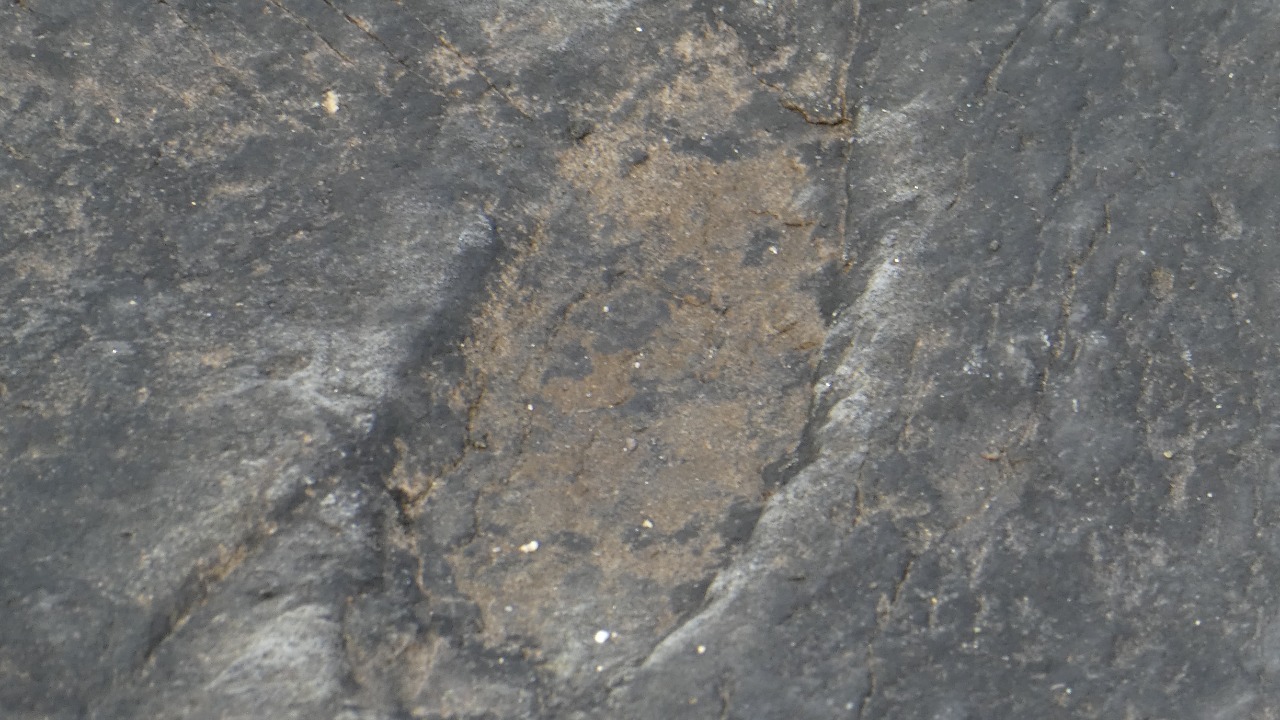
The discovery of fossil footprints in Kerry, Ireland, has sparked significant interest in the scientific community. These footprints, preserved in ancient sedimentary rocks from the Permian period, are estimated to be 260 million years old. They reveal trackways that might indicate a spider’s journey across prehistoric landscapes. The location of Kerry is known for its significant paleontological sites, adding to the intrigue of this find. The footprints’ discovery is attributed to fieldwork that has brought new insights into early arachnid mobility, challenging previous assumptions about the timeline of spider evolution. This discovery has been reported by SSB Crack.
While the specific details of the footprints’ discovery remain under study, the implications are profound. The footprints suggest that early spiders were already exploring terrestrial environments long before the age of dinosaurs. This challenges the conventional timeline of arachnid evolution and suggests that these creatures were among the first to adapt to life on land. The discovery has been a significant contribution to our understanding of prehistoric life, as noted by MSN.
The footprints were discovered by a team of geologists and paleontologists who meticulously studied the sedimentary layers of the Kerry site. This area, known for its rich geological history, has been a focal point for researchers aiming to uncover the mysteries of Earth’s distant past. The team employed advanced imaging techniques to analyze the footprints, allowing them to confirm the age and potential origin of these ancient trackways. The discovery process itself was a testament to the meticulous nature of paleontological research, where each layer of rock can reveal new insights into the planet’s evolutionary history.
Moreover, the Kerry site has been a subject of interest due to its unique geological formations that have preserved a variety of prehistoric life forms. The footprints add a new dimension to the site’s significance, offering a rare glimpse into the behavior and movement of early arachnids. This discovery not only enriches the paleontological record of the region but also provides a crucial piece of the puzzle in understanding the evolutionary timeline of spiders. As researchers continue to study these footprints, they hope to uncover more about the environmental conditions and ecological niches that these early spiders might have occupied.
Interpreting the Oldest Spider Evidence
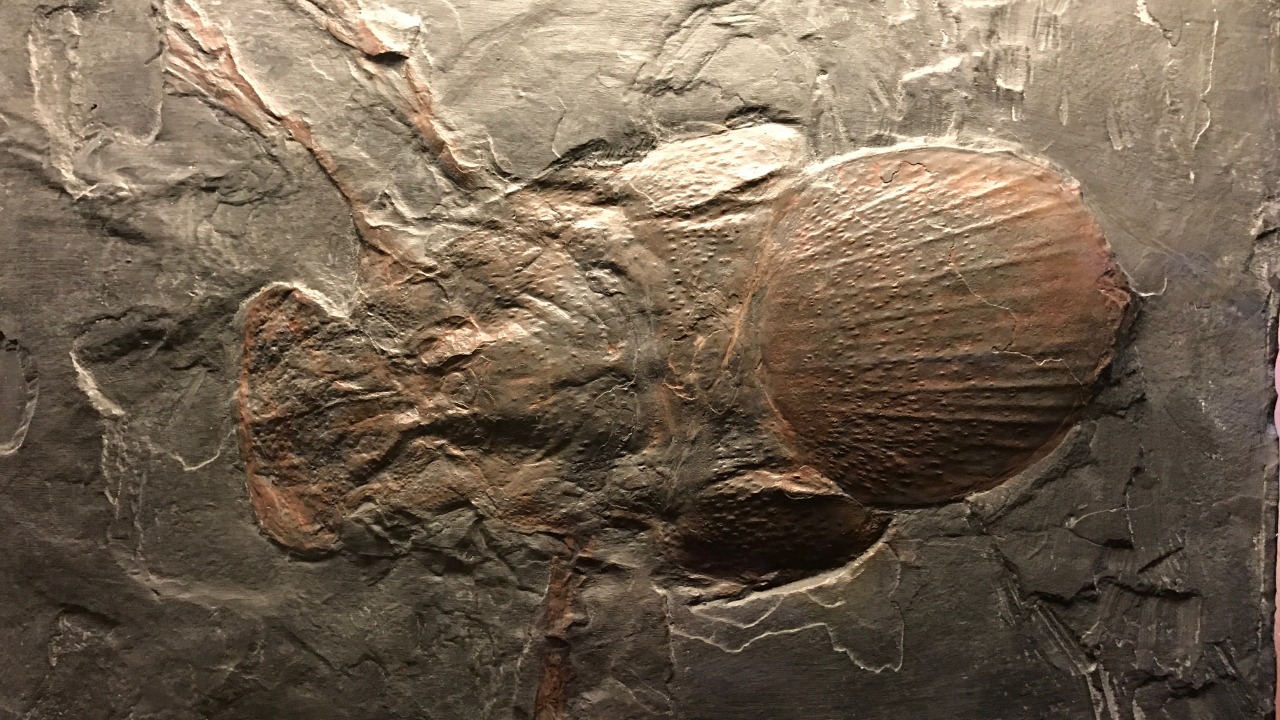
The fossil footprints might belong to the oldest spider ever to walk the Earth, pushing back the timeline of arachnid terrestrial activity to long before the dinosaurs. Analysis suggests the 260-million-year-old trackways represent a spider’s movement, providing direct evidence of early web-spinners or hunters navigating land. The prints’ structure, including paired leg impressions, aligns with modern spider locomotion patterns, supporting the hypothesis of a pre-dinosaur arachnid origin. This interpretation is supported by the reporting from SSB Crack.
The implications of this discovery extend beyond just the timeline of spider evolution. It suggests that spiders were among the first complex terrestrial arthropods, adapting to land environments during the Permian era. This challenges previous assumptions about the evolution of arachnids and highlights their resilience and adaptability. The discovery has been a significant contribution to our understanding of prehistoric life, as noted by MSN.
The interpretation of these fossil footprints involves a multidisciplinary approach, combining paleontology, geology, and evolutionary biology. Scientists are using comparative analysis with modern spider species to better understand the locomotion patterns suggested by the fossilized trackways. This involves examining the spacing and depth of the footprints, which can indicate the size and gait of the ancient spiders. Such analyses are crucial in reconstructing the physical characteristics and potential behaviors of these early arachnids, providing a clearer picture of their role in prehistoric ecosystems.
Additionally, the discovery has prompted a reevaluation of the ecological dynamics during the Permian period. The presence of spiders at this time suggests that complex food webs were already in place, with spiders potentially playing a role as both predators and prey. This challenges previous models of Permian ecosystems, which often underestimated the complexity and diversity of life forms during this era. By integrating data from the Kerry footprints with other fossil records, scientists are piecing together a more comprehensive view of life on Earth before the rise of dinosaurs.
Insights into Early Arachnid Behavior
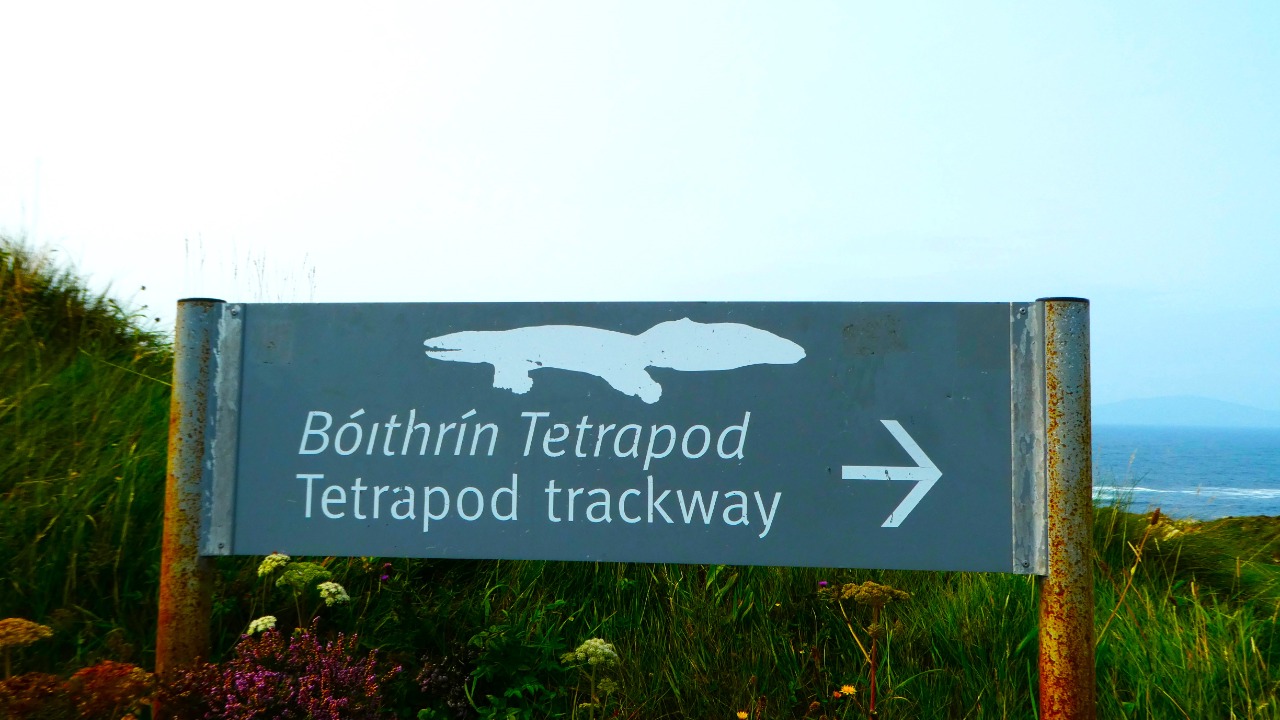
While the Kerry footprints provide a glimpse into the ancient world of spiders, other fossil evidence offers insights into their behavior. For instance, the oldest fossil evidence of spider moms taking care of their young, preserved in amber and dating to around 100 million years ago, informs broader spider evolutionary traits. Although this evidence postdates the Kerry footprints, it suggests that protective instincts may trace back further than previously thought in arachnid history. This aspect of spider evolution is detailed by Science News.
The Kerry discovery’s 260-million-year-old footprints imply early spiders engaged in active surface travel, potentially for hunting or dispersal, long before dinosaur dominance. Behavioral parallels can be drawn to the amber fossil, where maternal care in spiders is evidenced, suggesting that sophisticated behaviors were present even in these ancient creatures. This connection between fossil evidence highlights the complexity of spider evolution and their early adaptation to terrestrial life.
The behavioral implications of the Kerry footprints are profound, suggesting that early spiders were not only capable of terrestrial locomotion but also possibly engaged in complex behaviors such as hunting and territory exploration. The trackways indicate a purposeful movement across the landscape, which could imply a search for food or mates. This behavior aligns with what is known from later fossil records, where spiders are seen as active predators within their ecosystems. Such insights help scientists understand the evolutionary pressures that shaped the development of arachnid behaviors over millions of years.
Furthermore, the comparison with the amber-preserved spider maternal care highlights a continuity in behavioral traits that may have persisted through evolutionary time. This continuity suggests that certain survival strategies, such as maternal care and territoriality, were advantageous and thus preserved through natural selection. By studying these ancient behaviors, researchers can infer the evolutionary advantages that allowed spiders to thrive and diversify into the myriad species we see today. This ongoing research underscores the importance of fossil evidence in tracing the evolutionary history of complex behaviors in arthropods.
Broader Implications for Prehistoric Life
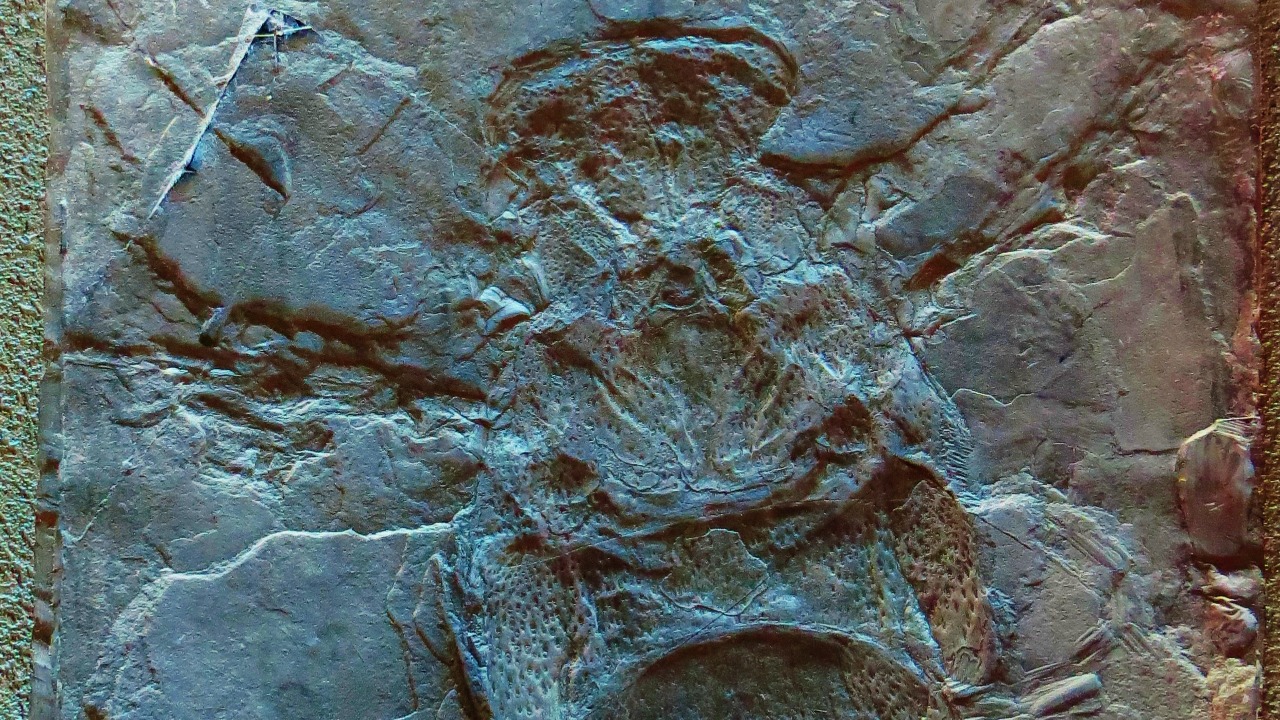
The footprints predate dinosaurs by over 100 million years, positioning spiders as among the earliest complex terrestrial arthropods during the Permian era. This discovery has rocked scientific communities by extending the known history of walking arachnids to 260 million years ago. The integration of this find with other fossils, like the 2021 amber evidence of spider maternal care, underscores a continuous thread of sophisticated behaviors in spiders from the Permian onward. The significance of this discovery is highlighted in the reporting by Independent.ie.
The broader implications of this discovery extend to our understanding of prehistoric ecosystems and the evolution of life on Earth. By positioning spiders as early pioneers of terrestrial environments, this find challenges previous assumptions about the timeline of arachnid evolution and highlights their resilience and adaptability. The discovery of these ancient footprints not only enriches our understanding of spider evolution but also provides a window into the complex dynamics of prehistoric life.
