An exciting archaeological discovery has recently come to light, revealing an ancient fortress hidden beneath layers of volcanic ash. This find offers a unique window into past civilizations and the devastating impact of volcanic disasters on their existence.
Historical Background of Volicanc Disasters
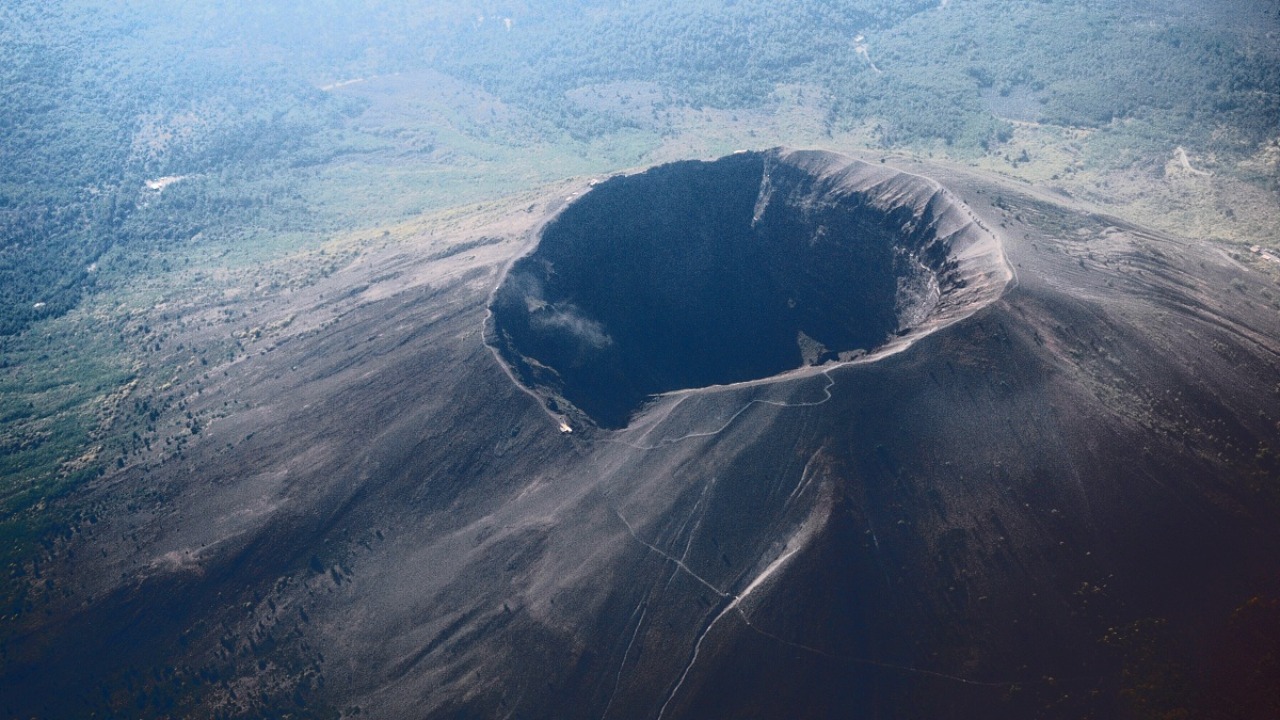
Volcanic disasters have played a significant role in shaping human history. The destructive power of these natural events has often led to the downfall of civilizations, leaving behind remnants that provide valuable insights into the past. Notable examples include the eruption of Mount Vesuvius, which led to the tragic end of Pompeii, and the Santorini eruption that influenced the fate of ancient Turkish cities.
The eruption of Mount Vesuvius in 79 AD buried the thriving city of Pompeii under a thick layer of volcanic ash, preserving it in a state of suspended animation. Similarly, the Santorini eruption around 1600 BC had a profound impact on the ancient cities of Türkiye, leading to significant changes in their cultural and architectural landscape.
Discovery of the Ancient Fortress
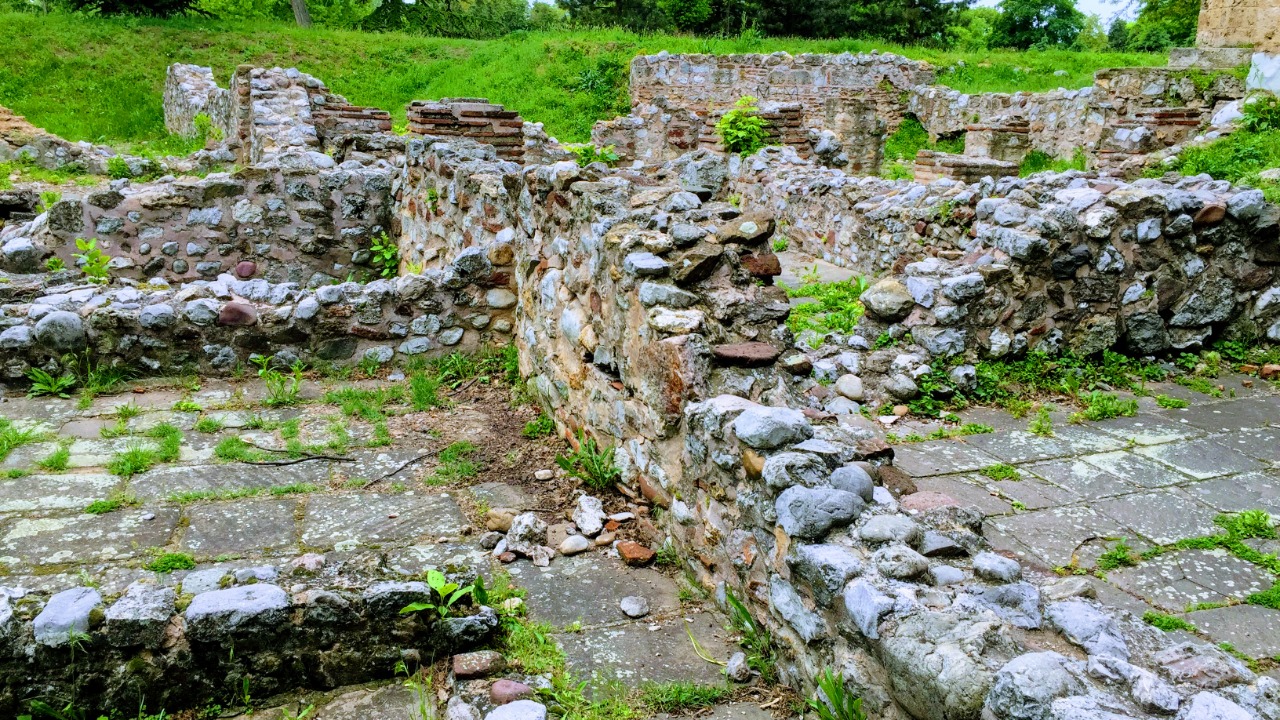
The process of discovering the ancient fortress was a meticulous one, involving careful observation of initial signs and extensive excavation work. The fortress’s architecture and layout offer a fascinating look into the construction methods and design principles of the civilization that built it.
The fortress’s design, with its robust walls and strategic layout, speaks volumes about the defensive strategies of the time. The use of local materials in its construction also provides insights into the resourcefulness and adaptability of the ancient society.
Artifacts and Insights into Ancient Life
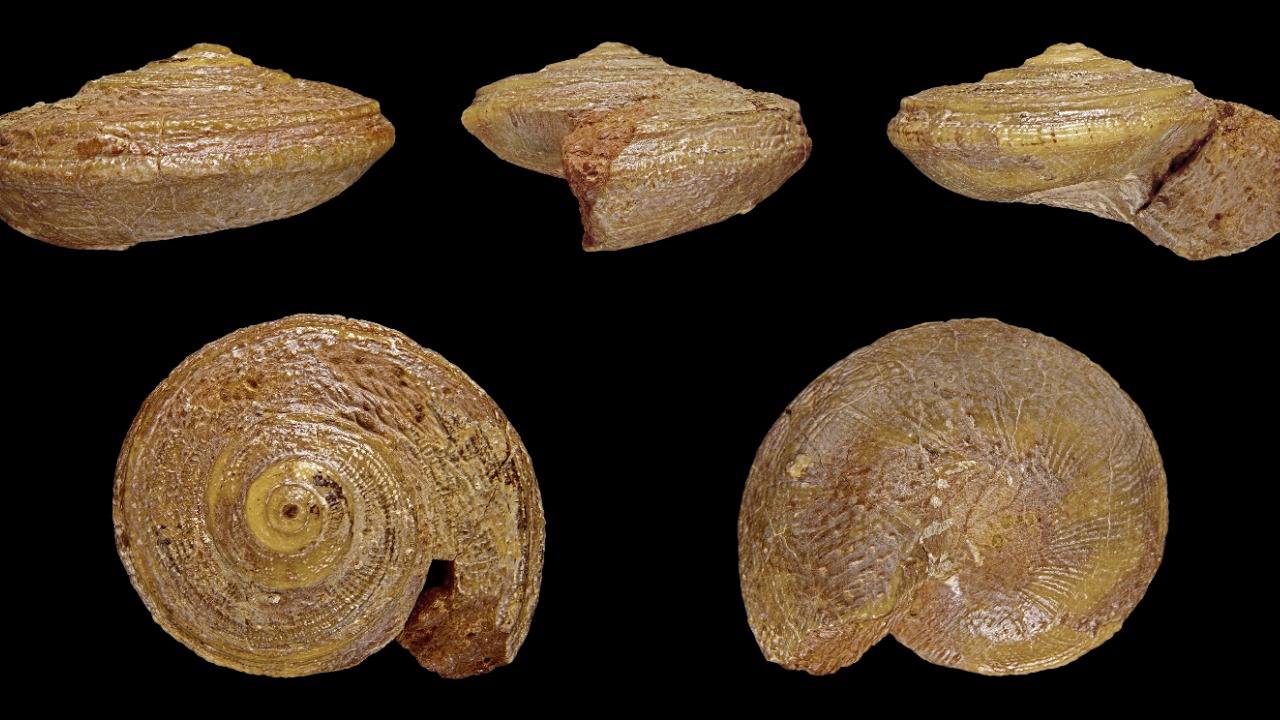
The site has yielded a wealth of artifacts, including weapons and household items, that shed light on the culture and lifestyle of the ancient civilization. For instance, the discovery of a polybolos, an ancient repeating crossbow, suggests a high level of military technology.
In addition to physical artifacts, inscriptions and art found at the site offer a glimpse into the society’s beliefs, traditions, and historical events. These cultural markers serve as a narrative of the civilization’s story, providing a more comprehensive understanding of their way of life.
Scientific Analysis and Dating of the Site
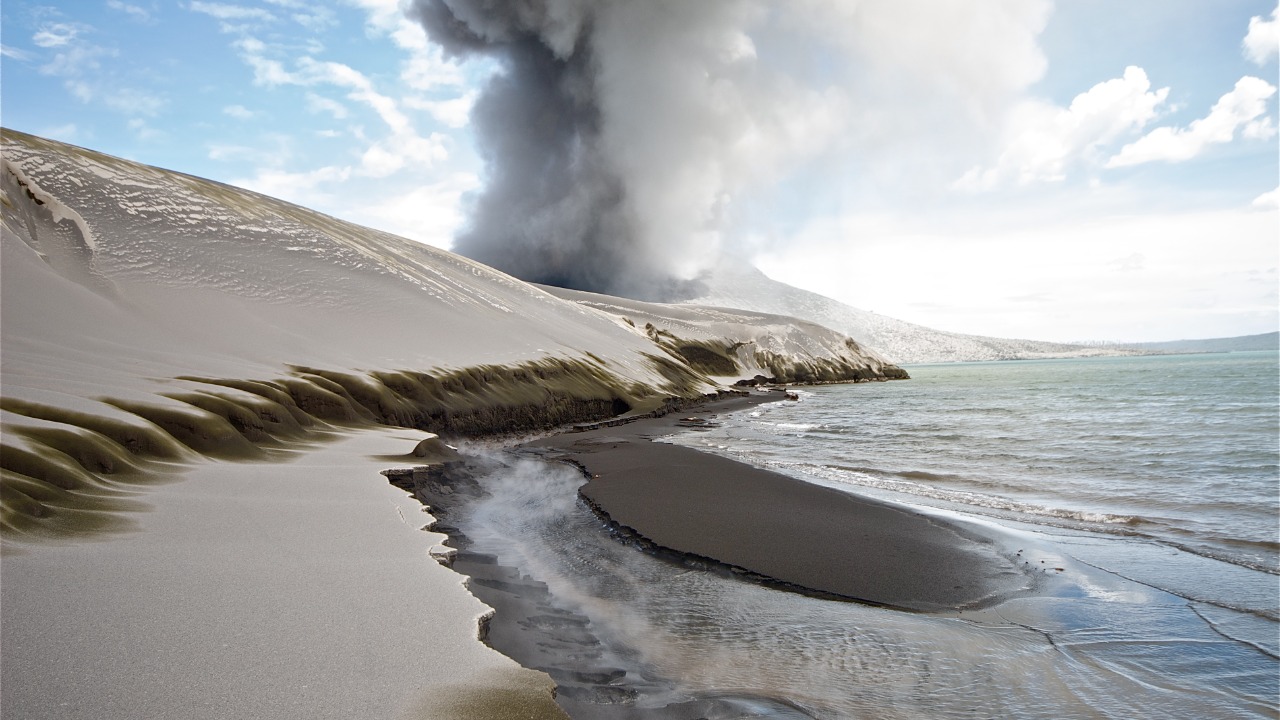
Scientific methods have been crucial in dating the fortress and the volcanic ash layers. Techniques such as radiocarbon dating and stratigraphic analysis have helped establish a timeline for the site and the catastrophic event that led to its burial.
The geological study of the volcanic ash has also provided valuable information about the nature and magnitude of the volcanic event. The ash’s composition and thickness can reveal details about the eruption’s intensity and its impact on the surrounding environment.
Implications for Archaeology and History
The discovery of the ancient fortress has significant implications for archaeology and history. It helps fill gaps in the historical timeline and enhances our understanding of how ancient civilizations responded to natural disasters. The fortress serves as a testament to the resilience of human societies in the face of catastrophic events.
Furthermore, the site holds potential for further archaeological investigations. Future excavations could reveal more about the civilization’s daily life, social structure, and technological advancements. As archaeologists continue to explore the fortress, we can expect more fascinating insights into our ancient past.
