Archaeologists have uncovered 23,000-year-old human footprints in an area where such evidence of human activity should not exist, challenging previous understandings of human migration. These ancient footprints emerged from sands, sparking a reevaluation of when humans first inhabited the Americas. This discovery has prompted a significant shift in the timeline of human presence in the region, suggesting that humans may have arrived much earlier than previously thought.
Discovery of the Footprints
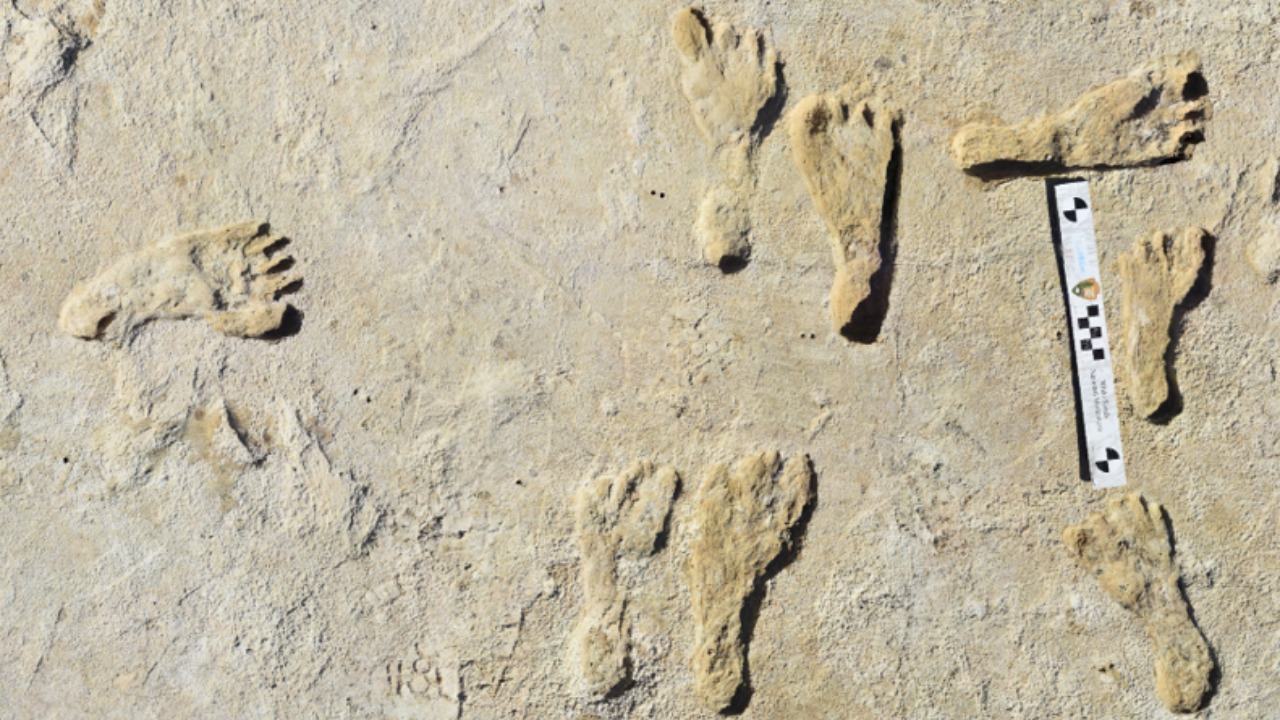
The archaeological site where the footprints were discovered is located in the White Sands National Park in New Mexico. This area, known for its vast gypsum sand dunes, has now become a focal point for understanding early human activity in North America. The footprints, preserved in the ancient lakebed, provide a rare glimpse into the lives of the people who once traversed this landscape. The significance of these footprints lies not only in their age but also in their ability to offer insights into the behaviors and movements of early humans in the Americas (MSN).
Archaeologists used a combination of radiocarbon dating and stratigraphic analysis to date the footprints to approximately 23,000 years ago. This method involved analyzing the layers of sediment in which the footprints were found, as well as dating seeds embedded within those layers. The results have provided a more precise timeline for when humans might have first set foot in the Americas, challenging the long-held belief that humans arrived via the Bering Land Bridge no earlier than 13,000 years ago (Popular Mechanics).
The White Sands National Park, where these footprints were found, is a unique environment that has preserved these ancient traces remarkably well. The park’s gypsum sand dunes are not only visually stunning but also provide a rare preservation medium for such delicate imprints. This environment has allowed researchers to study the footprints in situ, offering a direct connection to the past. The footprints themselves vary in size, suggesting that they were made by a group of individuals, possibly a family, moving together across the landscape. This discovery provides a tangible link to the daily lives and social structures of these early inhabitants, offering a snapshot of their existence in a time long before written records.
Implications for Human Migration Theories

This groundbreaking discovery has significant implications for existing theories of human migration to the Americas. Traditionally, it was believed that the first humans arrived in North America around 13,000 years ago, following the retreat of the glaciers that opened up the Bering Land Bridge. However, the footprints suggest that humans were present in the region much earlier, indicating that migration patterns may have been more complex than previously understood. This finding necessitates a reevaluation of the routes and timelines associated with early human migration (Popular Mechanics).
Experts in the field have expressed the need to revise current theories about the peopling of the Americas. The discovery of these footprints suggests that humans may have used alternative routes or arrived during different climatic conditions than those traditionally considered. This has sparked discussions among archaeologists and anthropologists about the potential for other undiscovered sites that could further illuminate the history of human migration (MSN).
In light of this discovery, researchers are reexamining the potential routes that early humans might have taken to reach the Americas. The traditional model of migration via the Bering Land Bridge is being reconsidered, with some experts proposing coastal routes as viable alternatives. These routes could have allowed for earlier migrations, as they would not have been as heavily impacted by glacial barriers. Additionally, the presence of these footprints suggests that early humans were capable of adapting to a variety of environments, from coastal areas to inland regions, demonstrating a level of resilience and adaptability that may have been underestimated in previous models.
Technological and Methodological Advances
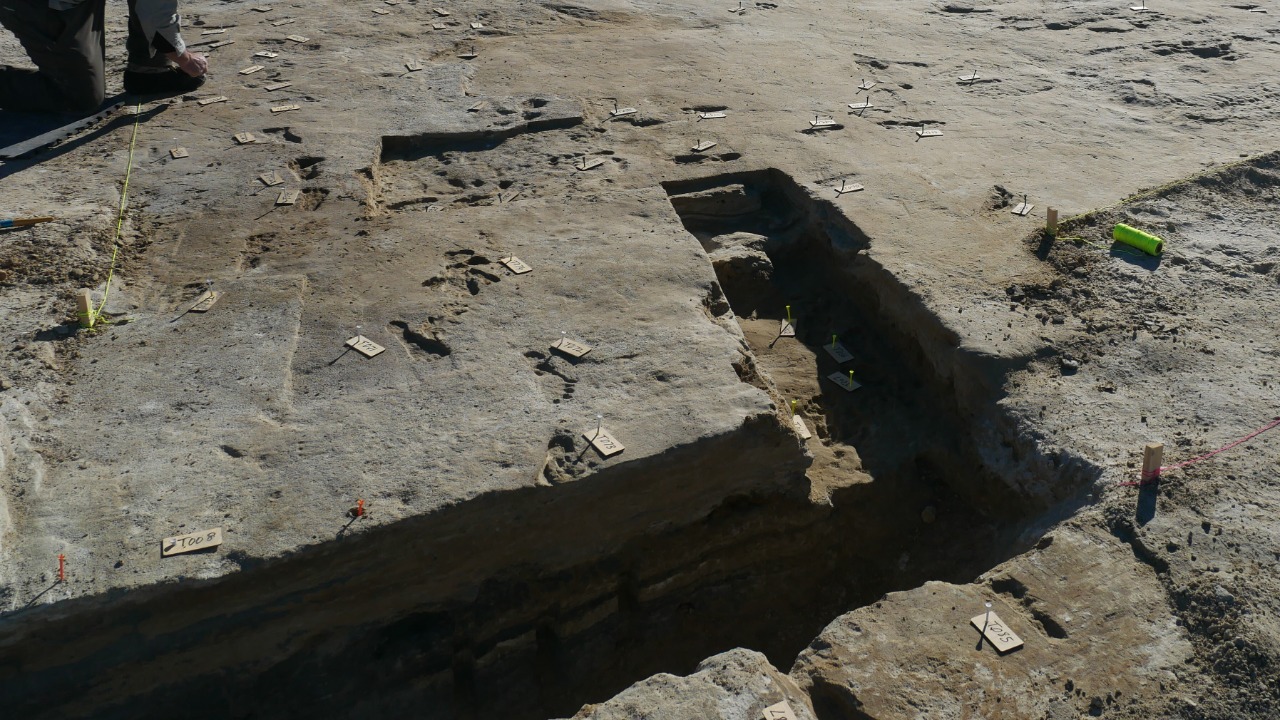
The excavation and analysis of the footprints were made possible by advances in archaeological technology. Ground-penetrating radar and 3D modeling were employed to map and preserve the site, allowing researchers to study the footprints in detail without causing damage. These technologies have not only facilitated the current discovery but also hold promise for future archaeological endeavors, enabling more precise and less invasive exploration of ancient sites (MSN).
Advancements in dating techniques, particularly radiocarbon dating, played a crucial role in this discovery. By accurately dating the seeds found within the sediment layers, researchers were able to establish a timeline for when the footprints were made. This precision in dating is essential for constructing a reliable chronology of human activity and migration patterns. As these methods continue to evolve, they will likely lead to even more refined understandings of ancient human history (Popular Mechanics).
Future Research Directions

The discovery of these ancient footprints opens up numerous avenues for future research. One potential area of study is the development of more precise dating techniques that could provide even greater accuracy in establishing timelines for ancient human activity. Additionally, broader archaeological surveys in the region may uncover more evidence of early human presence, offering further insights into migration patterns and behaviors (Popular Mechanics).
Multidisciplinary approaches will be crucial in expanding our understanding of early human history. Collaboration between archaeologists, geologists, and other scientists can provide a more comprehensive picture of the environmental and climatic conditions that early humans faced. Furthermore, international collaboration could lead to the exploration of similar sites worldwide, potentially uncovering new evidence that reshapes our understanding of human migration on a global scale (MSN).
Further research is also likely to focus on the ecological context of the footprints. Understanding the flora and fauna that existed in the region 23,000 years ago can provide insights into the resources available to these early humans and how they might have interacted with their environment. This ecological perspective can help reconstruct the broader landscape in which these individuals lived, offering clues about their diet, hunting practices, and social organization. Additionally, genetic studies of any biological material found at the site could offer information about the genetic diversity and origins of these early populations, potentially linking them to other ancient groups across the globe.
