Approximately 74,000 years ago, a colossal volcanic eruption occurred, leaving an indelible mark on the entire planet. Archaeologists have now turned to an unlikely source, volcanic glass, to unravel the mystery of how humans managed to survive this cataclysmic event.
The Massive Eruption 74,000 Years Ago
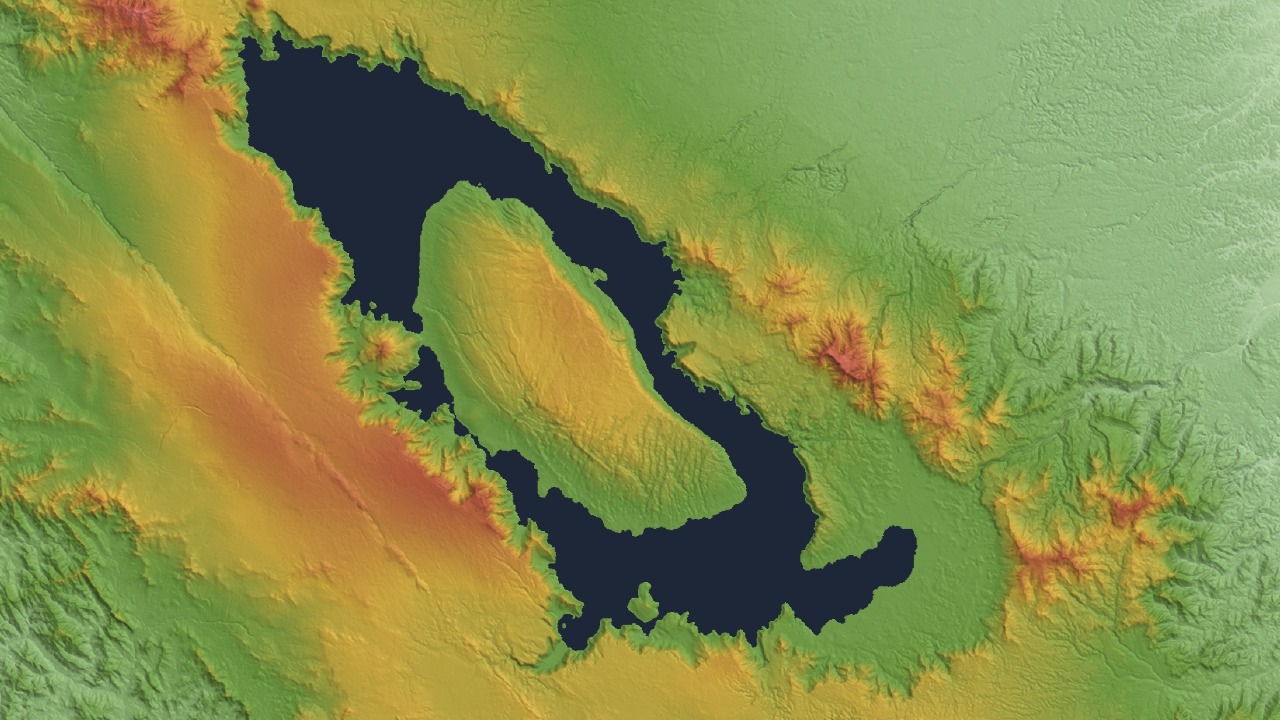
The eruption was of such a magnitude that it had far-reaching effects on the global climate and environment. The sheer scale of the eruption resulted in significant geological implications, altering the planet’s climate and reshaping the environment. The aftermath of the eruption was equally devastating, with global flora and fauna experiencing significant changes. The eruption’s impact was so profound that it left a lasting imprint on the Earth’s geological history, a testament to its destructive power.
According to Space.com, the eruption resulted in a significant drop in global temperatures, leading to a volcanic winter. This drastic change in climate had severe implications for life on Earth, with many species struggling to adapt to the new environmental conditions. Despite the harsh conditions, however, some species, including humans, managed to survive and adapt, a testament to the resilience of life.
The eruption, known as the Toba super-eruption, is believed to have been one of the most powerful in Earth’s history. It occurred in what is now Indonesia, and the volcanic ash it spewed out covered an area as far as India. The eruption was so powerful that it created a caldera, or volcanic crater, that is now Lake Toba. The amount of sulfur dioxide released into the atmosphere during the eruption is estimated to have been around 6 billion tons, which would have had a significant impact on the Earth’s climate.
The volcanic winter that followed the eruption would have drastically altered the landscape, making it difficult for many species to survive. The reduction in sunlight would have affected plant growth, leading to a decrease in food availability for herbivores. This, in turn, would have affected the food chain, impacting carnivores and omnivores, including humans. Despite these challenges, the fact that humans managed to survive and thrive is a testament to our species’ adaptability and resilience.
Archaeological Use of Volcanic Glass
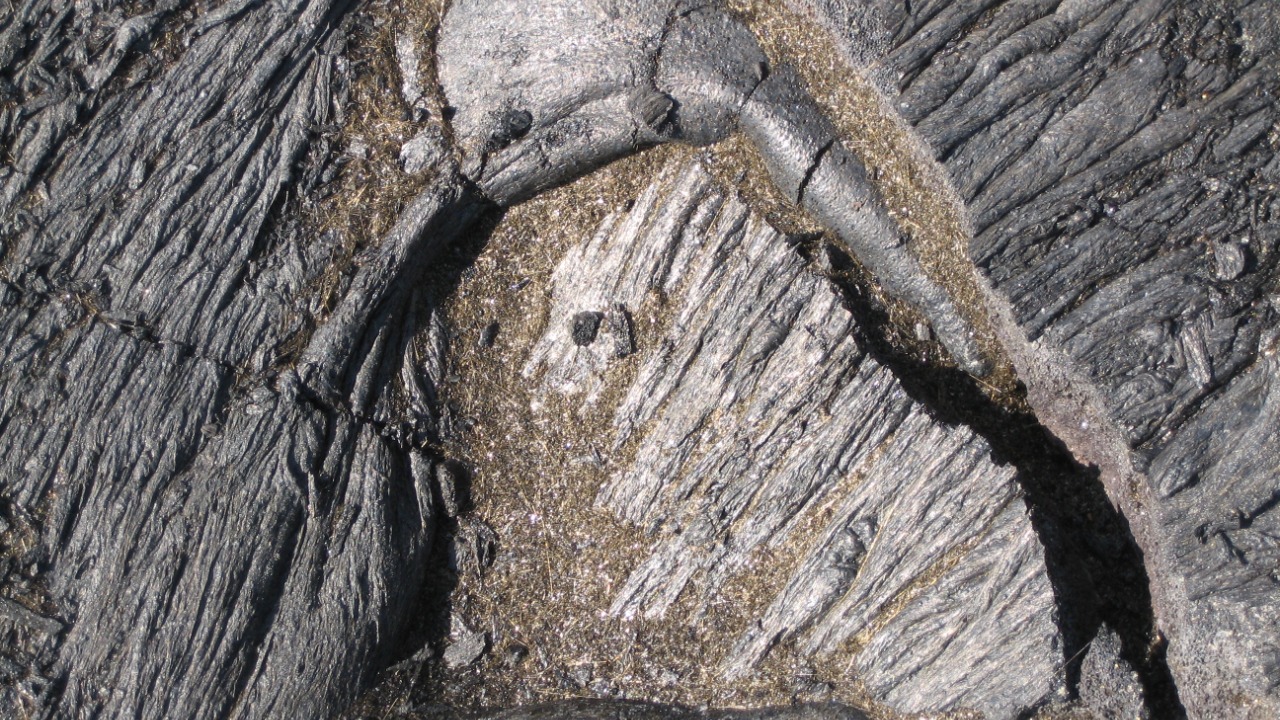
Volcanic glass, also known as obsidian, is a type of glass formed during volcanic eruptions when the rapid cooling of lava prevents crystallization. This unique material has proven to be a valuable tool for archaeologists, providing insights into historical events and human activity. The use of volcanic glass in archaeological research has allowed scientists to gain a deeper understanding of past civilizations and their interactions with the environment.
According to Space.com, the value of volcanic glass lies in its ability to preserve evidence of past events. The glass can contain microscopic inclusions of ash, gas, and other materials that provide a snapshot of the environment at the time of the eruption. This makes it an invaluable resource for understanding the impact of volcanic eruptions on the Earth and its inhabitants.
Volcanic glass has been used in archaeological research for many years. Its unique properties make it an ideal material for studying past volcanic eruptions. For instance, the chemical composition of volcanic glass can provide information about the magma from which it was formed, offering insights into the nature of the eruption. Furthermore, the presence of certain elements in the glass can indicate the temperature and pressure conditions during the eruption, providing further clues about the event’s severity.
Volcanic glass can also provide insights into human behavior. Archaeologists have found evidence of humans using volcanic glass to make tools, suggesting that our ancestors were resourceful and adaptable. The sharp edges of volcanic glass make it an excellent material for crafting tools and weapons, and its widespread availability following a volcanic eruption would have made it a valuable resource for early humans. This evidence of human ingenuity provides a fascinating glimpse into our species’ ability to adapt and survive in challenging conditions.
Understanding Human Survival
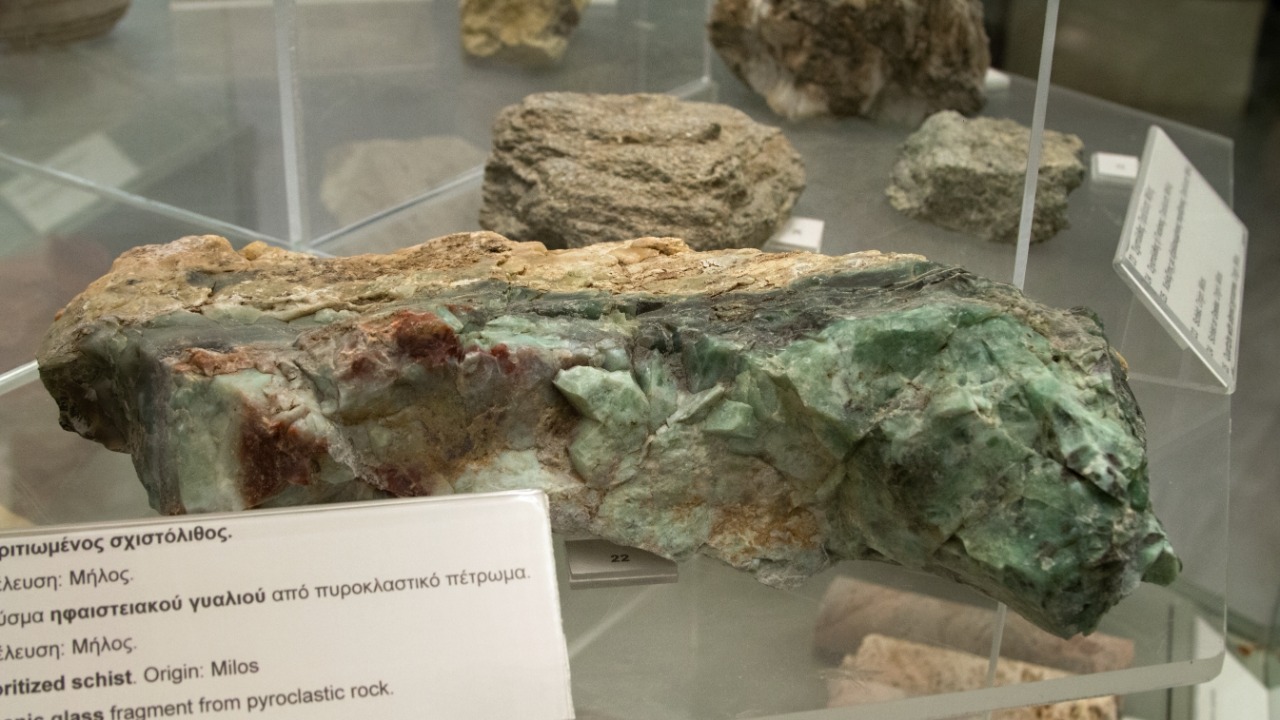
The question of how humans managed to survive the massive eruption 74,000 years ago is a fascinating one. The harsh conditions following the eruption would have posed significant challenges to survival, yet evidence suggests that humans not only survived but also adapted to their new environment. The key to understanding this survival lies in the archaeological evidence found in volcanic glass.
According to Space.com, the volcanic glass contains evidence of human activity, suggesting that humans were able to adapt to the changing environment. This evidence points to the use of innovative survival strategies, such as the use of fire and the development of new tools. The ability to adapt to these harsh conditions likely played a crucial role in human evolution, shaping our species into the resilient and innovative beings we are today.
The volcanic glass from the Toba eruption contains evidence of human activity, suggesting that our ancestors were able to adapt to the harsh conditions following the eruption. For instance, the glass contains traces of charcoal, indicating that humans were using fire at the time. Fire would have been a crucial tool for survival, providing warmth, a means of cooking food, and protection from predators. The presence of charcoal in the volcanic glass suggests that humans had already mastered the use of fire by the time of the Toba eruption, which would have been a significant advantage in their struggle for survival.
Furthermore, the volcanic glass contains evidence of tool-making, suggesting that humans were developing new technologies to cope with their changing environment. The ability to innovate and adapt to new situations is a key characteristic of our species, and the evidence found in the volcanic glass suggests that this trait was already well-developed 74,000 years ago. This ability to adapt and innovate likely played a crucial role in our species’ survival and evolution, shaping us into the resilient and innovative beings we are today.
