Scientists have uncovered a 200,000-year-old horse genome from the Schöningen site in Germany, where DNA remarkably survived exposure to open air despite harsh environmental conditions over millennia. This breakthrough challenges previous assumptions about DNA preservation limits outside frozen or sealed contexts. In a related advancement, a 70 million-year-old dinosaur fossil is being explored for potential insights into new cancer discoveries, highlighting the expanding possibilities of ancient biomolecules in modern medicine.
The Schöningen Discovery
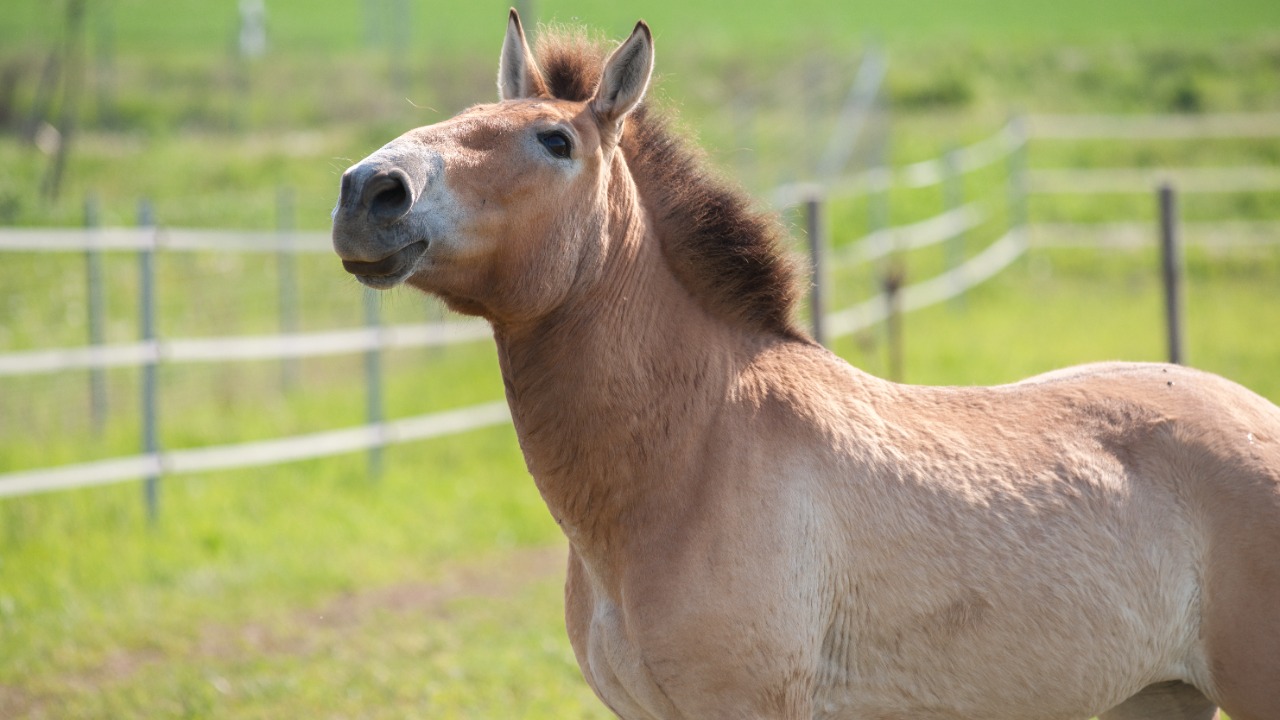
The extraction of the 200,000-year-old horse DNA from the Schöningen site is a remarkable feat, given the DNA’s exposure to open-air degradation. Researchers meticulously retrieved the genetic material from sediments, overcoming the challenges posed by contamination and fragmentation typical in non-permafrost environments. This site, known for its archaeological significance, also houses wooden spears and horse remains dating back 300,000 years, providing a rich context for understanding the DNA’s prehistoric origins (Popular Mechanics).
The genome sequencing process for these ancient horses involved sophisticated techniques to manage the degradation issues. Scientists had to carefully differentiate between ancient DNA and modern contaminants, a task made more complex by the lack of preservation typically afforded by ice or sealed conditions. The Schöningen site continues to offer invaluable insights into prehistoric life, with its well-preserved artifacts and biological remnants painting a vivid picture of the era.
Mechanisms of DNA Survival

The persistence of 200,000-year-old DNA in the open air at Schöningen can be attributed to several chemical and environmental factors. Sediment binding and low microbial activity played crucial roles in preserving the genetic material. This discovery extends the known viable age for environmental DNA by over 100,000 years, defying typical DNA half-life expectations (Popular Mechanics).
Site-specific conditions, such as anoxic layers within the Schöningen sediments, provided additional protection by shielding the DNA from UV and oxygen damage. These protective mechanisms highlight the potential for DNA preservation in environments previously deemed unsuitable, opening new avenues for paleogenomic research.
In addition to sediment binding and low microbial activity, the mineral composition of the soil at Schöningen may have contributed to the DNA’s preservation. Minerals such as silica and iron can form protective matrices around organic molecules, effectively encapsulating them and preventing degradation. This mineralization process, combined with the site’s stable temperature and humidity levels, creates a microenvironment conducive to long-term DNA survival. Furthermore, the presence of natural antioxidants in the soil could have played a role in mitigating oxidative damage, which is a common cause of DNA breakdown in exposed environments.
Implications for Evolutionary Research
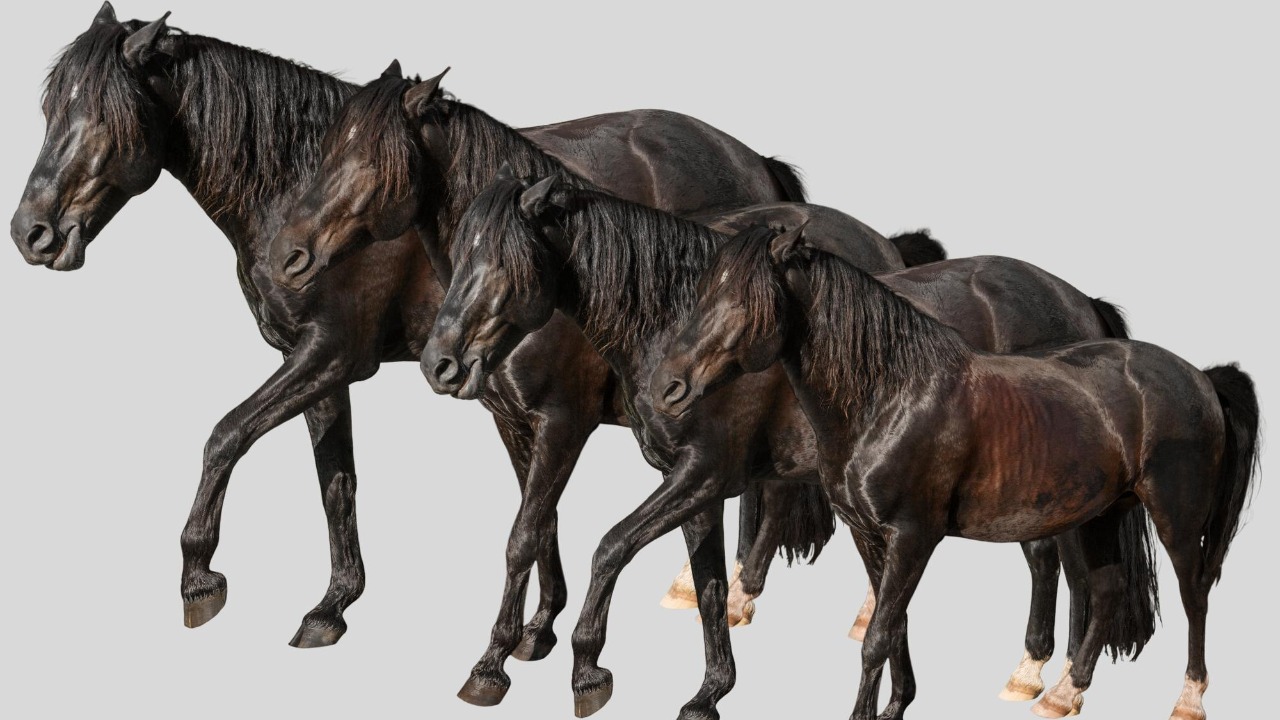
The 200,000-year-old horse genome offers a window into genetic adaptations in prehistoric equines, shedding light on migration patterns during the Middle Pleistocene. The presence of hunting tools at the site suggests potential interactions between humans and horses, with DNA analysis providing clues about early domestication processes (Popular Mechanics).
Beyond equine studies, the techniques developed at Schöningen could revolutionize our understanding of Ice Age ecosystems. By recovering DNA from open-air sites, researchers can reconstruct ancient environments with unprecedented detail, offering insights into the biodiversity and climate conditions of the past.
The genetic data extracted from the Schöningen horse genome not only provides insights into the evolutionary history of horses but also serves as a comparative tool for studying genetic diversity across species. By analyzing genetic variations and mutations, scientists can trace lineage divergences and adaptations that occurred over millennia. This information is crucial for understanding how species responded to past climate changes and environmental pressures, offering predictive models for future biodiversity scenarios. Additionally, the ability to sequence DNA from open-air sites could lead to the discovery of previously unknown species, enriching our understanding of evolutionary processes.
Ancient DNA in Medical Contexts
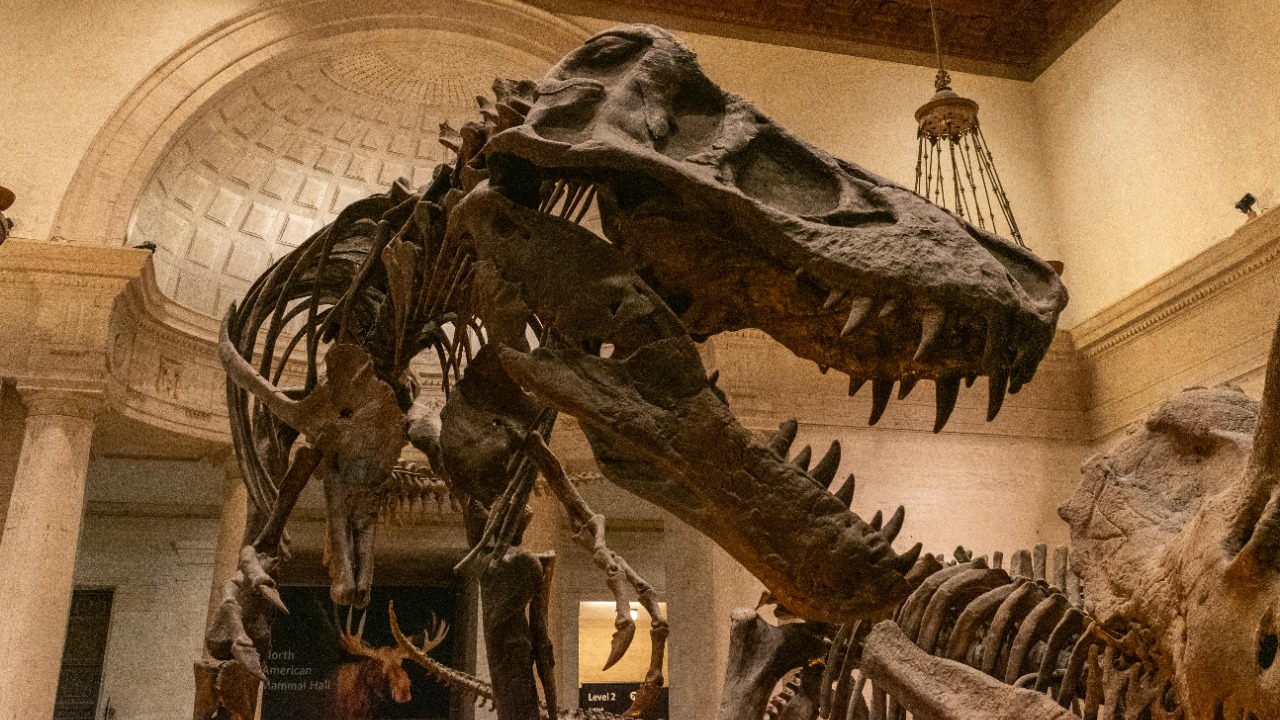
While the Schöningen discovery focuses on ancient DNA, a separate study of a 70 million-year-old dinosaur fossil is exploring the potential of ancient proteins to inform cancer research. These proteins, preserved within the fossil, may mimic mechanisms found in human tumors, providing novel pathways for drug development (AOL).
Ongoing research aims to understand how these ancient cellular structures can offer insights into modern oncology. However, applying these findings involves navigating ethical and technical challenges, as scientists work to translate ancient biomolecular data into contemporary medical applications.
The study of ancient proteins from the dinosaur fossil is particularly promising for cancer research because these proteins may reveal evolutionary conserved pathways that are still active in modern organisms. By examining how these ancient proteins functioned, researchers hope to identify targets for cancer therapies that exploit these ancient mechanisms. This approach could lead to the development of drugs that are more effective and have fewer side effects. Moreover, the study of ancient DNA and proteins can provide insights into the evolutionary origins of diseases, helping to identify genetic predispositions and potential preventative measures.
Future Prospects for Open-Air Preservation
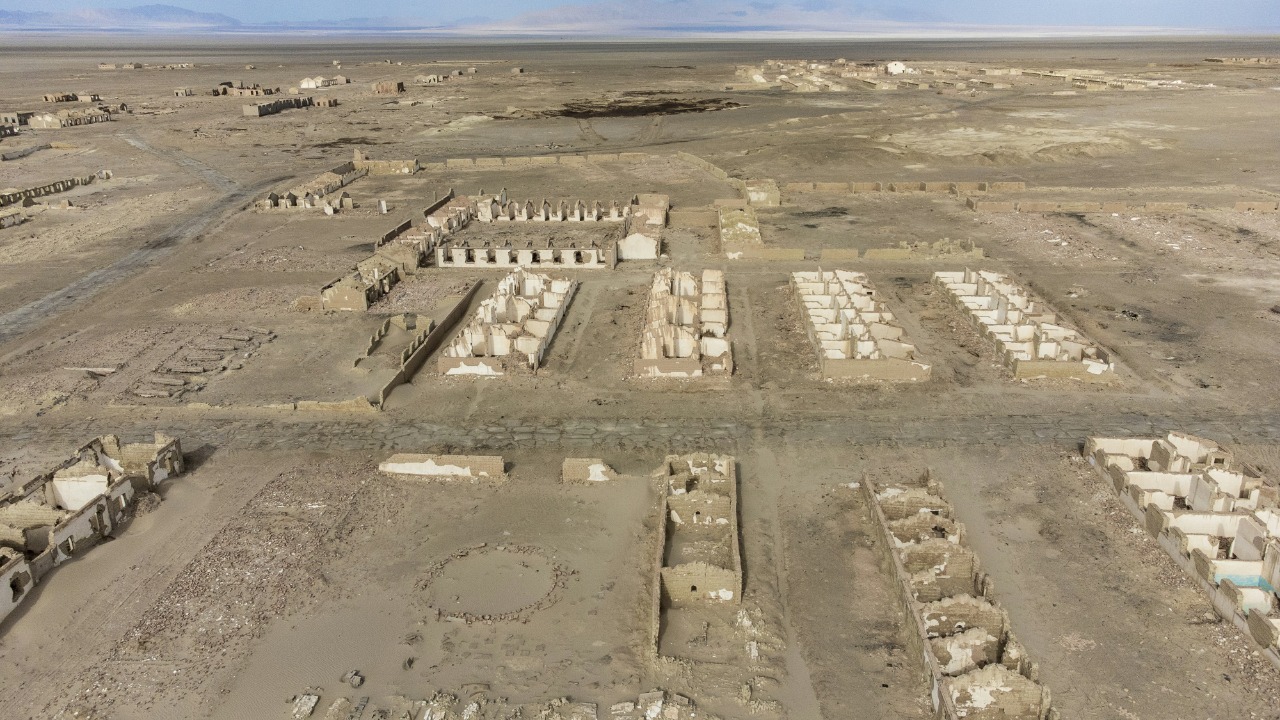
The advancements in extraction methods inspired by the Schöningen horse DNA are paving the way for more widespread studies of ancient genomes in open-air environments. These techniques could significantly enhance our ability to study ultra-ancient samples, potentially intersecting with research on dinosaur fossils to refine preservation models (Popular Mechanics).
Looking ahead, global surveys of potential open-air DNA sites could prioritize locations like Schöningen for interdisciplinary paleogenomic expeditions. By expanding our understanding of DNA preservation, these efforts promise to unlock new chapters in the story of life on Earth.
As the field of paleogenomics advances, researchers are increasingly interested in the potential for open-air sites to yield DNA from a broader range of time periods and geographic locations. This could transform our understanding of human migration patterns, as well as the spread of flora and fauna across continents. The development of portable DNA sequencing technologies could facilitate in-situ analysis, reducing the risk of contamination and allowing for real-time data collection. Such innovations would enable scientists to conduct more comprehensive surveys of ancient ecosystems, providing a clearer picture of the Earth’s biological history.
