Archaeologists have unearthed compelling evidence of systematic human bone modification in artifacts from the Neolithic Liangzhu civilization in China. These findings, detailed in a study published in August 2025, suggest that intentional alterations to human remains were part of cultural practices in this ancient society, shedding new light on the rise of urban society in East Asia.
Background on Liangzhu Civilization
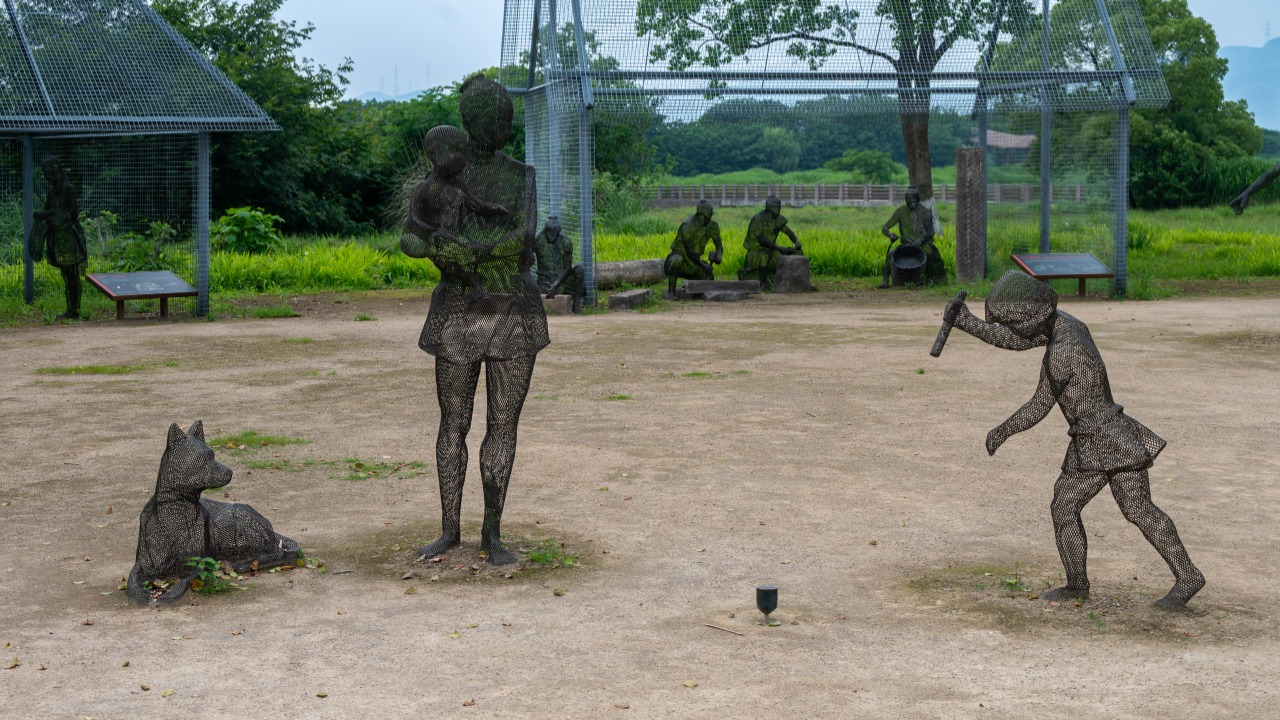
The Neolithic Liangzhu culture, situated in East Asia, is renowned for its advanced urban developments during the Neolithic period. This civilization, which flourished around 5,000 years ago, is a testament to the early societal structures that emerged in China during this era. The Liangzhu sites in China, where these artifacts were discovered, provide a rich historical context that reveals the intricacies of early urban life and societal organization.[source]
The rise of the Liangzhu civilization aligns with broader advancements in Neolithic Chinese culture. The systematic human bone modifications discovered in these artifacts offer a unique perspective into the cultural practices and societal norms of this period.[source]
The Liangzhu civilization is known for its jade artifacts, large-scale water conservation projects, and complex social structure. The civilization’s urban planning and architectural design reflect a highly organized society. The discovery of the systematic human bone modifications adds another layer to our understanding of the Liangzhu civilization’s cultural practices, further emphasizing its complexity and sophistication.[source]
The Liangzhu civilization’s influence extended beyond its geographical boundaries, impacting neighboring cultures and societies. The bone modifications, as a cultural practice, could have been a part of this influence, potentially spreading to other regions and cultures. This possibility opens up new avenues for research and exploration into the cultural exchanges during the Neolithic period in East Asia.[source]
Discovery of Bone Modifications
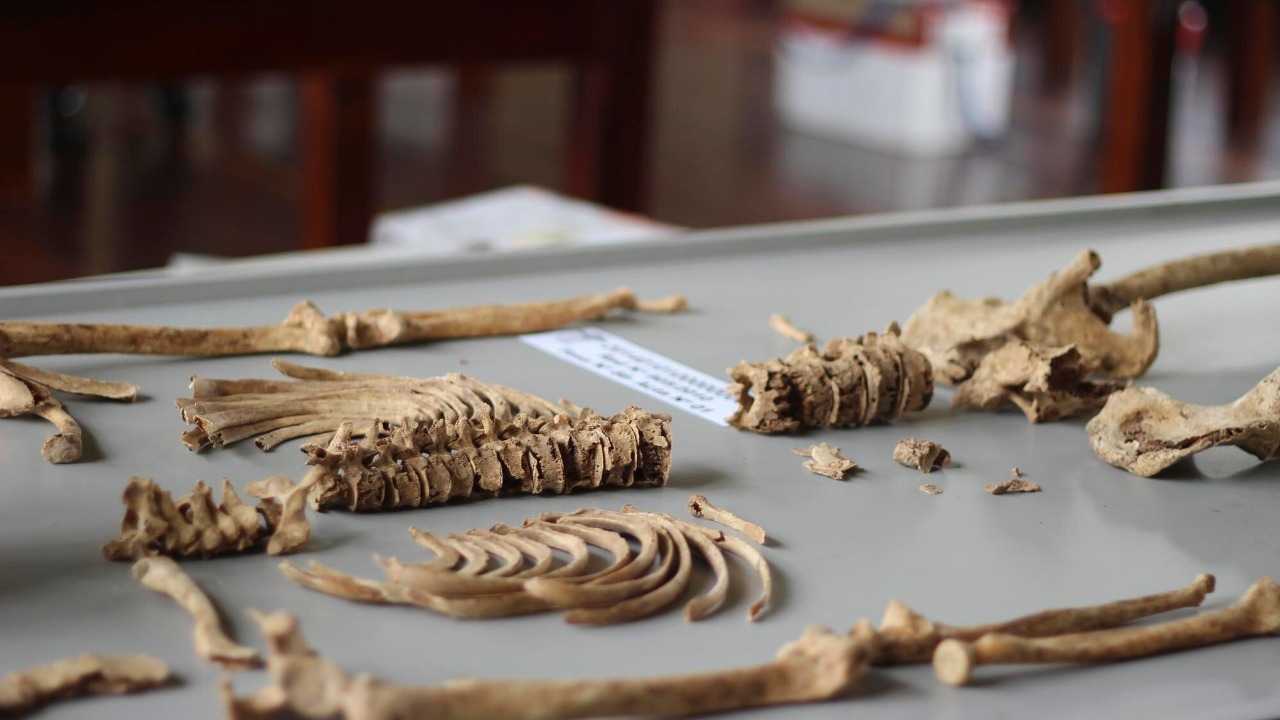
The unearthing of artifacts showing systematic human bone modification in Neolithic Chinese culture has sparked significant interest in the archaeological community. These worked human bones, discovered at Liangzhu civilization sites in China, provide tangible evidence of the cultural practices that were prevalent during this period.[source]
Initial reports on these modifications, released on October 3, 2025, suggest that these practices were intentional and widespread. The systematic nature of these modifications indicates a level of sophistication and cultural complexity that was previously unattributed to this civilization.[source]
The discovery of these bone modifications was a result of meticulous archaeological work and careful analysis of the unearthed artifacts. The modifications were not immediately apparent, requiring detailed examination and scientific testing to confirm their presence and nature. This discovery underscores the importance of thorough archaeological practices in uncovering hidden aspects of ancient cultures.[source]
The bone modifications were found on a variety of bones, including skulls, long bones, and smaller bones. This variety suggests that the modifications were not limited to specific types of bones or body parts, indicating a comprehensive practice that was integrated into the Liangzhu civilization’s cultural fabric.[source]
Methods and Techniques Used
The techniques for systematic human bone modification evident in the artifacts reveal a deep understanding of human anatomy and a high level of craftsmanship. The worked human bones were processed in a manner that aligns with known Neolithic practices in East Asia, further solidifying the cultural significance of these findings.[source]
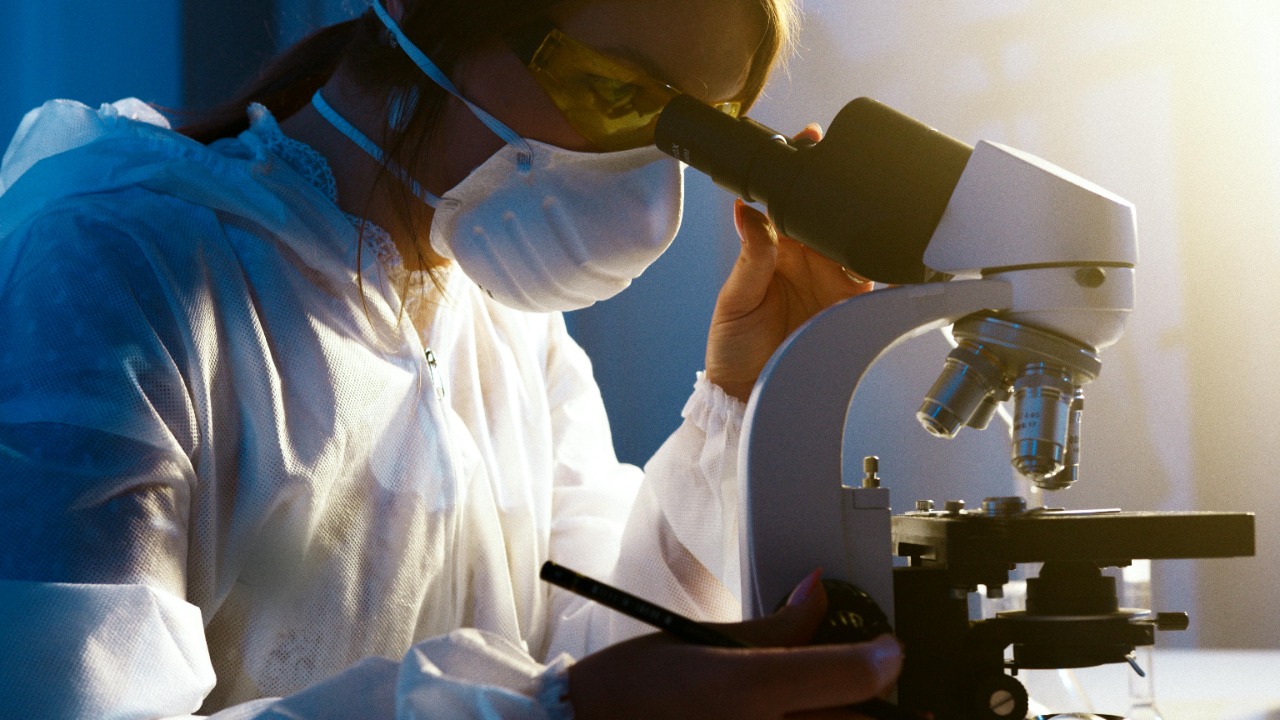
Scientific analysis methods were applied to confirm the modifications, as reported in the August 2025 study. These methods, which include advanced imaging techniques and microscopic examination, have provided a detailed understanding of the processes involved in these modifications.[source]
The bone modifications were achieved using stone tools, as evidenced by the marks and patterns found on the worked bones. The precision and consistency of these modifications suggest a high degree of skill and knowledge, pointing to specialized individuals or groups within the Liangzhu society who were responsible for these practices.[source]
The scientific methods used to analyze the bone modifications included radiocarbon dating to determine the age of the bones, and isotopic analysis to gain insights into the diet and lifestyle of the individuals from whom the bones originated. These methods have provided a comprehensive picture of the Liangzhu civilization’s cultural practices and societal structure.[source]
Cultural and Social Implications
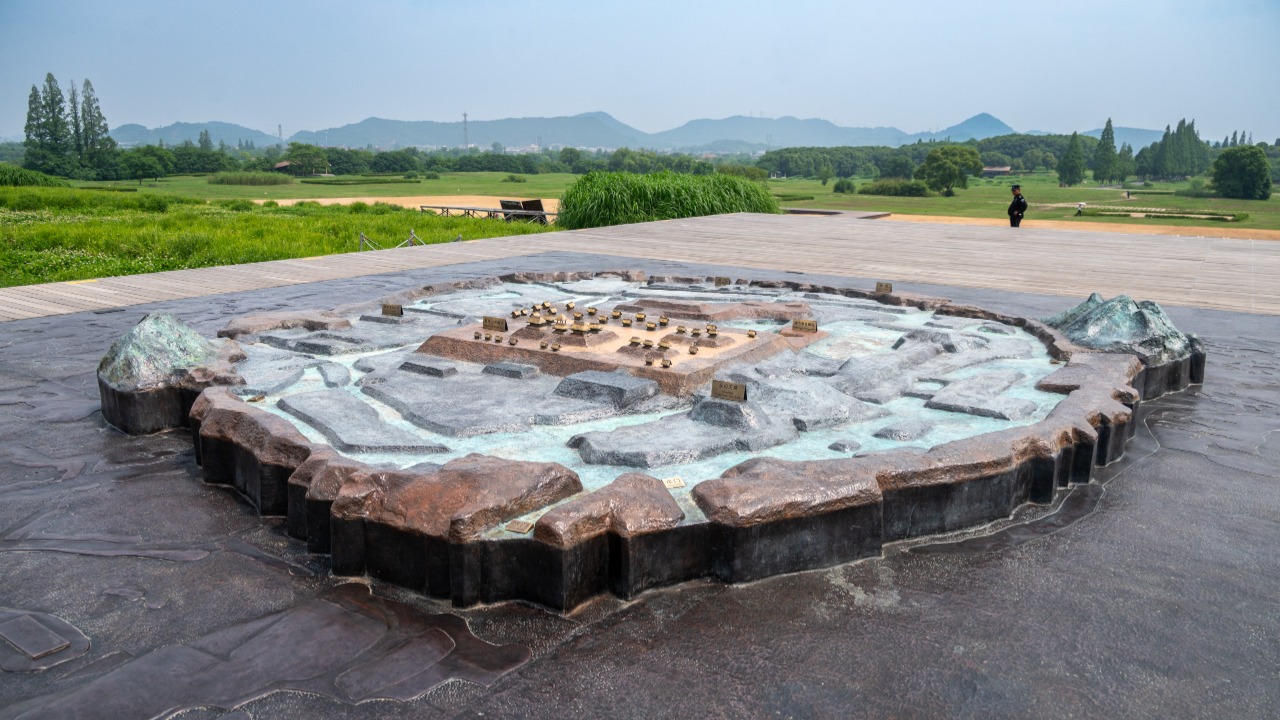
The bone modifications are closely linked to the rise of urban society in the Neolithic Liangzhu culture. This suggests that these practices were not merely functional but held significant cultural and societal value.[source]
There is speculation about potential ritual or symbolic meanings behind systematic human bone modification in ancient China. These practices may have been used to denote social status or as part of religious ceremonies, reflecting the social hierarchies or practices in Neolithic Chinese culture.[source]
The systematic human bone modifications in the Liangzhu civilization could have served multiple purposes. They may have been used in ancestor worship, a common practice in ancient Chinese societies. Alternatively, they could have been used in healing rituals or as talismans, reflecting the spiritual beliefs and practices of the Liangzhu people.[source]
The bone modifications also provide insights into the social structure of the Liangzhu civilization. The complexity and sophistication of the modifications suggest that they were likely performed by a specialized group within the society, possibly indicating a division of labor and a hierarchical social structure.[source]
Archaeological Evidence and Sites
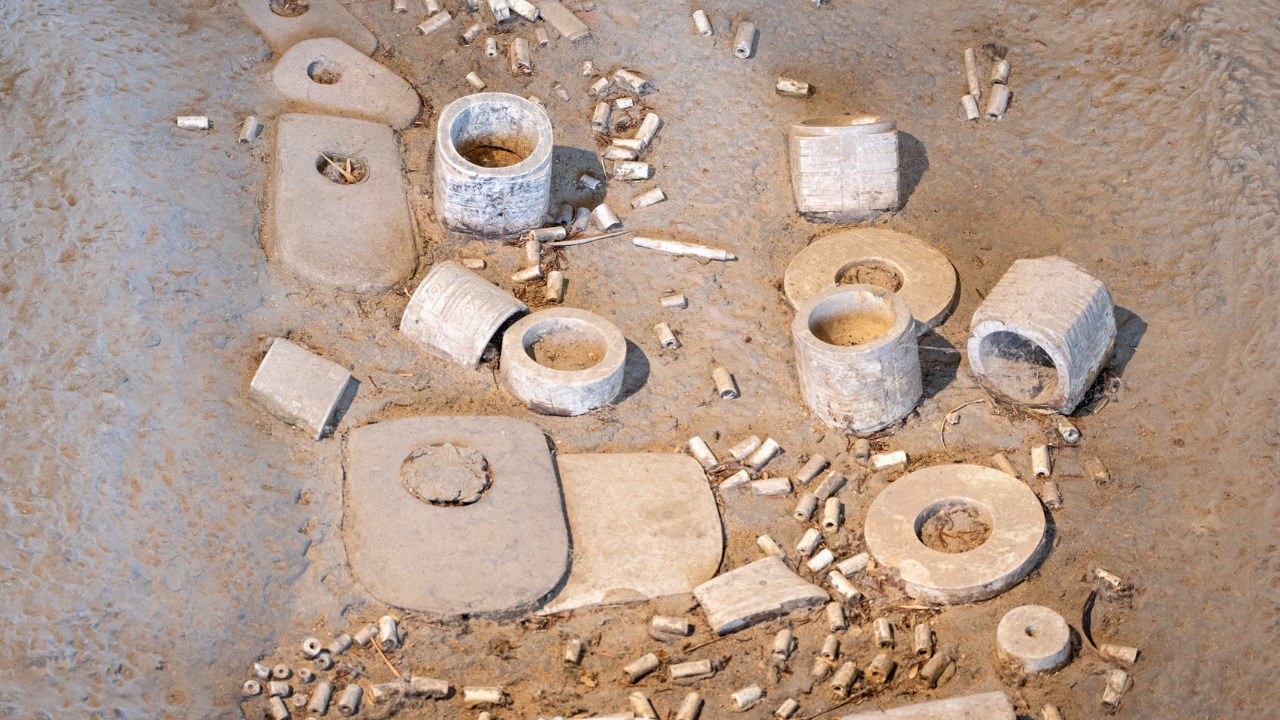
Key excavation sites in China, where Liangzhu artifacts with bone modifications were found, have provided a wealth of information about this civilization. The evidence from the worked human bones indicates systematic approaches across multiple finds, suggesting that these practices were widespread and culturally significant.[source]
Updates on discoveries tying modifications to urban development in East Asia were released on October 4, 2025. These updates further emphasize the cultural significance of these findings and their implications for our understanding of Neolithic Chinese culture.[source]
The Liangzhu archaeological sites, located in the Yangtze River Delta, have yielded a wealth of artifacts, including pottery, jade objects, and worked human bones. These sites, with their well-preserved artifacts, provide a comprehensive view of the Liangzhu civilization’s material culture and societal practices.[source]
The systematic nature of the bone modifications across different sites suggests that this practice was not confined to a specific region or group within the Liangzhu civilization. Instead, it appears to have been a widespread cultural practice, further emphasizing the cultural unity and cohesion of the Liangzhu society.[source]
Broader Historical Context
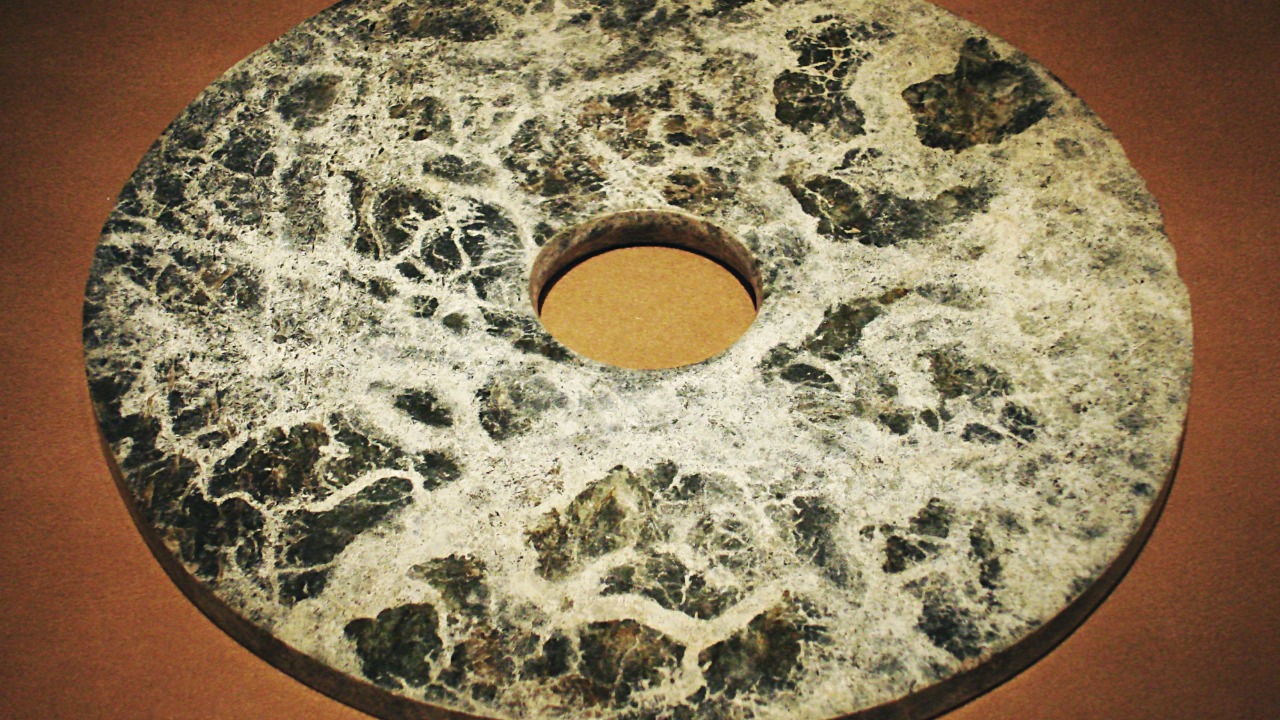
The Liangzhu findings are situated within the evolution of Neolithic cultures in East Asia. They provide a unique perspective into the cultural practices of this period and their role in societal development.[source]
Systematic bone modifications have been observed in other ancient Chinese societies, suggesting that these practices were not unique to the Liangzhu civilization. The August 2025 Nature study integrates these artifacts into narratives of societal rise, providing a comprehensive understanding of the cultural and societal evolution of this period.[source]
The discovery of systematic human bone modifications in the Liangzhu civilization contributes to our understanding of Neolithic cultures in East Asia. It provides a unique lens through which to view the cultural practices of this period, highlighting the complexity and sophistication of these early societies.[source]
The practice of bone modification is not unique to the Liangzhu civilization. Similar practices have been observed in other ancient societies around the world, suggesting a common thread of cultural practices that transcends geographical boundaries. This discovery adds to the growing body of evidence that supports the idea of cultural exchange and interaction among ancient societies.[source]
