Recent archaeological discoveries have uncovered evidence of sophisticated surgical practices dating back 7,000 years, challenging previous notions of early human medical capabilities. Ancient bones found in various archaeological sites reveal signs of surgical intervention using tools that predate modern medical instruments by millennia. Delving into the fascinating world of prehistoric surgery, these findings provide insights into the tools and implications of these groundbreaking discoveries.
The Discovery of Ancient Surgical Sites
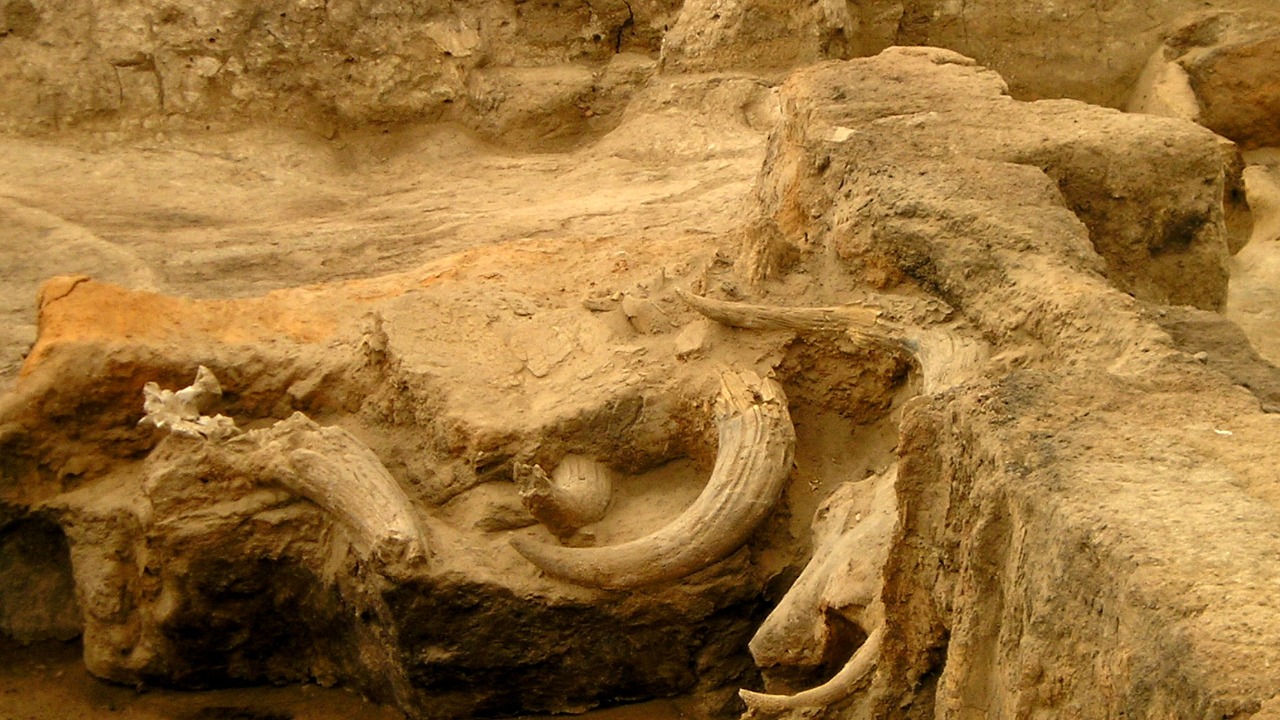
Key archaeological sites across the globe have provided a treasure trove of information regarding ancient surgical practices. Notable locations include the Tell Abu Hureyra in Syria and the Çatalhöyük site in Turkey. These sites are not only geographically significant but also culturally rich, offering glimpses into early human societies and their medical practices. At Tell Abu Hureyra, researchers have uncovered a range of ancient bones with clear signs of surgical intervention, such as cranial trepanation and limb amputations.
The specific bones excavated at these sites have provided remarkable insights. For instance, a femur with signs of successful amputation suggests that early humans possessed a profound understanding of anatomy and healing. Artifacts like sharpened flint blades and bone needles found alongside the remains further substantiate the theory of surgical practices. The excavation process, often a meticulous endeavor involving interdisciplinary teams, has been crucial in authenticating these findings. Experts in archaeology, anthropology, and forensic science work collaboratively to piece together the history of these ancient communities.
Analyzing the Surgical Tools of the Ancients
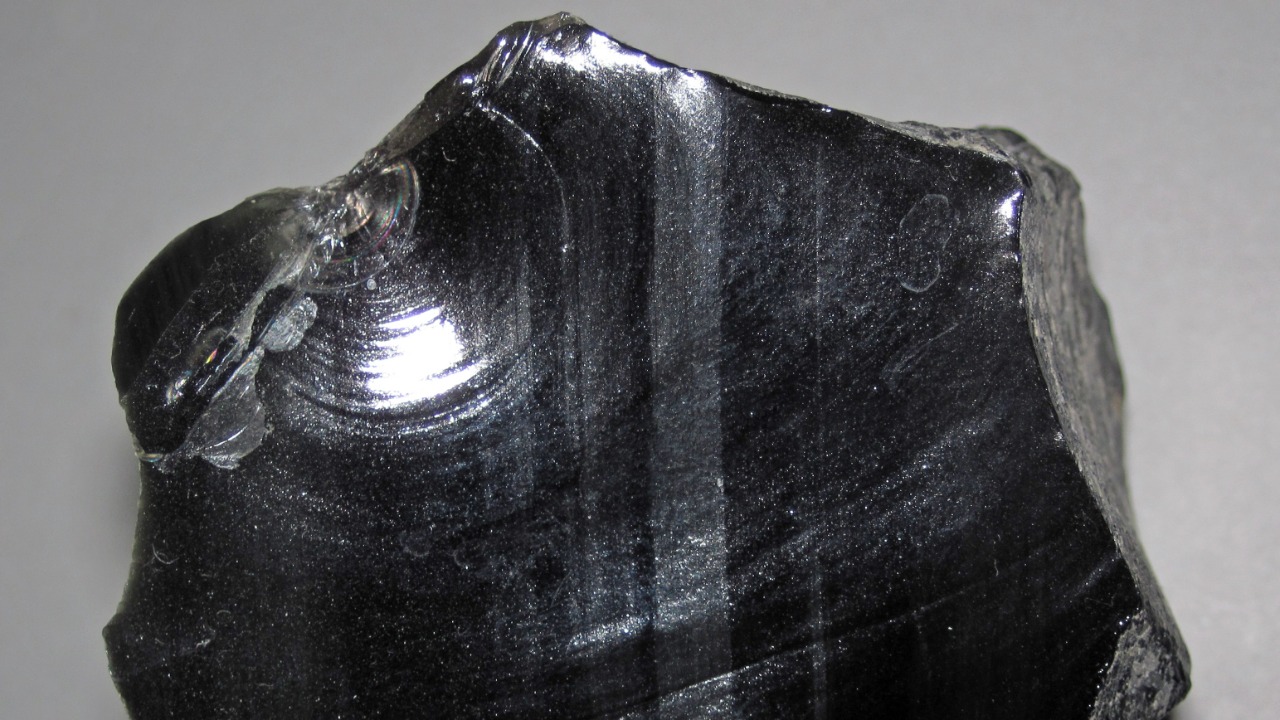
The tools used by these ancient surgeons are a testament to human ingenuity. Made primarily from materials like obsidian, flint, and bone, these tools exhibit a level of craftsmanship that rivals modern surgical instruments. Obsidian, for example, is known for its sharpness and was likely used for precise incisions. Flint blades, with their fine edges, suggest a knowledge of tool-making techniques that were advanced for their time.
Comparing these ancient tools with modern surgical equipment highlights the remarkable skill of prehistoric practitioners. While today’s scalpels are made of stainless steel, the sharpness and precision of obsidian blades are comparable, a fact that remains fascinating to both archaeologists and medical historians. Wear patterns on these tools, along with residue analysis, offer clues about their use in various surgical procedures. For instance, residue of plant materials on some tools indicates the use of herbal anesthetics or antiseptics during operations.
Understanding Prehistoric Medical Knowledge
The sources of medical knowledge for ancient surgeons likely stemmed from a combination of oral traditions and trial-and-error experimentation. Early societies may have relied on the wisdom of elders and the observational learning of nature to develop rudimentary medical practices. The role of shamans or healers was pivotal, as they were considered the custodians of health and spiritual well-being. These figures likely played a significant part in advancing medical practices within their communities.
Shamans, often viewed as intermediaries between the physical and spiritual realms, contributed significantly to the development of medical knowledge. Their understanding of herbs, anatomy, and the human psyche allowed them to perform procedures that were both medical and ritualistic. Cultural and spiritual beliefs undoubtedly influenced these practices, as surgeries may have been performed not just for physical healing, but also for spiritual purification or as rites of passage.
Implications for the History of Medicine
The discovery of these ancient surgical practices has profound implications for the history of medicine. It challenges the existing timelines and narratives, suggesting that human medical capabilities were far more advanced than previously assumed. These findings compel us to reassess our understanding of early human innovation and problem-solving abilities. The ingenuity displayed in these ancient practices underscores the adaptability and resilience of early humans in the face of medical challenges.
Moreover, these discoveries could potentially influence modern medical practices. By studying the techniques and tools of our ancestors, contemporary medicine might find inspiration for new approaches to surgery and healing. The value of learning from ancient techniques lies in their simplicity and effectiveness, which could offer alternative solutions to some of today’s medical challenges. Furthermore, these findings encourage a broader appreciation of the historical journey of human health and medicine.
Future Directions in Archaeological and Medical Research
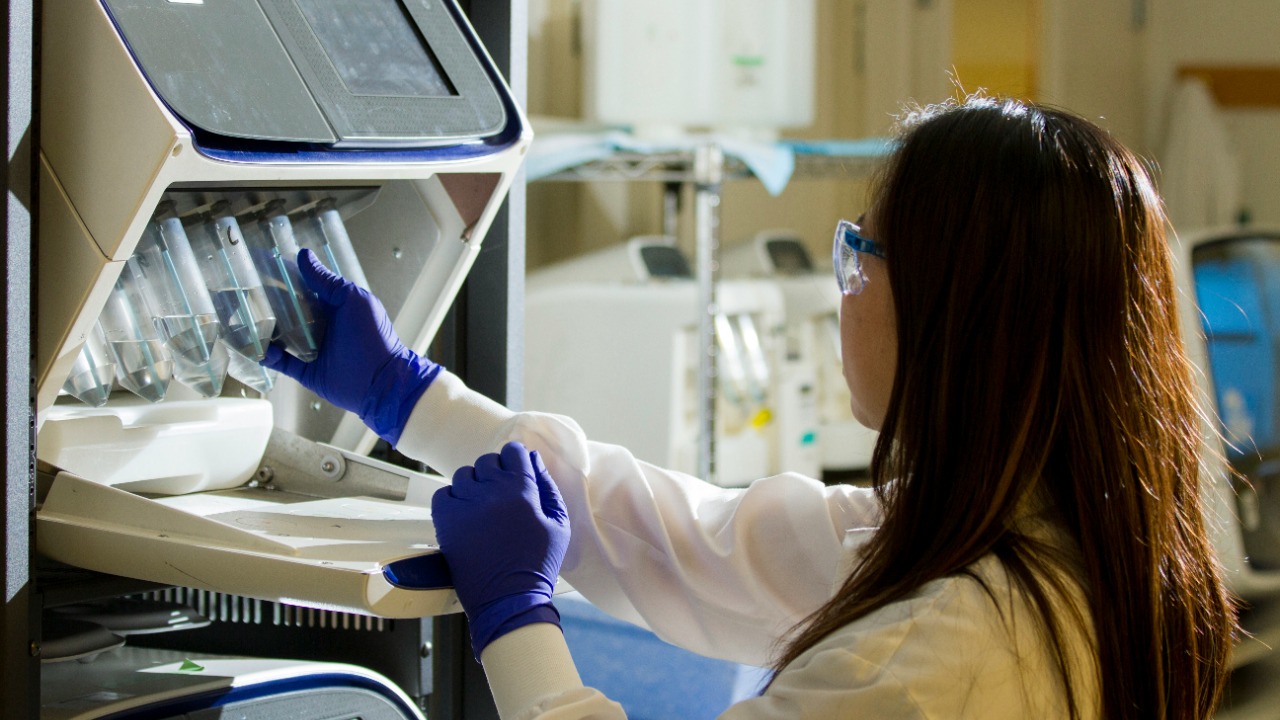
Ongoing research into prehistoric medical practices continues to uncover new information about our ancestors’ capabilities. Advances in technology, such as imaging and DNA analysis, are playing a crucial role in deepening our understanding of ancient surgeries. These technologies allow researchers to investigate the genetic makeup of ancient populations and trace the evolution of medical practices through time.
Interdisciplinary collaborations are essential in further illuminating the medical capabilities of our ancestors. By bringing together experts from archaeology, anthropology, medicine, and technology, we can gain a more comprehensive understanding of prehistoric surgery. Such collaborations could lead to breakthroughs not only in historical knowledge but also in modern medical applications. As research progresses, the potential to uncover more about our ancestors’ medical practices remains vast, promising exciting discoveries in the years to come.
