Recent archaeological findings have shed light on the early human occupation in Alabama, dating back to 13,000 years ago. These discoveries suggest that the first Alabamians arrived via migration routes linked to ancient land bridges, long before the development of later sites like Moundville. The evidence also points to encounters with large prehistoric animals, or ‘beasts,’ that posed challenges during the early human dispersal across the Americas, thereby reshaping our understanding of the timelines for peopling the continent.
The Bering Land Bridge as Migration Pathway

The Bering land bridge, a geological formation that connected Asia to North America during the last Ice Age, served as a crucial pathway for human migration. Around 13,000 years ago, this bridge facilitated the journey of the first Alabamians southward into regions like Alabama, before it submerged due to rising sea levels. source.
However, the bridge was not an easy passage. The environmental conditions on the bridge, including harsh climates and the presence of megafauna, acted as natural barriers or ‘guards’ for the early migrants. These ‘beasts’ posed significant challenges, influencing the routes and speed of human migration.
Early Human Presence in Alabama
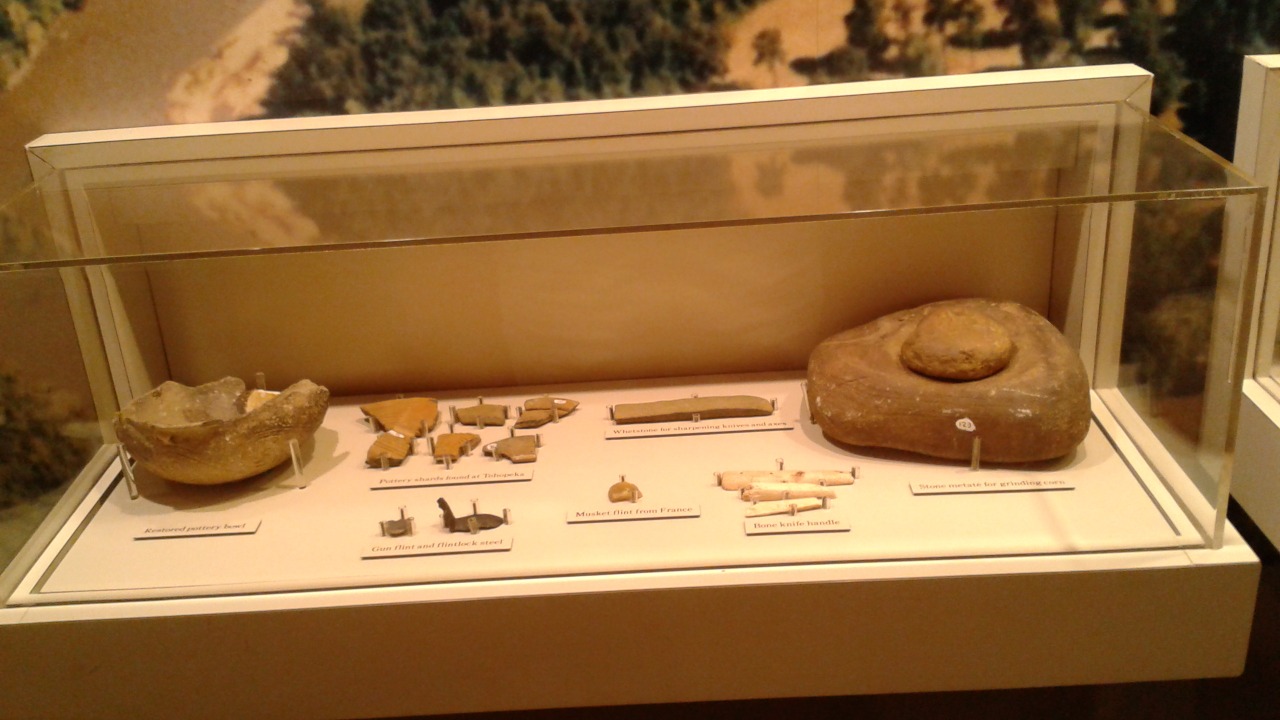
Artifacts discovered in Alabama provide evidence of human presence in the region 13,000 years ago. These include stone tools found at sites along rivers like the Coosa. The association of these early settlers with the Clovis culture marks them as among the first Alabamians who adapted to local landscapes post-migration. source.
These pioneers moved from northern entry points toward southern areas over generations, establishing settlement patterns that provide insights into early human dispersal across the continent.
Encounters with Prehistoric ‘Beasts’
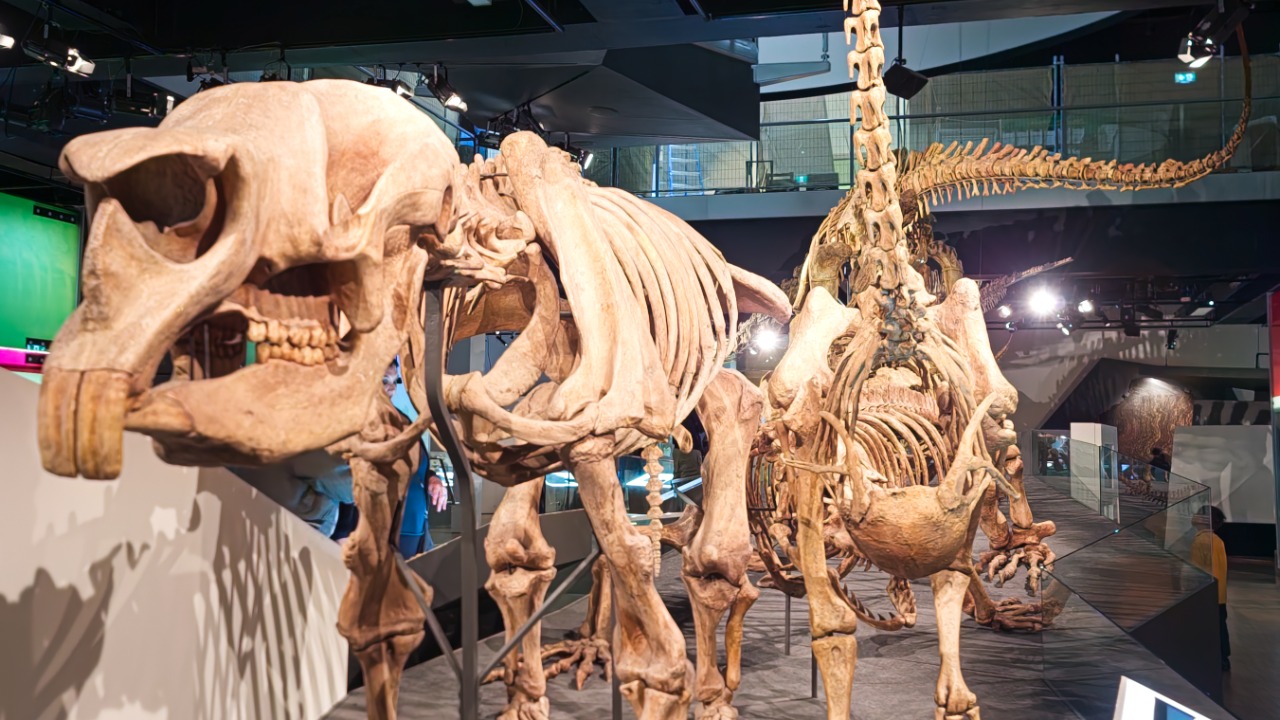
There is evidence of megafauna such as mammoths and mastodons in Alabama around 13,000 years ago. These large animals, often referred to as ‘beasts’ in archaeological narratives, posed territorial challenges during the spread of early humans. They likely influenced migration routes by guarding water sources and passes between different terrains. source.
Tool marks on animal remains suggest direct interactions between these beasts and the first Alabamians. These interactions likely shaped survival strategies, including hunting tactics and avoidance behaviors.
Archaeological Evidence from Key Sites

Findings from Alabama sites predating Moundville include projectile points and campsites that confirm human activity 13,000 years ago. These artifacts are significant in proving continuous occupation, linking northern land bridge migrations to southern expansions. source.
Excavation techniques used to date these materials, such as radiocarbon analysis, place these arrivals well before later mound-building cultures. This evidence supports the theory of rapid human movement from North America via interior corridors, bypassing coastal barriers.
Implications for Continental Dispersal

The Alabama evidence supports theories of rapid human movement from North to South America via interior corridors, bypassing coastal barriers. The 13,000-year-old sites in Alabama predate Moundville by thousands of years, indicating early establishment of southern footholds. source.
This evidence has broader impacts on our understanding of ‘guarded’ migration paths, where animal populations influenced human pathways across the continent. It suggests that the first Alabamians had to navigate through territories ‘guarded’ by large beasts, which likely influenced their migration routes and survival strategies.
Modern Interpretations and Future Research
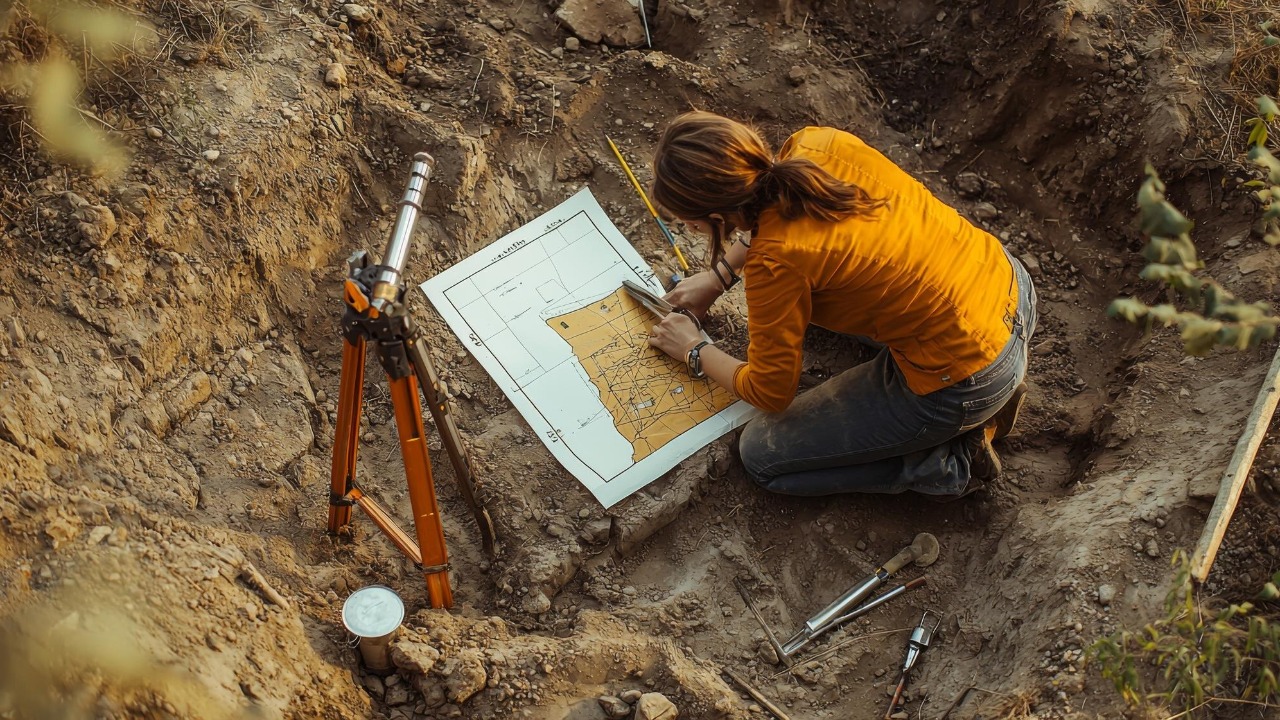
Recent digs in Alabama refine models of the peopling of the Americas, emphasizing the legacy of the land bridge in southern sites. These findings highlight the need for ongoing projects to explore more evidence of human-beast dynamics, potentially uncovering additional 13,000-year-old artifacts. source.
There are also debates on migration speeds, with the Alabama data arguing for quicker southward progress than previously thought. As research continues, these findings will undoubtedly contribute to our understanding of early human migration and the challenges they faced in their journey across the Americas.
