The Antikythera Mechanism, often regarded as the world’s first analog computer, has fascinated scientists and historians since its discovery over a century ago. Recent research has shed new light on its complex design and purpose, revealing remarkable insights about ancient Greek technology and scientific understanding.
The Discovery and Historical Context
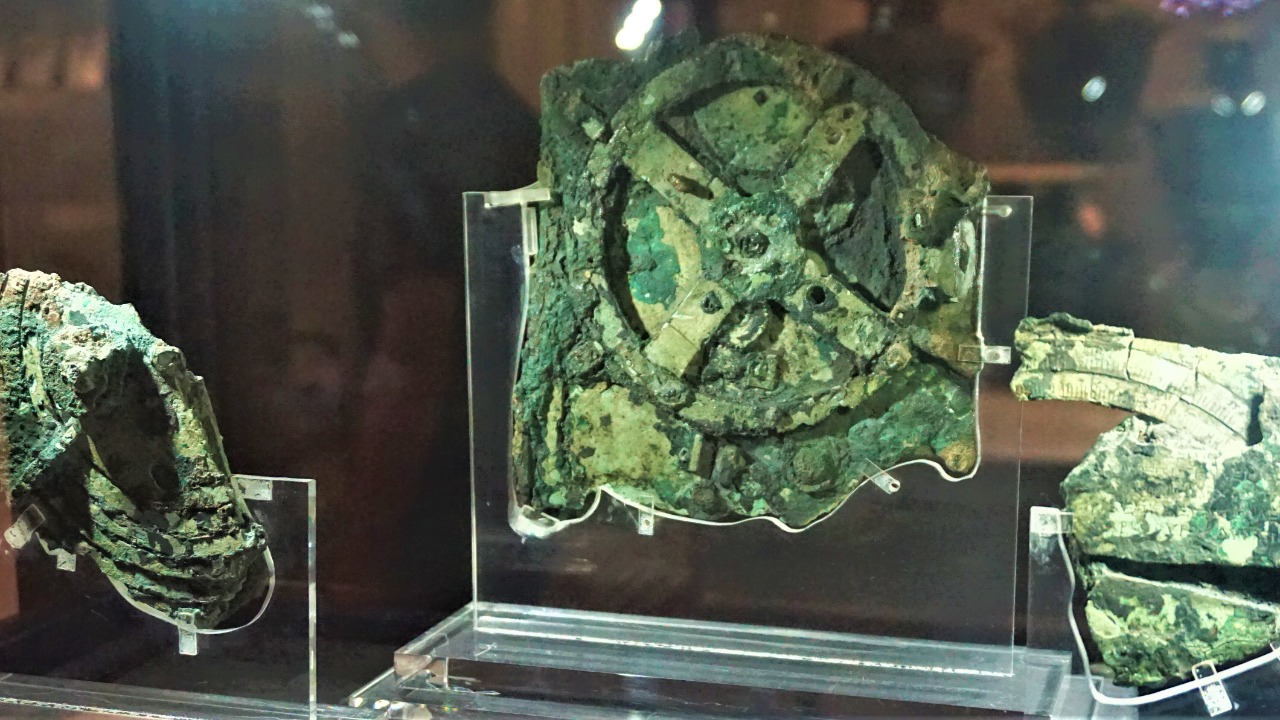
The story of the Antikythera Mechanism begins in 1901, when divers salvaging treasures from a Roman-era shipwreck near the Greek island of Antikythera stumbled upon a corroded, gear-like object. Initially, the significance of the find was not fully understood, but it quickly became apparent that this was no ordinary artifact. The mechanism, now dated to around 100 BC, was found amidst a treasure trove of ancient artifacts, suggesting it was a prized possession of its time.
The discovery of the Antikythera Mechanism has significantly enriched our understanding of ancient Greek science and technology. It challenges the perception of ancient Greeks as primarily philosophical thinkers by showcasing their advanced mechanical and engineering skills. The mechanism represents a tangible connection to the sophisticated knowledge of the past, highlighting the Greeks’ ability to conceptualize and build complex devices. Early interpretations of the device were filled with misconceptions, primarily due to the limited technology available at the time. It was initially thought to be an astrolabe or a navigational instrument. However, modern analysis has corrected these assumptions, revealing the device’s true purpose.
Decoding the Mechanism’s Complex Structure
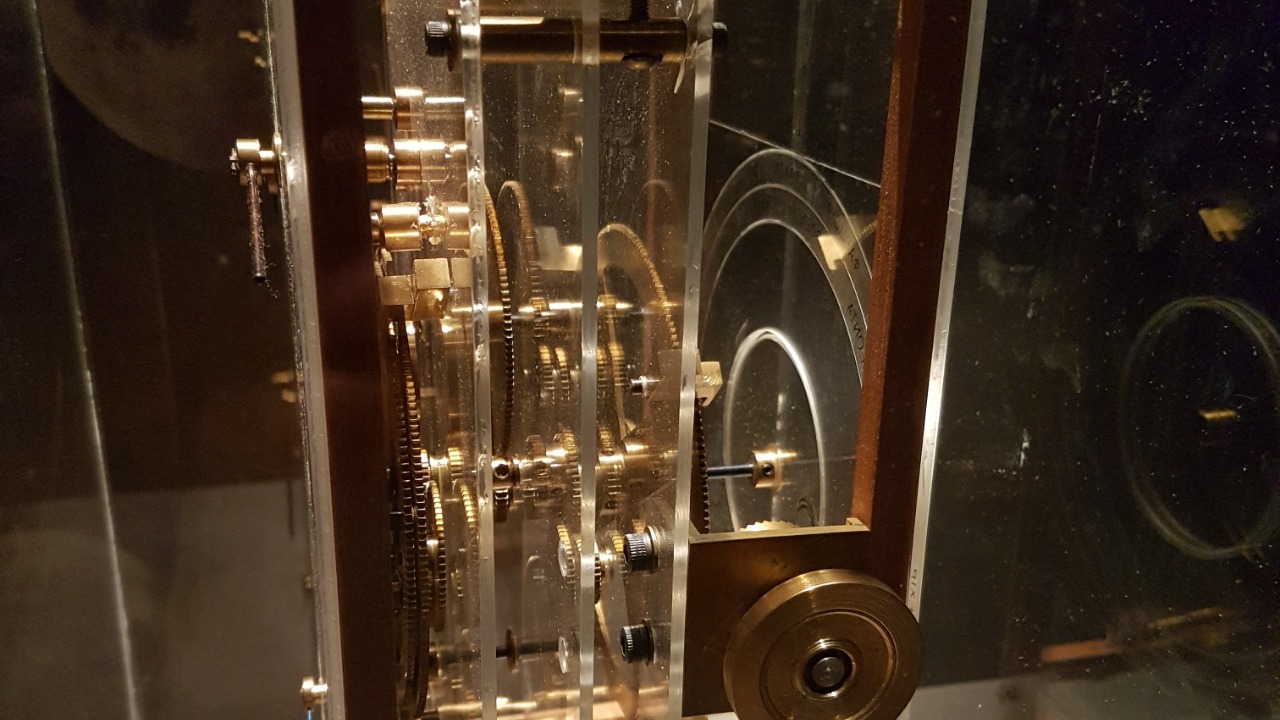
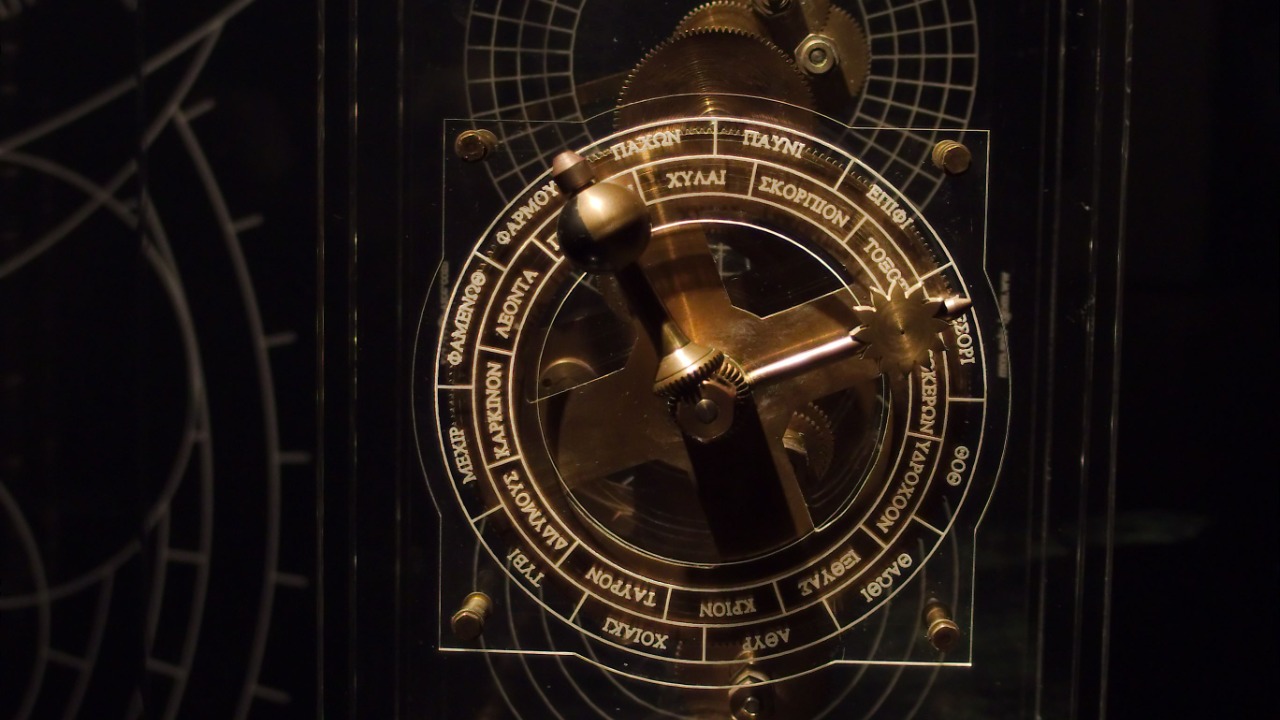
The Antikythera Mechanism consists of an intricate assembly of gears, dials, and inscriptions. With over 30 meshing bronze gears, the device was capable of performing complex calculations, a feat that seems almost inconceivable for its time. These components worked together to model the known universe, predicting astronomical positions and eclipses accurately. The front dial displayed the zodiac and the solar calendar, while the back dials tracked the cycles of the moon and eclipses, underscoring the Greeks’ keen interest in celestial phenomena.
Reconstructing the Antikythera Mechanism has proven to be a formidable challenge for modern scientists and engineers. Using advanced imaging techniques like X-ray tomography, researchers have painstakingly pieced together the mechanism’s original structure. The discoveries have led to the creation of detailed replicas, allowing for a deeper understanding of its function and capabilities. These reconstructions reveal the device’s ability to predict solar and lunar eclipses and track the movements of celestial bodies with impressive precision.
Scientific Insights and Theories
One of the most fascinating aspects of the Antikythera Mechanism is the advanced astronomical knowledge it embodies. This remarkable device provides a window into the ancient Greeks’ understanding of the cosmos. It suggests that they possessed a sophisticated grasp of astronomy, capable of predicting celestial events with remarkable accuracy. The mechanism demonstrates the high level of mathematical and scientific achievement in ancient Greece, challenging modern assumptions about the technological capabilities of the past.
Theories about the origin and creation of the Antikythera Mechanism abound. Some scholars speculate that it may have been constructed by a single genius, possibly influenced by the teachings of Archimedes or Hipparchus. Others propose it was the result of collaborative efforts by skilled craftsmen and astronomers of the era. While the true purpose of the device remains elusive, it is widely believed to have been an educational tool or a demonstration of astronomical knowledge. Regardless of its origin, the mechanism’s influence on later technology is undeniable. It exemplifies the continuity of scientific development, inspiring future generations of inventors and thinkers.
Recent Research and Discoveries
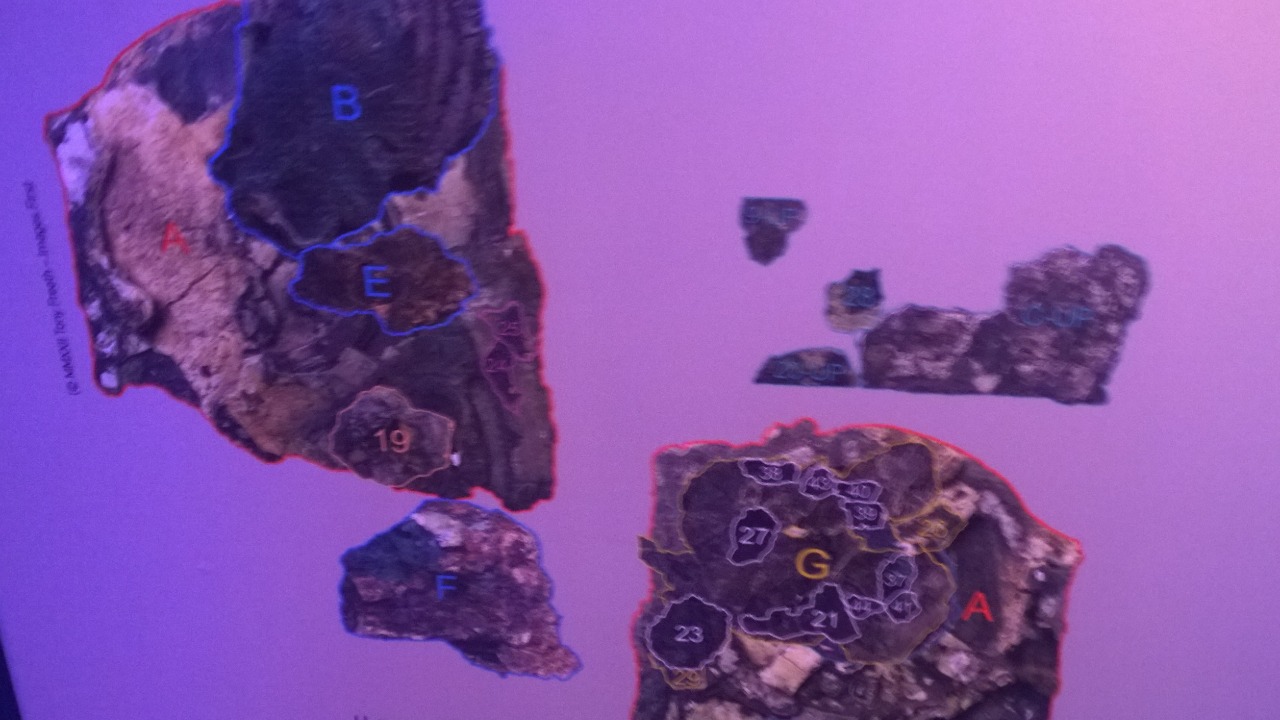
Recent technological analyses have provided fresh insights into the Antikythera Mechanism, uncovering details that were previously hidden from view. Advanced imaging techniques, such as 3D X-ray scanning, have allowed researchers to peer inside the corroded remains, revealing inscriptions and components that were once thought lost to time. These discoveries have enriched our understanding of the device’s complexity and the sophistication of its creators.
The interpretation of inscriptions found on the mechanism has been instrumental in deciphering its use and significance. By analyzing the ancient Greek text, researchers have gained valuable insights into the cultural and scientific context in which the device was created. These inscriptions serve as a testament to the intellectual prowess of the ancient Greeks and their desire to explore and understand the cosmos. Interdisciplinary studies, involving archaeologists, historians, and scientists, have played a crucial role in advancing our knowledge of the mechanism. This collaboration has led to significant breakthroughs, shedding light on the interplay between ancient science and technology.
The Legacy of the Antikythera Mechanism
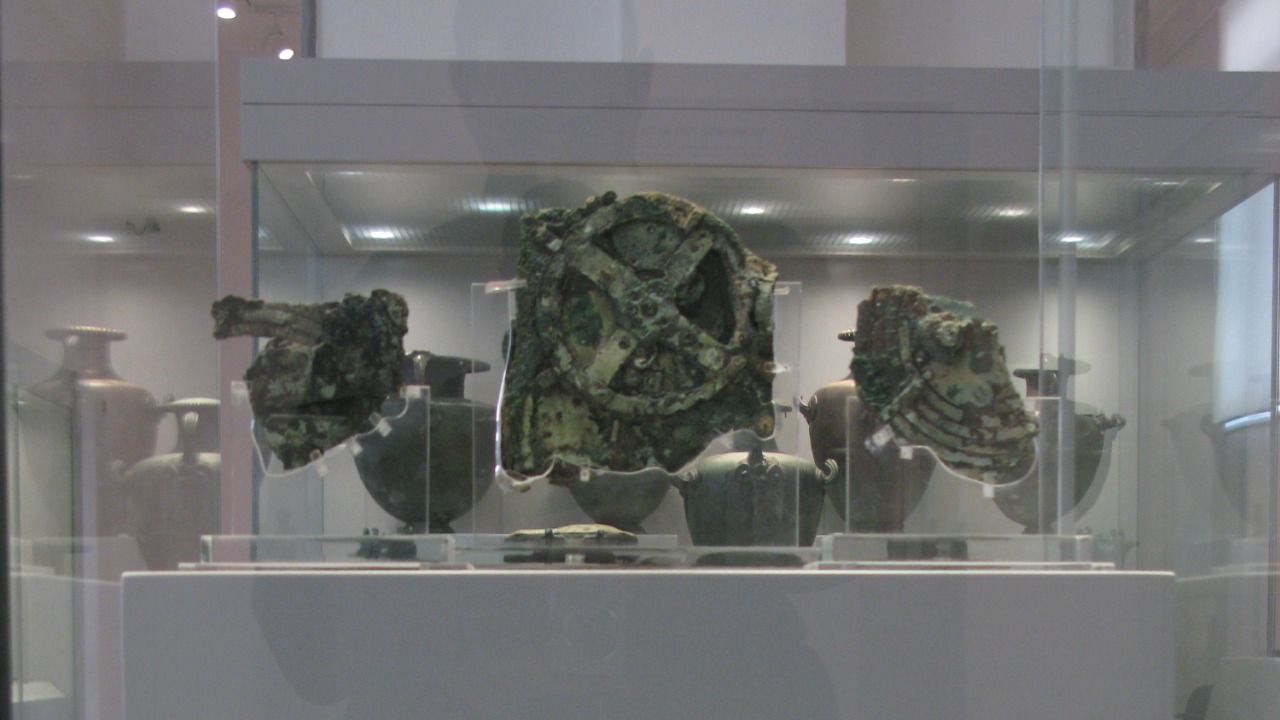
The Antikythera Mechanism continues to captivate the imagination of scholars and the public alike, serving as a symbol of ancient innovation. Its legacy extends beyond the realm of science, influencing modern education and inspiring curiosity about the achievements of the past. The mechanism is a powerful reminder of the ingenuity of ancient civilizations and their contributions to the development of human knowledge.
Despite the wealth of information gleaned from the mechanism, many mysteries remain unsolved. Questions about its exact origins and functions continue to intrigue researchers, offering fertile ground for future exploration. Ongoing research efforts aim to unravel these mysteries, providing a deeper understanding of this enigmatic device. Preservation and exhibition efforts have ensured that the Antikythera Mechanism, along with its replicas, remains accessible to the public. It is displayed in museums worldwide, allowing people to appreciate its historical and scientific significance. These initiatives highlight the importance of preserving cultural heritage and fostering a greater appreciation for the technological achievements of the past.
