
Boeing’s F-47, a proposed sixth-generation fighter under the Next Generation Air Dominance (NGAD) program, is poised to be a key component of America’s future air arsenal. Revealed in March 2025, the F-47 boasts advanced stealth capabilities designed for high-threat environments. Parallel to this, the Navy’s F/A-XX program is working on a carrier-based sixth-generation aircraft for multi-domain operations.
The NGAD Program Origins

The U.S. Air Force established the NGAD initiative with the aim of replacing fifth-generation fighters like the F-22 with next-gen platforms focused on air superiority. This initiative is part of broader sixth-generation efforts, which began in the early 2020s and involve collaborative development phases. The NGAD program emphasizes rapid prototyping and testing to counter evolving threats from adversaries, ensuring that the U.S. maintains its edge in air combat technology.
The NGAD program is not an isolated endeavor. It is part of a larger effort to modernize the U.S. military’s air capabilities. The program’s focus on rapid prototyping and testing is a response to the evolving nature of threats from potential adversaries. This approach allows for quicker adjustments and improvements, keeping the U.S. ahead in the air superiority race.
Boeing’s Selection for F-47
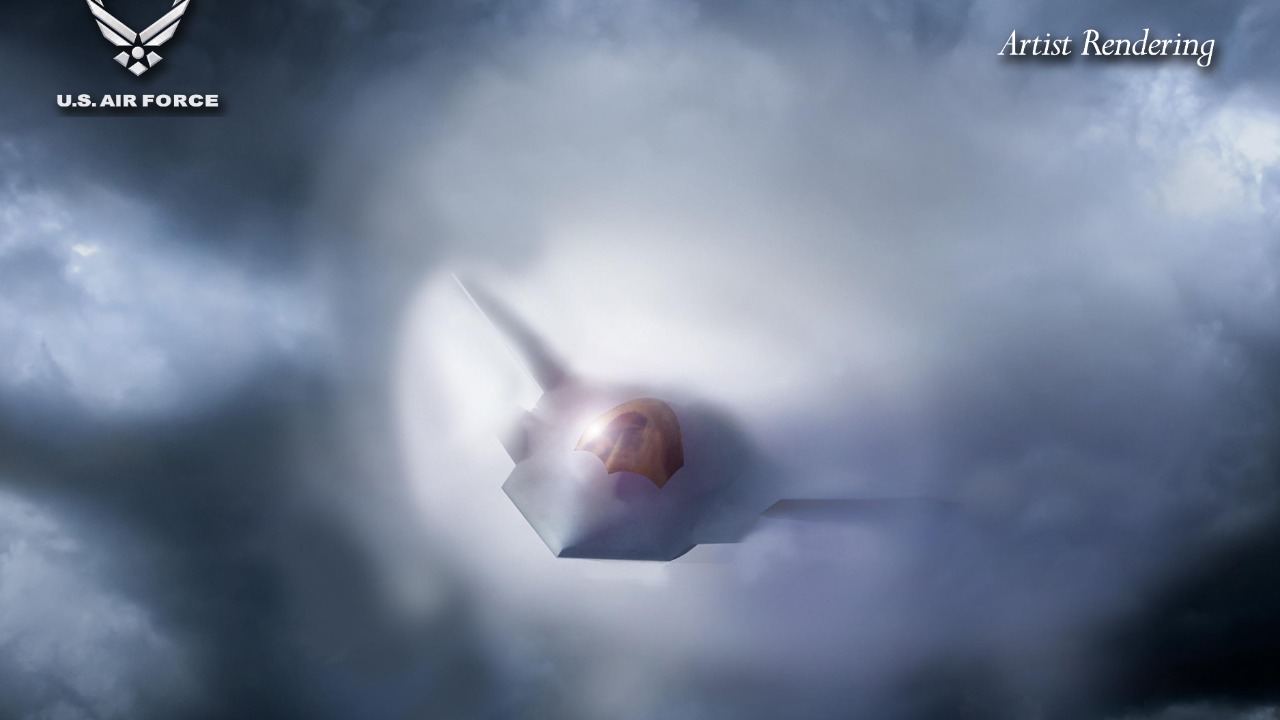
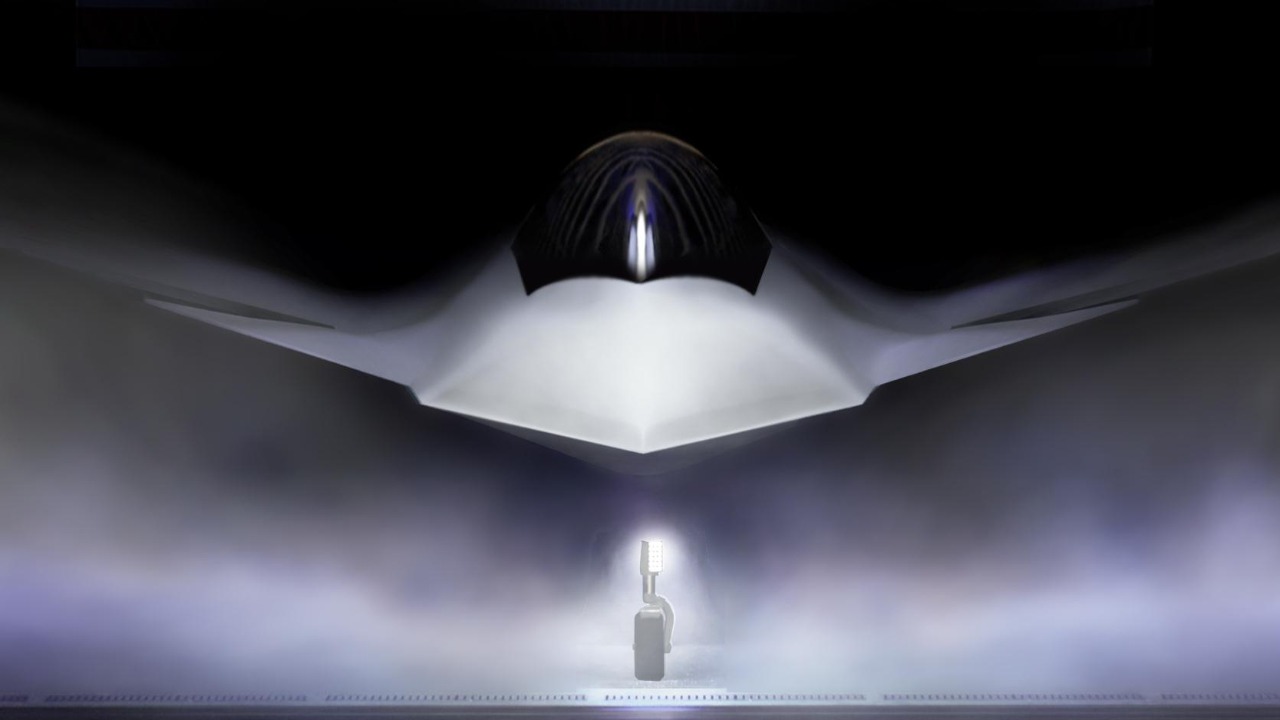
Boeing’s selection for the F-47 contract marks a significant milestone in the company’s fighter jet portfolio. The F-47 is set to be the Air Force’s primary sixth-generation interceptor within the NGAD family of systems. The initial concept art and specifications, released in March 2025, showcase a tailless design, a feature that enhances the aircraft’s stealth capabilities.
The F-47’s role as the primary interceptor within the NGAD family of systems underscores the importance of this aircraft in future air combat scenarios. The tailless design, a key feature revealed in the initial concept art, is a testament to the advanced stealth capabilities that the F-47 brings to the table. These features are expected to give the U.S. a significant advantage in high-threat environments.
F/A-XX: The Navy’s Counterpart
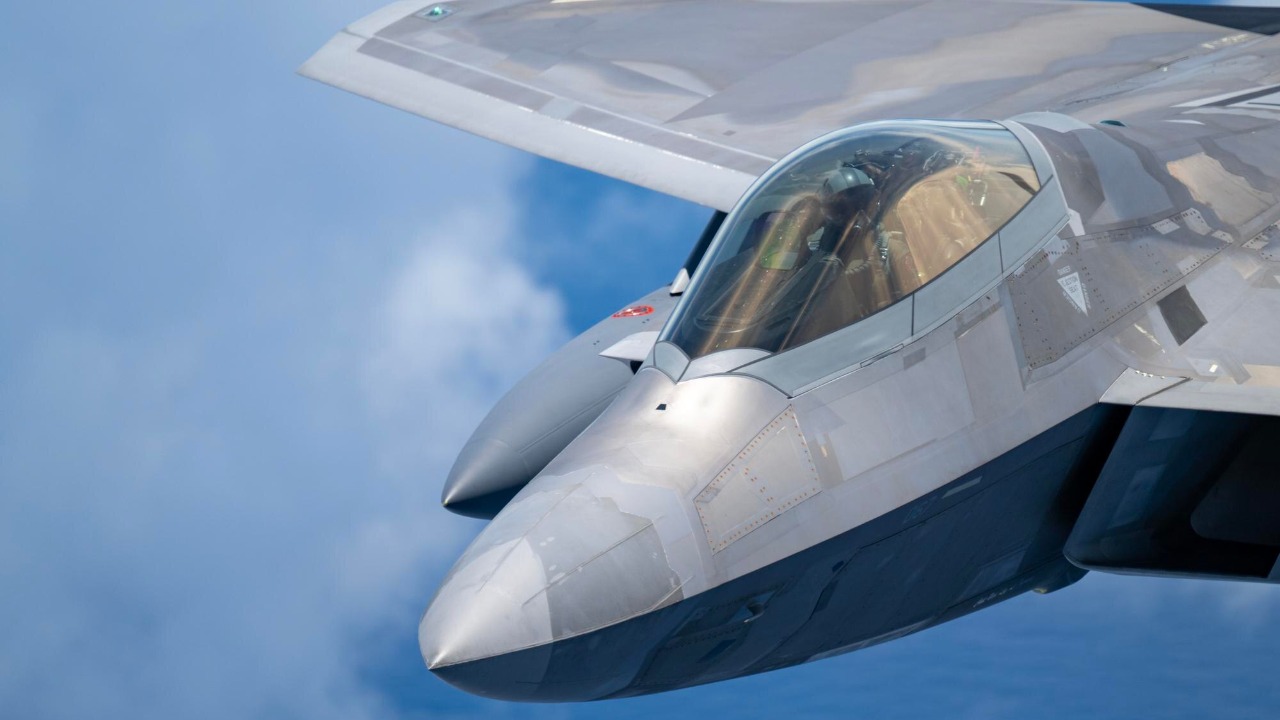
The F/A-XX program was launched as the Navy’s response to the NGAD initiative. This sixth-generation fighter effort is intended for integration with carrier strike groups. The F/A-XX program has similar requirements to the NGAD, including multi-role capabilities for air-to-air and air-to-ground missions. However, the F/A-XX program faces its own set of challenges, including ongoing competitions for contractors separate from Boeing’s Air Force focus.
The F/A-XX program is a crucial part of the Navy’s future air capabilities. Its multi-role capabilities allow it to perform a variety of missions, making it a versatile addition to the Navy’s arsenal. However, the program faces unique challenges, including the need for carrier compatibility, which could potentially lead to delays in development.
Key Technological Features of the F-47
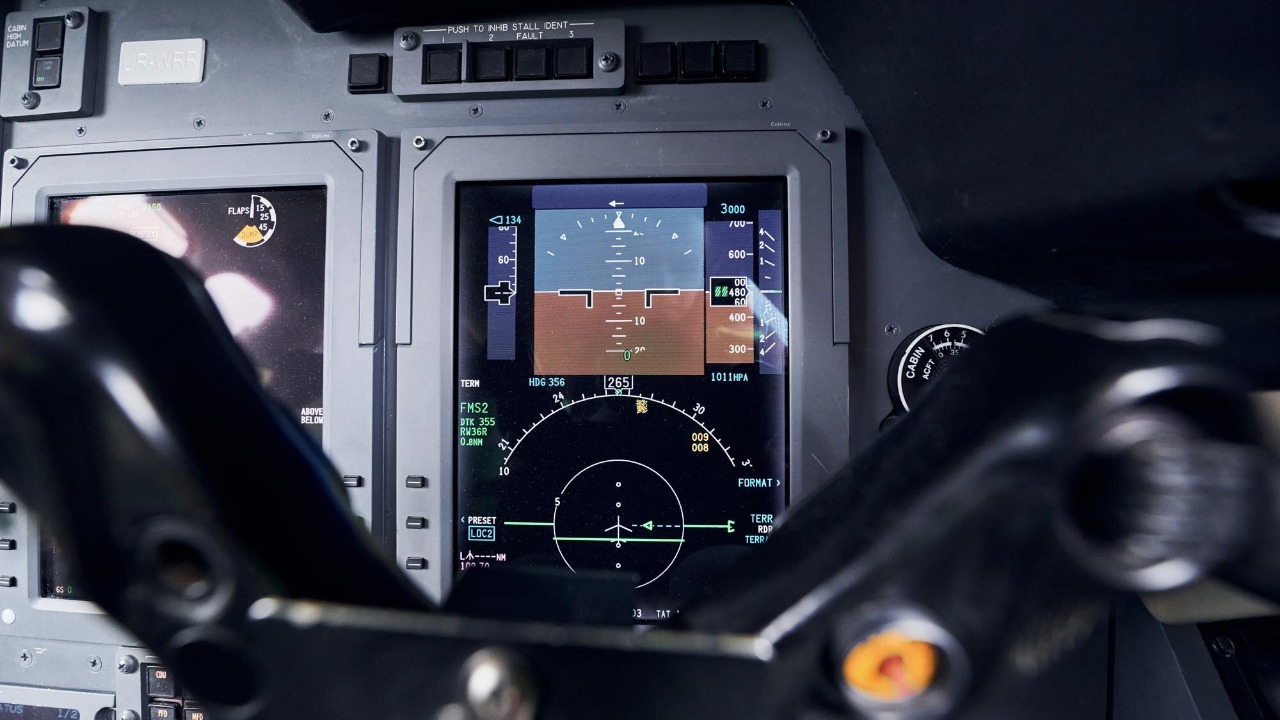
The F-47 boasts advanced stealth features, including radar-absorbent materials and low-observable shaping. These features, coupled with the integration of AI-driven systems for autonomous operations and manned-unmanned teaming, make the F-47 a formidable force in air combat. The aircraft is also expected to feature adaptive cycle engines, which offer superior range and speed.
The integration of AI-driven systems in the F-47 represents a significant leap in air combat technology. These systems allow for autonomous operations and manned-unmanned teaming, enhancing the aircraft’s operational capabilities. The projected engine technologies, such as adaptive cycle engines, are expected to provide the F-47 with superior range and speed, further enhancing its effectiveness in combat scenarios.
Strategic Role in Air Dominance
The F-47 and F/A-XX are expected to play a crucial role in ensuring U.S. air superiority in contested airspace against peer competitors. These aircraft, along with loyal wingman drones, form a synergistic ecosystem within the NGAD program. The F-47 and F/A-XX are also expected to be deployed in the Pacific theater for deterrence operations.
The synergy between the F-47, F/A-XX, and loyal wingman drones within the NGAD ecosystem represents a comprehensive approach to air combat. This approach ensures that the U.S. maintains its air superiority in contested airspace. The potential deployment of these aircraft in the Pacific theater underscores the strategic importance of these regions in future conflicts.
Development Timeline and Challenges

The development timeline for the F-47 is ambitious, with flight testing targeted for the late 2020s. However, the program faces several challenges, including budget constraints and technological hurdles inherent in sixth-generation development. The F/A-XX program faces its own set of challenges, including naval-specific requirements like carrier compatibility, which could potentially lead to delays.
Despite these challenges, the development of the F-47 and F/A-XX represents a significant step forward in U.S. air combat capabilities. The successful development and deployment of these aircraft would ensure that the U.S. maintains its air superiority in the face of evolving threats from potential adversaries.
