The United States embarks on a significant development in energy technology with the construction of its first modular nuclear reactor. Situated near a lab in Idaho, this initiative is hailed as a step forward in nuclear power, mostly due to its versatility and safety features.
The Company Behind the Project

At the helm of this groundbreaking project is NuScale Power, an Oregon-based company which has been pivotal in designing and constructing the modular reactor. Founded in 2007 by Dr. Jose Reyes, the company has been on a quest to revolutionize the nuclear power industry with its innovative designs and scalable solutions.
NuScale Power’s journey has been marked by rigorous research, groundbreaking innovation, and strategic partnerships. After securing funding from major stakeholders, including the U.S. Department of Energy, NuScale has been able to transition from theory to practical application. Their unwavering commitment to advancing nuclear technology has led to this momentous construction project.
Understanding Modular Nuclear Reactors
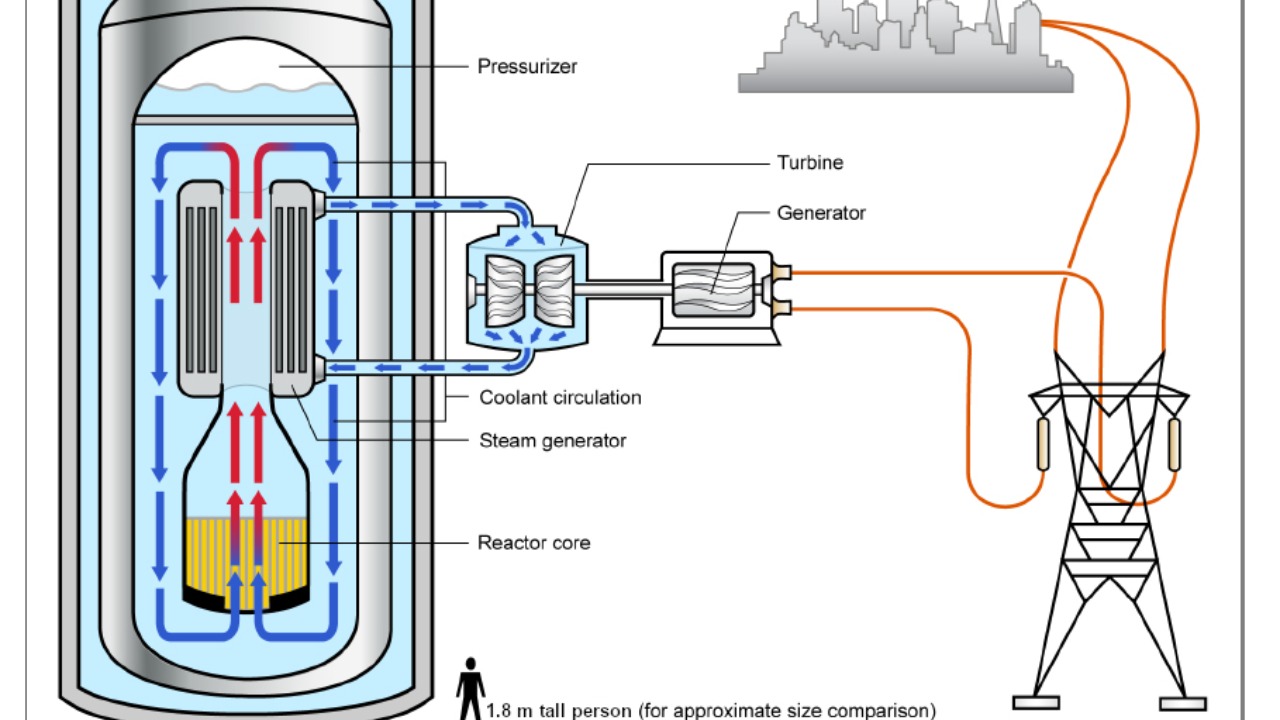
Modular nuclear reactors are a departure from traditional nuclear power plants. Unlike their predecessors, modular reactors are smaller and more flexible, leading to increased safety, scalability, and a reduced environmental footprint. A modular nuclear reactor is designed in such a way that it can be constructed off-site and then transported to the desired location, making it a cheaper and more efficient option.
The safety attributes of modular reactors are considerable. They rely on passive safety systems that use natural phenomena such as gravity and convection, rather than mechanical or powered systems that could fail. Moreover, they produce less nuclear waste and their small size allows for better containment in case of an accident.
The Construction and Operation Process
The construction process of this modular nuclear reactor is a testament to NuScale Power’s meticulous planning and innovative design. The reactor components are being manufactured off-site and will be transported to the Idaho lab for final assembly. This method not only reduces construction time but also enhances safety and quality control.
Once operational, the reactor will employ a unique technology to generate power. It uses a light-water reactor, the most common type of nuclear reactor, where the same water used as a coolant also serves as a neutron moderator. This contributes to the reactor’s safety and operational efficiency. Ultimately, the modular reactor will contribute to meeting the nation’s growing energy demands in a safe and sustainable manner.
Implications for the Energy Sector

This project marks a significant milestone in the U.S. energy sector. As the first modular nuclear reactor in the country, it could pave the way for a new era in nuclear power. If successful, it’s projected to lead to a surge in the adoption of modular reactors across the country and potentially globally.
From an economic perspective, the modular reactor technology promises cost savings in construction, operation, and maintenance. It also has the potential to create thousands of jobs, from manufacturing and construction to operation and maintenance, thereby stimulating the local and national economy.
Regulation and Public Perception

Building and operating a modular nuclear reactor in the U.S. requires navigating a complex regulatory landscape. NuScale has successfully passed the U.S. Nuclear Regulatory Commission’s review of its design, marking a significant achievement in the regulatory process. This accomplishment not only paves the way for the construction of the Idaho reactor but also sets a precedent for future modular reactor projects.
Public opinion on nuclear power has been mixed, with concerns about safety and waste disposal often at the forefront. However, with the enhanced safety features and reduced environmental impact of modular reactors, perceptions may shift. This project, in particular, could play a critical role in shaping public opinion and promoting acceptance of nuclear power as a viable and safe energy source.
