
Amazon is facing legal challenges over the data collection practices of its voice assistant, Alexa, particularly concerning the privacy of user data. This lawsuit highlights the ongoing debate over the balance between technological innovation and the protection of consumer privacy rights. The situation underscores the increasing scrutiny tech giants face regarding the ethical use of AI and personal data.
The Lawsuit Against Amazon
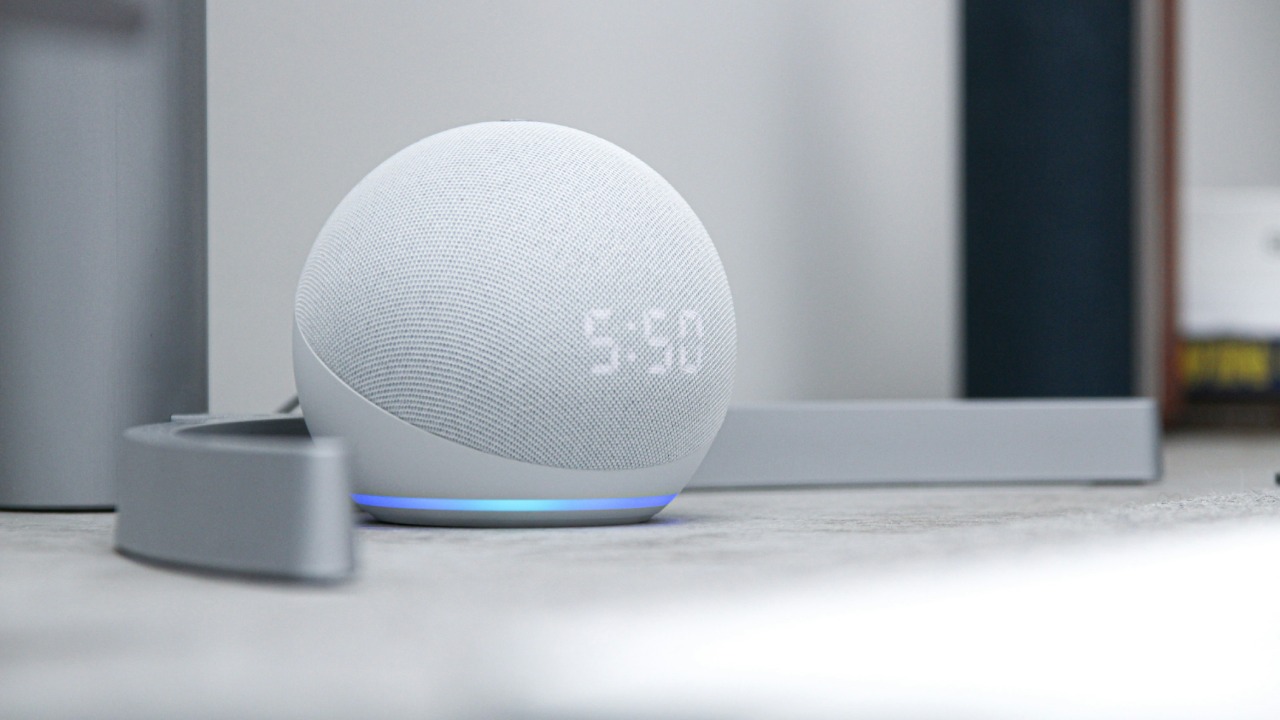
The legal landscape for Amazon has become more complex as it faces a lawsuit challenging the data collection practices of its voice assistant, Alexa. The case involves allegations that Amazon unlawfully records and stores conversations without user consent, raising significant privacy concerns. Plaintiffs argue that Amazon’s practices violate several privacy laws designed to protect consumer rights. The parties involved in this lawsuit include affected users who claim their privacy has been compromised due to Amazon’s alleged lack of transparency.
To understand the potential outcomes of this case, it’s essential to look at past legal precedents related to AI and data privacy. Previous cases have set the stage for how courts might interpret privacy violations in the context of AI technologies. Amazon’s legal defense often hinges on the argument that users consent to data collection when they agree to terms of service. However, the nuances of user consent and data handling practices remain contentious issues that could influence this case.
In response to the lawsuit, Amazon has consistently defended its practices, stating that user privacy is a top priority and that they comply with applicable laws. The company has released statements emphasizing their commitment to transparency and user control over personal data. However, critics argue that these measures fall short of addressing the core privacy concerns raised in the lawsuit.
Privacy Concerns with Alexa
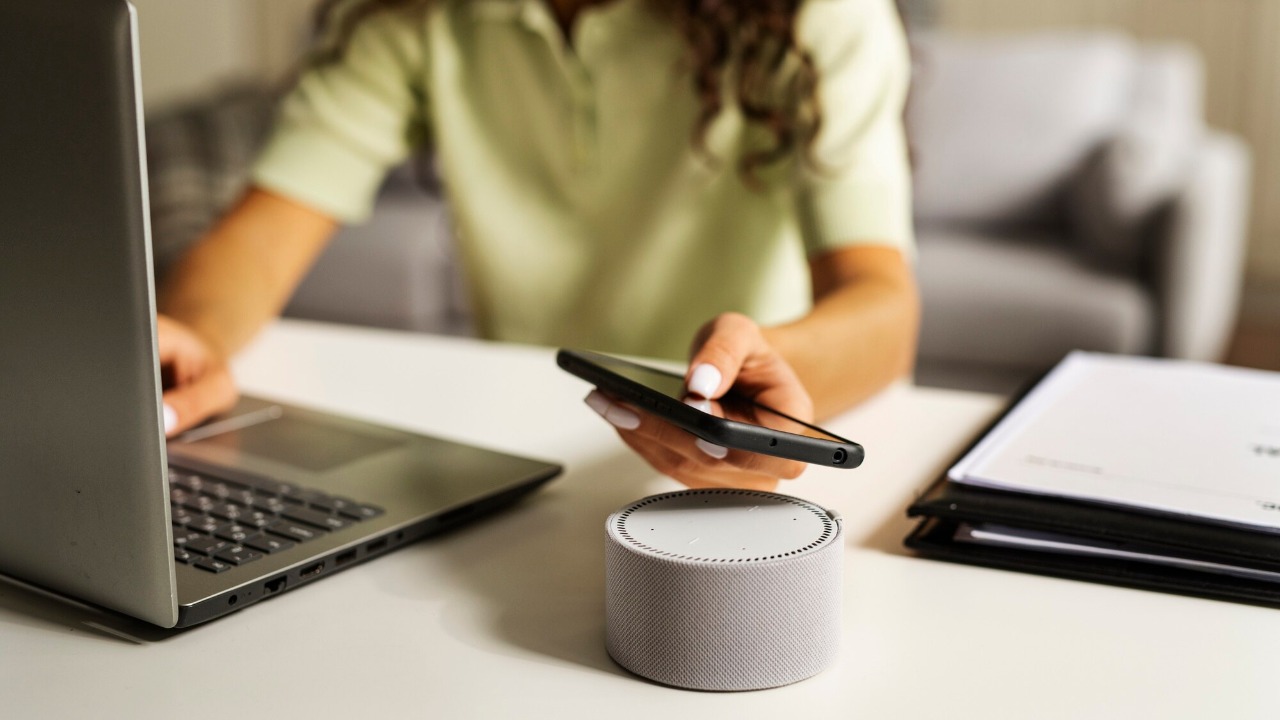
Alexa’s data collection practices have been under scrutiny as consumers and privacy advocates question how Amazon handles user information. Alexa collects and stores voice recordings, which Amazon claims are used to improve user experience and refine speech recognition capabilities. However, this data collection raises significant privacy concerns, particularly regarding what happens to the data after it’s collected and how long it’s stored.
One of the most pressing issues is the impact on children’s privacy. The Federal Trade Commission (FTC) and the Department of Justice (DOJ) have charged Amazon with violating children’s privacy laws by retaining kids’ voice recordings indefinitely. These allegations have intensified concerns about how Alexa devices interact with younger users and the potential long-term implications for children’s privacy rights.
The broader implications for consumer privacy are significant, as this case highlights the challenges of navigating privacy in the digital age. As more devices integrate voice assistants and AI technologies, consumers must grapple with the reality that their personal data is constantly being collected, analyzed, and potentially monetized. This lawsuit against Amazon could set important precedents for how companies are held accountable for data privacy breaches.
Technological and Ethical Considerations
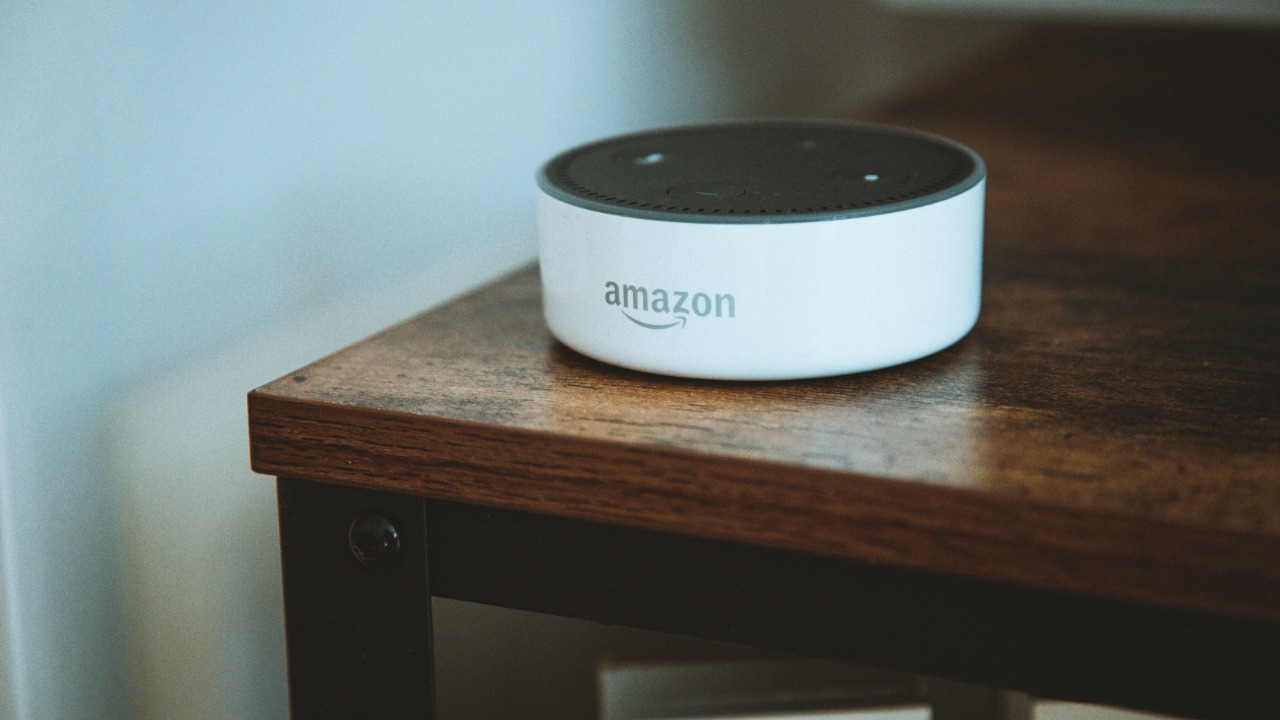
The role of AI in data collection is multifaceted, with devices like Alexa relying on sophisticated algorithms to process and interpret user commands. These technologies are designed to learn from interactions, enhancing functionality over time. However, the very process of collecting and analyzing user data raises ethical questions about privacy and consent. The tension between technological advancement and ethical considerations becomes apparent as companies like Amazon push the boundaries of AI capabilities.
Ethical dilemmas arise when considering the extent to which companies should be allowed to collect and utilize personal data. While technological innovation offers numerous benefits, it also poses risks to individual privacy rights. As AI becomes more embedded in daily life, striking a balance between innovation and ethical responsibility is crucial. This includes addressing concerns over data security, transparency, and user consent.
Innovations in privacy protection are emerging as potential solutions to these challenges. Technological strategies, such as on-device processing and enhanced encryption, offer avenues for addressing privacy concerns. For instance, some companies are exploring ways to limit data collection by processing more information locally on devices rather than sending it to external servers. These innovations could play a vital role in shaping the future of privacy protection in the AI industry.
Public Reaction and Industry Impact
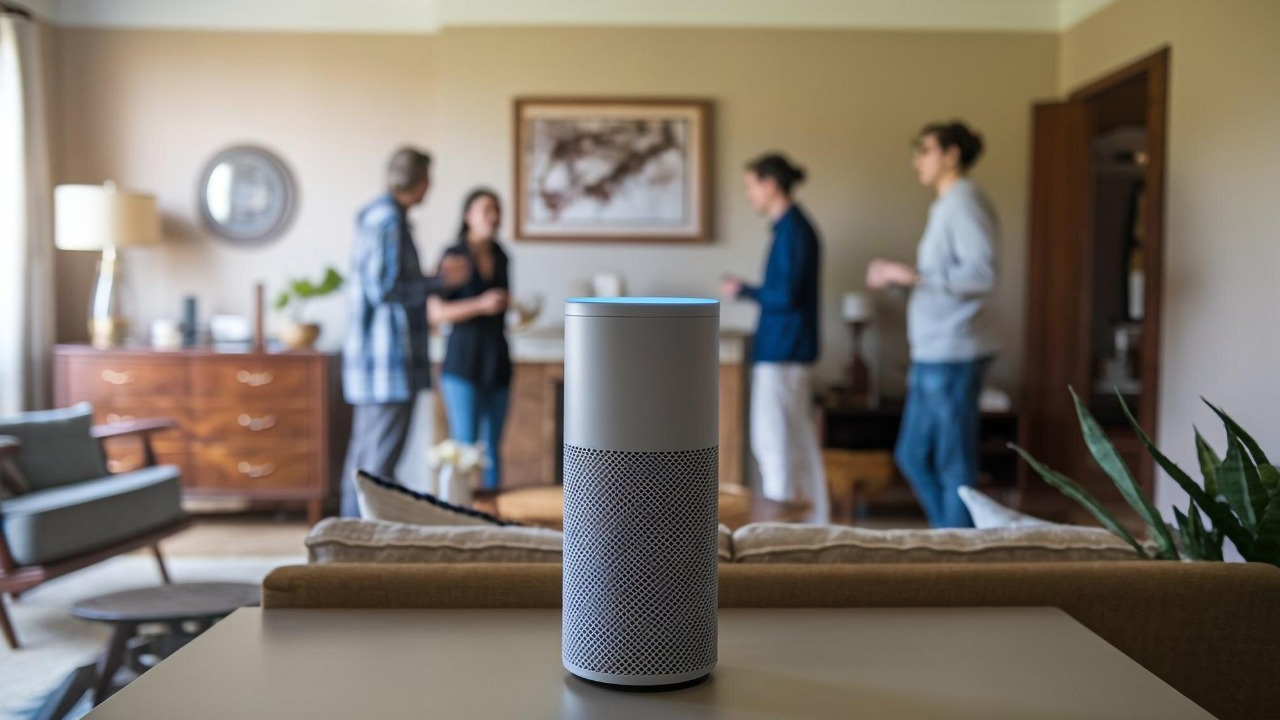
The lawsuit against Amazon has significant implications for consumer trust and brand reputation. As news of the legal challenges spreads, consumers may become increasingly wary of using Alexa and other similar devices. The potential erosion of trust could impact Amazon’s sales and market position, as consumers prioritize privacy and data security when choosing smart home products.
Industry response to the lawsuit has been varied, with some tech companies expressing concerns about the potential ramifications for their operations. Industry experts suggest that this case could prompt a reevaluation of data privacy practices across the tech sector. Companies may need to adopt more stringent measures to safeguard user data and comply with emerging regulations.
The potential for regulatory changes is another significant factor to consider. This lawsuit could influence lawmakers to implement stricter regulations governing AI and data privacy, potentially leading to new legal frameworks that define acceptable data collection practices. Such changes could have far-reaching effects on how tech companies operate and innovate in the future.
Future of Alexa and Voice Assistants

The outcome of this lawsuit could lead to changes in Alexa’s features, particularly regarding data handling practices. Amazon might be compelled to implement stricter privacy controls, giving users more control over their data. These changes could set a standard for the industry, prompting other companies to follow suit in enhancing their privacy protocols.
The market for voice assistants and smart home devices could be affected by this legal battle. Consumers’ growing awareness of privacy issues may influence purchasing decisions, potentially slowing the adoption of these technologies. Companies may need to prioritize transparency and security to maintain consumer confidence and drive market growth.
In the long term, the intersection of AI technology and privacy rights will continue to evolve. The lawsuit against Amazon may serve as a catalyst for broader discussions about the ethical use of AI and the importance of protecting individual privacy. As technology advances, society must grapple with these complex issues to ensure that innovation does not come at the expense of fundamental privacy rights. The future of AI and privacy will likely be shaped by ongoing dialogue, regulatory developments, and technological advancements.
