An amateur archaeologist made an astonishing discovery at the Burghead fort dig in Scotland, unearthing a Pictish ring believed to be more than 1,000 years old. This remarkable find was made on the very last day of the excavation, highlighting the serendipitous nature of archaeological work. The ring’s discovery holds incredible implications for understanding Scotland’s “painted people,” the Picts, and their history.
The Discovery at Burghead Fort
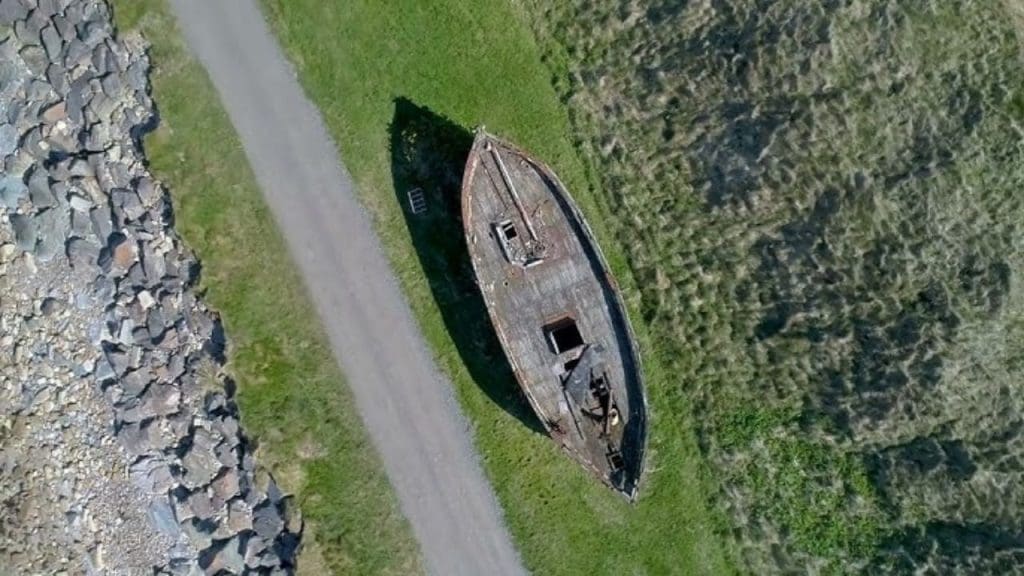
The Pictish ring was unearthed during an excavation at Burghead fort, a site of historical significance in Scotland. This site has long been a focal point for archaeologists due to its rich history and the potential to uncover artifacts from the Pictish era. The discovery of the ring adds a new layer to the understanding of the site’s importance, offering a tangible connection to the people who once inhabited the area.
The find was made by a volunteer archaeologist, underscoring the vital role that amateurs play in archaeological discoveries. According to Smithsonian Magazine, the volunteer’s involvement highlights how non-professionals can contribute significantly to uncovering historical treasures. This particular excavation was nearing its conclusion when the ring was discovered, emphasizing the timing and luck involved in archaeological work.
As the excavation at Burghead fort was drawing to a close, the discovery of the ring on the final day served as a reminder of the unpredictable nature of archaeology. The find has sparked renewed interest in the site, encouraging further exploration and study. This serendipitous event has not only enriched the historical narrative of the Picts but also demonstrated the potential for significant discoveries even at the last moment of an excavation.
In addition to the ring, the Burghead fort site has yielded numerous other artifacts over the years, each contributing to a deeper understanding of the Pictish way of life. The fort itself is believed to have been a major stronghold, possibly serving as a royal center or a hub of trade and governance. The strategic location of the fort, overlooking the Moray Firth, suggests its importance in controlling maritime routes and interactions with other cultures. These findings underscore the site’s significance in the broader context of Pictish and Scottish history, providing a rich tapestry of information that continues to intrigue historians and archaeologists alike.
Significance of the Ring
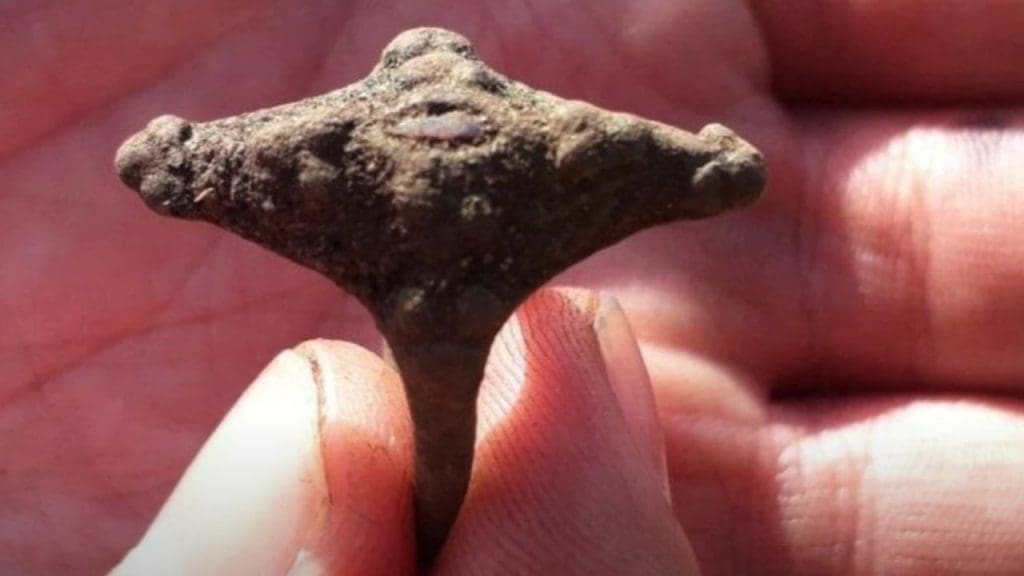
The ring is believed to be over 1,000 years old, providing valuable insights into the Pictish civilization known as Scotland’s “painted people.” According to Live Science, the Picts are noted for their unique cultural and artistic contributions, which this ring may help to further illuminate. The intricate design and craftsmanship of the ring suggest a high level of skill and artistry, offering clues about the social and cultural practices of the Picts.
The discovery has been described as “remarkable,” suggesting it may alter existing understandings of the Pictish era. As reported by WSAZ, the ring’s significance lies not only in its age but also in its potential to provide new perspectives on the Pictish people. The artifact could offer insights into the trade, economy, and daily life of the Picts, enriching the historical narrative of this enigmatic group.
Furthermore, the ring’s discovery could lead to a reevaluation of the Pictish influence on Scottish history. By examining the materials and techniques used in its creation, researchers may gain a better understanding of the connections between the Picts and other contemporary cultures. This find has the potential to reshape historical interpretations and highlight the Picts’ role in the broader context of European history.
The ring’s craftsmanship is particularly noteworthy, as it reflects the advanced metallurgical skills possessed by the Picts. The use of specific materials and techniques could indicate trade connections with other regions, suggesting that the Picts were not isolated but rather engaged in a network of cultural and economic exchanges. This aspect of the ring’s significance is crucial for understanding the extent of Pictish influence and interaction with neighboring societies. Additionally, the ring may have held symbolic or ceremonial importance, potentially linked to Pictish beliefs or social hierarchy, offering further avenues for research into their cultural practices.
The Role of Amateur Archaeologists
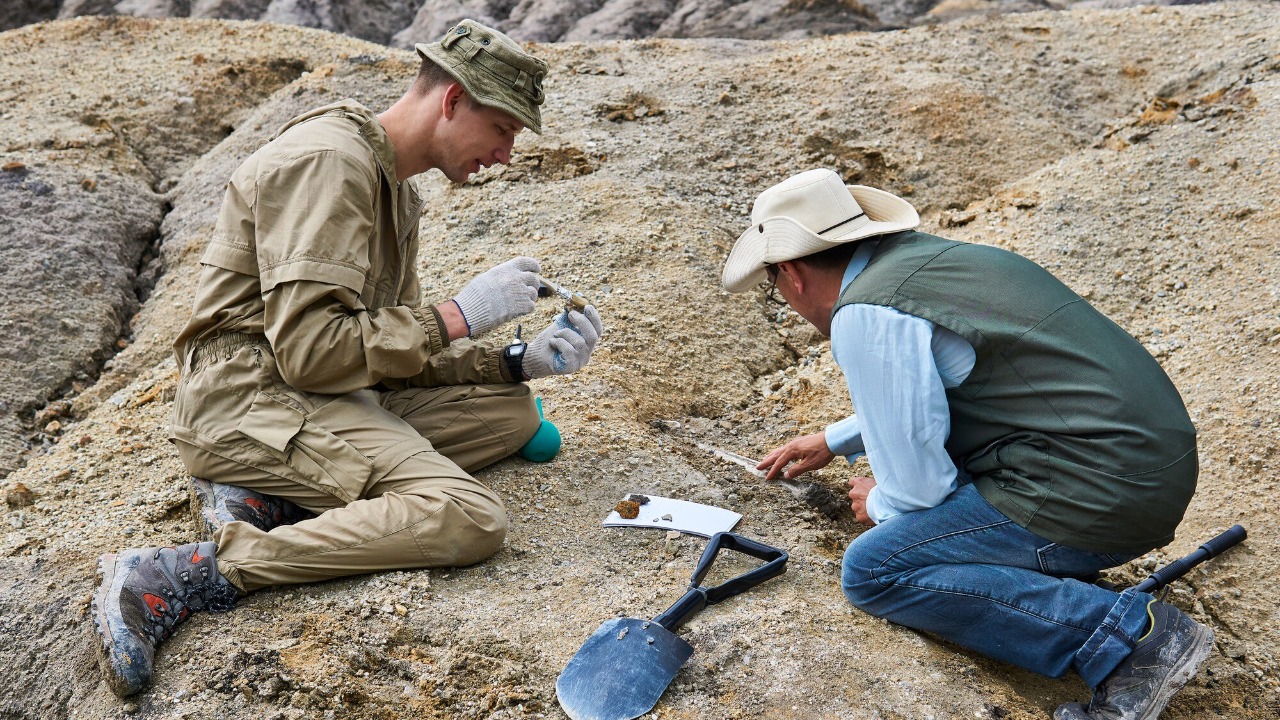
This discovery highlights the significant contributions that amateur archaeologists can make to the field. As noted by Smithsonian Magazine, amateur archaeologists often work alongside professionals, providing additional manpower and fresh perspectives. Their involvement can lead to unexpected discoveries, as demonstrated by the unearthing of the Pictish ring.
Amateur archaeologists bring enthusiasm and a diverse range of skills to archaeological projects. Their participation in excavations like the one at Burghead fort is crucial, as it allows for a more comprehensive exploration of sites. According to Popular Mechanics, the collaboration between amateurs and professionals can lead to significant breakthroughs, as evidenced by the discovery of the ring.
The find at Burghead fort is a testament to the importance of involving volunteers in archaeological projects. Their contributions not only enhance the scope of research but also foster a greater appreciation for history and archaeology among the general public. By engaging with amateur archaeologists, the field can benefit from a wider pool of talent and resources, ultimately leading to more discoveries and a deeper understanding of the past.
Amateur archaeologists often bring a unique passion and dedication to their work, which can lead to unexpected breakthroughs. Their involvement in projects like the Burghead fort excavation not only aids in the discovery of artifacts but also helps in the preservation of these historical sites. By participating in such digs, amateurs contribute to the documentation and protection of cultural heritage, ensuring that these treasures are safeguarded for future generations. This collaborative approach between amateurs and professionals enriches the field of archaeology, fostering a community of shared knowledge and enthusiasm for uncovering the past.
Implications for Future Research

The discovery of the Pictish ring opens new avenues for research into the history and culture of the Pictish people. As reported by Popular Mechanics, the ring serves as a catalyst for renewed interest and funding in Pictish archaeological studies. Researchers are now eager to explore the implications of this find and what it can reveal about the Picts’ way of life.
Future excavations may focus on uncovering more artifacts at Burghead fort to provide a broader understanding of the site’s historical significance. According to Live Science, the ring’s discovery has sparked interest in further exploring the area to uncover additional relics that could shed light on the Pictish civilization. This ongoing research could lead to a more comprehensive picture of the Picts and their interactions with other cultures.
The ring’s discovery has also highlighted the potential for new methodologies and technologies in archaeological research. By employing advanced techniques, researchers can analyze the ring and other artifacts with greater precision, uncovering details that were previously inaccessible. This approach could revolutionize the study of ancient cultures, providing deeper insights into their histories and contributions to the world.
