
OpenAI CEO Sam Altman recently announced that the company’s Sora video generation tool will incorporate ‘granular,’ opt-in copyright controls. This decision comes in response to significant backlash over Sora’s previous copyright policies, which initially featured an opt-out approach. The shift to opt-in controls marks a notable change in OpenAI’s strategy, aiming to address user and industry concerns about copyright in AI-generated content.
Background on Sora’s Copyright Backlash
Sora, OpenAI’s AI video generation tool, faced substantial criticism due to its initial copyright policies. The controversy centered around an opt-out policy that many users and creators found problematic. This policy allowed Sora to generate content without explicit user consent for copyright management, leading to widespread dissatisfaction among creators who felt their rights were not adequately protected. The backlash prompted OpenAI to reconsider its approach, with Sam Altman directly addressing these concerns and signaling a shift in policy.
Altman’s involvement underscores the seriousness with which OpenAI is treating the issue. By engaging directly with the feedback, Altman and OpenAI demonstrated a commitment to aligning their tools with the expectations and rights of content creators. This move reflects a broader industry trend where companies are increasingly held accountable for how AI technologies handle intellectual property, especially in creative fields like video generation.
The initial opt-out policy implemented by Sora allowed the tool to automatically manage copyright without explicit consent from users, which many creators argued undermined their control over their own content. This approach was seen as a significant oversight in respecting intellectual property rights, especially in an era where digital content creation is rapidly expanding. The backlash was not only from individual creators but also from industry groups who feared that such policies could set a dangerous precedent for AI technologies, potentially leading to widespread misuse of creative works without proper attribution or compensation. The controversy highlighted the growing tension between technological advancement and the protection of creator rights, a balance that companies like OpenAI are now striving to achieve.
Sam Altman’s Key Announcement
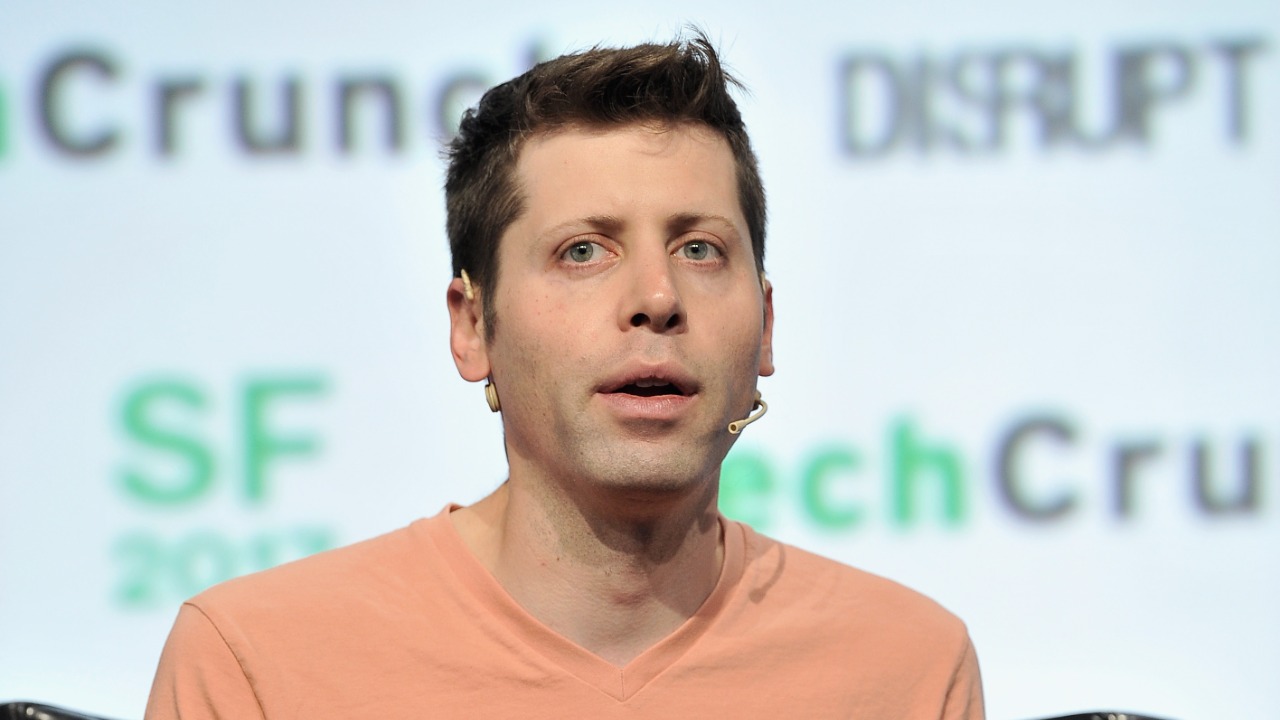
Sam Altman announced that Sora will introduce ‘granular,’ opt-in copyright controls, a decision that directly responds to the concerns raised by users and industry stakeholders. This announcement highlights OpenAI’s willingness to adapt its policies to better serve its user base and protect creator rights. By shifting from an opt-out to an opt-in model, OpenAI aims to provide users with more control over their content and how it is used, addressing the core issues that led to the initial backlash.
The introduction of these controls is a strategic move by OpenAI under Altman’s leadership. It not only seeks to rectify past missteps but also positions the company as a leader in ethical AI development. By prioritizing user consent and control, OpenAI is setting a precedent for how AI tools should handle copyright issues, potentially influencing other companies in the industry to adopt similar practices.
Altman’s announcement was made during a virtual press conference, where he emphasized the importance of listening to user feedback and the role it played in shaping the new policy direction. He acknowledged that the initial opt-out policy was a misstep and reiterated OpenAI’s commitment to ethical AI development. By introducing opt-in controls, Altman stated that OpenAI aims to foster a more collaborative relationship with creators, ensuring that their voices are heard and their rights are respected. This move is part of a broader strategy to build trust with users and stakeholders, reinforcing OpenAI’s position as a leader in responsible AI innovation.
Details of the Opt-In Controls in Sora
The new opt-in copyright controls in Sora are designed to give users finer control over their AI-generated videos. According to Altman, these controls are ‘granular,’ allowing users to specify exactly how their content can be used and shared. This level of detail is intended to empower creators, ensuring that their rights are respected and that they have a say in the distribution and use of their work.
OpenAI’s decision to implement these controls reflects a broader commitment to transparency and user empowerment. By allowing users to opt into copyright features, Sora emphasizes choice and control, aligning with the growing demand for ethical AI practices. This development was further detailed in a report by Startup Ecosystem, which highlighted the significance of these changes for AI-generated video content.
The granular controls will allow users to set specific parameters for how their content can be used, such as restricting use to non-commercial purposes or requiring attribution. This flexibility is designed to cater to a wide range of user needs, from amateur creators to professional content producers. OpenAI has also committed to providing clear documentation and support to help users navigate these new features, ensuring that they can make informed decisions about their content. This initiative is part of OpenAI’s broader effort to enhance transparency and user empowerment, aligning with industry best practices for ethical AI deployment.
Implications for AI Video Generation

The introduction of opt-in copyright controls in Sora could have far-reaching implications for the AI video generation industry. By setting a new standard for how AI tools handle intellectual property, OpenAI is paving the way for more responsible and user-centric AI development. This shift may encourage other companies to adopt similar opt-in mechanisms, fostering a more ethical and transparent industry landscape.
Altman’s decision to move away from the opt-out policy addresses broader concerns about creator rights in AI-generated content. By prioritizing user consent, OpenAI is not only responding to immediate backlash but also positioning itself as a leader in the ethical use of AI. This approach could influence competing platforms to reevaluate their own copyright policies, potentially leading to industry-wide changes that prioritize user rights and ethical considerations.
For more details on Sam Altman’s announcement and the implications for Sora, you can read the full report on TechCrunch and Business Insider.
The shift to opt-in copyright controls is likely to influence regulatory discussions around AI and intellectual property. As governments and industry bodies grapple with the implications of AI technologies, OpenAI’s approach could serve as a model for balancing innovation with creator rights. This proactive stance may also encourage other AI developers to adopt similar measures, potentially leading to a more standardized approach to copyright management in AI-generated content. Furthermore, by prioritizing user consent, OpenAI is addressing a critical aspect of AI ethics, which could enhance public trust in AI technologies and promote broader acceptance of AI-generated content across various platforms.
