Comet 3I/ATLAS, an interstellar visitor, is losing water at an extraordinary rate likened to a fire hose on full blast, as observed through recent astronomical data. This phenomenon is rewriting what scientists thought they knew about alien star systems by revealing unexpected compositions and behaviors in comets from beyond our solar system. Physicists have identified an ultraviolet fingerprint in the comet’s emissions, providing new insights into its origins (Live Science).
Discovery of Comet 3I/ATLAS
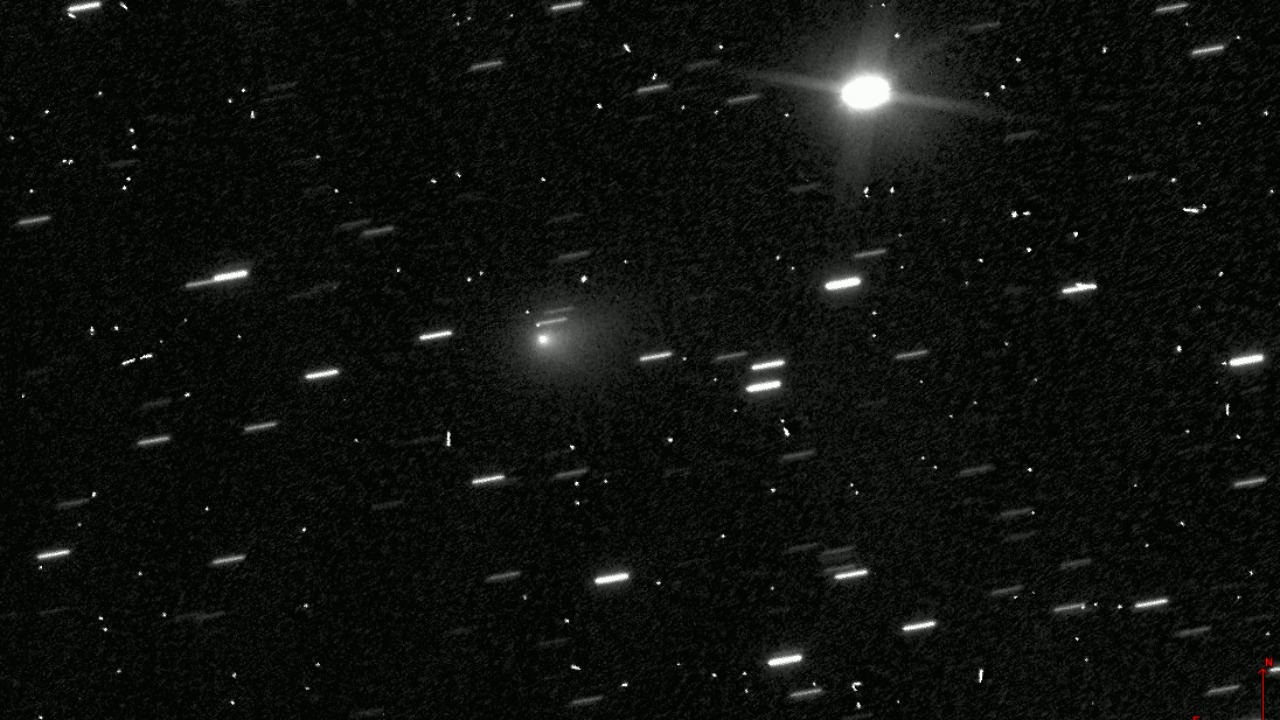
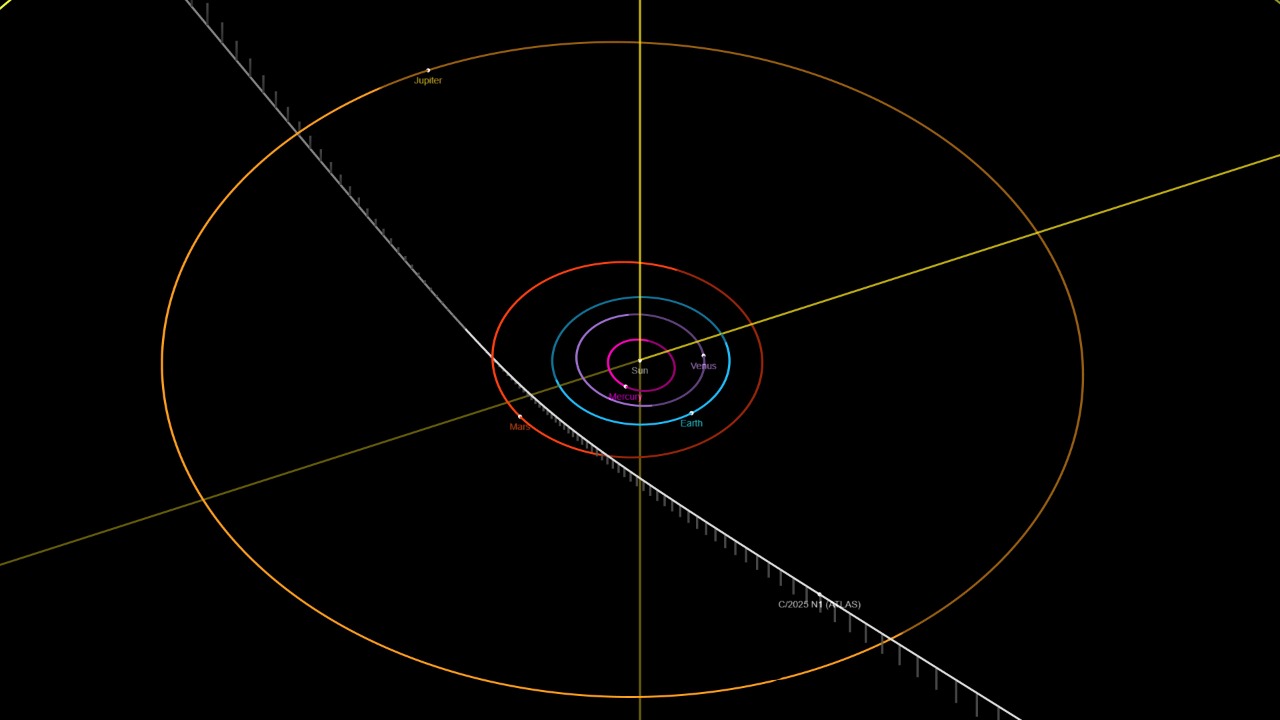
The initial detection of Comet 3I/ATLAS marked a significant moment in astronomy, as it was identified as an interstellar object entering our solar system. Its trajectory and speed confirmed its origin from outside the solar system, setting it apart from typical solar system comets. The comet’s path was meticulously tracked, revealing its high velocity and unusual angle of approach, which are characteristic of objects that have traveled vast distances across the galaxy (Live Science).
The ATLAS survey played a crucial role in spotting this comet, leading to its naming as 3I/ATLAS, indicating it as the third confirmed interstellar interloper. This discovery was a testament to the capabilities of the ATLAS system, which is designed to detect transient astronomical events. The survey’s ability to identify such a rare object underscores the importance of continuous monitoring of the skies for new and unexpected phenomena (Live Science).
Early observations of Comet 3I/ATLAS flagged unusual activity, particularly its intense water loss, which set the stage for detailed studies. This anomaly prompted scientists to focus on the comet’s behavior, leading to the discovery of its rapid water ejection. Such findings are pivotal in understanding the nature of interstellar objects and their potential differences from solar system bodies (Phys.org).
Intense Water Loss Mechanism
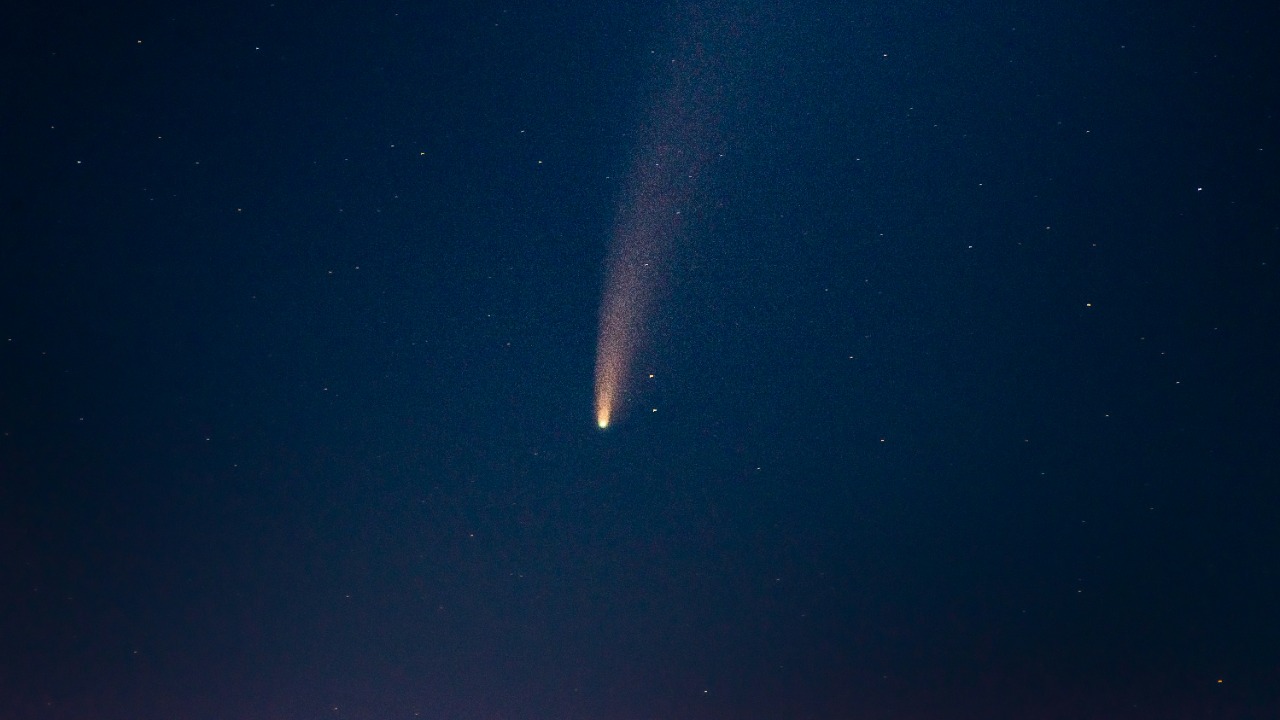
The comet’s water ejection rate is described as “losing water ‘like a fire hose’ on full blast,” a phenomenon observed through spectroscopic measurements of vapor plumes. This intense activity is driven by the comet’s proximity to the Sun, where environmental factors such as high temperatures and specific distances trigger sublimation. As the comet approaches the Sun, the heat causes the ice within it to vaporize rapidly, resulting in the dramatic release of water (Live Science).
Comparing this to typical solar system comets highlights the anomaly in 3I/ATLAS’s behavior. Most comets from our solar system exhibit a more gradual release of water, influenced by their composition and the solar environment. The extreme water loss observed in 3I/ATLAS suggests a unique composition or structural integrity, possibly due to its interstellar origin. This distinction provides valuable insights into the diversity of cometary bodies and the processes that govern their behavior (Phys.org).
Ultraviolet Fingerprint Analysis
Physicists captured the ultraviolet fingerprint of Comet 3I/ATLAS using ground-based and space telescopes to analyze its emission lines. This analysis, conducted in October 2025, revealed specific ultraviolet spectral features that provide a window into the comet’s chemical makeup. The presence of water and other volatiles was confirmed, offering clues about the materials that constitute this interstellar traveler (Phys.org).
The instrumentation involved, such as UV spectrographs, played a crucial role in identifying these interstellar signatures. These tools offer high precision, allowing scientists to discern subtle differences in the spectral lines that indicate the presence of various elements and compounds. This capability is essential for understanding the composition of objects from beyond our solar system and their potential similarities or differences with known celestial bodies (Phys.org).
Implications for Alien Star Systems
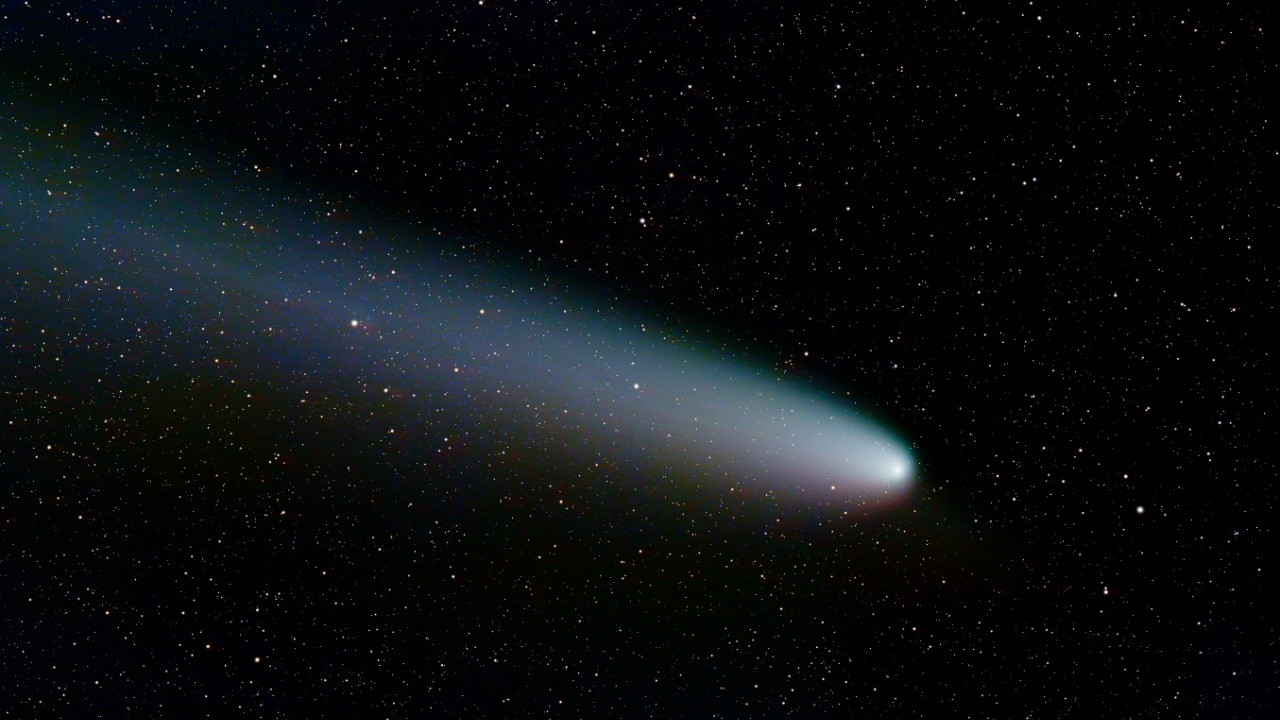
The comet’s extreme water loss is “rewriting what we thought we knew” about formation processes in alien star systems, suggesting environments that are richer in volatiles than previously assumed. This discovery challenges existing models of comet formation and behavior, prompting a reevaluation of the conditions that might exist in distant stellar nurseries. Such insights are crucial for understanding the diversity of planetary systems and the potential for habitable conditions beyond our solar system (Live Science).
Evidence from the ultraviolet data links 3I/ATLAS to distant stellar nurseries, with potential ties to exoplanet habitability. The presence of water and other volatiles in the comet suggests that similar materials could be prevalent in other star systems, influencing the development of planets and the potential for life. This connection opens new avenues for research into the building blocks of life and the conditions necessary for its emergence elsewhere in the universe (Phys.org).
Broader astronomical models are being revised to incorporate these findings, including predictions for future interstellar visitors. As more objects like 3I/ATLAS are discovered and studied, scientists will gain a deeper understanding of the processes that shape our galaxy and the potential for life beyond Earth. This ongoing research is vital for expanding our knowledge of the universe and our place within it (Live Science).
