The future of transportation is accelerating into a new era with Alef’s $286,676 flying car. This technological marvel stands to make the Tesla Cybertruck look like a relic of the past. Alef’s innovation is not just changing the auto industry; it is redefining our very understanding of mobility.
Unveiling Alef’s Flying Car: A New Era for Mobility
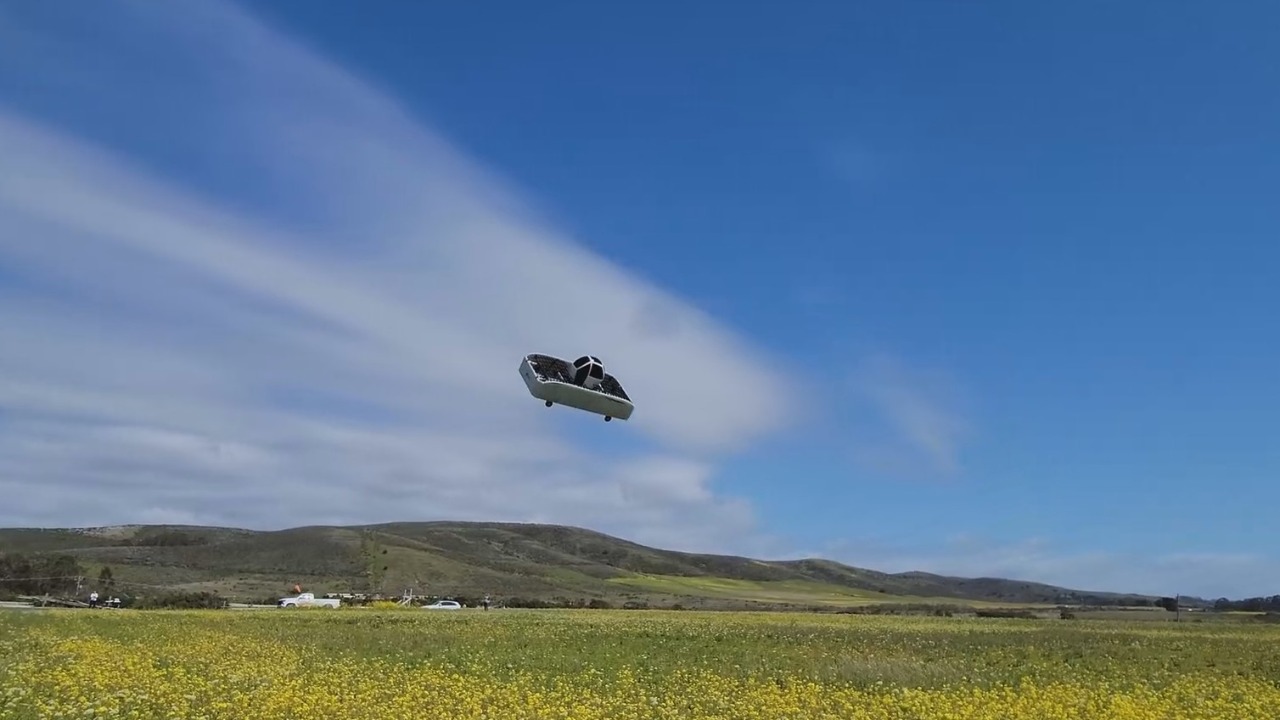
The Alef’s flying car is a groundbreaking innovation in the transportation sector. This dual-mode vehicle seamlessly transitions between flying and driving, promising a future where traffic jams could be a thing of the past. The flying car is equipped with state-of-the-art features including vertical take-off and landing, autonomous flight capabilities, and an electric drivetrain.
Behind the scenes, the flying car’s ability to switch between road and air travel is powered by a combination of advanced aeronautics and automotive technologies. It is Alef’s vision to integrate these technologies to create a new form of mobility that is safer, faster, and more efficient. Alef plans to achieve this by investing heavily in research and development, as well as forging partnerships with leading tech companies and regulatory bodies.
Comparative Analysis: Alef’s Flying Car Vs. Tesla Cybertruck

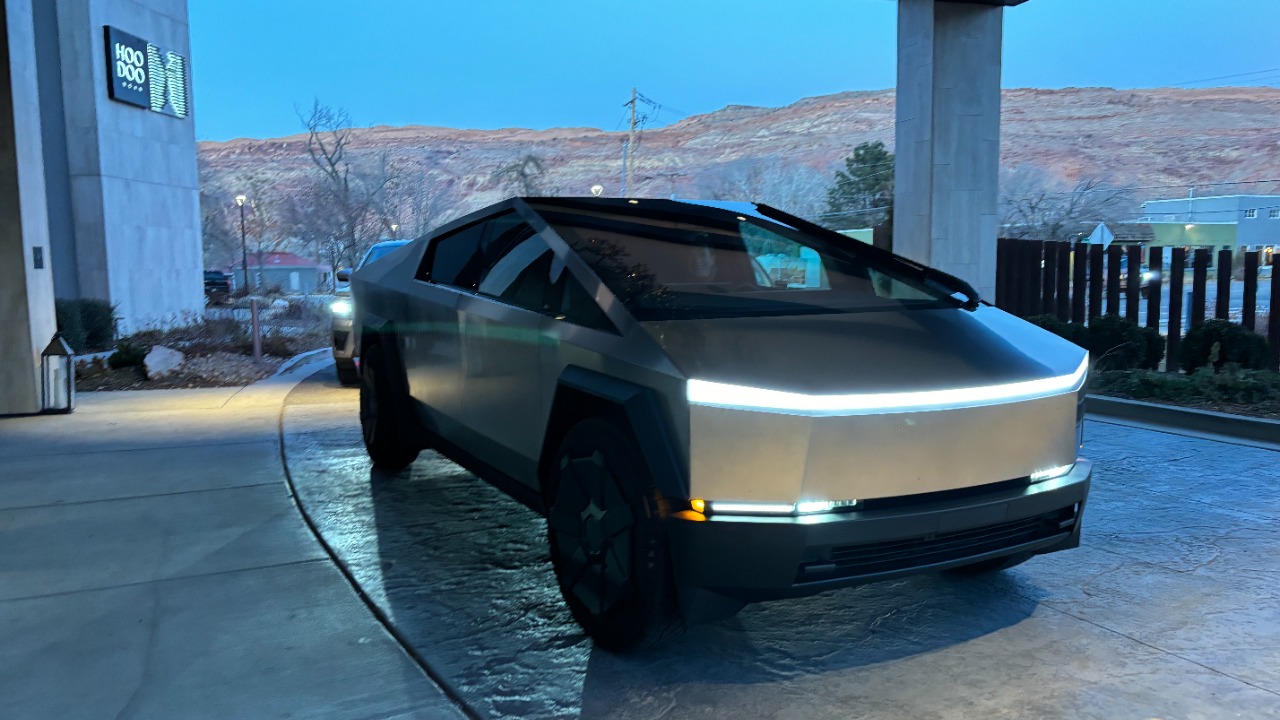
When comparing Alef’s flying car with the Tesla Cybertruck, the difference is not just in the price points. Alef’s flying car, priced at $286,676, is significantly more expensive than the Cybertruck, which starts at $39,900. However, the flying car offers a unique feature set that arguably justifies its higher price. For instance, it provides the flexibility of both road and air travel, a feature that is yet to be seen in any of Tesla’s offerings.
As for the impact on Tesla’s market dominance, Alef’s flying car could potentially disrupt Tesla’s hold on the electric vehicle market. However, the two vehicles target different markets. While Tesla’s Cybertruck is aimed at the mass market, Alef’s flying car is more of a luxury offering targeted at high-end consumers. It remains to be seen if and how Tesla will respond to this new competitor.
The Potential Impact of Flying Cars on the Auto Industry
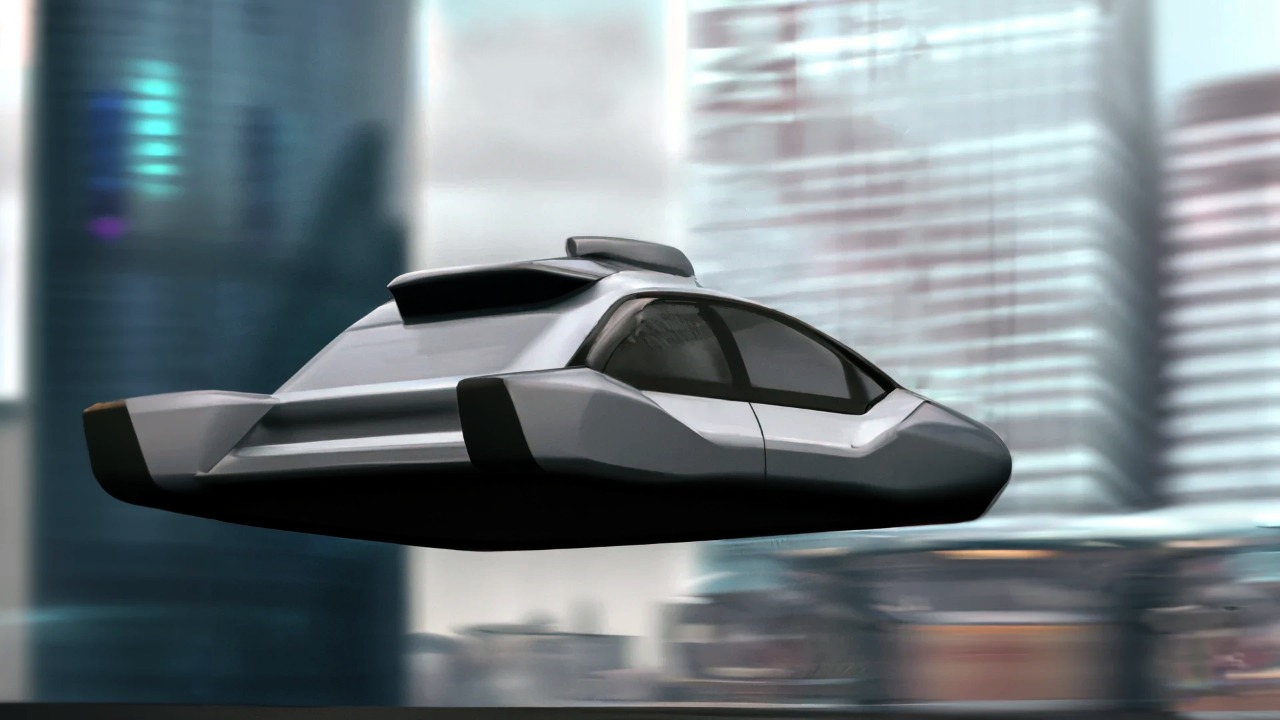
The advent of Alef’s flying car could significantly alter the dynamics of the auto industry. It introduces a new category of vehicles that combine the convenience of personal cars with the speed and efficiency of air travel. This could potentially lead to greater competition and innovation in the industry.
However, the introduction of flying cars also presents challenges for auto manufacturers. For one, they would need to invest heavily in new technologies and infrastructure to compete in this space. Additionally, they would need to navigate the complex regulatory landscape associated with air travel. In response to these challenges, several auto companies have already begun exploring partnerships with aviation companies and lobbying for regulatory reforms.
The Future of Transportation: Flying Cars and Beyond
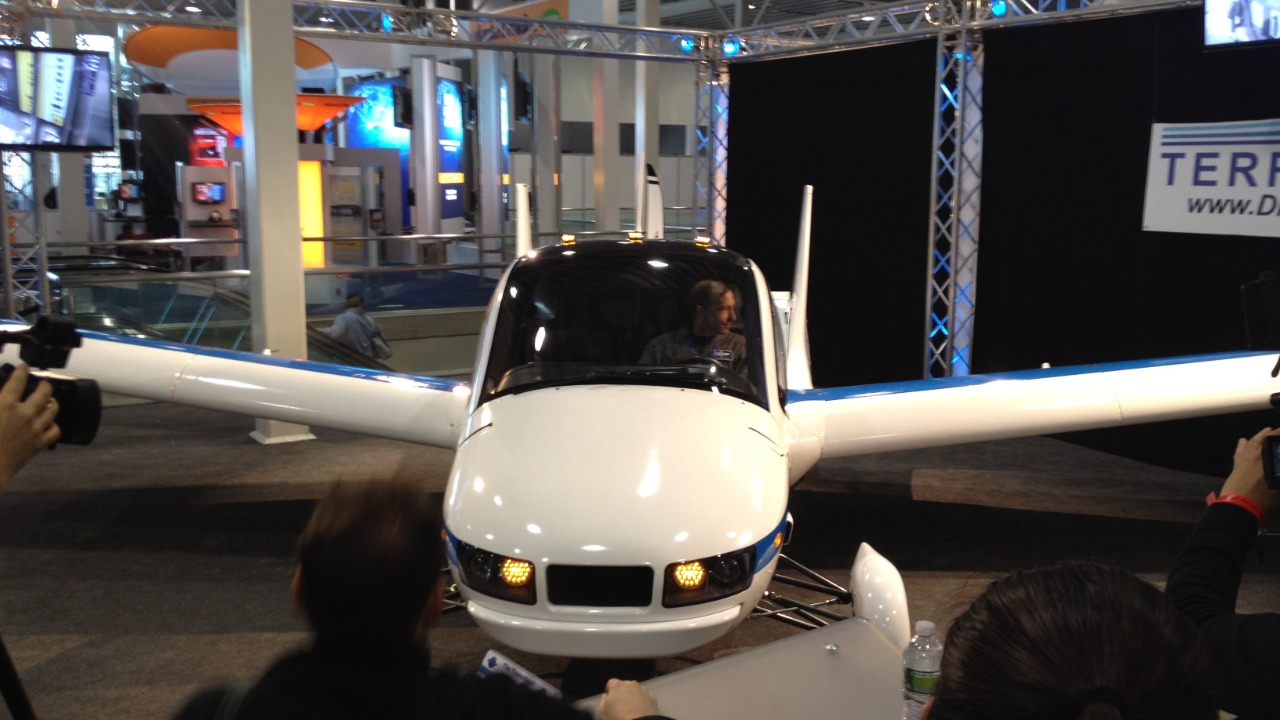
Flying cars could revolutionize our daily commuting experience. Imagine bypassing traffic congestion by simply taking to the sky. However, this new form of mobility also raises significant environmental questions. For instance, what would be the carbon footprint of widespread air travel? And how would it affect noise pollution in urban areas?
Regulatory challenges also loom large over the mainstream adoption of flying cars. Airspace management, safety regulations, and infrastructure requirements are just a few of the issues that need to be addressed. Despite these hurdles, the prospect of a sky filled with flying cars is becoming increasingly plausible as companies like Alef continue to push the boundaries of technology.
Customer Reception and Market Prospects for Alef’s Flying Car
The initial reactions to Alef’s flying car have been largely positive. Auto industry experts are intrigued by the vehicle’s innovative design and capabilities. Potential customers are also excited about the possibility of owning a car that can both drive and fly. However, the high price tag could be a deterrent for some.
In terms of market prospects, Alef’s flying car is expected to carve out a niche in the luxury transportation market. The company plans to expand its consumer base by targeting high-net-worth individuals and corporate clients. In addition, Alef is exploring partnerships with ride-hailing services to offer air taxi services. The company sees a bright future for its flying car, and it is prepared to soar above any obstacles that come its way.
For a first-hand look at Alef’s Flying Car, check out this video or this photo report. For a comparison of Alef’s Flying Car and Tesla’s Cybertruck, watch this video.
