A mysterious 8,850-kilometer belt has recently formed in the Atlantic Ocean, causing considerable alarm among scientists. This disconcerting development, described by researchers as “not a good sign,” may have profound implications on global ecosystems.
Discovery of the Mysterious Belt
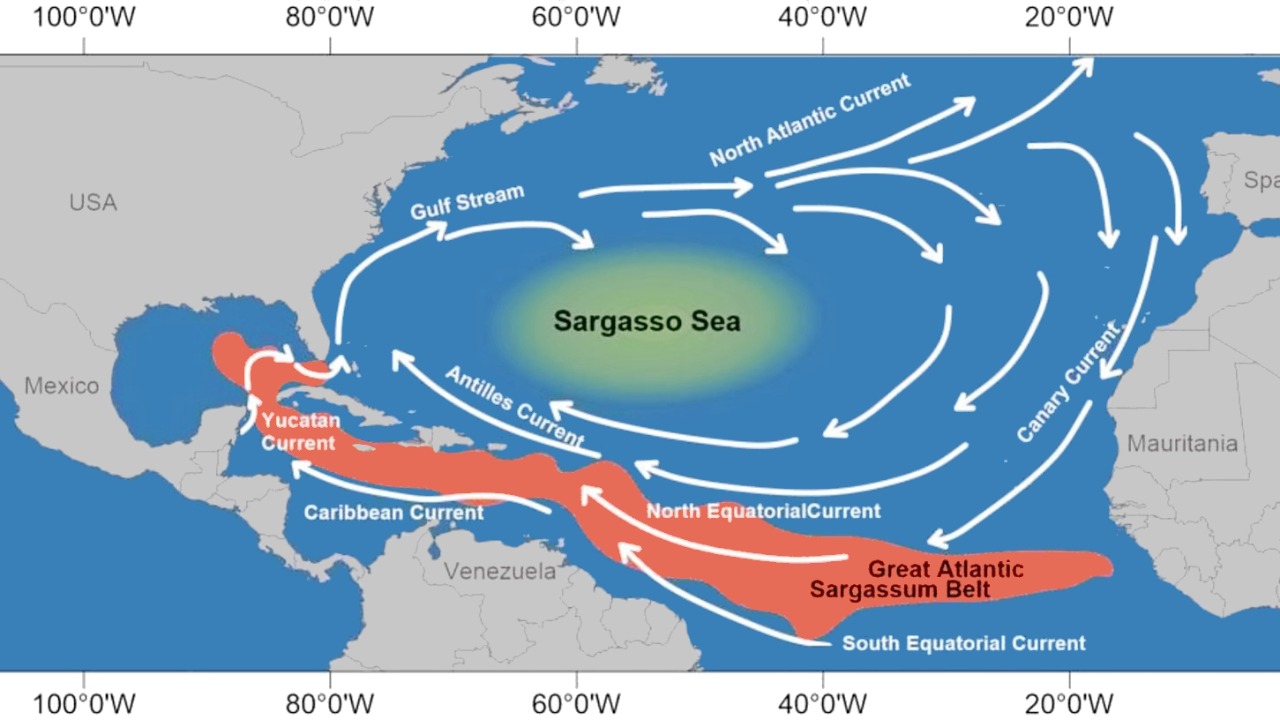
This belt was initially discovered by satellite-based surveillance systems during a routine environmental monitoring task. The sheer size and geographical extent of the belt immediately caught the attention of researchers worldwide. According to reports, the belt stretches from the western coast of Africa, across the equator, and into the South Atlantic. Its unusual characteristics, including its unprecedented size and elongated shape, have puzzled researchers.
The belt’s physical properties, such as its color and texture, are also different from the surrounding ocean waters. These attributes suggest that the belt may consist of a unique substance or a collection of abnormal organic matter. These initial observations have intensified the need for a detailed investigation of this strange phenomenon.
Scientists’ Concern and Interpretation

The global scientific community has expressed serious concern over the formation of this belt. Many researchers believe that such a large and unusual formation is not a positive sign for the health of our oceans. Their alarm is based on the potential environmental and ecological impacts of such a phenomenon. “The sudden appearance of this belt is not something we can ignore,” said one oceanographer during a recent press briefing.
Several theories are being proposed to explain the belt’s formation. Some scientists suggest that it could be a manifestation of ocean warming, while others speculate it might be due to a massive plankton bloom or a change in ocean currents. However, these are just hypotheses at this stage, and more research is needed to confirm the actual cause.
Implications for Marine Life and Ecosystems
The formation of the belt could have far-reaching implications for marine life. It could disrupt habitats, threaten biodiversity, and possibly lead to a shift in the food chain. Certain species that rely on specific conditions may not survive if these conditions are altered by the formation of the belt. These potential threats to marine life demand immediate attention and further investigation.
Moreover, the belt could disrupt the balance of oceanic ecosystems. Every element in an ecosystem is interconnected, and even a slight change can have a ripple effect. The presence of this belt could potentially alter nutrient cycles, ocean circulation, and even the water’s chemical composition. The full extent of these disruptions is currently unknown and requires further study.
Potential Effects on Climate and Weather Patterns
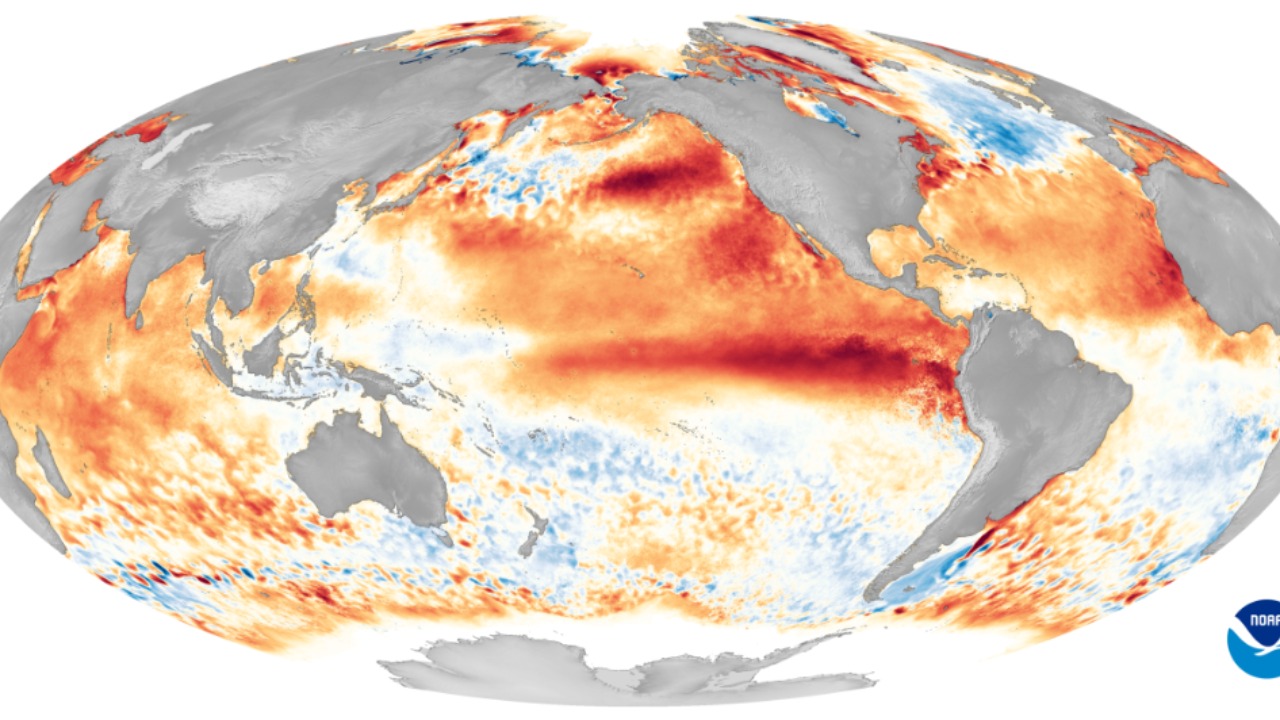
The belt’s presence could also influence global climate and weather patterns. Oceans play a significant role in regulating the Earth’s climate by absorbing and distributing heat and carbon dioxide. If the belt alters ocean currents or changes the water’s temperature or salinity, it could, in turn, influence weather patterns and climate conditions.
For instance, it could potentially affect phenomena like El Niño and La Niña, which influence weather patterns worldwide. These changes could have far-reaching effects, including increased storms in some regions and prolonged droughts in others. However, these scenarios are speculative at this point, and more research is needed to predict the exact effects accurately.
Response and Future Research
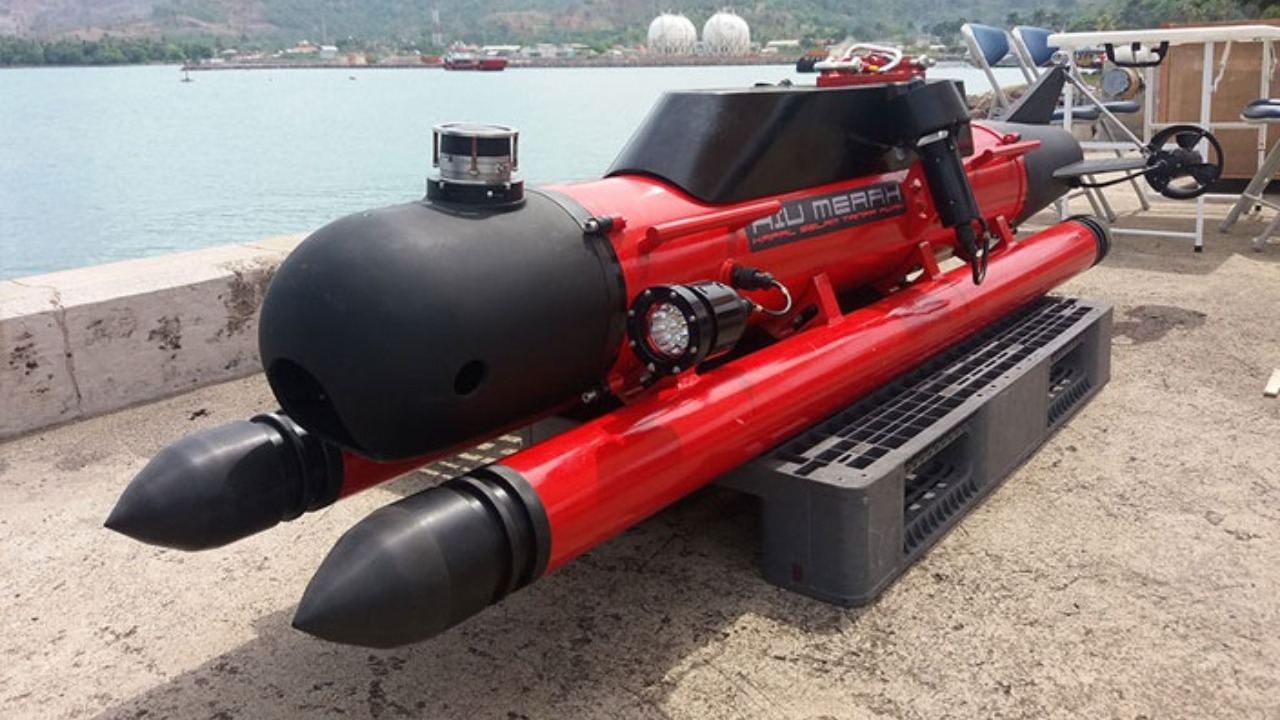
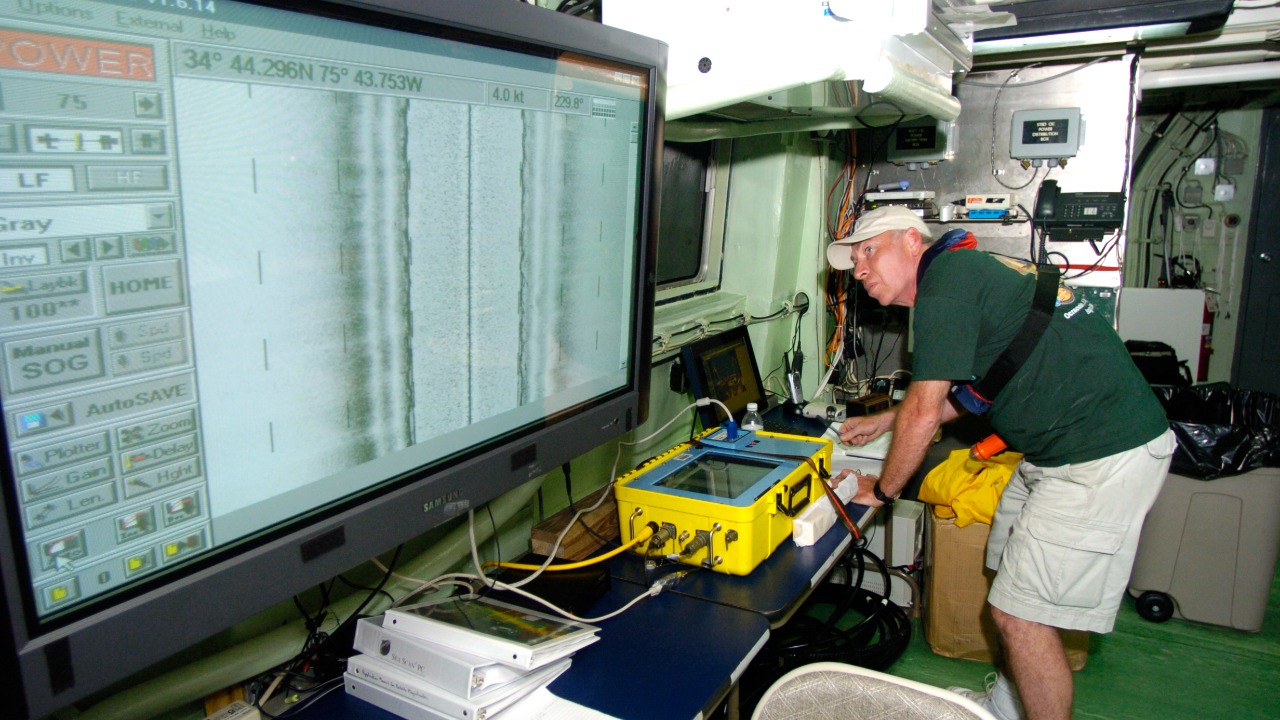
The scientific community has responded to the belt’s formation by initiating extensive research programs. These include satellite monitoring, oceanographic vessel expeditions, and deep-sea submersible explorations. The goal is not only to understand the belt’s composition and origin but also to predict its future behavior and potential impacts on marine ecosystems and the global climate.
Future research plans also include collaborative efforts between different nations and institutions. Given the belt’s significant size and potential global impact, it is vital that the international community unite to understand this mysterious phenomenon. As one scientist summed it up in a recent interview: “We’re in uncharted waters here, and it’s going to take a global effort to navigate them.”
