
Artificial Intelligence (AI) has revolutionized numerous fields, offering cutting-edge solutions to complex problems. From accurately predicting protein structures to enhancing flood forecasting systems, AI is at the forefront of scientific and environmental advancements. AI’s profound and positive impact on these critical areas is both significant and transformative.
AI and Protein Folding: A Revolutionary Breakthrough

AlphaFold’s Success Story
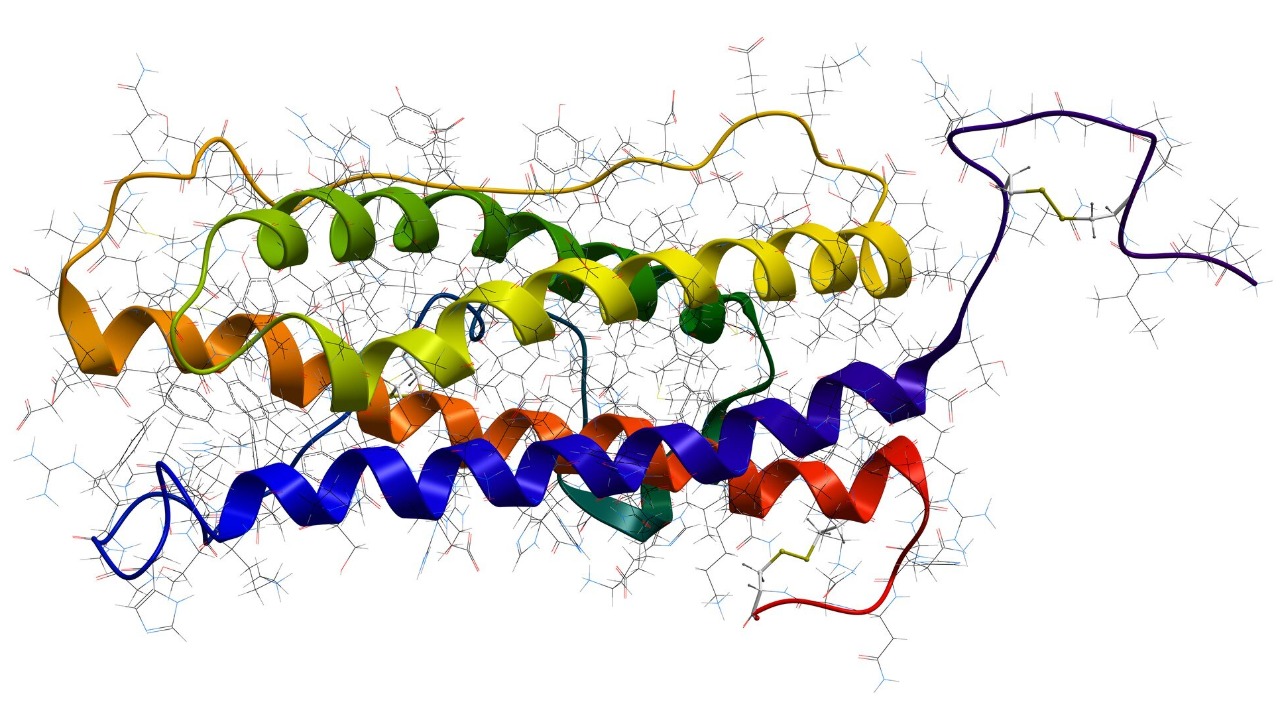
The development of AlphaFold by DeepMind represents a monumental achievement in the field of computational biology. AlphaFold has been able to accurately predict protein structures with unprecedented precision, a task that has perplexed scientists for decades. The ability to determine the 3D shapes of proteins is crucial because these structures dictate how proteins function within the body. This breakthrough is not just a technical triumph but a pivotal step forward in understanding biological processes at a molecular level.
The significance of accurate protein folding predictions extends into medical research and drug discovery. By understanding the precise configuration of proteins, researchers can design more effective drugs that can target diseases at their root cause. This leap in technology accelerates the pace of drug discovery, potentially reducing the time it takes to bring new treatments to market and offering hope for cures to diseases that once seemed insurmountable.
Implications for Medicine and Biotechnology
AI-driven advancements in protein folding pave the way for novel treatments and therapies. For instance, the ability to model protein structures allows scientists to predict how mutations may lead to diseases, thereby opening up new avenues for intervention. This capability is particularly valuable in the field of personalized medicine, where treatments can be tailored to the unique genetic makeup of individual patients.
Understanding protein structures at a molecular level also aids in elucidating the mechanisms of complex diseases such as Alzheimer’s and Parkinson’s. By deciphering the structural changes that occur in these conditions, researchers can develop strategies to prevent or reverse the pathological processes. These insights are invaluable for the biotechnology industry, which can leverage them to create innovative therapeutic solutions.
AI in Flood Forecasting: Enhancing Environmental Resilience
Advancements in Predictive Models
In the realm of environmental science, AI plays a critical role in flood forecasting by enhancing the accuracy of predictive models. Traditional hydrological models often fall short due to their inability to process vast amounts of data in real-time. AI, on the other hand, can integrate diverse data sources, such as weather patterns, river levels, and soil moisture, to provide more accurate and timely forecasts.
By combining AI with traditional methods, scientists can achieve real-time predictions that are crucial for disaster preparedness. This integration allows for more effective allocation of resources and timely evacuation plans, ultimately saving lives and reducing economic losses. The potential of AI in this domain is exemplified by its application in global flood forecasting systems.
Global Impact and Climate Change Adaptation
AI-driven flood forecasting is not just about predicting weather events; it is a vital tool for climate change adaptation. As extreme weather events become more frequent and severe, the need for accurate forecasting becomes even more critical. AI helps communities around the world to prepare for such events, mitigating the adverse effects of climate change.
The global impact of AI in flood forecasting is profound, aiding in disaster preparedness and risk reduction. By providing actionable insights, AI enables governments and organizations to implement strategies that enhance resilience against climate-related events. As we continue to face the challenges of a changing climate, the role of AI in environmental resilience becomes increasingly indispensable.
Challenges and Ethical Considerations in AI Applications

Technical and Data Limitations
Despite the remarkable advancements AI has brought to fields like protein folding and flood forecasting, several challenges remain. One of the primary issues is the limitation of data used to train AI models. In many cases, datasets may be limited or biased, leading to less accurate predictions. This challenge necessitates continuous improvement and validation of AI models to ensure their reliability in scientific research.
To overcome these limitations, it’s essential to develop robust data collection and processing methods. Ensuring that models are trained on diverse and representative datasets will enhance their accuracy and applicability across different scenarios.
Ethical Implications and Responsible AI Use
The deployment of AI technologies in sensitive areas such as healthcare and disaster management raises important ethical considerations. Decisions made by AI systems can have significant consequences, underscoring the need for ethical frameworks that guide their use. Transparency and accountability are crucial to ensuring that AI systems are deployed responsibly and ethically.
For instance, in healthcare, AI-driven diagnoses and treatment recommendations must be transparent and explainable to foster trust among healthcare providers and patients. Similarly, in disaster management, the use of AI to make critical decisions must be accompanied by oversight to prevent unintended negative outcomes. These considerations are essential for fostering public trust and ensuring the responsible use of AI technologies.
Future Prospects of AI in Scientific and Environmental Fields

Innovations on the Horizon
As AI continues to evolve, its potential applications in other scientific domains are vast. In genetics, AI could be used to decode complex genetic patterns and identify potential therapeutic targets. In environmental science, emerging AI technologies could further revolutionize research and forecasting, offering new tools for understanding and mitigating environmental challenges.
Exciting innovations are on the horizon, and the integration of AI into various fields promises to accelerate scientific discovery and enhance our ability to tackle pressing global issues. The potential for AI to drive scientific and environmental advancements is immense, with future technologies poised to make even more significant contributions.
Collaboration and Interdisciplinary Approaches
The full potential of AI can only be realized through collaboration and interdisciplinary approaches. By bringing together AI researchers and domain experts, we can achieve holistic advancements that address complex problems more effectively. This collaborative spirit is essential for maximizing AI’s potential and ensuring its positive impact across various sectors.
Encouraging interdisciplinary approaches fosters innovation and allows for the cross-pollination of ideas, ultimately leading to more comprehensive solutions. By breaking down silos and promoting collaboration, we can harness the power of AI to drive transformative change in scientific and environmental fields, as highlighted in recent interdisciplinary studies.
