The U.S. Air Force is on the verge of a significant boost in its combat readiness, with 32 additional F-22 ‘Raptor’ stealth fighters expected to be ready for action soon. This development comes despite earlier plans to retire a portion of these aircraft to finance a new, undisclosed jet.
F-22 Raptor: A Critical Asset
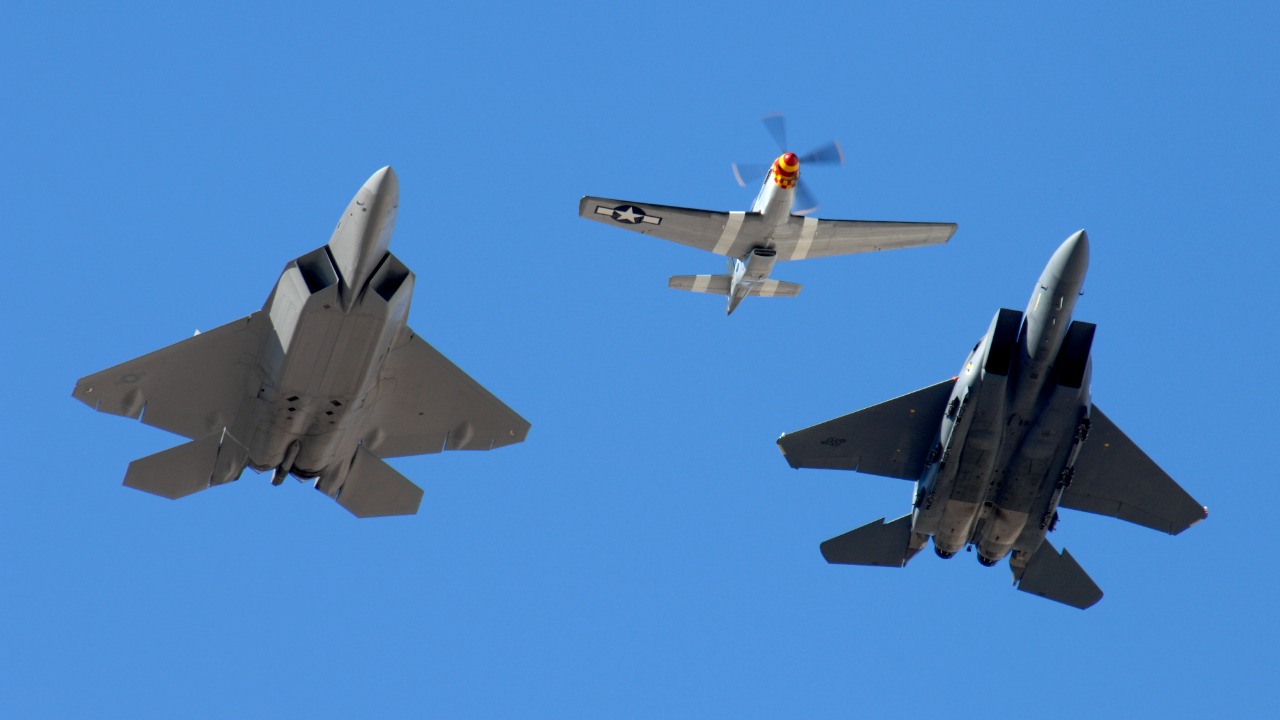
The F-22 Raptor is a crucial component of the U.S. Air Force’s arsenal. Its advanced capabilities make it a formidable asset in modern warfare. The Raptor’s stealth technology, supercruise speed, and integrated avionics set it apart from other fighter jets, making it a critical asset for the U.S. military. The F-22’s unique capabilities are so advanced that the U.S. has never sold this aircraft to foreign countries, a policy rooted in the desire to maintain a technological edge over potential adversaries (Sandboxx).
Notably, the F-22 Raptor’s stealth capabilities are not just about being invisible to radar. The aircraft’s design also significantly reduces its infrared signature, making it harder for heat-seeking missiles to target. Furthermore, the Raptor’s advanced avionics allow it to gather, process, and share data with other assets on the battlefield, enhancing situational awareness and improving decision-making processes. This ability to operate as a ‘force multiplier’ is another reason why the F-22 is such a critical asset for the U.S. military (Sandboxx).
Upgrades and Improvements
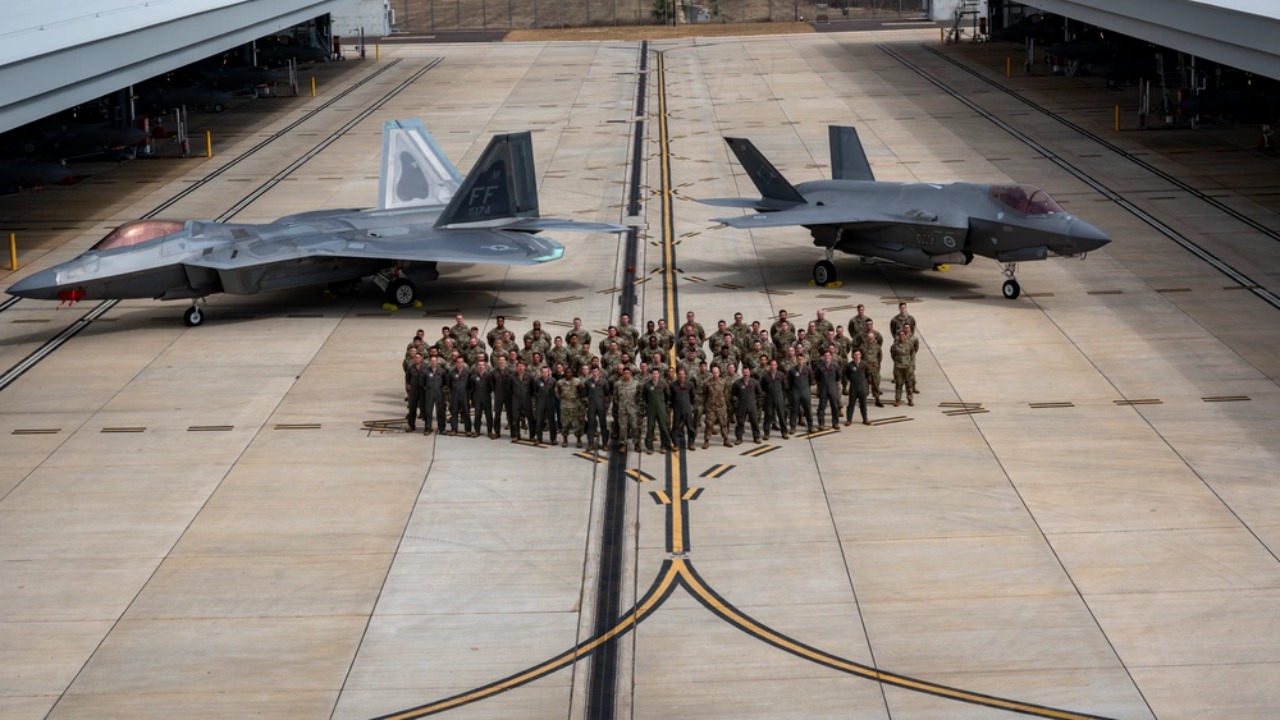
As part of the efforts to enhance the F-22 Raptor’s readiness rate, the U.S. Air Force is considering various upgrades and improvements. One such proposal is to upgrade the engines of these aircraft. If successful, these upgrades could significantly improve the F-22’s readiness rate, making it an even more formidable asset in the Air Force’s arsenal (The National Interest). Other proposed improvements are also being considered to further boost the F-22’s combat readiness (National Security Journal).
Another potential upgrade being considered for the F-22 Raptor is the integration of new weapons systems. This could include the addition of advanced air-to-air and air-to-ground missiles, further enhancing the Raptor’s combat capabilities. The U.S. Air Force is also looking at improving the F-22’s sensor systems, which would enhance its ability to detect and track targets. These proposed upgrades and improvements are part of a broader effort to ensure that the F-22 remains a formidable asset in the face of evolving threats (The National Interest). The Air Force is also considering improvements to the F-22’s maintenance and logistics systems, which could further enhance the aircraft’s readiness rate (National Security Journal).
Retirement and Replacement Plans

Previously, the Air Force had planned to retire one in six F-22 Raptors to fund a new secret jet (Popular Mechanics). However, the decision to keep these aircraft in service and make them combat-ready indicates a shift in strategy. The question of whether the F-22 Raptor needs to be replaced is a complex one. While the aircraft’s advanced capabilities make it a critical asset, technological advancements and evolving threats may necessitate the development of new aircraft (19FortyFive).
The decision to keep the F-22 Raptors in service and make them combat-ready is not just about maintaining current capabilities. It also reflects the challenges associated with developing and fielding a new aircraft. The development of a new jet would require significant time and resources, and there are always risks associated with introducing new technology. By keeping the F-22s in service and upgrading them, the Air Force can maintain a high level of readiness while it continues to explore options for a future replacement (Popular Mechanics). The ongoing debate about the need for a replacement for the F-22 also reflects the broader challenges facing the U.S. military as it seeks to balance the need for advanced capabilities with budgetary constraints (19FortyFive).
Future of the F-22 Raptor

The addition of 32 combat-ready F-22 Raptors will undoubtedly have a significant impact on the Air Force’s fleet. This increase in combat-ready aircraft will enhance the Air Force’s capabilities and readiness, providing a substantial boost to its operational flexibility (National Security Journal). As for the long-term future of the F-22 Raptor, it remains a vital part of the U.S. Air Force. However, as technology continues to evolve, the role of the F-22 may change, and it may eventually be replaced by more advanced aircraft (19FortyFive).
While the F-22 Raptor remains a vital part of the U.S. Air Force, its role is likely to evolve in the coming years. As new technologies emerge, the F-22 may be called upon to perform new missions or to operate in new ways. For example, the Raptor could potentially be used as a platform for deploying unmanned aerial vehicles or for conducting electronic warfare operations. At the same time, the F-22 will continue to play a critical role in maintaining air superiority, deterring potential adversaries, and providing a rapid response to emerging threats (National Security Journal). As technology continues to evolve, the Air Force will need to continually assess the F-22’s capabilities and consider potential upgrades or replacements to ensure that it remains a formidable asset (19FortyFive).
