
In a groundbreaking fusion of technology and archaeology, artificial intelligence has successfully unearthed a lost city through the use of satellite imaging. This discovery marks a significant milestone in the digital revolution transforming archaeological methodologies, promising to uncover more hidden histories with unprecedented precision.
The Role of AI in Archaeology
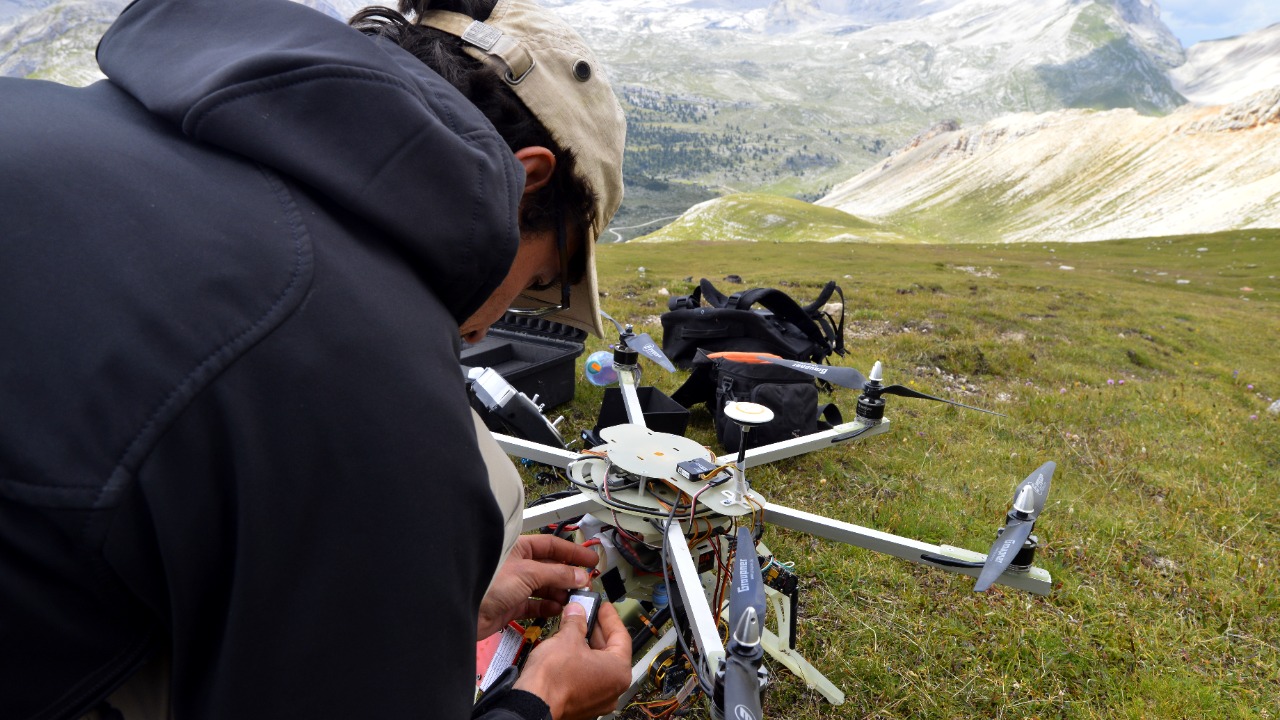
The evolution of AI tools has dramatically changed how archaeologists conduct their research. From simple pattern recognition algorithms to complex predictive models, AI has become an indispensable tool in the archaeological toolkit. This evolution enables researchers to analyze vast datasets with speed and accuracy, uncovering patterns and insights that were previously unattainable.
Recent breakthroughs demonstrate AI’s transformative potential in archaeology. Notable instances include AI’s role in identifying previously unknown structures in dense forested areas and its use in analyzing ancient texts and inscriptions. Such breakthroughs underscore AI’s capacity to revolutionize archaeological discovery processes, making it an invaluable asset.
Looking forward, the implications of AI’s increasing role in archaeology are profound. As AI technologies continue to advance, they promise to enhance our understanding of historical contexts and cultural evolutions, expanding the horizons of what we can learn from the past.
Satellite Imaging: A New Frontier
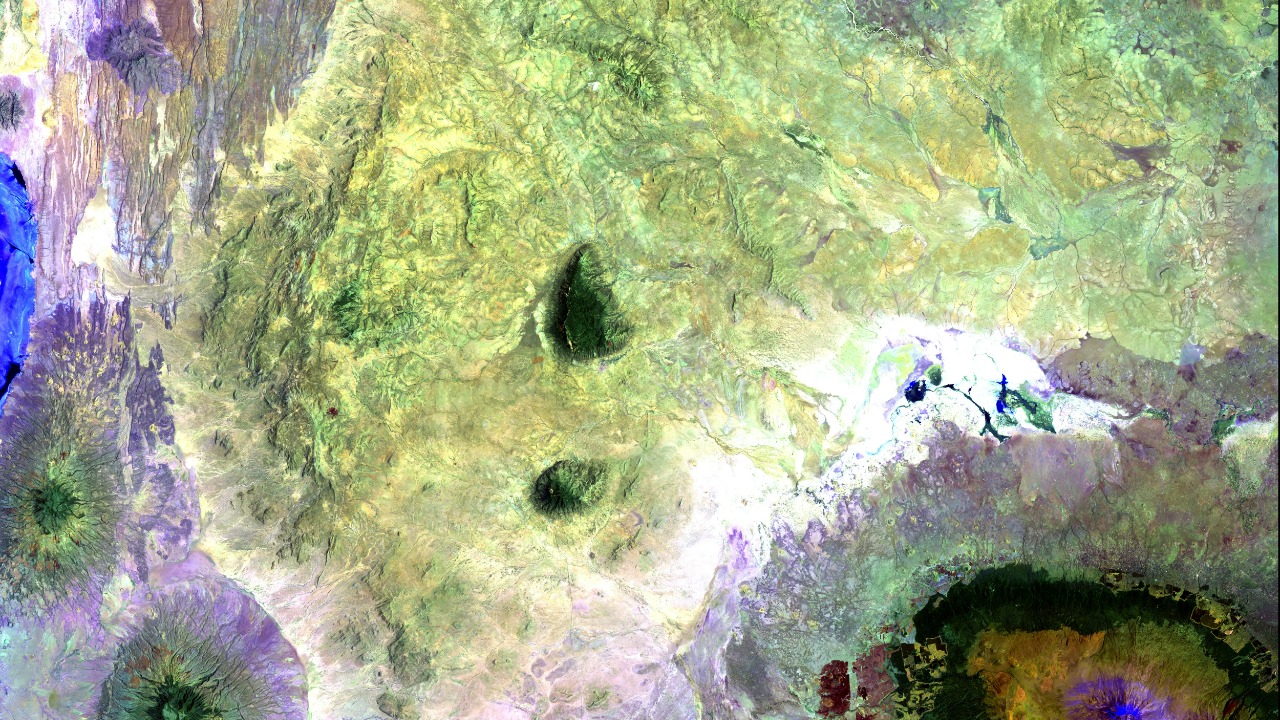
Recent technological advancements in satellite imaging have opened new frontiers in archaeological research. High-resolution imagery and enhanced spectral analysis offer detailed geographical surveys, enabling archaeologists to peer beneath the Earth’s surface like never before. These advancements are crucial in identifying potential archaeological sites that remain hidden from traditional survey methods.
AI plays a pivotal role in processing satellite data, using algorithms to detect anomalies and patterns indicative of human-made structures. This enhanced data analysis allows researchers to narrow down areas of interest, focusing their efforts on sites with the highest potential for discovery.
However, satellite imaging is not without its limitations and challenges. The technology faces issues such as data resolution constraints and environmental factors that may obscure findings. Overcoming these challenges requires continuous innovation and collaboration between technologists and archaeologists.
Discovery of the Lost City
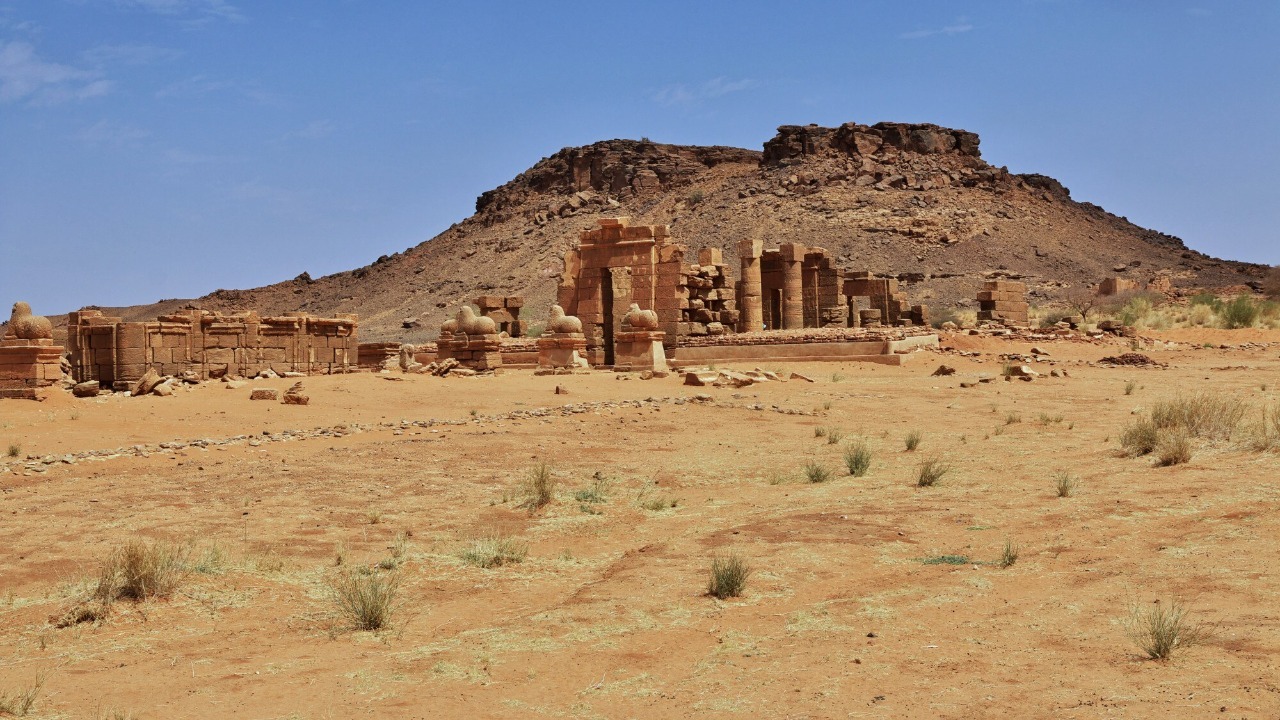
The recent discovery of a lost city showcases the synergy between AI and satellite imaging. Through detailed analysis of satellite imagery, AI pinpointed the location of the city, hidden beneath dense vegetation. This collaboration highlights the power of technology in unraveling ancient mysteries, providing a new lens through which to view our history.
The historical significance of the discovered city is immense. It offers insights into the cultural and societal dynamics of the region during its time, potentially rewriting existing historical narratives. As researchers continue to explore the site, they anticipate uncovering artifacts and structures that will shed light on the city’s past.
Reactions from the archaeological community have been overwhelmingly positive. Experts are excited about the potential of AI and satellite imaging to revolutionize their field, paving the way for new methodologies and discoveries. This sentiment is echoed in discussions and analyses across the academic world, where the fusion of technology and archaeology is seen as a pivotal development.
AI’s Broader Impact on Archaeology
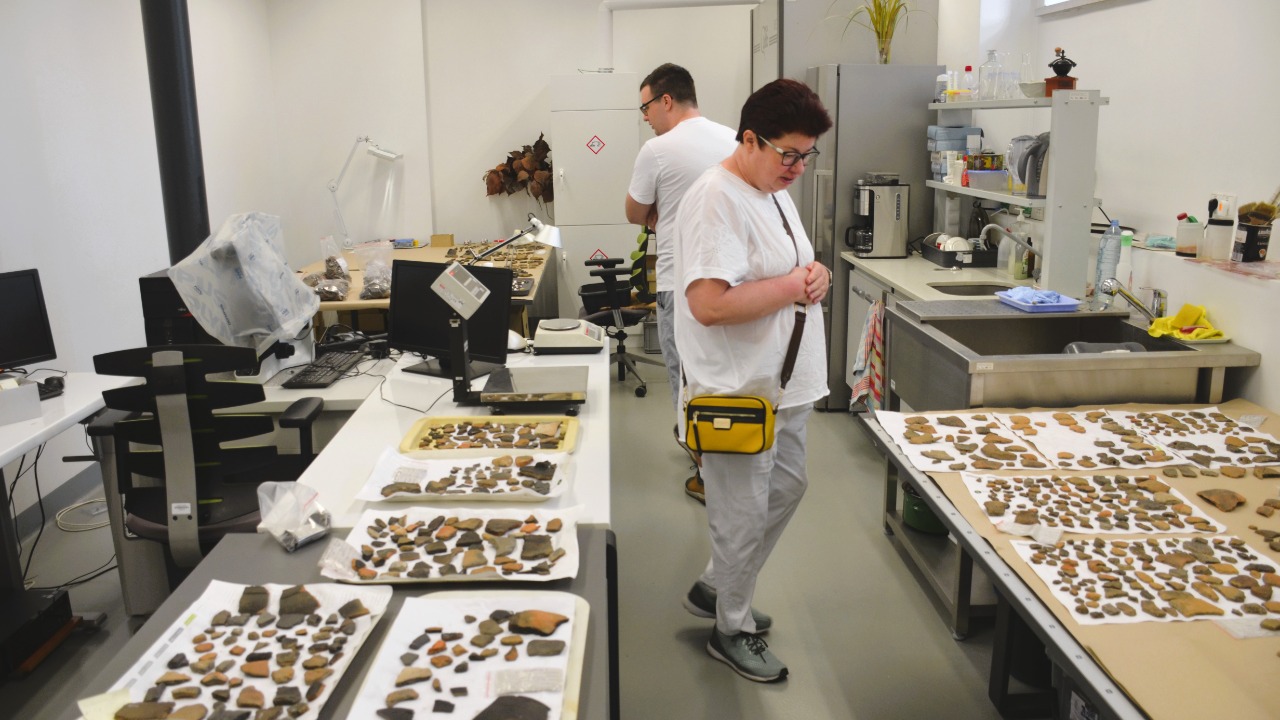
The integration of AI with traditional archaeological methodologies has proven to be highly effective. By complementing hands-on excavation with digital analysis, researchers are able to validate findings and generate hypotheses with greater confidence. This blended approach enhances the overall accuracy and depth of archaeological studies.
Several case studies highlight AI’s role in facilitating significant archaeological discoveries. From the identification of ancient road networks to the mapping of submerged settlements, AI has proven to be a game-changer in the field.
However, the use of AI in archaeology raises ethical considerations, including data privacy and cultural sensitivity. The potential for AI to inadvertently prioritize certain narratives or overlook significant aspects of cultural heritage necessitates careful consideration and ethical oversight.
The Future of Digital Archaeology
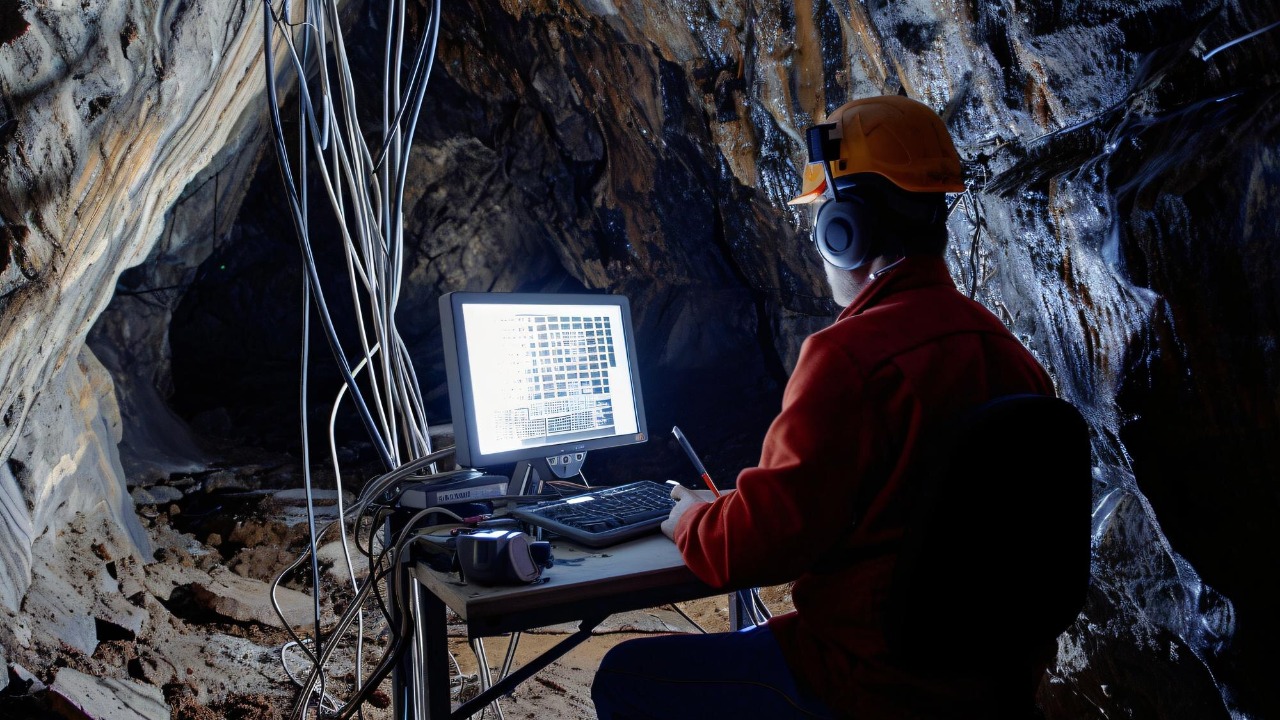
Innovations on the horizon promise to further revolutionize digital archaeology. Emerging technologies, such as machine learning and advanced imaging techniques, are poised to enhance our ability to explore and understand ancient civilizations. These advancements will undoubtedly lead to new discoveries and insights.
Collaborative efforts between technologists and archaeologists are crucial to maximizing the potential of these innovations. By working together, these experts can develop solutions that address current limitations and push the boundaries of what is possible in archaeological research.
As we look towards the future, the continued integration of AI into archaeology presents a promising vision. With ongoing technological advancements and collaborative efforts, the field is poised for a new era of discovery and exploration, reshaping our understanding of human history and cultural evolution. Explore more about this digital revolution.
