
The realm of artificial intelligence (AI) has been making considerable strides in the field of language translation, particularly with ancient languages. The latest feat in this realm is the translation of the Sumerian language — a task that would traditionally take human linguists a considerable amount of time. Now, with the help of AI, we can translate Sumerian texts in mere seconds.
Understanding the Sumerian Language
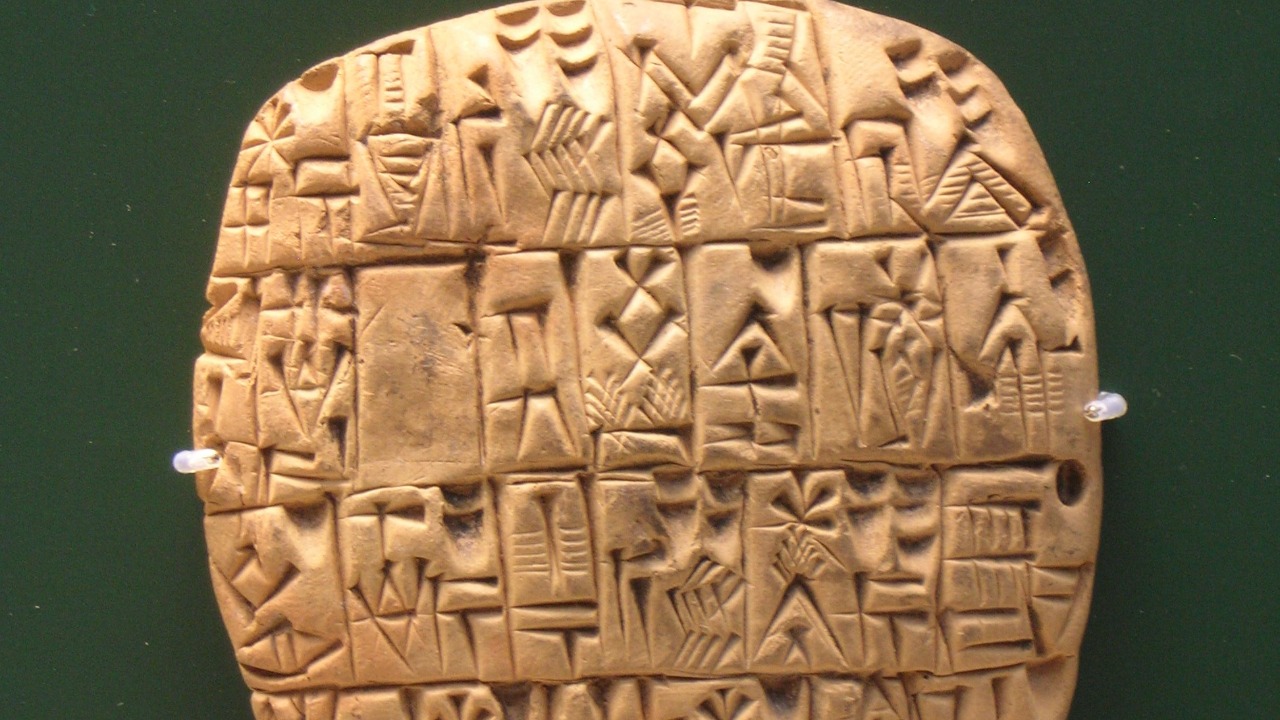
The Sumerian language, hailing from one of the world’s earliest civilizations, has significant historical importance. It provides a window into the ancient world, offering insights into their society, culture, and knowledge. However, translating Sumerian is no easy feat, given its complexity and the lack of fluent speakers for thousands of years.
The intricacies of the Sumerian language pose numerous challenges for translators. For example, it contains a variety of unique grammatical structures and logographic symbols, which are difficult to decipher without extensive knowledge. Additionally, the physical condition of many Sumerian texts – often found on clay tablets or stone inscriptions – can further complicate the translation process.
The Role of AI in Language Translation
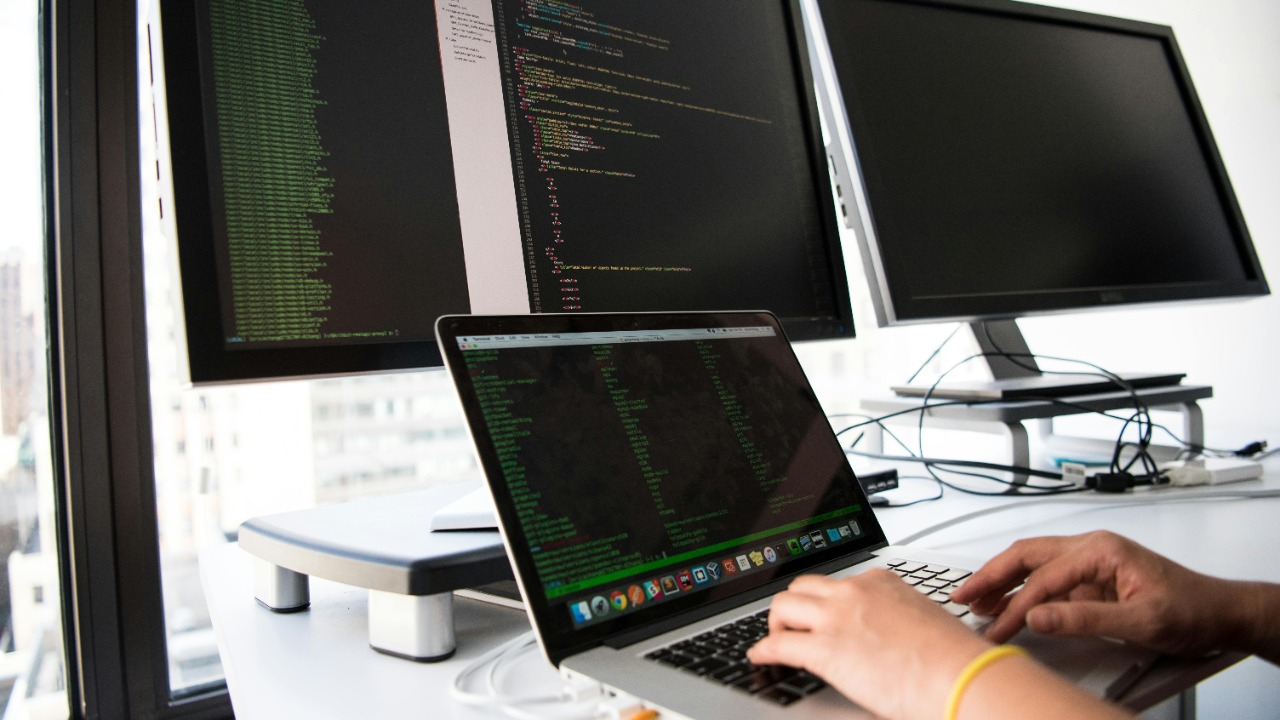
AI has been making waves in the field of language translation for some time now. Machine learning and neural networks — two key components of AI — have been instrumental in enabling computers to learn and understand human languages. These technologies equip machines with the ability to learn and adapt over time, thereby improving their language translation capabilities.
AI has already demonstrated its proficiency in translating ancient languages. For instance, Google’s AI, known as “Bard“, was able to successfully decode ancient Greek inscriptions. Such successes signify the potential of AI in revolutionizing the field of language translation.
Case Study: AI Translates Sumerian in Seconds
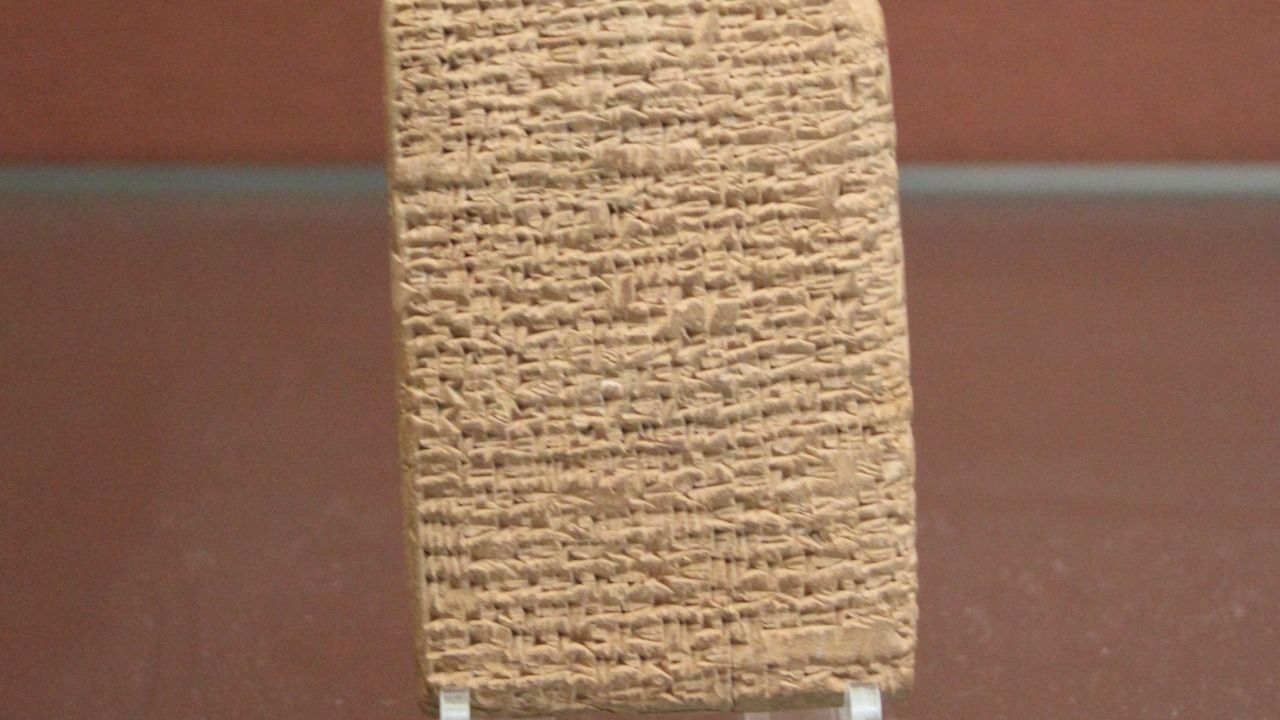
A recent project utilized AI to translate Sumerian texts in an impressively short amount of time. This groundbreaking achievement not only highlighted the speed and accuracy of AI in language translation but also demonstrated the potential applications in the fields of archaeology and history.
The project’s success can be attributed to the advanced algorithms used, which enabled the AI to understand and translate the complex Sumerian language accurately. This subsequently allowed historians and archaeologists to gain a deeper understanding of the ancient Sumerian civilization, opening up new avenues for historical research and discovery.
How AI Overcomes the Challenges of Sumerian Translation

The AI was able to overcome the challenges inherent in Sumerian translation through the use of sophisticated learning algorithms. These algorithms enabled the AI to learn and adapt its understanding of the Sumerian language over time. As a result, it could accurately translate complex Sumerian texts, even those with damaged or missing sections.
One of the key techniques used in the translation process was Neural Machine Translation (NMT). This technique, as outlined in this research article, leverages deep learning to enable the AI to understand and translate languages. In the case of Sumerian translation, NMT was instrumental in enabling the AI to comprehend and translate the complex logographic symbols and unique grammatical structures of the language.
The Future of AI and Ancient Language Translation
The use of AI in language translation is paving the way for exciting future advancements. As AI continues to evolve, we can expect even more accurate and efficient translations of ancient languages. This could revolutionize the study of ancient civilizations, providing us with unprecedented insights into their cultures and societies.
However, the use of AI in ancient language translation isn’t without its potential hurdles and ethical considerations. For example, there’s the question of whether AI translations should be treated with the same level of authority as human translations. Furthermore, there’s the potential risk of AI inadvertently misinterpreting or distorting the original meaning of ancient texts. As we continue to harness the power of AI for language translation, it’s crucial that we remain aware of these potential issues and work towards addressing them.
