Artificial Intelligence (AI) is leaving a significant imprint on the healthcare sector with its innovative applications, especially in the realm of oncology. The game-changer? An impressive 45% improvement in the accuracy of cancer diagnosis, thanks to AI tools.
The Emergence of AI in Oncology
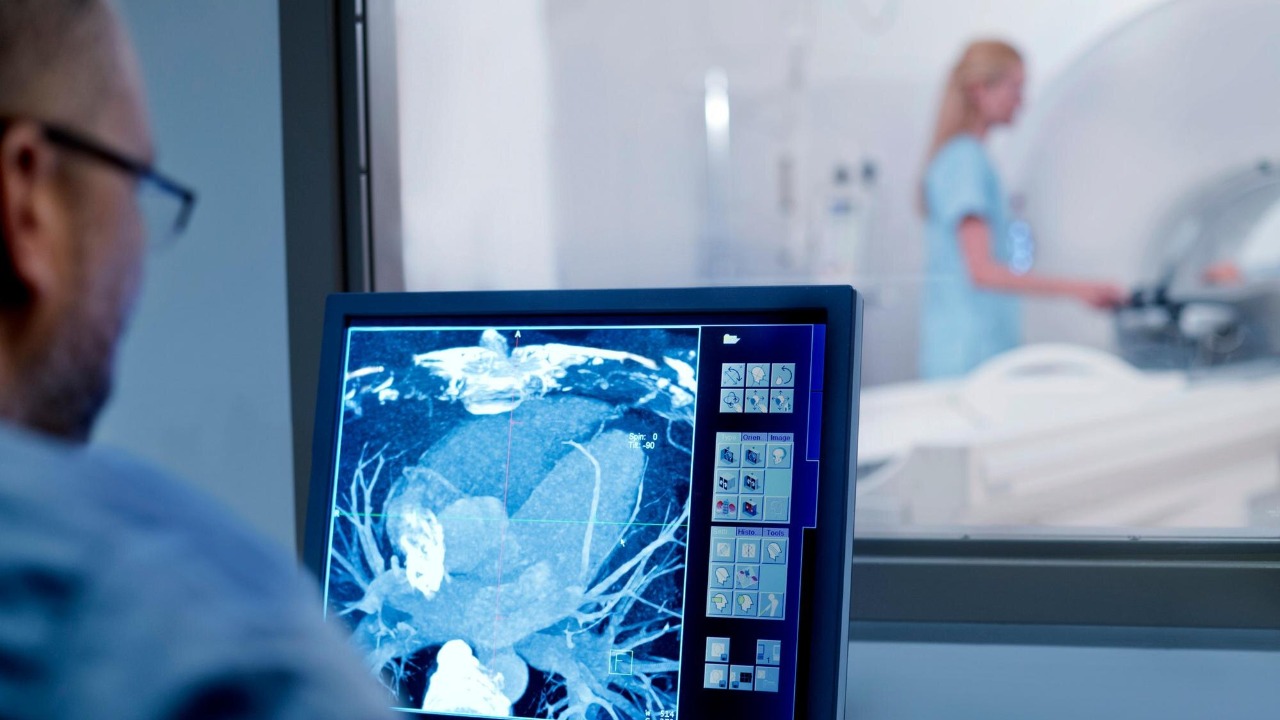
In recent years, AI has made a dramatic entrance into the field of oncology, with transformative applications that are reshaping the entire landscape. From early detection to diagnosis and treatment planning, AI’s role cannot be overstated. According to a blog post from the American Association for Cancer Research, the integration of AI in oncology is emerging as a game-changer.
AI tools, powered by machine learning algorithms, are capable of analyzing vast amounts of data to detect patterns and make predictions that are beyond the scope of human capabilities. These tools are being used to identify early signs of cancer, provide accurate diagnoses, and plan effective treatment strategies.
AI Advancements Leading to Improved Cancer Diagnosis
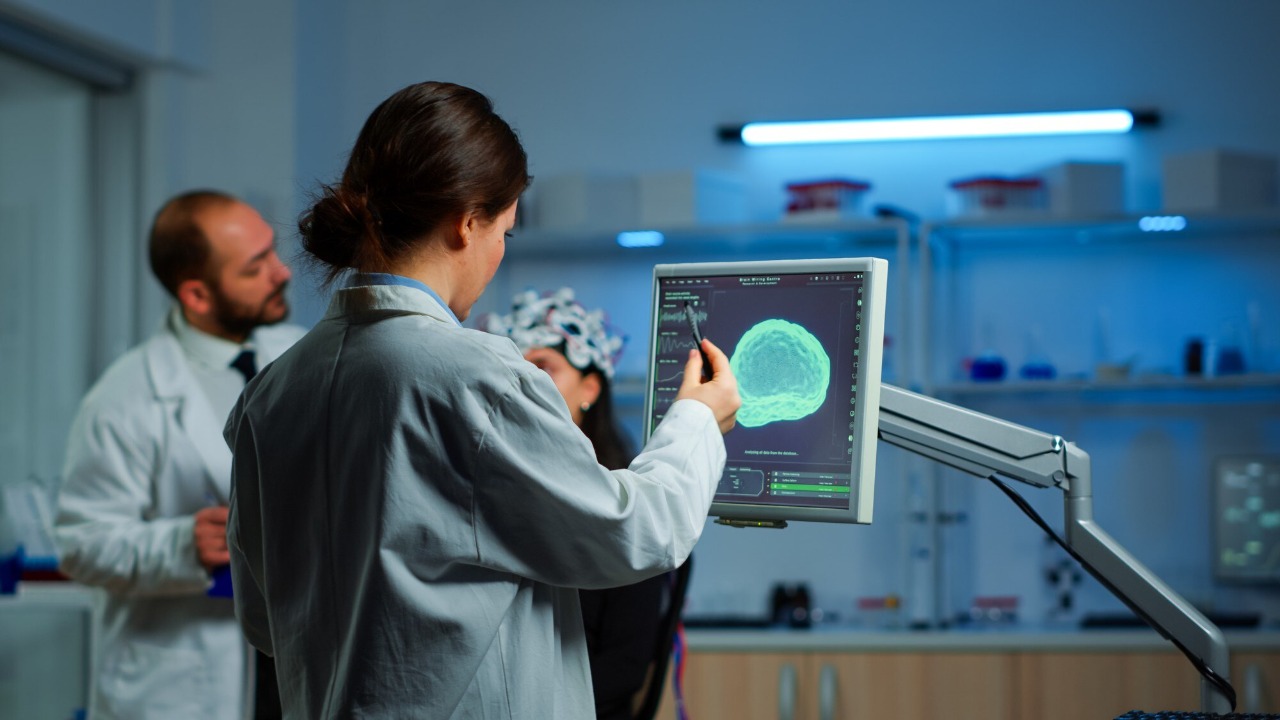
The advent of AI has led to a remarkable 45% improvement in the accuracy of cancer diagnosis, as reported by Inside Precision Medicine. This leap in diagnostic accuracy is due to the development and refinement of AI tools and algorithms that have been specifically designed to enhance the precision of cancer diagnoses.
For example, AI algorithms can sift through medical imaging data to detect subtle changes that may indicate the presence of cancer. By doing this, they can help doctors identify cancer at an earlier stage, thereby improving the chances of successful treatment. AI tools are also being used to analyse genetic data, helping to identify individuals who are at a high risk of developing certain types of cancer.
The Role of AI in Precision Oncology

Precision oncology is a growing field that aims to tailor cancer treatment to the genetic profile of each patient. AI technologies have played a pivotal role in advancing precision oncology, as highlighted by the Cancer Research Institute.
AI tools have been able to analyze genetic data in depth to identify mutations and other genetic factors that may influence a patient’s response to treatment. This information can then be used to develop a personalized treatment plan that is tailored to the patient’s genetic profile, thereby improving the likelihood of a positive outcome. Several case studies have shown how AI has helped to fine-tune treatments for individual patients, leading to improved outcomes and reduced side effects.
The Future of AI Tools in Cancer Research
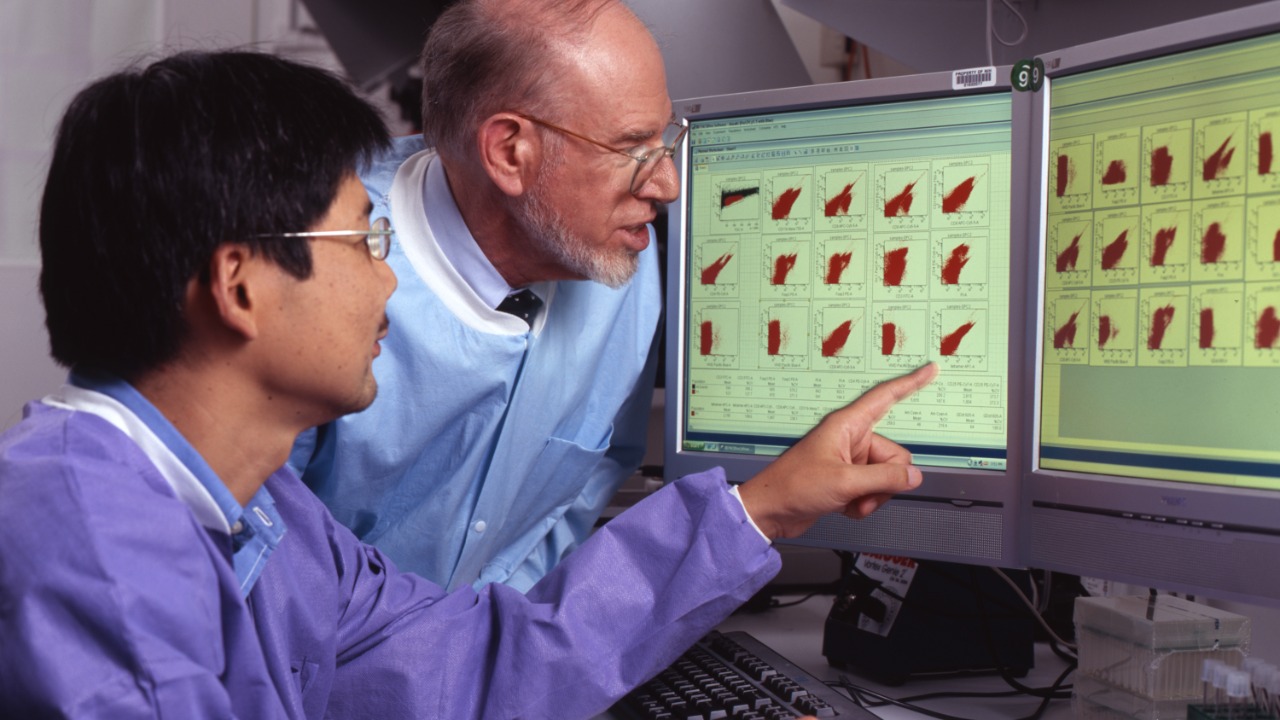
Research conducted by Harvard Medical School has shed light on a new AI tool that could revolutionize cancer diagnosis and treatment. This tool, dubbed “DeepCancer”, uses deep learning algorithms to analyze histopathological images, allowing for a more precise and accurate diagnosis.
The potential of AI in improving the accuracy of cancer diagnosis and prognosis is immense. With continuous advancements in AI technology and increased integration in healthcare, we can expect even more accurate and efficient diagnoses, which could lead to earlier interventions and better patient outcomes. The future might also see AI tools being used to predict the likelihood of cancer recurrence, thereby providing more comprehensive patient care.
AI: The New Frontier in Healthcare
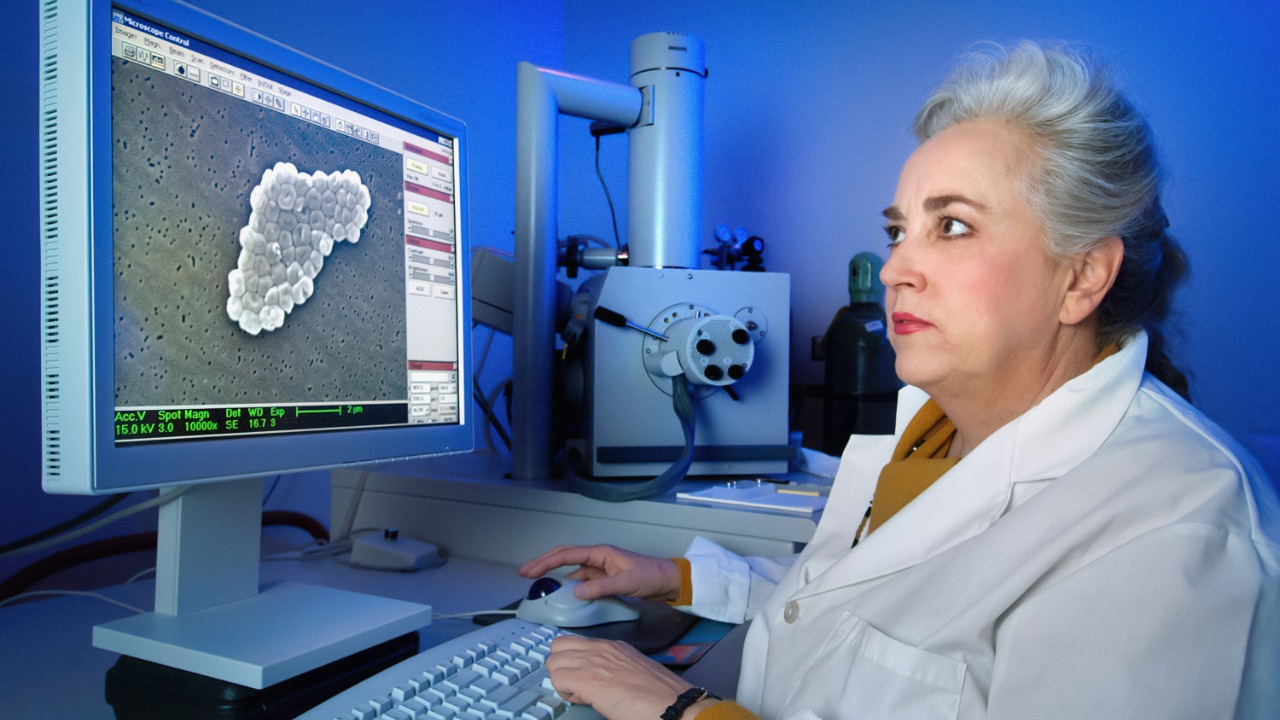
AI is widely seen as the new frontier in healthcare, as discussed in FuturMedesign’s article. With its ability to sift through vast amounts of data and draw meaningful insights, AI has the potential to revolutionize healthcare, particularly in the field of oncology.
However, the integration of AI in healthcare also presents a set of challenges. These include issues related to data privacy, algorithmic bias, and the need for adequate regulatory frameworks. Despite these challenges, the opportunities that AI presents for improving the accuracy of cancer diagnosis and treatment are significant and cannot be overlooked. With continued research and development, AI tools are set to play an even more prominent role in the future of healthcare.
